
When it comes to lifting your car, choosing the right jack can make all the difference in safety and ease. You might have heard about scissor jacks and floor jacks but aren’t sure which one suits your needs best.
Understanding the difference between these two can save you time, effort, and even prevent accidents. You’ll discover how each jack works, their pros and cons, and which one fits your situation perfectly. Keep reading—you’ll soon feel confident picking the right tool for your next tire change or repair.

Credit: www.amazon.com
Scissor Jack Basics
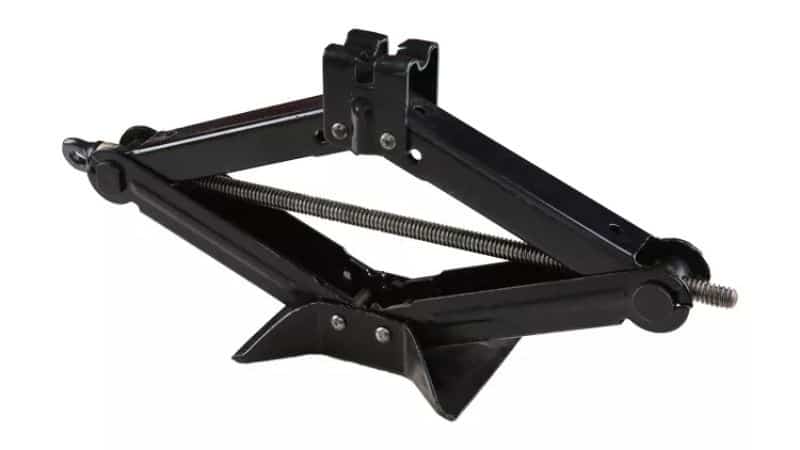
A scissor jack is a simple tool used to lift vehicles. It helps change tires or do small repairs. It works by turning a screw to raise or lower the jack.
This type of jack is small, portable, and usually comes with cars. It is different from a floor jack, which is bigger and uses a hydraulic system.
Design And Mechanism
A scissor jack has a metal frame shaped like two crossed arms. When you turn the handle, the arms move closer or apart. This action lifts or lowers the load.
- The main part is a screw that runs through the center.
- Turning the screw changes the angle of the arms.
- The arms push the lifting platform up or down.
Common Applications
Scissor jacks are popular for light and quick tasks. They are mostly used with small cars and light trucks.
- Changing flat tires on passenger cars
- Emergency roadside repairs
- Temporary lifting for minor vehicle checks
Advantages And Limitations
| Advantages | Limitations |
| Lightweight and easy to carry | Limited lifting height |
| Simple to use without power | Not stable on uneven ground |
| Low cost and low maintenance | Cannot lift very heavy loads |
Floor Jack Essentials
Floor jacks and scissor jacks both lift vehicles but work differently. Floor jacks are common in garages and shops. They offer fast and strong lifting.
This guide explains the key differences with a focus on floor jack essentials.
Structure And Operation
A floor jack has a strong metal frame and wheels. It uses hydraulic power to lift heavy loads. You pump the handle to raise the jack arm smoothly.
Scissor jacks use a screw mechanism and a scissor-like design. You turn a crank to lift the vehicle slowly.
- Floor jack: hydraulic system with wheels and handle
- Scissor jack: mechanical screw with a crank
- Floor jack lifts faster and with less effort
- Scissor jack is simpler but slower
Typical Use Cases
Floor jacks are used in auto shops and home garages. They lift cars for repairs or tire changes quickly. They work best on flat surfaces.
Scissor jacks come with most cars. They are for emergency tire changes on the road. They are compact and easy to store in a car trunk.
- Floor jack: garage repairs, tire changes, heavy lifting
- Scissor jack: emergency roadside tire changes
- Floor jack needs flat, solid ground
- Scissor jack can work on uneven ground but slower
Pros And Cons
Floor jacks lift vehicles quickly and with less effort. They are stable and support heavier loads. But they are heavier and less portable.
Scissor jacks are light and easy to carry. They are cheaper and need no power source. But they lift slowly and can be less stable.
| Type | Pros | Cons |
|---|---|---|
| Floor Jack | Fast lifting, stable, handles heavy loads | Heavy, bulky, needs flat surface |
| Scissor Jack | Lightweight, portable, low cost | Slow lifting, less stable, limited weight |
Comparing Lift Capacity
Scissor jacks and floor jacks are tools used to lift vehicles. They differ in how much weight they can safely support. Understanding their lift capacity helps choose the right jack for the job.
This comparison looks at weight support differences and safety considerations. It shows how each jack performs in lifting tasks.
Weight Support Differences
Scissor jacks are smaller and lighter. They often support less weight than floor jacks. Floor jacks have a wider base and stronger lifting arms.
| Jack Type | Typical Lift Capacity | Best Use |
|---|---|---|
| Scissor Jack | 1 to 1.5 tons (2,000 to 3,000 lbs) | Small cars, emergency tire changes |
| Floor Jack | 2 to 3 tons (4,000 to 6,000 lbs) | Heavier vehicles, garage work |
Safety Considerations
Using the right jack for the vehicle weight is very important. Overloading a scissor jack can cause it to fail. Floor jacks offer more stability but need flat surfaces.
- Always check the jack’s weight limit before use.
- Place jack on a solid, level surface.
- Use jack stands for extra safety after lifting.
- Do not work under a vehicle supported only by a jack.
- Inspect the jack for damage before each use.

Credit: www.amazon.com
Portability And Storage
Scissor jacks and floor jacks are tools used to lift vehicles. Their portability and storage needs differ a lot. These differences affect how easy it is to carry and store each jack.
Understanding size, weight, and transport ease helps in choosing the right jack for your needs. Let’s look at these points.
Size And Weight Comparison
Scissor jacks are smaller and lighter than floor jacks. They fold up flat, making them easy to store. Floor jacks are bigger and heavier because of their design and parts.
| Jack Type | Approximate Size | Weight Range |
|---|---|---|
| Scissor Jack | 10-15 inches folded | 5-10 pounds |
| Floor Jack | 30-40 inches length | 30-50 pounds |
Ease Of Transport
Scissor jacks are easy to carry by hand or keep in a small space in your car. They do not need much effort to move around. Floor jacks are heavier and bulky, so they need wheels or a carrying case.
- Scissor jacks fit in most car trunks or toolboxes
- Floor jacks often require a dedicated spot in a garage
- Scissor jacks can be lifted and carried quickly
- Floor jacks often need two hands or wheels to move
Cost And Maintenance
Choosing between a scissor jack and a floor jack depends on several factors. Cost and upkeep play a big role in this decision.
Understanding their price differences and maintenance needs helps you pick the right tool for your needs.
Price Range Differences
| Jack Type | Price Range | Typical Use |
|---|---|---|
| Scissor Jack | $15 – $40 | Emergency car lift, light use |
| Floor Jack | $100 – $300+ | Garage, heavy lifting, frequent use |
Scissor jacks are cheaper but less durable. Floor jacks cost more but offer stronger performance.
Upkeep Requirements
- Scissor Jack:Minimal maintenance, mostly keep clean and lubricate the screw.
- Floor Jack:Regular oil changes, check hydraulic fluid, and inspect seals.
- Both need safe storage to avoid rust and damage.
Floor jacks require more care but last longer with proper upkeep. Scissor jacks need less work but wear out faster.
Choosing The Right Jack
Picking the right jack is important for safety and ease. Different jacks fit different needs and vehicles.
Knowing your vehicle and how you will use the jack helps you choose correctly. Let’s explore these options.
Matching Jack To Vehicle Type
Every vehicle type needs a specific jack. A scissor jack is often found in cars. It is compact and fits well in a trunk. A floor jack is better for larger vehicles like trucks.
| Vehicle Type | Recommended Jack |
| Small Cars | Scissor Jack |
| SUVs | Floor Jack |
| Trucks | Floor Jack |
Situational Use Recommendations
The situation affects which jack to use. If you are changing a tire on the road, a scissor jack is handy. For garage work, a floor jack is more stable.
- Use a scissor jack for emergencies.
- Choose a floor jack for maintenance at home.
- Ensure the jack can handle your vehicle’s weight.
Credit: grandlifting.com
Frequently Asked Questions
What Is The Main Difference Between Scissor Jack And Floor Jack?
A scissor jack uses a mechanical screw to lift vehicles, while a floor jack uses hydraulic pressure. Scissor jacks are compact and manual, suited for emergencies. Floor jacks lift heavier loads quickly and require less effort, ideal for frequent use.
Which Jack Is Safer For Lifting Cars?
Floor jacks are generally safer due to their stability and ease of use. Scissor jacks can be less stable and require more caution. Always use jack stands for added safety, regardless of the jack type.
Can A Scissor Jack Lift Heavy Vehicles?
Scissor jacks are designed for light to medium loads, typically passenger cars. They are not recommended for heavy vehicles or trucks. Floor jacks handle heavier weights and provide better lifting capacity.
Are Floor Jacks More Expensive Than Scissor Jacks?
Yes, floor jacks usually cost more due to their hydraulic mechanism and durability. Scissor jacks are cheaper and more portable but less powerful. The price difference reflects their performance and use cases.
Conclusion
Choosing between a scissor jack and a floor jack depends on your needs. Scissor jacks are small, light, and easy to carry. Floor jacks are bigger, stronger, and lift cars faster. Each jack has its own use and suits different situations.
Keep safety in mind when using any jack. Knowing these differences helps you pick the right tool. It makes car repairs and tire changes easier and safer. Simple tools, clear choices.







