
Are you planning to inspect your car but don’t know where to start? Having the right tools can make the process easier, faster, and more accurate.
Whether you want to check your car’s health before a trip or spot problems early, this step-by-step car inspection tools guide is made just for you. By the end of this article, you’ll feel confident and prepared to handle your car like a pro.
Keep reading, and discover the tools that will save you time, money, and stress.
Essential Inspection Tools
Inspecting a car carefully needs the right tools. These tools help you check different parts of the vehicle.
Using the correct tools makes inspection easier and more accurate. Here are the essential tools you need.
Basic Hand Tools
Basic hand tools are the most common tools for car inspection. They help you check bolts, nuts, and other parts.
These tools are easy to use and very useful for many tasks.
- Screwdrivers (flathead and Phillips)
- Wrenches (open-end and socket)
- Pliers (needle nose and regular)
- Flashlight for better visibility
- Torque wrench to check tightness
Diagnostic Scanners
Diagnostic scanners read the car’s computer codes. They help find problems in the engine and other systems.
These scanners show error codes that point to specific issues. They save time and guesswork.
- OBD-II scanners for modern cars
- Code readers for basic diagnosis
- Wireless scanners that connect to phones
Tire Pressure Gauges
Tire pressure gauges measure how much air is in the tires. Correct pressure improves safety and fuel efficiency.
Check tire pressure when tires are cold for best results. Different types of gauges give accurate readings.
- Digital tire pressure gauges
- Dial tire pressure gauges
- Stick tire pressure gauges
Fluid Testing Kits
Fluid testing kits check the quality of car fluids like oil and coolant. Good fluids keep the car running well.
These kits help you find contamination or wear signs early. They are easy to use and give quick results.
- Oil testing strips or kits
- Coolant test kits for freezing and boiling points
- Brake fluid testers
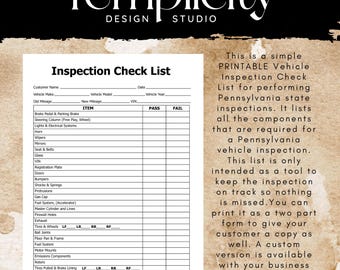
Credit: www.etsy.com
Exterior Inspection Tools
Checking a car’s exterior helps find damage and wear. Using the right tools makes this easier and more accurate.
These tools let you inspect paint, lights, mirrors, and windshields carefully. This guide covers useful tools for your car’s outer parts.
Paint Thickness Gauges
Paint thickness gauges measure the layer of paint on a car’s surface. They help detect repairs or repainting. This tool is small and easy to use.
- Place the gauge on the car’s painted surface.
- Read the thickness value shown on the device.
- Compare values across panels to find inconsistencies.
Flashlights And Inspection Mirrors
Flashlights light dark or hidden parts of the car. Inspection mirrors help see areas hard to reach. Together, they reveal scratches, dents, or rust.
| Tool | Purpose | How to Use |
| Flashlight | Illuminate dark spots | Shine light on undercarriage and wheel wells |
| Inspection Mirror | View hidden angles | Hold mirror to see behind panels and corners |
Windshield Crack Detectors
Windshield crack detectors find small and hidden cracks. They use light or sensors to highlight damage. Using them early can prevent bigger problems.
Common features of windshield crack detectors:
- Easy to hold and move across glass
- Bright light or UV light source
- Clear display showing crack locations
Interior Inspection Tools
Inspecting a car’s interior requires the right tools to find problems early. These tools help check electrical systems, diagnose issues, and test seats and upholstery.
Using proper tools saves time and ensures the car is safe and comfortable inside. Below are key tools for interior inspection.
Multimeters For Electrical Checks
Multimeters measure voltage, current, and resistance in car electrical parts. They help find faulty wires, blown fuses, and dead batteries inside the car.
- Check dashboard lights and switches
- Test wiring connections under the dash
- Measure battery voltage and alternator output
- Verify fuse box circuits
Obd-ii Scanners
OBD-II scanners connect to the car’s diagnostic port. They read error codes from the car’s computer. This helps find engine and electrical problems inside the vehicle.
| Feature | Purpose |
| Read Trouble Codes | Identify specific faults |
| Clear Codes | Reset warning lights |
| Live Data | Monitor sensor readings in real time |
| Compatibility | Works with most cars after 1996 |
Seat And Upholstery Testers
These testers check the condition of seats and upholstery. They help find damage, wear, or weakness in materials inside the car.
- Use fabric testers to check material strength
- Apply moisture meters to find damp spots
- Inspect seat heaters and motors with electrical testers
- Check seat belts for proper function

Credit: www.ikikin.com
Engine And Underbody Tools
Car inspection needs the right tools to check the engine and underbody. These tools help find problems early.
Using the proper tools makes inspections safer and more accurate. Let’s look at some key tools.
Compression Testers
Compression testers measure the pressure in each engine cylinder. This helps check engine health.
Low compression may mean worn piston rings or valves. High compression shows good engine condition.
- Attach tester to spark plug hole
- Crank the engine to get pressure reading
- Compare readings from all cylinders
Leak Detection Equipment
Leak detection tools find holes or cracks in the engine or exhaust system. They prevent gas or fluid leaks.
Common tools include smoke machines and pressure testers. They show where leaks occur by adding smoke or pressure.
- Smoke machines fill system with smoke to find leaks
- Pressure testers check air or fluid tightness
- Use dye kits to spot leaks in fluids
Jack Stands And Ramps
Jack stands and ramps lift the car safely for underbody checks. They keep the car stable while you work.
Use ramps for quick access. Jack stands are needed for longer or heavier lifts. Always secure the car well.
- Drive car slowly onto ramps
- Use jack to lift car from frame
- Place jack stands under strong points
- Never work under a car only on a jack
Step-by-step Inspection Process
Inspecting a car carefully helps find problems early. Use the right tools and follow a clear process.
This guide shows simple steps for a full car check. It covers tools, outside, inside, engine, and safety checks.
Preparing Your Tools
Start by gathering all tools you need. Good tools make inspection easier and more accurate.
Basic tools include a flashlight, tire pressure gauge, and a code reader. Keep a checklist for your tools.
- Flashlight to see dark areas
- Tire pressure gauge to check tires
- OBD2 scanner for engine codes
- Screwdriver and pliers for minor checks
- Gloves and safety glasses
Visual Exterior Checks
Look at the car’s outside carefully. Check for damage, rust, and paint issues.
Inspect tires for wear and cracks. Check lights and mirrors for cracks or broken parts.
- Check for dents or scratches
- Look under the car for leaks
- Test headlights, brake lights, and signals
- Inspect tire tread and pressure
- Check windshield and windows for cracks
Interior Functionality Tests
Test all controls inside the car. Make sure buttons, switches, and displays work well.
Check seats and seatbelts for damage. Listen for unusual sounds when using features.
- Test air conditioning and heating
- Check radio and speakers
- Operate windows and door locks
- Inspect seat adjustments and seat belts
- Look for warning lights on the dashboard
Engine Performance Evaluation
Open the hood and check the engine. Look for leaks, worn belts, and fluid levels.
Use a code reader to find engine errors. Listen for strange noises when the engine runs.
- Check oil, coolant, and brake fluid levels
- Inspect belts and hoses for cracks
- Use OBD2 scanner for engine codes
- Listen for knocking or hissing sounds
- Look for smoke from the exhaust
Safety Systems Verification
Check all safety parts to ensure they work. Test airbags, brakes, and warning signals.
Make sure seat belts lock and release properly. Confirm that the horn and emergency lights function.
- Test brakes for proper stopping power
- Check airbags warning lights
- Inspect seat belts and locks
- Test horn and emergency flashers
- Verify traction control and ABS lights

Credit: simonsautorepairtaunton.com
Maintaining And Calibrating Tools
Proper maintenance and calibration of car inspection tools is crucial. It ensures accuracy and extends tool life.
Understanding how to care for and adjust these tools helps avoid errors during inspections.
Cleaning And Storage Tips
Keeping tools clean and stored correctly is essential. It prevents damage and maintains functionality.
- Wipe tools with a clean, dry cloth after each use.
- Store tools in a dry, cool place to avoid rust.
- Use protective cases for sensitive equipment.
Calibration Frequency
Calibration ensures tools measure accurately. Regular checks are necessary for reliable readings.
| Tool Type | Calibration Frequency |
| Torque Wrench | Every 6 months |
| Pressure Gauge | Annually |
| Digital Multimeter | Every 12 months |
Troubleshooting Common Issues
Problems can arise even with well-maintained tools. Knowing how to troubleshoot can save time.
For digital tools, check batteries and connections first.
Listen for unusual sounds in mechanical tools, indicating wear.
Frequently Asked Questions
What Essential Tools Are Needed For A Car Inspection?
Essential car inspection tools include a tire pressure gauge, flashlight, mechanic’s gloves, OBD-II scanner, and a jack. These tools help check tire condition, engine faults, fluid levels, and undercarriage issues effectively during the inspection process.
How Do I Use An Obd-ii Scanner For Car Inspection?
Plug the OBD-II scanner into the car’s diagnostic port, usually under the dashboard. Turn on the ignition, run the scanner, and read the error codes. This helps identify engine and emission problems quickly and accurately.
Why Is A Tire Pressure Gauge Important In Car Inspection?
A tire pressure gauge ensures tires are inflated to the correct pressure. Proper tire pressure improves safety, fuel efficiency, and tire lifespan. Checking pressure regularly helps detect slow leaks and prevents uneven tire wear.
When Should I Replace Car Inspection Tools?
Replace car inspection tools when they show signs of damage, wear, or inaccurate readings. For example, cracked tire gauges or malfunctioning scanners reduce inspection reliability. Regularly update tools for accurate and safe vehicle assessments.
Conclusion
Using the right car inspection tools saves time and money. Each tool helps check important parts of your vehicle. Regular inspections keep your car safe and reliable. Start with simple tools and learn step by step. Practice makes the process easier and faster.
Keep your tools organized and in good condition. This guide helps you feel confident about car care. Stay consistent, and your car will run smoothly longer. Remember, small checks prevent big problems later. Keep these tips in mind for safer driving every day.







