
Have you ever noticed a tire light glowing on your car’s dashboard and felt a sudden wave of worry? That little warning symbol might seem small, but it can have a big impact on your safety and your car’s performance.
Understanding what the tire light means and what you should do next can save you from unexpected trouble on the road. Keep reading to learn exactly why that light turned on and how you can fix it quickly and easily.
Your safety depends on it.
Tire Light Basics
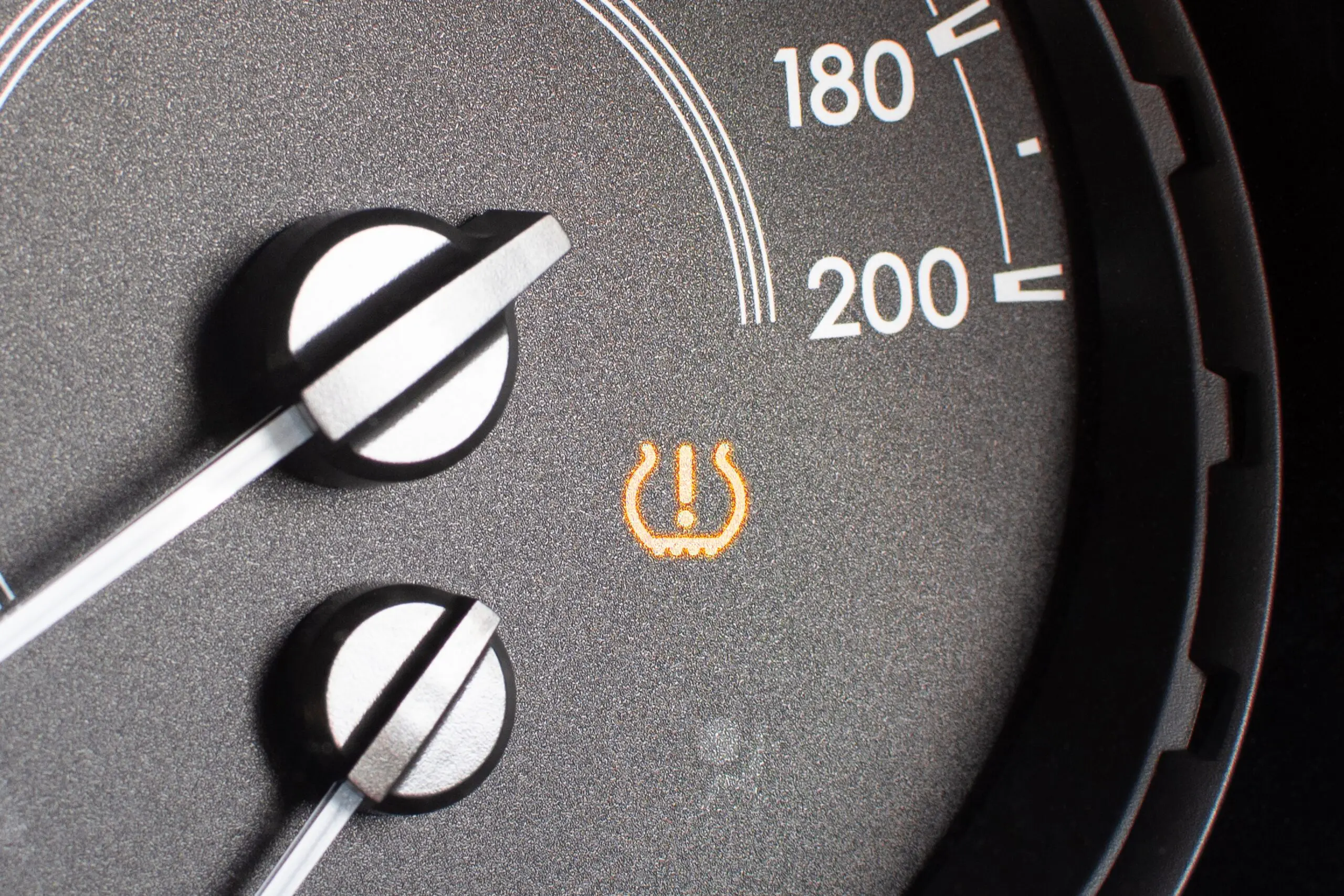
The tire light on your car’s dashboard helps you know when there is a problem with your tires. It is important to pay attention to this light to keep your car safe to drive.
This light can turn on for different reasons. Knowing what it means can help you fix the issue quickly.
What The Tire Light Indicates
The tire light usually means there is low air pressure in one or more tires. Low pressure can make driving unsafe and cause tire damage.
Sometimes, the light can signal a problem with the tire pressure monitoring system (TPMS) itself. It is not always a tire air issue.
- Low tire pressure
- Flat tire or slow leak
- Problem with TPMS sensor
- Temperature changes affecting tire pressure
Types Of Tire Warning Lights
There are different tire warning lights that your car might show. Each one means a different issue.
Common tire warning lights include a yellow or orange tire icon and sometimes a message on the dashboard.
- Tire Pressure Monitoring System (TPMS) Light:Shows low tire pressure.
- Flat Tire Warning:Alerts for a flat or very low tire.
- TPMS Sensor Error:Means the system has a sensor problem.

Credit: timsquality.com
Common Causes
The tire light on your car dashboard signals an issue with your tires. It helps you stay safe while driving.
Knowing why this light comes on can help you fix the problem fast. Below are common causes you should check.
Low Tire Pressure
Low tire pressure is the most common reason the tire light turns on. Tires lose air over time or from small leaks.
- Cold weather can make tire pressure drop.
- Punctures from nails or sharp objects cause leaks.
- Damaged valve stems allow air to escape.
- Not inflating tires to the right pressure after service.
Tire Damage Or Wear
Worn or damaged tires can trigger the tire light. This can cause unsafe driving conditions.
| Type of Damage | Effect on Tire Light |
| Cracks or Cuts | May cause slow leaks |
| Excessive Tread Wear | Reduces traction, triggers sensor |
| Bulges or Blisters | Indicate weak spots, cause light |
| Uneven Wear | Shows alignment issues, affects pressure |
Faulty Sensors
Tire Pressure Monitoring System (TPMS) sensors can fail or have dead batteries. This can cause the tire light to stay on.
Signs of faulty sensors include:
- Light stays on after tire pressure is corrected
- Intermittent warning light
- Sensor error messages on the dashboard
Checking Tire Pressure
Proper tire pressure keeps your car safe and saves fuel. It also helps tires last longer. Checking tire pressure is easy with the right tools.
Regular checks prevent problems on the road. You should check tire pressure at least once a month and before long trips.
How To Use A Tire Pressure Gauge
Using a tire pressure gauge is simple. Follow these steps to get an accurate reading of your tire’s pressure.
- Remove the valve cap from the tire.
- Press the gauge onto the valve stem firmly.
- Read the pressure shown on the gauge.
- Compare the reading to the recommended pressure.
- Replace the valve cap securely.
- Repeat for all tires, including the spare.
Recommended Pressure Levels
Tire pressure varies by car model. You can find the correct pressure in your car manual or on a sticker inside the driver’s door.
| Tire Type | Recommended Pressure (PSI) |
| Passenger Car Tires | 30 – 35 |
| Light Truck Tires | 35 – 45 |
| SUV Tires | 32 – 38 |
| Spare Tire | 60 (Temporary Use) |
Fixing Low Tire Pressure
Low tire pressure can cause poor fuel economy and unsafe driving. It is important to fix it quickly to keep your car safe.
Checking and inflating tires regularly helps prevent damage and improves handling on the road.
Inflating Tires Safely
Use a reliable pressure gauge to check your tire pressure. Do this when the tires are cold for an accurate reading.
- Remove the valve cap from the tire.
- Press the pressure gauge onto the valve stem firmly.
- Read the pressure and compare it with the recommended level.
- Add air using an air compressor if pressure is low.
- Do not overinflate; check the pressure again after inflating.
- Replace the valve cap securely.
When To Visit A Service Station
Sometimes you need professional help to fix tire pressure problems. Visit a service station if you notice unusual signs.
| Signs to Visit | Reason |
| Repeated pressure loss | Possible tire leak or damage |
| Visible tire damage | Risk of blowout or failure |
| Warning light stays on | Sensor or tire issue |
| Difficulty inflating tires | Faulty valve or equipment |
Handling Tire Damage
Tire damage can happen at any time. Knowing how to handle it is important for safety. This guide will help you spot issues and decide what action to take.
From noticing small cuts to making temporary fixes, these tips will keep you on the road safely.
Spotting Punctures And Cuts
Identifying tire damage early can prevent bigger problems. Here are signs to look for.
- Loss of air pressure over time
- Visible cuts or punctures on the tire surface
- Cracks or bulges on the sidewalls
Temporary Repairs And When To Replace
Temporary repairs can help in emergencies. Knowing when to replace a tire is just as important.
| Situation | Action |
| Small puncture | Use a patch or plug |
| Large cut | Replace the tire immediately |
| Frequent air loss | Inspect for hidden damage |
Dealing With Sensor Issues
The tire light on your car signals problems with tire pressure sensors. These sensors watch the air pressure in your tires. If they detect low pressure, the light will turn on.
Sometimes, the sensor can give false warnings. This happens due to sensor glitches or changes in temperature. It is important to know how to handle these sensor issues safely.
Resetting The Tire Pressure Monitoring System
Resetting the tire pressure monitoring system (TPMS) can clear sensor errors. This process lets the system relearn the correct tire pressure after you fix the issue.
- Check all tires and inflate them to the recommended pressure.
- Turn on the car’s ignition without starting the engine.
- Find the TPMS reset button, usually under the dashboard.
- Press and hold the reset button until the tire light blinks slowly.
- Start the car and wait for the light to go off, which may take a few minutes.
- If the light stays on, check the tires again or repeat the reset process.
When To Consult A Mechanic
If the tire light stays on after resetting, a mechanic should inspect your car. Sensor problems may need special tools or parts to fix.
| Issue | Possible Cause | When to See a Mechanic |
| Light stays on | Faulty sensor or wiring | If reset does not work |
| Light blinks | Sensor malfunction | Immediately |
| Repeated warnings | Slow leak or sensor error | After checking tire pressure |
Preventive Tips
Tire lights on your car are important signals. They alert you to possible issues with your tires.
Understanding these signals and taking preventive steps can keep you safe on the road. Let’s explore how regular maintenance and seasonal checks can help.
Regular Tire Maintenance
Regular tire maintenance ensures that your tires are in good condition. It helps you avoid unexpected issues.
- Check tire pressure monthly.
- Inspect tires for cracks or punctures.
- Rotate tires every 5,000 miles.
- Align wheels annually.
- Balance tires to avoid uneven wear.
Seasonal Tire Checks
Different seasons affect your tires in unique ways. Adjust your checks according to the season.
| Season | Check |
| Winter | Ensure proper tread depth for snow |
| Spring | Check for damage from winter conditions |
| Summer | Monitor tire pressure due to heat |
| Fall | Prepare tires for cold temperatures |

Credit: www.reddit.com
Credit: www.telletire.com
Frequently Asked Questions
What Does The Tire Light On My Car Mean?
The tire light indicates low tire pressure or a problem with the TPMS. It warns you to check tires immediately. Proper tire pressure ensures safety, better fuel efficiency, and longer tire life.
How To Reset The Tire Light On A Car?
To reset the tire light, inflate tires to recommended pressure. Then, use the car’s TPMS reset button or follow the owner’s manual instructions. Driving a few miles may also reset the system automatically.
Can I Drive With The Tire Light On?
Driving with the tire light on is risky. It means tire pressure is low, which can cause poor handling or blowouts. Check and inflate tires before driving to ensure safety and avoid damage.
Why Does My Tire Light Keep Turning On?
The tire light may turn on due to slow leaks, temperature changes, or faulty sensors. Inspect tires for punctures, maintain proper pressure, and check TPMS sensors if the light persists.
Conclusion
The tire light on your car warns you about tire issues. It helps keep you safe on the road. Ignoring the light can cause bigger problems later. Check your tires regularly to avoid trouble. Keep them properly inflated and look for damage.
A quick visit to a mechanic can fix the problem fast. Staying alert saves money and prevents accidents. Your car will run better with healthy tires. Don’t wait—pay attention to the tire light today.







