
Are you ready to give your car a fresh, modern look that turns heads wherever you go? Installing LED lights in your car is one of the easiest and most effective ways to upgrade your ride.
Not only do LED lights improve visibility and safety, but they also add a stylish touch that reflects your personality. In this guide, you’ll discover simple steps to install LED lights yourself, saving you time and money. Keep reading, and you’ll soon enjoy a brighter, cooler driving experience that makes every trip more exciting.

Credit: www.amazon.com
Choosing The Right Led Lights
Installing LED lights in your car can improve visibility and style. Choosing the right LED lights is important for safety and performance.
There are many types of LED lights. You should know about brightness, color, and vehicle compatibility before buying.
Types Of Led Lights For Cars
Car LED lights come in different types. Each type has a special use and design.
- Headlight LEDs: Bright and focused for night driving
- Fog Light LEDs: Wider beam to cut through fog
- Interior LEDs: Small lights for inside the car
- Strip LEDs: Flexible strips for decoration or extra light
Brightness And Color Options
LED lights come in many brightness levels. Brightness is measured in lumens. Higher lumens mean more light.
Colors can change the look of your car. White and blue are common for headlights. Red and amber are used for signals.
- Cool White (6000K): Clear and bright for headlights
- Warm White (3000K): Softer light for fog lights
- Red and Amber: Used for brake and turn lights
- Multicolor: For interior or decorative use
Compatibility With Your Vehicle
Not all LED lights fit every car. Check your vehicle’s manual for the right size and type.
Consider the power and voltage needs. Some cars need special adapters for LEDs. Make sure your car supports LED lighting.
- Check bulb size and shape
- Match voltage and wattage
- Look for CANbus compatibility to avoid errors
- Consult your car manual or a professional
Tools And Materials Needed
Installing LED lights in your car can improve visibility and style. You need the right tools and materials to do the job safely and correctly.
This guide covers the basic tools and safety gear you should have before starting the installation.
Basic Tools For Installation
Using the correct tools makes the installation easier. You will need tools to remove panels, connect wires, and secure the LED lights.
- Screwdrivers (flathead and Phillips) to open panels and covers
- Wire stripper to remove insulation from wires
- Electrical tape to protect wire connections
- Multimeter to check voltage and connections
- Crimping tool for secure wire connectors
- Heat shrink tubing for insulation
- Zip ties to organize and hold wires in place
- Socket wrench set for bolts and nuts
Safety Gear And Precautions
Safety is important when working with your car’s electrical system. Protect yourself and avoid damage to the vehicle.
Wear safety gear and follow simple rules to reduce risks during installation.
- Wear safety glasses to protect your eyes from debris
- Use gloves to avoid cuts and electric shocks
- Disconnect the car battery before starting to prevent short circuits
- Work in a well-lit area with enough space
- Keep flammable materials away from your workspace
- Follow instructions for each tool and LED product carefully
Preparing Your Car
Installing LED lights in your car needs careful preparation. A clean and safe workspace helps the process.
Two main tasks are key: cleaning the installation area and disconnecting the battery.
Cleaning The Installation Area
Clean the area where you will place the LED lights. Dirt or dust can stop the lights from sticking well.
- Use a soft cloth to remove dust and dirt.
- Apply rubbing alcohol to clean sticky residue.
- Dry the area completely before installation.
- Check for any damage or cracks in the surface.
Disconnecting The Battery
Disconnect your car battery before working with electrical parts. This protects you and the car.
| Battery Terminal | Tool Needed | Action |
| Negative (-) | Wrench | Loosen and remove cable first |
| Positive (+) | Wrench | Loosen and remove cable second |

Credit: www.amazon.com
Removing Old Lights
Replacing old car lights with LED lights is a great idea. It improves visibility and adds a modern touch.
Before installing new LED lights, you must remove the old ones. This guide will help you do it safely.
Accessing The Light Housing
First, locate the light housing in your car. This is usually near the front or rear bumper.
- Open the hood or trunk to reach the light housing.
- Look for screws or clips securing the housing.
- Gently remove these screws or clips without applying too much force.
Detaching And Handling Bulbs
Once the housing is open, you can access the bulbs. Handle bulbs carefully to avoid damage.
- Turn the bulb socket counterclockwise to release it.
- Pull the bulb out gently to avoid breaking it.
- Place the old bulb in a safe location for proper disposal.
| Action | Tool Required |
| Remove housing cover | Screwdriver |
| Detach bulb | Gloves (optional) |
| Dispose of old bulb | None |
Installing Led Lights
Installing LED lights in your car can improve visibility and style. These lights use less energy and last longer than regular bulbs.
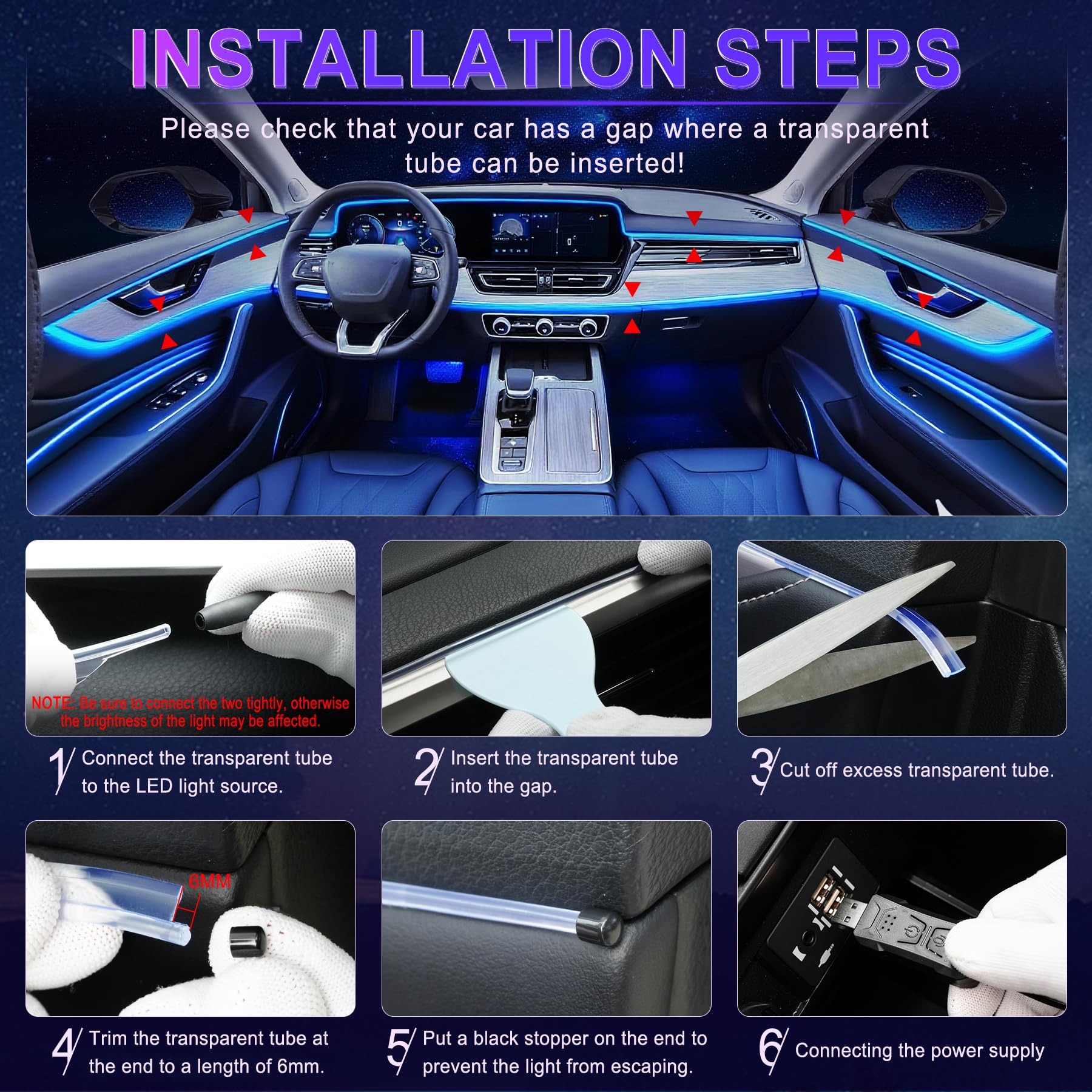
To install LED lights, you need to connect the wiring, secure the LED units, and test the lights. Follow these steps for a safe and neat installation.
Connecting The Wiring
Start by disconnecting the car battery to avoid shocks. Find the power source for your existing lights or the fuse box.
Use wire connectors or solder to join the LED wires to the power wires. Make sure the connections are tight and insulated with electrical tape.
- Disconnect car battery before starting
- Locate power source or fuse box
- Connect LED wires to power wires securely
- Use electrical tape to insulate connections
Securing The Led Units
Place the LED units where you want them on your car. Clean the surface first to help the lights stick better.
Use screws, clips, or strong double-sided tape to attach the LED units firmly. Make sure they do not move when the car drives.
- Clean the mounting area
- Use screws or clips for strong hold
- Double-sided tape works for smooth surfaces
- Check for any loose parts after securing
Testing The Lights
Reconnect the car battery to power the lights. Turn on the car lights or the switch to check if the LEDs light up.
Look for any flickering or spots that do not light. Fix loose wires or adjust the LED units if needed.
- Reconnect car battery
- Turn on lights or switch
- Check for full illumination
- Fix any loose wiring or units
Adjusting And Finalizing
After installing LED lights in your car, adjusting and finalizing is very important. This step ensures your lights work well and keep you safe.
Proper adjustment helps you see clearly without blinding other drivers. Final checks make sure everything fits and works correctly.
Aligning The Lights For Optimal Visibility
Align the LED lights so the beams shine where you need them. This improves your vision on the road, especially at night.
Check the angle of the lights by parking your car near a wall. Adjust the lights to avoid shining too high or too low.
- Turn on the LED lights and park 25 feet from a flat wall
- Mark the center of each light beam on the wall with tape
- Adjust the lights to match the height of your car’s center
- Make small turns on the adjustment screws to move beams up or down
- Test by driving and make final tweaks if needed
Reassembling Components
After adjusting the lights, put all parts back in place carefully. This protects your lights and keeps your car looking good.
Check each component for a tight fit. Loose parts can cause damage or make the lights stop working.
- Replace any covers or trims removed during installation
- Secure screws and clips firmly but do not overtighten
- Reconnect any electrical connectors you unplugged
- Double-check all parts to ensure nothing is loose
- Clean the lights and surrounding areas before finishing
Maintaining Led Lights
LED lights in your car provide bright and efficient lighting. To keep them working well, regular maintenance is key.
Proper care will ensure your LED lights last a long time. Follow these tips to keep them shining brightly.
Cleaning Tips
Cleaning your LED lights regularly is important. Dust and dirt can reduce their brightness.
Use a soft cloth to wipe the lights gently. Avoid harsh chemicals that could damage the surface.
- Turn off lights before cleaning
- Use mild soap and water
- Dry with a clean cloth
Troubleshooting Common Issues
Sometimes, LED lights may flicker or not turn on. Checking connections can help solve these issues.
Ensure all wires are properly connected. If a light is still not working, it might be a faulty bulb.
- Check for loose connections
- Inspect the fuse
- Replace faulty bulbs
Credit: www.amazon.sa
Frequently Asked Questions
How Do I Install Led Lights In My Car?
To install LED lights, disconnect the car battery first. Next, remove existing bulbs carefully. Insert the LED bulbs into the sockets and secure them. Reconnect the battery and test the lights to ensure proper function.
Are Led Lights Better Than Traditional Car Bulbs?
Yes, LED lights use less energy and last longer. They provide brighter and clearer illumination, enhancing driving safety. LEDs generate less heat, reducing wear on fixtures. They also improve your car’s aesthetic appeal with modern lighting.
Can I Install Led Lights Myself Or Need A Professional?
Many LED light installations are DIY-friendly with basic tools. However, complex wiring or custom setups may require a professional. Always follow your car’s manual and LED instructions. Safety first: disconnect the battery before starting any electrical work.
Will Led Lights Affect My Car’s Electrical System?
Properly installed LED lights usually don’t affect the electrical system. LEDs draw less power, reducing strain on the battery and alternator. Use compatible LED models to avoid flickering or error codes. If unsure, consult a professional technician.
Conclusion
Installing LED lights in your car brings many benefits. They use less power and last longer than regular bulbs. LED lights improve your car’s look and make driving safer at night. The installation process is simple and does not take much time.
Choose the right LED lights that fit your car model. Proper installation ensures better performance and avoids problems. Enjoy brighter, clearer lighting that helps you see the road well. Upgrade your car’s lighting with LED lights for a smart, cost-effective change.







