
When you’re working on your car, your hands and eyes are your most valuable tools. But have you ever stopped to think about how easily they can get injured?
Gloves and goggles aren’t just extra gear—they are your first line of defense against cuts, burns, and harmful debris. Protecting yourself isn’t just smart; it’s essential to keep you safe and confident while you fix, tweak, or upgrade your vehicle.
Keep reading to discover why these simple safety items can make all the difference in your car repair work—and how they help you avoid painful mistakes you’ll want to steer clear of.

Credit: safetyculture.com
Role Of Gloves In Car Repair
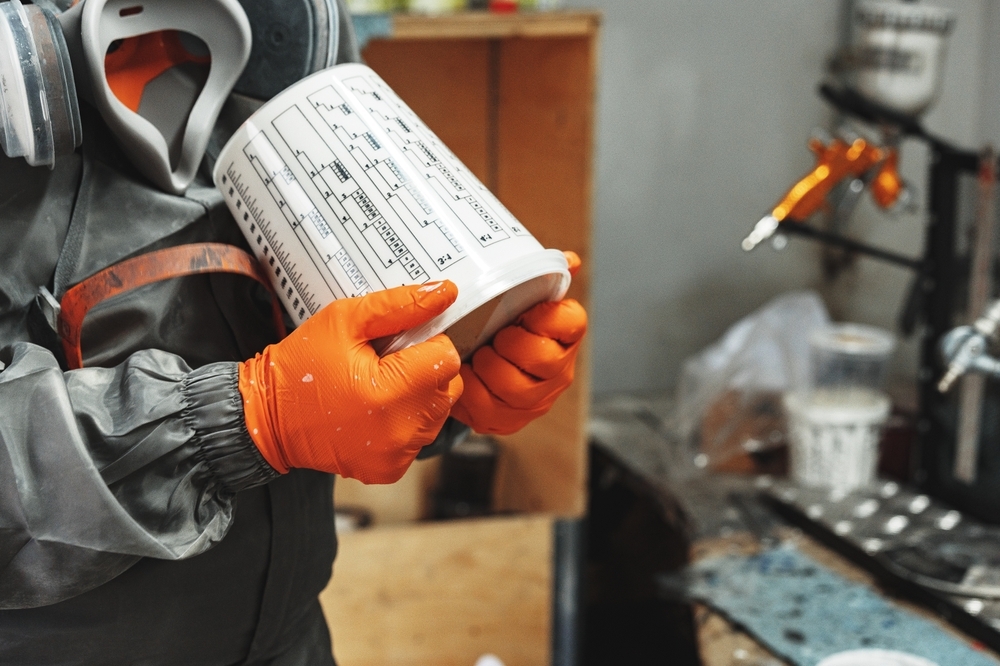
Gloves are an important part of safety gear in car repair. They protect hands from many risks.
Using gloves helps mechanics work better and stay safe. They prevent injuries and keep hands clean.
Protection From Cuts And Abrasions
Car repair involves sharp tools and metal parts. Gloves protect hands from cuts and scrapes.
Good gloves reduce the chance of painful injuries while handling car parts or tools.
Chemical Resistance
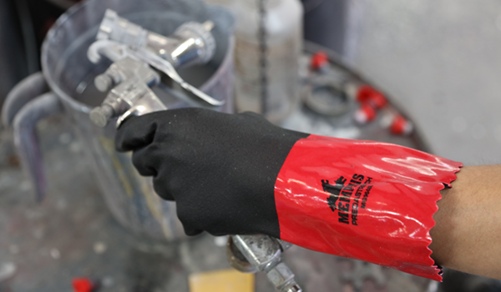
Mechanics work with oils, fuels, and cleaning chemicals. Gloves stop these harmful substances from touching skin.
Chemical-resistant gloves keep hands safe from burns and irritation caused by strong liquids.
Enhanced Grip And Dexterity
Gloves improve grip on slippery or oily parts. This helps prevent accidents and drops.
They also allow fine hand movements. This makes it easier to handle small tools and parts.
Credit: www.mcrsafety.com
Benefits Of Wearing Goggles
Wearing goggles during car repair keeps your eyes safe. They protect against many dangers in the workshop.
Goggles help you work with less risk of eye injury. They make your work safer and more comfortable.
Shielding Eyes From Debris
Car repair often creates flying dust and small particles. These bits can easily hurt your eyes.
Goggles form a barrier that stops debris from hitting your eyes. This helps prevent scratches and injuries.
- Protects against metal shavings
- Blocks dust and dirt particles
- Prevents wood or plastic chips
Guarding Against Chemical Splashes
Car repair uses many chemicals like oils and cleaners. These liquids can splash and harm your eyes.
Goggles keep chemicals from reaching your eyes. This lowers the risk of burns and irritation from splashes.
- Blocks oil and grease splashes
- Protects from strong cleaners
- Prevents eye contact with solvents
Reducing Eye Strain
Bright lights and sparks can tire your eyes during car repair. Goggles reduce glare and harsh light.
Wearing goggles helps keep your eyes comfortable. This lets you focus better and work longer without strain.
Types Of Gloves Suitable For Car Repair
Wearing gloves is important in car repair. They protect your hands from cuts and chemicals.
Different gloves offer different types of protection. Choose gloves that fit the job well.
Nitrile Gloves
Nitrile gloves are made from synthetic rubber. They protect hands from oils and chemicals.
These gloves are good for tasks that need precision. They fit tightly and feel like skin.
- Resistant to oils and solvents
- Good for handling small parts
- Disposable and easy to replace
Leather Gloves
Leather gloves protect against cuts and burns. They are strong and last a long time.
These gloves work well for heavy tasks. They give good grip and protect from sharp edges.
- Durable and tough
- Protects from heat and sparks
- Good for handling rough parts
Mechanic Gloves
Mechanic gloves combine comfort and protection. They have padded palms and flexible fingers.
These gloves help protect hands during long work. They reduce hand fatigue and improve grip.
- Padded for extra comfort
- Flexible for easy movement
- Protects from cuts and bruises
Choosing The Right Goggles
Protecting your eyes during car repair is very important. Goggles shield your eyes from dust, chemicals, and flying debris. Choosing the right pair of goggles ensures safety and comfort while you work.
Not all goggles offer the same protection or fit. Look for features that match your needs to stay safe and focused on your tasks.
Safety Standards To Look For
Check that your goggles meet recognized safety standards. These standards ensure the goggles can resist impact and chemicals. Look for marks like ANSI Z87.1 or EN166 on the goggles.
- ANSI Z87.1: Protects against high impact and splashes
- EN166: European standard for eye protection
- UV Protection: Shields eyes from harmful ultraviolet rays
- Chemical Resistance: Guards against harmful liquids and fumes
Comfort And Fit
Goggles should fit snugly but not feel tight. Comfortable goggles allow longer use without pain or slipping. Look for adjustable straps and soft seals around the eyes.
| Feature | Benefit |
| Adjustable Strap | Fits different head sizes securely |
| Soft Eye Seal | Prevents pressure marks and discomfort |
| Lightweight Frame | Reduces fatigue during long repairs |
Anti-fog And Ventilation Features
Fogged goggles block vision and can be dangerous. Choose goggles with anti-fog coatings or ventilation systems. These features keep your view clear and reduce sweat build-up.
- Look for lenses with anti-fog coating
- Choose goggles with side vents for airflow
- Use anti-fog sprays if coatings wear off
Common Hazards In Car Repair
Car repair work involves many risks. Workers face dangers that can cause injuries.
Using gloves and goggles helps protect against these hazards. Knowing the risks is important.
Sharp Objects And Tools
Many tools in car repair have sharp edges. These can cut or puncture skin easily.
- Wrenches and screwdrivers
- Metal sheets and car parts
- Broken glass from windows or lights
- Cutting tools like knives and blades
Wearing gloves reduces cuts. Goggles protect eyes from flying sharp pieces.
Chemical Exposure
Car repair uses many chemicals. Some cause skin burns or eye damage.
| Chemical | Risk | Protection Needed |
| Brake fluid | Skin irritation | Gloves, goggles |
| Battery acid | Severe burns | Heavy gloves, goggles |
| Paint fumes | Eye and lung irritation | Goggles, mask |
| Solvents | Skin dryness | Gloves |
Gloves and goggles block chemicals from touching skin and eyes. Use them every time.
Flying Particles
Grinding, sanding, and hammering create flying debris. Small pieces can hit eyes.
Common flying particles include:
- Metal shavings
- Rust flakes
- Dust and dirt
- Paint chips
Goggles shield eyes from these particles. Gloves protect hands from scratches and cuts.
Maintaining And Caring For Safety Gear
Gloves and goggles are essential for car repair work. They protect your hands and eyes from harmful substances and debris. Keeping this safety gear in good condition is crucial for your protection.
Proper maintenance ensures your gloves and goggles last longer. It also keeps them effective at protecting you during repairs. Let’s explore how to clean, store, and know when to replace your gear.
Cleaning Gloves And Goggles
Regular cleaning keeps your safety gear effective. Dirt and grime can degrade materials over time.
- Wash gloves with mild soap and water. Dry them thoroughly.
- Use a soft cloth to clean goggles, avoiding scratches.
- Store them in a clean, dry place after cleaning.
Storage Tips
Proper storage extends the life of your gloves and goggles. It also keeps them ready for use.
- Keep gloves away from direct sunlight to prevent material damage.
- Use a dedicated case for goggles to avoid scratches.
- Ensure storage areas are free from dust and moisture.
When To Replace Gear
Knowing when to replace your gear is important for safety. Worn-out gear can compromise your protection.
| Gear Type | Signs to Replace |
| Gloves | Holes, tears, or thinning material |
| Goggles | Scratches, cracks, or fogging |
Regular checks ensure your safety gear is in good condition. Replace any damaged items immediately.
Boosting Workplace Safety Culture
Gloves and goggles are key in car repair safety. They protect workers from injuries. Promoting their use boosts the safety culture.
Using safety gear consistently can prevent accidents. It also encourages a safe environment for everyone.
Encouraging Consistent Gear Use
Consistent use of gloves and goggles is crucial in car repair. It helps in minimizing risks associated with sharp tools and chemicals.
- Always wear gloves when handling sharp objects.
- Use goggles to protect eyes from debris.
- Ensure gear fits properly for effective protection.
Training And Awareness
Training workers on safety gear use enhances awareness. It helps them understand the importance of protection in their daily tasks.
| Type of Gear | Purpose |
| Gloves | Protect hands from cuts and chemicals |
| Goggles | Shield eyes from flying debris |
Employer Responsibilities
Employers must ensure that safety gear is available. They should also enforce rules regarding its use among employees.
Credit: www.mcrsafety.com
Frequently Asked Questions
Why Are Gloves Essential In Car Repair?
Gloves protect your hands from cuts, chemicals, and dirt. They improve grip and reduce the risk of injury. Wearing gloves ensures safety and hygiene during car repairs, making the work more efficient and comfortable.
How Do Goggles Protect Eyes In Car Repair?
Goggles shield your eyes from dust, debris, and harmful chemicals. They prevent serious eye injuries caused by flying particles. Proper eye protection is crucial for maintaining clear vision and avoiding accidents during repairs.
Can Gloves And Goggles Prevent Common Car Repair Injuries?
Yes, gloves and goggles significantly reduce injuries like cuts, burns, and eye damage. They form a protective barrier against hazards in the workshop. Using both is a simple, effective way to enhance safety during car maintenance.
What Materials Are Best For Car Repair Gloves?
Nitrile and latex gloves offer excellent chemical resistance and flexibility. Leather gloves provide strong protection against cuts and abrasions. Choosing the right glove material depends on the specific repair task and hazards involved.
Conclusion
Wearing gloves and goggles protects your hands and eyes from harm. Car repair can cause cuts, burns, and eye injuries. Gloves keep dirt and chemicals off your skin. Goggles stop dust, sparks, and fluids from getting into your eyes. Safety gear helps you work with confidence and avoid accidents.
Small actions like wearing gloves and goggles make a big difference. Stay safe and take care of your body every time you fix a car. Safety is always worth the effort.







