
Have you ever dropped a tiny screw or nail into a hard-to-reach spot and felt stuck? Losing small metal parts can be frustrating and waste your valuable time.
That’s where a magnetic pickup tool comes in. This simple device can save you from endless searching and make your projects smoother. You’ll learn exactly how to use a magnetic pickup tool to grab those tricky items quickly and easily.
Keep reading, and you’ll never have to worry about losing metal pieces again.

Credit: www.amazon.ca
Magnetic Pickup Tool Basics
A magnetic pickup tool helps you grab small metal items. It uses a magnet to pick things up.
This tool is useful in workshops, homes, and garages. It saves time and effort in finding metal parts.
What Is A Magnetic Pickup Tool
A magnetic pickup tool is a small device with a magnet at the end. It attracts and holds metal objects.
It often has a handle or telescoping shaft to reach tight spaces. This makes it easy to pick up dropped screws or nails.
Types Of Magnetic Pickup Tools
There are different kinds of magnetic pickup tools. Each one fits different tasks and needs.
- Fixed magnet tools:Simple sticks with a magnet at the end.
- Telescoping tools:Extendable rods to reach deep or hard spots.
- Flexible shaft tools:Bendable shafts to access curved or awkward spaces.
- Magnetic pickups with lights:Tools that include a small light to see better.
Common Uses And Applications
Magnetic pickup tools help find and collect metal items fast. They work in many places.
- Picking up screws, nails, and bolts from the floor.
- Retrieving metal parts from engine compartments.
- Grabbing dropped tools or washers in tight spaces.
- Cleaning metal debris from work areas safely.

Credit: www.amazon.ca
Choosing The Right Tool
Picking the right magnetic pickup tool makes your job easier. The tool must fit your needs and tasks.
Look at different parts of the tool before buying. Focus on magnet strength, handle design, and extra features.
Magnet Strength And Size
Magnet strength decides how well the tool picks up metal items. Stronger magnets lift heavier objects.
Size matters too. Larger magnets cover more area but can be hard to use in tight spaces.
- Strong magnets hold bigger metal pieces
- Small magnets work better in narrow spots
- Choose strength based on the items you handle
Handle Design And Length
The handle should be comfortable to hold for long times. A good grip reduces hand fatigue.
Length helps reach deep or hard spots. Longer handles reach farther but may be less steady.
- Look for rubber or textured grips
- Choose handle length based on reach needed
- Balance length with tool control
Additional Features To Consider
Extra features can improve tool use. Think about folding parts, LED lights, or flexible shafts.
These features help you pick up items in dark or tight areas more easily.
- LED lights show where the magnet is
- Flexible shafts reach around corners
- Foldable handles make storage easy
Preparing For Retrieval
Using a magnetic pickup tool helps you retrieve small metal objects easily. Getting ready before you start ensures a safe and smooth process.
Follow these key steps to prepare yourself and the area for retrieval.
Safety Precautions
Always protect yourself by wearing safety gear. Metal objects can have sharp edges or be dirty. Avoid injury by being careful and alert.
- Wear gloves to protect your hands
- Use safety glasses to shield your eyes
- Keep the tool away from electronic devices
- Check for any power lines or live wires nearby
Clearing The Area
Make sure the area around you is clean and free of obstacles. This prevents accidents and helps you move the tool easily.
- Remove clutter and loose items
- Clear any liquids that might cause slipping
- Ensure good lighting to see clearly
- Keep pets and children away
Inspecting The Object And Surface
Look closely at the metal object and the surface it rests on. This helps you plan how to retrieve it safely without damage.
| Aspect | What to Check |
|---|---|
| Object size | Is it small enough for the tool to hold? |
| Object shape | Is it smooth or jagged? Jagged edges can hurt. |
| Surface type | Is the surface flat or uneven? This affects tool use. |
| Object stability | Is the object stuck or loose? Stuck objects need care. |
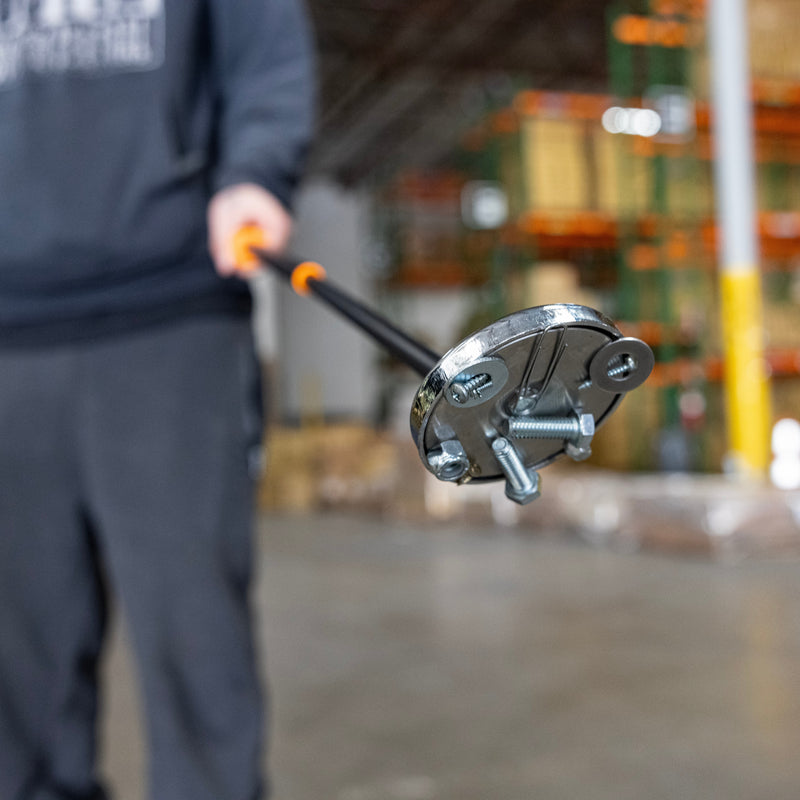
Credit: neikotools.com
Effective Retrieval Techniques
The magnetic pickup tool helps you retrieve metal objects that are hard to reach. Using it correctly saves time and effort.
Learn how to position the tool, reach tight spaces, and handle different items carefully for best results.
Positioning The Tool
Hold the magnetic pickup tool steady and aim the magnet directly at the metal object. Keep your hand firm to avoid dropping items.
- Align the magnet with the center of the object.
- Move slowly to prevent the object from swinging.
- Keep the tool close to the surface for better attraction.
Approaching Hard-to-reach Areas
Use a tool with an extendable shaft to reach narrow or deep spaces. Avoid forcing the tool where it does not fit.
| Technique | Description |
| Slow Insertion | Insert the tool gently to avoid snagging. |
| Adjust Angle | Change the tool angle to reach around corners. |
| Use Light | Shine a flashlight to see the object clearly. |
Handling Heavy Or Fragile Items
Magnetic tools can pull heavy or delicate items. Use the right technique to avoid damage or dropping the item.
- Check the weight of the item before lifting.
- Grip the item steadily with the magnet.
- Lift slowly and keep the tool close to your body.
- For fragile items, move the tool gently to prevent shaking.
- Place the item on a soft surface after retrieval.
Maintaining Your Magnetic Tool
Keeping your magnetic pickup tool in good shape helps it work well. Regular care stops damage and extends its life.
Follow simple steps to clean, check, and fix your tool. This way, it stays strong and reliable.
Cleaning And Storage Tips
Clean your magnetic pickup tool after each use. Dirt and metal bits can reduce its strength.
Store the tool in a dry, cool place. Avoid storing near electronics or other magnets.
- Wipe the magnet with a soft cloth
- Remove any metal debris stuck on the magnet
- Keep the tool in a protective case or pouch
- Do not drop or hit the tool to avoid damage
Checking Magnet Strength
Test the magnet regularly to make sure it still holds metal objects well. Weak magnets need attention.
Try picking up small metal parts like screws or nails. If it struggles, the magnet may be weak or dirty.
- Pick up a metal object to test the grip
- Check if the tool holds objects firmly without slipping
- Repeat the test after cleaning the magnet
Troubleshooting Common Issues
If your magnetic tool stops working well, check for metal stuck on the magnet. This can block its strength.
Sometimes the magnet can become demagnetized. This happens if it is dropped or exposed to strong heat.
- Remove any metal debris carefully
- Avoid dropping the tool or hitting it hard
- Do not expose the magnet to heat or strong magnets
- Replace the tool if magnet strength is permanently lost
Creative Uses Beyond Retrieval
A magnetic pickup tool is more than a device to grab dropped items. It can serve multiple creative purposes. Explore its uses beyond simple retrieval.
Organizing Small Metal Items
Keep your workspace tidy by using a magnetic pickup tool. It helps collect scattered metal pieces.
| Item | Location |
| Nails | Toolbox |
| Screws | Drawer |
| Paper Clips | Desk |
Diy Projects And Hacks
Enhance your DIY projects with innovative uses of a magnetic pickup tool. It can assist in various creative tasks.
- Hold small metal parts while gluing
- Retrieve fallen screws from tight spots
- Organize metal tools on a magnetic board
Using In Workshops And Garages
In workshops and garages, the tool becomes essential. It helps in managing and cleaning up metal debris efficiently.
Consider attaching a magnet to a stick for extended reach. This hack is perfect for high shelves.
Frequently Asked Questions
What Is A Magnetic Pickup Tool Used For?
A magnetic pickup tool retrieves small metal objects in hard-to-reach places. It saves time and effort in workshops, garages, and homes. It’s ideal for picking up screws, nails, and bolts without manual searching.
How Do I Use A Magnetic Pickup Tool Safely?
Hold the tool firmly and approach the metal object slowly. Avoid strong magnets near electronics to prevent damage. Clean the tool after use to maintain its magnetic strength and ensure safe handling.
Can A Magnetic Pickup Tool Pick Up Non-metal Items?
No, a magnetic pickup tool only attracts ferrous metals. It cannot pick up plastic, wood, or other non-metal materials. Use it exclusively for metal objects like screws, nails, and small tools.
What Are The Benefits Of Using A Magnetic Pickup Tool?
It increases efficiency by quickly retrieving metal items from tight spaces. It reduces the risk of injury from sharp objects. The tool also minimizes lost parts and keeps your workspace organized.
Conclusion
Using a magnetic pickup tool saves time and effort. It helps retrieve metal items from hard-to-reach places. Always check the tool’s strength before use. Keep it clean to maintain good performance. This simple tool makes small tasks easier every day.
Try it next time you drop screws or nails. You will see how handy it can be. A magnetic pickup tool belongs in every toolbox.







