
When you pick up a wrench, do you ever wonder which type is right for your job? Understanding the difference between open end and box end wrenches can save you time, effort, and frustration.
Whether you’re fixing a bike, working on your car, or tackling a DIY project, knowing which wrench to use can make all the difference. You’ll discover how each wrench works, their unique benefits, and when to choose one over the other.
Keep reading, and you’ll never struggle with the wrong tool again.
Open End Wrenches
Open end wrenches are hand tools used to tighten or loosen nuts and bolts. They have a simple design that fits around fasteners with two flat jaws.
This type of wrench is common in many toolkits because it is easy to use and works in tight spaces.
Design And Structure
Open end wrenches have a U-shaped opening at each end. The openings are usually different sizes on each end to fit various fasteners.
| Feature | Description |
| Shape | U-shaped jaws with flat sides |
| Ends | Two open ends with different sizes |
| Material | Usually made of steel or alloy |
| Length | Varies from small to long handles |
Common Uses
Open end wrenches fit fasteners that are easy to reach. They work well in tight spaces where other wrenches might not fit.
- Loosening or tightening nuts and bolts
- Working on plumbing fixtures
- Automotive repairs in confined areas
- Assembly of furniture and machinery
Advantages And Limitations
Open end wrenches offer quick grip and easy turning of fasteners. They slide on and off easily without turning the wrench around.
- Advantages:Fast to use, fits many sizes, good for tight spots
- Limitations:Less grip strength than box end wrenches, can slip off rounded fasteners
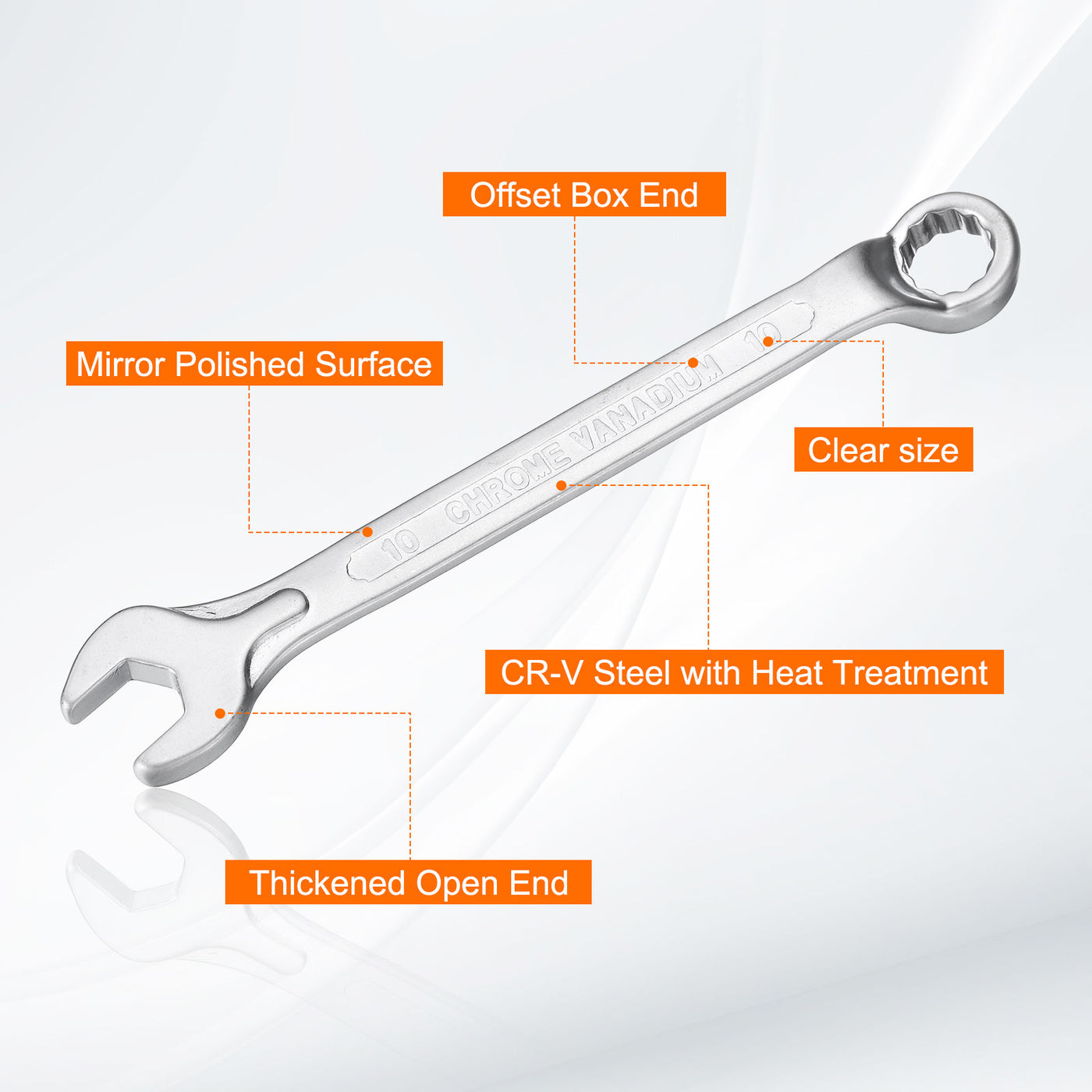
Credit: www.harfington.com
Box End Wrenches
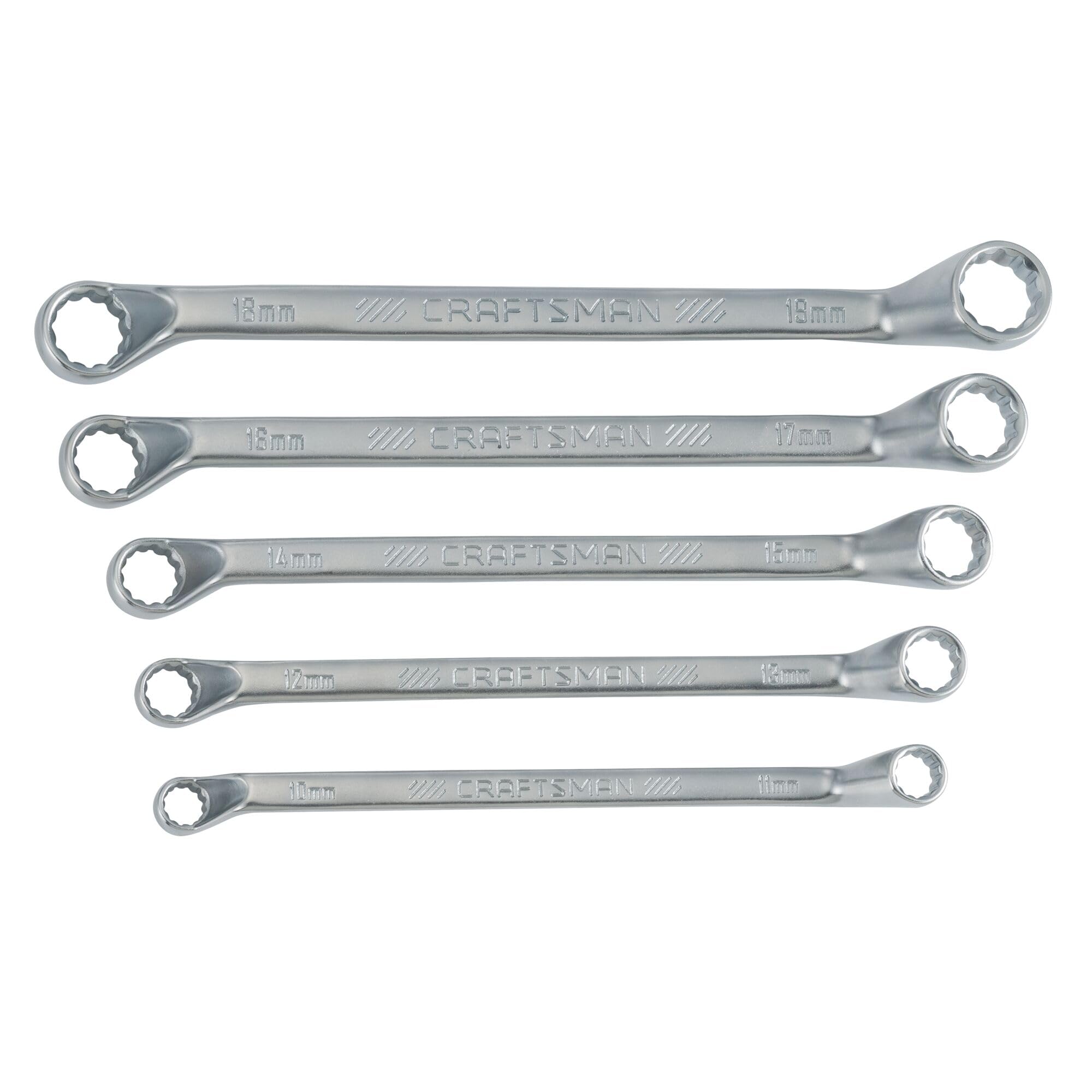
Box end wrenches have a closed loop at one or both ends. They fit tightly around nuts and bolts. This design helps apply strong torque without slipping.
These wrenches come in many sizes and shapes. They are common tools in homes and workshops for many tasks.
Design And Structure
The box end wrench has a ring-shaped end that fits over fasteners. This ring usually has 6 or 12 points inside.
- The closed loop grips all sides of the fastener.
- It reduces the chance of slipping or rounding the bolt.
- The wrench is often angled to reach tight spaces.
- Materials are usually strong steel to resist bending.
Common Uses
Box end wrenches are used to tighten or loosen nuts and bolts. They work well in tight places where a good grip is needed.
| Task | Why Use Box End Wrench |
| Automotive repair | Strong grip prevents slipping on bolts |
| Plumbing | Fits tight spaces and hard-to-reach nuts |
| Machine assembly | Applies even torque to fasteners |
| Home repairs | Durable and easy to handle |
Advantages And Limitations
Box end wrenches offer many benefits but also have some limits.
- Advantages:
- Strong grip on fasteners reduces slipping.
- Good for tight or awkward spaces.
- Less damage to nuts and bolts.
- Durable and long-lasting tool.
- Limitations:
- Can be slower to position than open end wrenches.
- Not good for very tight spots where wrench can’t fit.
- Fixed size means you need several wrenches for different bolts.
Key Differences
Open end and box end wrenches are common hand tools. They help to turn nuts and bolts. Each type has unique features and uses.
Understanding their differences helps you pick the right wrench for your task. This guide explains the key differences clearly.
Grip And Contact Area
Open end wrenches have a U-shaped opening. They grip only two sides of a bolt or nut. Box end wrenches surround the bolt completely.
Box end wrenches provide a better grip. They reduce slipping and rounding of fasteners. Open end wrenches allow quicker placement but less contact.
- Open end grips two flat sides
- Box end grips all sides of fastener
- Box end reduces fastener damage
- Open end fits faster but less secure
Accessibility And Reach
Open end wrenches are slim and fit into tight spaces easily. They work well where you cannot fully encircle the bolt.
Box end wrenches need more space because they wrap around the fastener. They are harder to use in narrow spots but better for full grip.
- Open end fits narrow spaces
- Box end needs more room
- Open end good for quick adjustments
- Box end best for full turn without slipping
Torque Application
Box end wrenches apply torque evenly around the fastener. This helps to tighten or loosen bolts firmly without damage.
Open end wrenches apply torque on two sides only. This can cause slipping or rounding if too much force is used.
- Box end applies even torque
- Open end applies torque on two sides
- Box end reduces fastener damage
- Open end may slip under high torque
Versatility And Size Options
Open end wrenches come in many sizes and often have two different sizes on each end. This makes them versatile for various bolts.
Box end wrenches usually have one size per wrench end. They are less flexible but offer a stronger grip on the fastener.
- Open end often has two sizes per wrench
- Box end usually one size per end
- Open end better for quick changes
- Box end better for strong grip
Choosing The Right Wrench
Open end and box end wrenches serve different purposes. Knowing their differences helps you pick the right tool.
This guide covers task needs, material strength, and comfort to help you decide which wrench to use.
Task Requirements
Open end wrenches are good for quick turning and working in tight spaces. Box end wrenches offer better grip and less chance to slip.
- Use open end wrenches for fast adjustments
- Choose box end wrenches for strong, secure grip
- Open end fits easily on nuts in narrow spots
- Box end surrounds the nut for full contact
Material And Durability
Most wrenches are made from steel. Some have coatings to resist rust and wear.
| Wrench Type | Material | Durability |
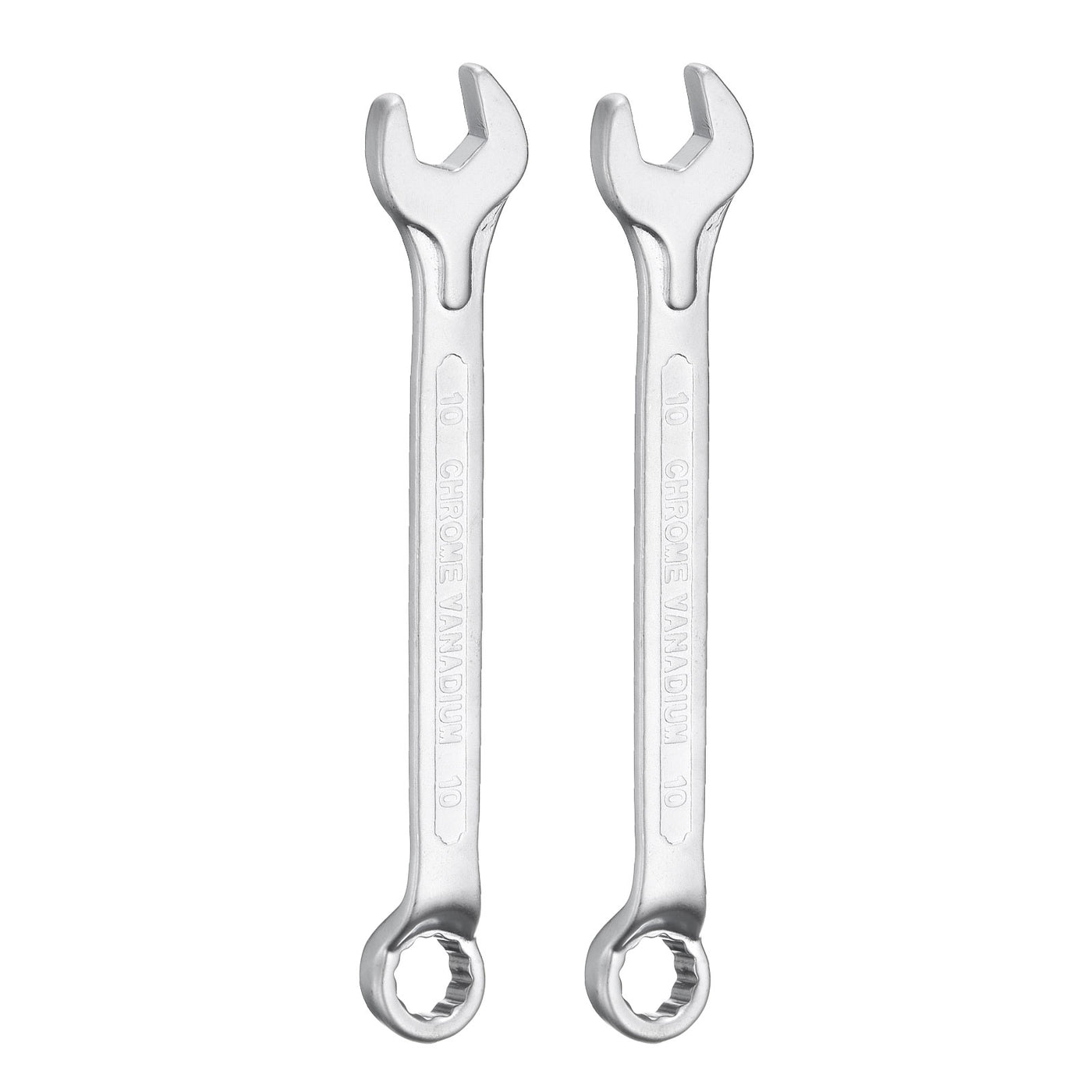
| Open End | Chrome Vanadium Steel | Good for light to medium tasks |
| Box End | Chrome Vanadium Steel | Stronger for heavy use |
Ergonomics And Comfort
Comfort matters for long jobs. Handle design and grip affect how easy it is to use the wrench.
Key ergonomic features to consider:
- Handle shape that fits your hand
- Non-slip grips for safety
- Weight that suits your strength
- Length that gives good leverage
Maintenance Tips
Open end and box end wrenches need care to last long. Proper maintenance keeps them working well.
Simple steps like cleaning and checking help avoid damage and improve performance.
Cleaning And Storage
Clean wrenches after each use. Dirt and grease can cause rust and wear.
Store tools in a dry place. Use a toolbox or drawer to keep them safe.
- Wipe tools with a clean cloth
- Use mild soap and water if very dirty
- Dry tools completely before storing
- Keep them away from moisture
Inspection For Wear
Check wrenches regularly for signs of wear. Look for rounded edges or cracks.
Replace any damaged wrench to avoid slipping and injury.
- Look at jaws for wear or damage
- Check handle for bends or cracks
- Test fit on bolts to ensure grip
Extending Tool Life
Use the right wrench size for each bolt or nut. This prevents damage to the tool.
Do not use wrenches as hammers or pry bars. Use them only for turning fasteners.
- Apply steady pressure when turning
- Store tools properly after use
- Keep them clean and dry
- Inspect often and repair or replace as needed
Credit: www.amazon.com
Credit: www.harfington.com
Frequently Asked Questions
What Is The Main Difference Between Open End And Box End Wrenches?
Open end wrenches have a U-shaped opening for quick use. Box end wrenches fully encircle nuts or bolts for better grip and torque. The box end provides more contact, reducing slippage and rounding of fasteners.
When Should I Use An Open End Wrench?
Use open end wrenches for fast adjustments in tight spaces. They allow easier placement on fasteners and quick turning. However, they provide less grip compared to box end wrenches.
Are Box End Wrenches Better For Heavy-duty Tasks?
Yes, box end wrenches offer a stronger grip and more torque. They reduce the risk of rounding bolts during heavy-duty tasks. This makes them ideal for tougher jobs and stubborn fasteners.
Can I Use Both Wrenches Interchangeably?
You can, but each wrench suits specific tasks. Open end wrenches are faster for loose fasteners. Box end wrenches provide better control and are safer for tight or stuck bolts.
Conclusion
Open end and box end wrenches serve different purposes. Open end wrenches fit quickly on nuts and bolts. Box end wrenches provide a stronger grip and less slip. Both tools are useful for various jobs. Choosing the right wrench makes work easier and safer.
Keep both types in your toolbox for flexibility. Simple tools, big difference.







