
Your safety on the road starts with your tires, and one of the most important things you need to know is how much tread they have left. Worn-out tires can lead to poor grip, longer stopping distances, and even dangerous accidents.
But how can you quickly and accurately check your tire tread depth? You’ll discover simple tools and easy steps to measure your tire tread like a pro. By the end, you’ll feel confident that your tires are safe or know exactly when it’s time to replace them.
Keep reading—your safety depends on it.
Credit: www.toyotaofnorthcharlotte.com
Why Tire Tread Depth Matters
Tire tread depth is the measure of the grooves on your tires. It helps your tires grip the road. Checking tread depth keeps you safe and improves driving.
Using tools to check tread depth is easy. It shows if your tires need replacing. This prevents accidents and saves money.
Safety And Performance
Tires with good tread hold the road better. They stop your car faster on wet or slippery roads. This lowers the chance of crashes.
Worn tires can cause your car to slide or hydroplane. Deep tread helps water escape from under the tire. This keeps your car stable and safe.
- Better control in rain and snow
- Shorter stopping distances
- Improved handling on curves
Legal Requirements
Most places have laws for minimum tire tread depth. Driving with worn tires can lead to fines. It also can fail safety inspections.
These laws protect drivers and passengers. They help keep roads safer for everyone. Check your tread depth to meet legal rules.
- Minimum tread depth is often 2/32 inch (1.6 mm)
- Some areas require more for winter tires
- Regular checks keep you legal and safe
Signs Of Worn Tread
You can spot worn tires by simple signs. Tires may look flat or smooth in places. Uneven wear can also show a problem.
Other signs include longer stopping distances and loss of grip. If you notice these, check your tread depth with tools.
- Tread grooves look shallow or close to the surface
- Visible tread wear bars across the tire
- Car feels unstable or slides easily
Credit: www.walmart.com
Common Tools For Measuring Tread
Measuring tire tread depth is important for safe driving. There are several simple tools you can use to check your tires.
Each tool helps you see how much tread is left. This guide explains three common methods.
Tread Depth Gauge
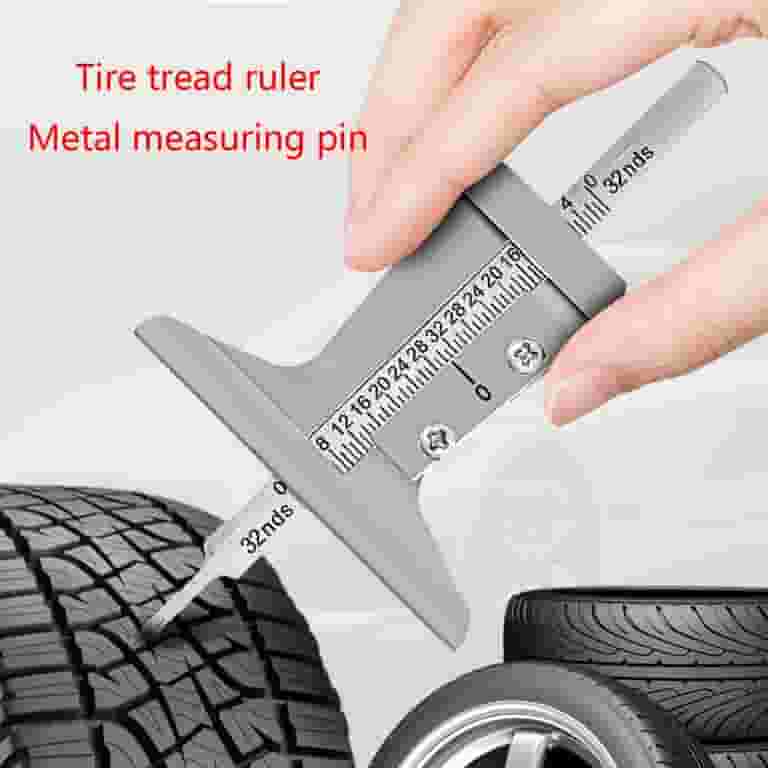
A tread depth gauge is a small tool made for measuring tire tread. It shows exact depth in millimeters or 32nds of an inch.
- Insert the probe into the tread groove.
- Press the gauge base flat against the tire.
- Read the measurement on the scale.
- Repeat on several spots around the tire.
Penny Test
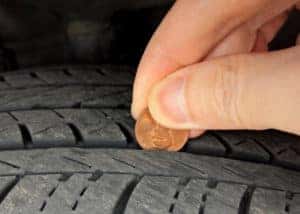
The penny test uses a common coin to check tread depth. It is a quick and easy method without special tools.
| Step | Action |
|---|---|
| 1 | Insert a penny into the tire tread with Lincoln’s head down. |
| 2 | Check if the top of Lincoln’s head is covered by the tread. |
| 3 | If you see the head fully, tread is less than 2/32 inches and needs replacement. |
Quarter Test
The quarter test is similar to the penny test. It gives a little more tread depth for safety.
- Place a quarter into the tread groove with Washington’s head upside down.
- Look at how much of Washington’s head is covered by the tread.
- If the tread covers part of the head, your tires have at least 4/32 inch of tread left.
- If not, consider getting new tires soon for better grip.
Using A Tread Depth Gauge
Checking your tire tread depth is important for safe driving. A tread depth gauge helps you measure how much tread is left on your tires.
Using this tool is easy and gives you accurate results. It helps you know when it is time to replace your tires.
Selecting The Right Gauge
Choose a tread depth gauge that is easy to read and use. There are different types like digital, dial, and stick gauges.
Pick one with clear markings and a sturdy design. A good gauge will last long and give precise measurements.
- Digital gauges show numbers on a screen
- Dial gauges have a needle that points to depth
- Stick gauges slide into the tread grooves
Step-by-step Measurement
First, clean the tire tread to remove stones or dirt. This makes the reading more accurate.
Insert the gauge probe into the deepest tread groove. Push it down until the base touches the tire.
- Place the gauge straight into the groove
- Press the gauge until it stops moving
- Read the measurement on the gauge
- Repeat on different parts of the tire
Interpreting Results
Tire tread depth is measured in 32nds of an inch or millimeters. New tires usually have 10/32″ to 12/32″ tread depth.
If the tread depth is 2/32″ or less, the tire is unsafe and must be replaced. Some experts suggest replacing tires at 4/32″ for better safety.
- Above 6/32″: Good tread for safe driving
- 4/32″ to 6/32″: Consider replacing soon
- 2/32″ or less: Replace immediately

Credit: www.reddit.com
Penny And Quarter Methods
Checking tire tread depth is important for safe driving. You can use simple coins like a penny or a quarter to check the tread.
These coin tests help you see if your tires have enough tread to grip the road well. Both tests are easy and quick to do at home.
How The Penny Test Works
Use a penny to check tire tread depth by placing it into the tread grooves with Lincoln’s head down. If you see the top of Lincoln’s head, the tread is too shallow.
- Insert penny into the tread groove with Lincoln’s head facing down.
- If the tread covers part of Lincoln’s head, your tread is above 2/32 inch.
- If you can see all of Lincoln’s head, your tread is too low and tires should be replaced.
How The Quarter Test Works
The quarter test offers a slightly higher tread depth check than the penny test. Use a quarter with Washington’s head down in the tread grooves.
| Coin | Measurement | Meaning |
| Penny | 2/32 inch | Tread below this means tires need replacement |
| Quarter | 4/32 inch | Tread above this means better wet weather traction |
Place the quarter into the tread with Washington’s head pointing down. If the tread touches part of his head, the tread depth is at least 4/32 inch.
Limitations Of Coin Tests
Coin tests give a quick check but are not precise. They only show if tread depth is above or below certain points.
- They do not measure exact tread depth.
- Wear can be uneven across the tire.
- Coin size and placement affect results.
- Professional tools provide more accurate readings.
Digital Tools And Apps
Checking tire tread depth is important for safety. Digital tools and apps make this task easier.
These tools give quick, accurate readings. They help you know when to replace tires.
Smartphone Apps
Smartphone apps use your phone’s camera to measure tread depth. They guide you on how to check tires.
Apps often include easy instructions and reminders. Some apps show if your tires are still safe or need replacing.
- Use your phone camera to scan tire tread
- Follow on-screen guides for measurement
- Get instant results and safety alerts
- Set reminders to check tires regularly
Digital Tread Gauges
Digital tread gauges are small devices for measuring tire depth. They show results on a clear digital display.
These tools are easy to use. Just press the gauge into the tread grooves and read the number on the screen.
- Compact and portable device
- Measures depth in millimeters or inches
- Simple one-button operation
- Accurate and easy to read
Accuracy And Convenience
Digital tools give more precise results than manual methods. This helps keep your tires safer on the road.
Using apps or digital gauges saves time. They reduce guesswork and make checking tire tread simple for anyone.
- Quick and reliable measurements
- Easy for beginners to use
- Portable and user-friendly
- Improves vehicle safety
When To Replace Tires
Knowing when to replace your tires is important for safety. Worn tires can lead to accidents. Learn how to check your tire tread depth with simple tools.
This guide will help you understand when your tires need replacing. It covers tread depth thresholds, other signs to watch for, and the need for professional inspection.
Tread Depth Thresholds
Tread depth is a key factor in tire safety. It impacts how well your car grips the road. Use a penny or a tread depth gauge to measure this.
| Tread Depth | Action Needed |
| 1/16 inch or less | Replace tires immediately |
| 1/8 inch | Plan to replace soon |
| 1/4 inch | Safe, but monitor regularly |
Other Signs To Watch For
Besides tread depth, other signs indicate when to replace tires. Regular checks can prevent unexpected issues on the road.
- Cracks or cuts in the sidewall
- Bulges or blisters
- Excessive vibration while driving
Professional Inspection
A professional inspection ensures your tires are in top condition. Experts can spot issues you might miss. Make tire checks part of your regular vehicle maintenance.
Tips For Maintaining Tire Health
Keeping your tires in good condition is important for safe driving. Regular checks help prolong tire life.
Let’s explore some tips for maintaining tire health. This includes checking tread depth, proper inflation, and rotation.
Regular Checks
Regularly checking your tire tread depth is crucial. It ensures your tires have enough grip on the road.
- Use a tread depth gauge for accurate measurement.
- Check the tread depth once a month.
- Replace tires if tread is below 2/32 of an inch.
Proper Inflation
Proper tire inflation helps in maintaining fuel efficiency and safety. Under-inflated tires can lead to accidents.
Check your vehicle’s manual for the recommended PSI.
Always use a reliable pressure gauge.
Rotation And Alignment
Tire rotation and alignment help in even wear. This can extend the life of your tires.
| Task | Frequency |
| Tire Rotation | Every 6,000 miles |
| Wheel Alignment | Once a year |
Frequently Asked Questions
How Do I Measure Tire Tread Depth Accurately?
Use a tread depth gauge or a penny test to measure depth. Insert the tool into the groove and read the measurement. Proper measurement helps ensure safety and tire performance on the road.
What Is The Ideal Tire Tread Depth For Safety?
The ideal tire tread depth is above 4/32 of an inch. Below this, traction and wet road performance decrease. Regular checks help maintain safe driving conditions.
Can I Use A Penny To Check Tire Tread?
Yes, insert a penny into the tread with Lincoln’s head upside down. If the top of Lincoln’s head is visible, tread depth is below 2/32 inch and tires need replacement.
Why Is Checking Tire Tread Depth Important?
Tread depth affects grip, handling, and braking, especially in wet conditions. Insufficient tread increases the risk of hydroplaning. Regular checks maintain vehicle safety and extend tire life.
Conclusion
Checking tire tread depth keeps your driving safe and smooth. Use simple tools like a tread depth gauge or a penny. Regular checks help spot worn tires early. Worn tires reduce grip and increase accident risk. Take a moment each month to measure your tread.
Small steps can protect you and your passengers. Stay alert, stay safe on every road trip.







