
You might not think much about your car’s oil filter, but it plays a crucial role in keeping your engine healthy. If you skip regular oil filter changes, dirt and debris can build up and harm your engine, leading to costly repairs.
Imagine saving money, improving your car’s performance, and avoiding unexpected breakdowns—all by simply changing your oil filter on time. You’ll discover why regular oil filter changes matter and how they protect your vehicle’s heart. Keep reading to learn how a small maintenance step can make a big difference for your car’s life and your peace of mind.
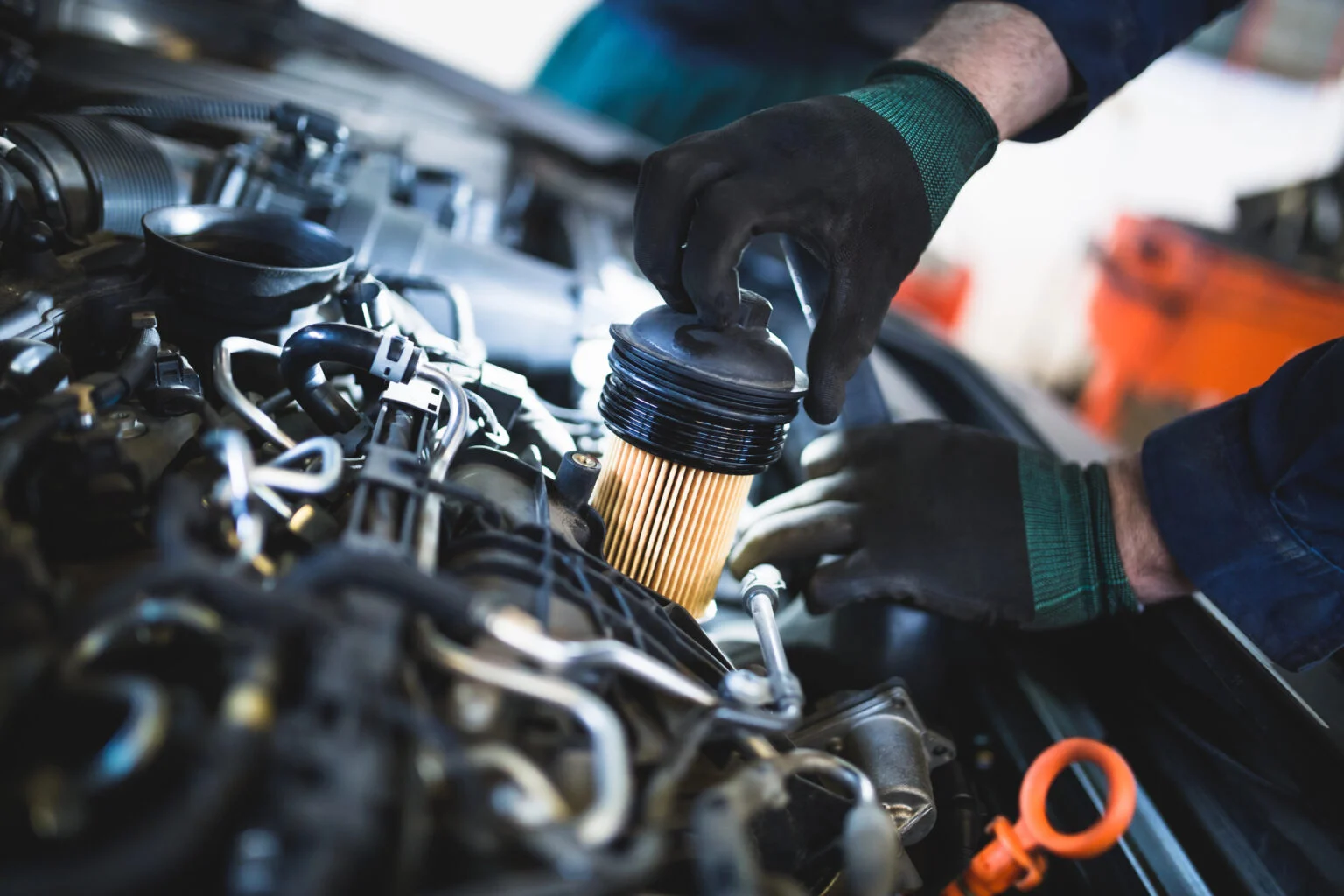
Credit: jerry.ai
Why Oil Filters Matter
Oil filters keep engine oil clean. Clean oil helps the engine run smoothly.
Without a good oil filter, dirt and debris can damage the engine parts.
Role Of Oil Filters In Engine Health
Oil filters trap harmful particles in the oil. This stops them from reaching the engine parts.
By filtering the oil, the filter helps reduce engine wear and tear. It also helps the engine last longer.
How Oil Filters Capture Contaminants
Oil filters use special materials to catch dirt, metal bits, and sludge. These materials trap contaminants as oil flows through.
- Filter media blocks solid particles
- Some filters have a bypass valve for oil flow
- Filters hold debris until the next oil change
Signs You Need An Oil Filter Change
The oil filter keeps your engine clean by trapping dirt and debris. Over time, the filter gets clogged and stops working well.
Recognizing the signs of a clogged oil filter helps you protect your engine and avoid costly repairs.
Common Symptoms Of A Clogged Filter
A clogged oil filter can cause many problems. You might notice your engine running rough or strange noises coming from the engine.
Other signs include oil leaks, dark or dirty oil, and the oil pressure warning light turning on.
- Engine runs roughly or stalls
- Strange noises from the engine
- Oil leaks under the vehicle
- Dark or dirty oil on the dipstick
- Oil pressure warning light appears
Impact On Engine Performance
A clogged oil filter reduces oil flow. This makes it harder for the engine to get proper lubrication.
Without enough clean oil, the engine parts can wear out faster and cause poor performance or even damage.
- Reduced engine power and efficiency
- Increased engine wear and tear
- Higher fuel consumption
- Engine overheating risks
- Possible engine failure if ignored
Benefits Of Regular Oil Filter Replacement
Changing the oil filter regularly keeps your engine clean. It helps remove dirt and debris from the oil.
This simple maintenance task improves your car’s performance and protects the engine parts.
Extending Engine Lifespan
A clean oil filter stops harmful particles from damaging engine parts. This keeps the engine running smoothly.
Replacing the filter on time prevents build-up that can cause engine problems and early failure.
Improving Fuel Efficiency
A fresh oil filter helps oil flow freely through the engine. This reduces friction and lets the engine work better.
Better engine performance uses less fuel and saves money on gas.
- Less engine friction
- Smoother engine operation
- Lower fuel consumption
Reducing Engine Wear
Oil filters trap dirt and metal particles that cause wear. A clean filter protects engine parts from damage.
Regular replacement stops harmful debris from circulating and wearing out the engine faster.

Credit: hcsrepair.com
How Often To Change Your Oil Filter
Changing your oil filter regularly helps keep your engine clean. It removes dirt and particles from the oil.
Knowing when to change the oil filter can save you money and protect your car.
Manufacturer Recommendations
Car makers suggest how often to change the oil filter. This advice is in your owner’s manual.
Many recommend changing the filter every time you change the oil. This can be every 3,000 to 7,500 miles.
- Check your owner’s manual for exact mileage
- Follow the recommended schedule for best results
- Use the right filter type for your vehicle
Driving Conditions And Filter Life
Your driving style affects how fast the oil filter wears out. Tough conditions shorten its life.
If you drive in heavy traffic or dusty roads, change the filter more often. These conditions dirty the oil faster.
- Stop-and-go traffic can clog filters quickly
- Driving in dusty areas adds dirt to the oil
- Short trips do not warm the engine well
- Frequent towing or heavy loads stress the engine
Diy Oil Filter Change Tips
Changing your oil filter regularly helps keep your engine clean. It removes dirt and debris from the oil.
Doing this yourself saves money and teaches you about car care. Follow these tips to change your oil filter safely.
Tools You’ll Need
Before you start, gather these tools. Having everything ready makes the job easier and faster.
- Oil filter wrench
- New oil filter
- Drain pan
- Socket wrench set
- Funnel
- Clean rags or paper towels
- Gloves
- Car jack and stands or ramps
Step-by-step Replacement Guide
Follow these steps carefully. Make sure your car is cool and parked on a flat surface before you begin.
- Lift the car using a jack and secure it with stands or use ramps.
- Place the drain pan under the oil drain plug.
- Remove the drain plug with a socket wrench and let the oil drain completely.
- Unscrew the old oil filter using the oil filter wrench.
- Prepare the new filter by applying a thin layer of fresh oil to its rubber seal.
- Install the new oil filter by hand until it is snug, then tighten slightly more.
- Replace the drain plug and tighten securely.
- Refill the engine with the correct amount and type of new oil.
- Start the engine and check for leaks around the drain plug and filter.
- Lower the car safely and dispose of old oil and filter properly.
| Step | Key Point |
| Drain Oil | Wait until oil flows slowly to ensure complete drainage |
| Oil Filter | Do not overtighten to avoid damage |
| Refill Oil | Use the oil type recommended by your vehicle manual |
| Check Leaks | Inspect after engine runs for a few minutes |
Choosing The Right Oil Filter
Changing your oil filter regularly is important for your vehicle’s health. The right oil filter keeps your engine clean and running smoothly.
Understanding different oil filters helps you make the best choice for your car. Let’s explore types and how to match them to your vehicle.
Types Of Oil Filters
Oil filters come in various types, each serving a specific function. Knowing these types helps in choosing the best fit for your needs.
- Full-flow oil filters: These are the most common and filter all the oil used by the engine.
- Secondary oil filters: They work alongside full-flow filters to provide additional cleaning.
- Cartridge oil filters: These are eco-friendly and easy to replace, without a metal canister.
Matching Filters To Your Vehicle
Choosing the correct filter for your car ensures optimal performance. Consider your vehicle’s make, model, and year when selecting a filter.
Here is a quick guide to help you match filters:
| Car Type | Recommended Filter |
| SUV | Full-flow oil filter |
| Sedan | Cartridge oil filter |
| Truck | Secondary oil filter |
Common Mistakes To Avoid
Changing the oil filter is important for your car’s health. Avoiding common mistakes can save you from future problems.
Below are two key areas where mistakes often happen when dealing with oil filters.
Skipping Filter Changes
Some people forget to change their oil filter on time. This can cause the engine to wear out faster. Regular filter changes keep your engine clean.
- Check your car manual for the right schedule
- Set reminders for your next filter change
- Always change the filter when you change the oil
Using Low-quality Filters
Low-quality filters can harm your engine. They may not trap dirt and particles effectively. This leads to poor engine performance.
| Filter Type | Quality Level |
| Brand A | High |
| Brand B | Medium |
| Brand C | Low |

Credit: www.velocityautorepair.com
Frequently Asked Questions
Why Is Regular Oil Filter Change Important?
Regular oil filter changes keep engine oil clean and free from debris. This protects engine parts, improves performance, and extends engine life. Neglecting this can cause engine wear and costly repairs.
How Often Should I Change My Oil Filter?
Most experts recommend changing your oil filter every oil change, typically every 3,000 to 7,500 miles. Check your vehicle’s manual for specific intervals to maintain optimal engine health.
What Happens If I Don’t Change My Oil Filter?
A clogged oil filter restricts oil flow, causing engine damage and reduced efficiency. Dirty oil can lead to overheating, increased wear, and potentially engine failure.
Can A Dirty Oil Filter Affect Fuel Efficiency?
Yes, a dirty oil filter causes poor engine performance, which lowers fuel efficiency. Clean oil and filters help engines run smoothly and save fuel.
Conclusion
Regular oil filter changes keep your engine clean and healthy. They help your car run smoothly and last longer. Dirty filters block oil flow and cause damage. Changing filters on time saves money on repairs. It also improves fuel efficiency and reduces pollution.
Small steps like this make a big difference. Take care of your vehicle with simple, regular maintenance. Your engine will thank you. Don’t skip oil filter changes. They protect your car every mile you drive.







