
When it comes to your vehicle’s safety, one small mistake can lead to big problems. Properly torquing your lug nuts might seem simple, but if it’s done wrong, it can cause wheel damage or even dangerous accidents.
You want to make sure your wheels stay secure every time you hit the road. You’ll learn exactly how to torque your lug nuts the right way—no guesswork, no stress. Keep reading to protect yourself, your passengers, and your car with a quick, easy skill you can master today.

Credit: www.reddit.com
Importance Of Correct Lug Nut Torque
Lug nuts hold your wheels tightly on your car. Using the right torque means the nuts are not too loose or too tight. This keeps your wheels safe and stable while driving.
Correct torque helps prevent wheel damage and keeps your vehicle working well. It also protects you and others on the road from accidents.
Safety Risks Of Improper Torque
If lug nuts are too loose, wheels can wobble or even fall off. This can cause accidents and injuries. Too tight lug nuts can damage the wheel studs or brake parts.
Wrong torque may lead to uneven braking or loss of control. Always use a torque wrench and follow the car maker’s specifications.
Effects On Wheel And Vehicle Performance
Properly torqued lug nuts keep wheels balanced and aligned. This helps your car drive smoothly and saves tire wear. Incorrect torque can cause vibrations and uneven tire wear.
- Correct torque improves fuel efficiency
- It reduces stress on suspension parts
- It prevents damage to wheel bearings
- It keeps brakes working properly
Credit: www.ctsvowners.com
Tools Needed For Lug Nut Torque
Properly torquing lug nuts is important for vehicle safety. Using the right tools helps ensure the nuts are tightened correctly.
This guide covers different torque wrenches and extra tools that make the job easier and more accurate.
Types Of Torque Wrenches
Torque wrenches help apply a specific amount of force to lug nuts. There are several types to choose from based on your needs.
- Click Torque Wrench:It clicks when the preset torque is reached. This prevents over-tightening.
- Beam Torque Wrench:Uses a scale and pointer to show torque. It is simple and durable.
- Digital Torque Wrench:Displays torque on a screen. It offers high accuracy and easy reading.
- Dial Torque Wrench:Has a dial gauge to show torque level in real time.
Additional Helpful Tools
Besides torque wrenches, other tools help make lug nut tightening safer and easier.
| Tool | Purpose |
|---|---|
| Lug Nut Socket | Fits the lug nuts for proper grip and turning. |
| Breaker Bar | Provides extra leverage to loosen tight lug nuts. |
| Gloves | Protect hands from injury and provide better grip. |
| Torque Wrench Calibration Tool | Ensures the torque wrench is accurate. |
Preparing The Wheel And Lug Nuts
Properly torquing lug nuts is important for vehicle safety. Preparing the wheel and lug nuts helps ensure a secure fit.
This preparation reduces the risk of wheel damage and makes tightening easier.
Cleaning Lug Nut Threads
Dirty threads can cause uneven tightening of lug nuts. Clean threads remove dirt and rust that block proper contact.
Use a wire brush or thread cleaner to clean inside the lug nuts and on the wheel studs.
- Remove dirt and debris
- Prevent cross-threading
- Improve torque accuracy
Inspecting For Damage
Check lug nuts and wheel studs for cracks or stripping. Damaged parts can cause wheel failure or loosen over time.
Replace any lug nuts or studs that show signs of wear or damage before installation.
- Look for cracks or bends
- Check for stripped threads
- Confirm lug nuts fit tightly
Applying Lubricant When Needed
Lubricant can help if threads are rusty or dry. It reduces friction and helps reach correct torque.
Use anti-seize or light oil sparingly on threads. Avoid overuse to prevent over-tightening.
- Apply a thin layer on threads only
- Do not lubricate wheel contact surfaces
- Re-check torque after driving a short distance
Step-by-step Torque Procedure
Properly torquing lug nuts keeps your wheels safe and secure. Following the right steps helps avoid wheel damage and uneven pressure.
This guide explains how to torque lug nuts correctly. It covers hand-tightening, torque sequence, and applying torque in stages.
Hand-tightening Lug Nuts
Start by putting the lug nuts on the wheel studs by hand. Turn them clockwise until they fit snugly.
Hand-tightening prevents cross-threading and ensures the nuts sit properly before using a wrench.
Using The Correct Torque Sequence
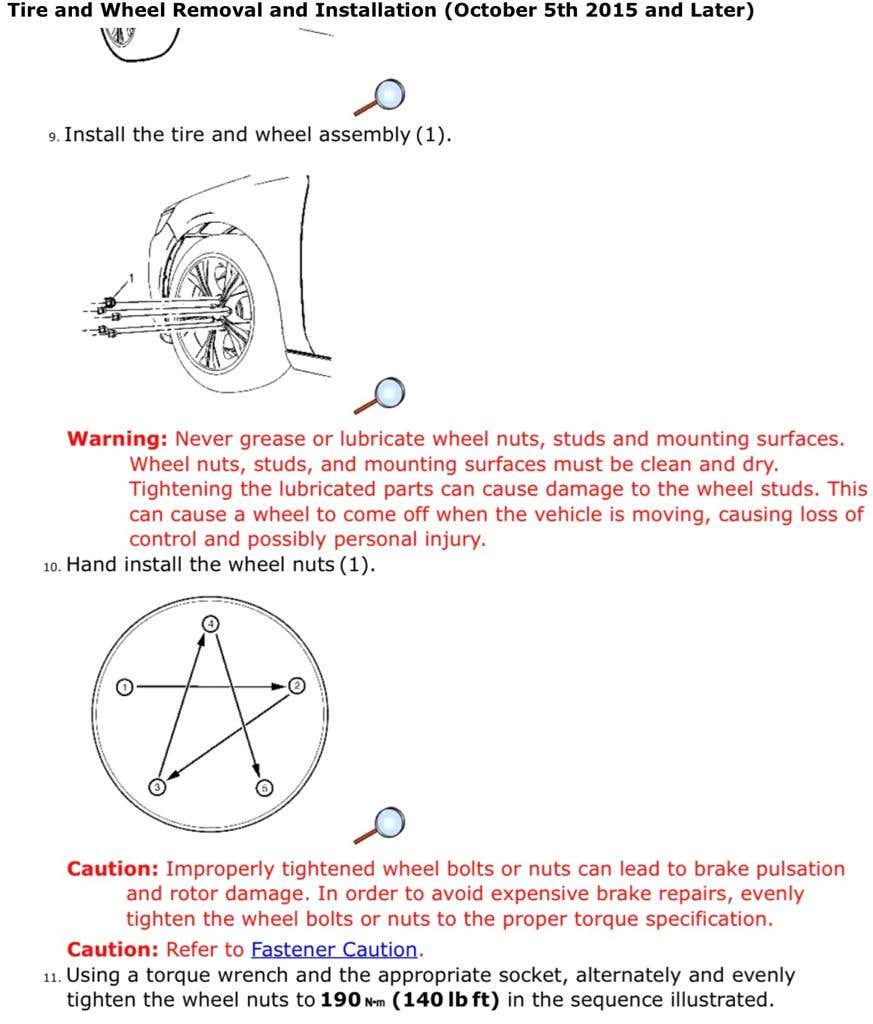
Tighten lug nuts in a star or crisscross pattern. This spreads the pressure evenly across the wheel.
Following the sequence reduces the risk of warping the brake rotor or wheel.
- Start with one lug nut.
- Move across to the lug nut opposite the first.
- Continue in a star pattern until all nuts are tightened.
Applying Torque In Stages
Tighten lug nuts gradually in steps to the final torque setting. This helps seat the wheel evenly.
Start with a low torque value, then increase it until reaching the recommended torque.
- Tighten all nuts to about 30% of the final torque.
- Then tighten all nuts to about 70% of the final torque.
- Finally, tighten all nuts to the full torque value specified.
Common Torque Mistakes To Avoid
Proper torque on lug nuts keeps wheels safe and secure. Many drivers make simple errors that cause serious problems. Learn to avoid these common torque mistakes for safer driving.
Using the right torque tool and checking lug nuts often helps prevent accidents. Let’s look at the main mistakes to avoid.
Over-tightening Consequences
Over-tightening lug nuts can damage the wheel and cause unsafe driving. Too much force stretches the studs and breaks threads.
- Damaged wheel studs that may break while driving
- Warped brake rotors from uneven pressure
- Cracked or bent wheels
- Hard-to-remove lug nuts during tire changes
Under-tightening Dangers
Under-tightened lug nuts can loosen over time. This causes wheel wobble or the wheel may come off.
| Risk | Description |
| Loose Wheel | Can cause vibrations and unsafe driving |
| Wheel Detachment | Wheel may fall off while driving |
| Damaged Studs | Studs can wear out from movement |
| Brake Problems | Uneven braking due to wheel movement |
Skipping Torque Checks
Not checking lug nut torque regularly causes problems. New wheels or tires need torque rechecks after driving some miles.
Torque check tips:
- Check torque after 50-100 miles of driving
- Use a proper torque wrench for accuracy
- Follow vehicle manufacturer’s torque specs
- Retorque after tire rotations or repairs
Maintaining Proper Torque Over Time
Proper torque on lug nuts is crucial for vehicle safety. It’s important to ensure they remain tight over time.
Regular checks and maintenance can prevent wheel-related issues. Here’s how to keep torque at optimal levels.
Re-torquing After Driving
After initial installation, lug nuts can loosen slightly. It’s vital to re-torque them after driving a short distance.
- Drive for 50 to 100 miles.
- Check the torque on each lug nut.
- Use a torque wrench for accuracy.
- Adjust any lug nuts that are loose.
Regular Torque Inspections
Consistent inspections help maintain proper torque. They should be part of your routine vehicle care.
Regular inspections can be scheduled based on your driving habits. Consider these intervals:
- Every oil change
- Before long trips
- Seasonal tire changes
Always ensure you use the correct torque settings. Refer to your vehicle’s manual for specifics.
| Inspection Type | Recommended Frequency |
| Re-Torquing | Every 50-100 miles after installation |
| Regular Inspections | Every oil change or seasonally |
| Pre-Trip Check | Before long trips |
Expert Tips For Accuracy And Safety
Tightening lug nuts correctly ensures your wheels stay secure. It also prevents damage to your vehicle. Using the proper technique is important for accuracy and safety.
These expert tips will help you achieve the right torque. Follow these guidelines to ensure your lug nuts are properly tightened.
Calibrating Torque Tools
Calibrating your torque wrench is crucial for accurate results. It ensures the tool measures the force correctly.
- Check calibration every six months
- Use a certified calibration service
- Follow the tool’s manual for instructions
Using Manufacturer Specifications
Every vehicle has specific torque requirements. Consult your vehicle’s manual for the correct settings.
| Vehicle Type | Torque Specification |
| Compact Car | 80 ft-lbs |
| SUV | 100 ft-lbs |
| Truck | 120 ft-lbs |
Environmental Factors Impacting Torque
Weather and temperature can affect torque. Cold weather may contract metal parts, impacting the tightness.
Consider these factors when tightening lug nuts to ensure safety and accuracy.
Credit: www.focusst.org
Frequently Asked Questions
What Is The Correct Torque For Lug Nuts?
The correct torque varies by vehicle. Check your owner’s manual for exact specifications. Proper torque ensures safety and prevents damage.
Why Is Proper Torque Important For Lug Nuts?
Proper torque prevents wheel loosening and uneven wear. It ensures safe driving and avoids costly repairs.
How Often Should Lug Nut Torque Be Checked?
Check lug nut torque after every tire change or every 5,000 miles. Regular checks maintain wheel safety and performance.
Can I Use A Regular Wrench For Torquing Lug Nuts?
No, use a torque wrench for accurate tightening. A regular wrench may cause under or over-tightening.
Conclusion
Properly torquing lug nuts keeps your wheels safe and secure. Tighten them evenly and to the right amount of force. Use a torque wrench for best results. Check torque again after driving a short distance. Avoid over-tightening or under-tightening to prevent damage.
Following these steps helps your vehicle run smoothly. Stay safe by taking this simple but important step. It only takes a few minutes but makes a big difference.







