
When it comes to fixing your car, having the right tools can make all the difference. Pliers are one of the most useful and versatile tools you can have in your toolbox.
But do you know how to use pliers correctly for car repair? Whether you’re tightening a loose wire or gripping a stubborn bolt, mastering this simple tool can save you time, money, and frustration. You’ll discover easy tips and techniques to use pliers like a pro, even if you’re just starting out.
Ready to take control of your car repairs and feel confident under the hood? Let’s dive in.
Choosing The Right Pliers
Pliers are essential tools for car repair jobs. Picking the right ones helps you work safely and efficiently.
Different pliers serve different purposes. Knowing which type fits your task saves time and effort.
Types Of Pliers For Car Repair
There are many pliers used in car repair. Each type has a special function to help fix parts and wires.
- Needle-nose pliers: Good for reaching tight spaces and bending wires.
- Slip-joint pliers: Adjustable jaws for gripping different sizes of objects.
- Locking pliers: Hold parts firmly in place for hands-free work.
- Diagonal cutting pliers: Cut wires and small nails cleanly.
- Channel-lock pliers: Wide grip for larger nuts and bolts.
Materials And Build Quality
Strong materials make pliers last longer and work better. Look for tools made from durable metals.
Forged steel is common because it resists bending and breaking. Some pliers have rust-resistant coatings.
- Carbon steel: Strong and holds shape well.
- Stainless steel: Resists rust and corrosion.
- Chrome-vanadium steel: Extra tough for heavy use.
- Comfort grips: Rubber or plastic handles reduce hand strain.
Size And Grip Considerations
Choose pliers that fit your hand comfortably. The right size helps you control the tool safely.
Grip texture matters. Non-slip handles improve safety, especially when working with oily parts.
- Small pliers (6-8 inches): Best for delicate tasks.
- Medium pliers (8-10 inches): Good for most car repairs.
- Large pliers (10+ inches): Used for heavy-duty jobs.
- Ergonomic grips: Reduce hand fatigue during long use.

Credit: www.youtube.com
Basic Pliers Techniques
Pliers are useful tools for many car repair tasks. They help grip, twist, and cut wires or small parts. Using pliers correctly makes your work easier and safer.
Learning basic techniques improves your control and prevents damage. Focus on hand positioning, pressure, and avoiding errors.
Proper Hand Positioning
Hold the pliers near the handles, not the jaws. This gives better control and reduces hand fatigue. Use your dominant hand for most tasks.
Keep your wrist straight and your fingers wrapped around the handles. Avoid holding the pliers too tightly or loosely.
- Place thumb on one handle
- Wrap fingers around the other handle
- Keep wrist aligned with your forearm
- Adjust grip to fit the job
Applying The Correct Pressure
Apply just enough pressure to hold or move parts without slipping. Too much force can damage parts or tools. Too little pressure causes slipping.
Use smooth, steady pressure. Release and reposition if you need to adjust your grip.
- Start with light pressure
- Increase pressure gradually
- Stop if you feel resistance
- Check grip regularly
Avoiding Common Mistakes
Do not use pliers for tasks they are not meant for. Avoid using pliers as a hammer or wrench. This can damage the tool and your car parts.
Keep pliers clean and rust-free. Check for damage before use. Replace worn pliers to avoid accidents.
- Do not use pliers on nuts or bolts
- Keep jaws clean and sharp
- Store pliers in a dry place
- Wear safety glasses when needed
Using Pliers For Wire Work
Pliers are handy tools for many car repair tasks. They help you hold, bend, cut, and twist wires safely.
Using pliers correctly can make wire work easier and prevent damage to wires or yourself.
Cutting And Stripping Wires
Use pliers with sharp cutting edges to cut wires cleanly. Cutting wires with the right part of the pliers avoids frayed ends.
For stripping wires, grip the insulation carefully with the pliers. Pull the insulation off without cutting the wire inside.
- Place wire between cutting edges near the tip.
- Apply firm pressure to cut through the wire.
- For stripping, pinch the insulation lightly.
- Pull insulation away to expose wire.
Bending And Twisting Wires
Pliers help bend wires to fit into tight spaces or around connectors. Use the jaws to hold the wire firmly while bending.
Twisting wires with pliers makes a strong connection. Grip the wire ends and twist them together evenly for a secure hold.
- Hold wire with pliers near the bend point.
- Bend slowly to avoid breaking the wire.
- For twisting, place both wire ends in the jaws.
- Turn the pliers to twist wires tightly.
Securing Wire Connections
Use pliers to hold wires steady while connecting them. This helps prevent slipping or loose connections.
After twisting wires, squeeze the connection with pliers to make it tighter. This improves electrical contact and safety.
- Hold wires firmly with pliers before joining.
- Twist wires together evenly.
- Squeeze the twisted connection to tighten.
- Check for no loose wires before finishing.

Credit: www.amazon.com
Handling Nuts And Bolts
Pliers are useful tools for car repair tasks involving nuts and bolts. They help you grip, turn, and remove fasteners safely and efficiently. Using pliers correctly prevents damage to your vehicle parts.
This guide shows how to handle nuts and bolts with pliers. Follow these tips for better control and protection of hardware.
Gripping And Turning Fasteners
Choose the right pliers for the size of the nut or bolt. Adjust the jaws to fit tightly around the fastener. Hold the pliers firmly to avoid slipping.
- Use slip-joint pliers for small to medium nuts and bolts.
- Locking pliers provide a strong grip on rounded or worn fasteners.
- Needle-nose pliers work well for tight spaces and small bolts.
- Turn the fastener slowly to avoid stripping the edges.
Removing Stuck Bolts
Stuck bolts need extra care to loosen. Apply steady pressure with pliers while turning slowly. Avoid sudden force that can break the bolt.
| Method | Description |
| Apply penetrating oil | Spray on the bolt and wait 10 minutes before turning. |
| Use locking pliers | Clamp tightly for a better grip on rusty bolts. |
| Tap gently with a hammer | Loosen rust by tapping the bolt head lightly. |
| Turn counterclockwise | Always turn bolts left to loosen them. |
Preventing Damage To Hardware
Protect the nuts and bolts from scratches and rounding off. Use proper pliers and techniques to keep hardware intact.
- Wrap bolts with tape before gripping with pliers.
- Do not use pliers on bolts that require a wrench or socket.
- Keep plier jaws clean and in good condition.
- Apply even pressure when turning fasteners.
Specialized Pliers In Car Repair
Pliers are essential tools for car repair. They help in gripping, twisting, and cutting. Specialized pliers make specific tasks easier and safer.
Using the right pliers can speed up your car repair work. It also reduces the risk of damaging parts. Here, we explore different types of pliers used in car repair.
Needle Nose Pliers Applications
Needle nose pliers are perfect for reaching tight spaces. They are often used for electrical work in cars.
- Handling small wires and cables
- Reaching narrow areas
- Adjusting small car parts
Locking Pliers Uses
Locking pliers are great for holding objects in place. They can also be used to remove stubborn bolts.
Slip Joint Pliers Tasks
Slip joint pliers are versatile and adjustable. They are useful for many tasks in car repair.
| Task | Description |
| Loosening nuts | Adjustable jaws fit various sizes |
| Gripping hoses | Prevents slipping while pulling |
| General repairs | Basic tool for multiple uses |
Maintenance And Care Of Pliers
Pliers are useful tools for car repair. Taking care of them keeps them working well. Regular maintenance helps pliers last longer.
Cleaning, lubricating, and storing pliers properly are key tasks. These steps protect the tool from damage and rust.
Cleaning After Use
After using pliers, clean off dirt and grease. Use a dry cloth to wipe the handles and jaws. For tough grime, use a small brush.
Cleaning stops rust and keeps the tool ready for next use. Avoid leaving pliers dirty for a long time.
Lubricating Moving Parts
Lubricate the joint of the pliers to keep them moving smoothly. Use a drop of light machine oil on the pivot point.
Wipe away extra oil to prevent dust build-up. Regular lubrication stops stiffness and wear.
Safe Storage Tips
Store pliers in a dry place to prevent rust. Use a toolbox or hang them on a pegboard.
- Keep pliers away from moisture
- Do not pile heavy tools on top
- Use tool organizers to avoid damage
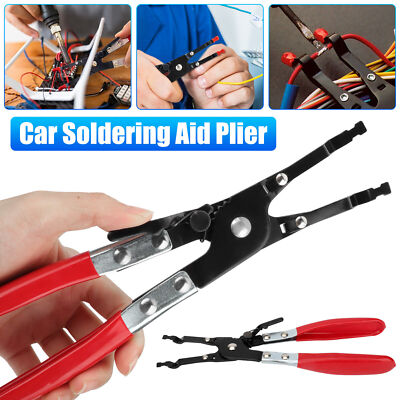
Credit: www.ebay.com
Frequently Asked Questions
What Types Of Pliers Are Best For Car Repair?
Needle-nose, slip-joint, and locking pliers are ideal for car repairs. They help grip, twist, and cut wires or small parts efficiently.
How Do I Safely Use Pliers On Car Parts?
Always wear gloves and eye protection. Use the right pliers for the job. Apply steady, controlled pressure to avoid damage.
Can Pliers Remove Stubborn Car Bolts?
Yes, locking pliers can grip tight bolts firmly. Use them carefully to avoid rounding off bolt heads or damaging threads.
How Do I Maintain Pliers For Long-term Use?
Clean pliers after use, remove grease and debris. Lubricate joints regularly to ensure smooth operation and prevent rust or wear.
Conclusion
Pliers are helpful tools for many car repairs. They can hold, bend, and cut wires easily. Using the right pliers makes tasks safer and faster. Remember to choose the correct type for each job. Practice careful handling to avoid damage or injury.
With simple steps, you can fix small car problems yourself. Keep your pliers clean and store them properly. This saves time and keeps tools ready for use. Small repairs become easier when you use pliers well. Keep learning and improving your car repair skills.







