
Are you looking to give your car a fresh, modern look without spending a fortune? Installing LED strip lights is one of the easiest and most effective ways to do just that.
Imagine your car glowing with vibrant colors that turn heads wherever you go. But how do you get started? This guide will walk you through every step to install car LED strip lights quickly and safely, even if you’ve never done it before.
Keep reading, and you’ll soon have your car shining brighter than ever.

Credit: www.amazon.com
Choosing The Right Led Strip Lights
Installing LED strip lights in your car can improve its look and visibility. Choosing the right type is important for safety and style.
Consider brightness, color, and durability before buying LED strips. These factors affect how well the lights work and last.
Types Of Led Strips For Cars
There are different LED strips for cars. Some are flexible, others are rigid. Choose one that fits your car’s shape.
RGB strips can change colors. Single-color strips show one color only. Pick what matches your style and needs.
- Flexible LED strips bend to fit curves
- Rigid LED strips are straight and sturdy
- RGB LED strips offer multiple colors
- Single-color strips provide consistent light
Brightness And Color Options
Brightness is measured in lumens. Higher lumens mean brighter lights. Choose brightness that suits your driving needs.
Colors can be warm white, cool white, or colored. Warm white gives a soft glow. Cool white is sharper and brighter.
- Low brightness is good for interior mood lighting
- High brightness helps with visibility outside
- Colored lights add style but may not be street legal
- White lights improve road visibility
Waterproof And Durability Features
Car LED strips must resist water and dust. Look for waterproof ratings like IP65 or higher. This protects lights from rain and dirt.
Durable materials prevent damage from heat and road shocks. Strong adhesive helps the strip stay in place during drives.
- IP65 rating means water jets won’t harm the lights
- IP67 or IP68 offer better water protection, even for submersion
- Use strips with heat-resistant coating
- Choose strips with strong, weatherproof adhesive backing
Credit: www.jaginfo.org
Tools And Materials Needed
Installing car LED strip lights is easy with the right tools. Prepare all materials before you start the work.
This guide lists tools and supplies to help you install LED strips smoothly and safely.
Essential Tools For Installation
You need basic tools to cut, connect, and secure LED strip lights in your car. Having these ready saves time and effort.
- Wire cutters to trim wires cleanly
- Wire strippers to remove insulation safely
- Screwdrivers for removing panels or screws
- Electrical tape to cover wire joints
- Multimeter to check electrical connections
- Measuring tape for precise LED placement
- Heat gun or lighter to shrink tubing
Additional Supplies For Better Results
Extra materials help improve the light’s durability and appearance. These supplies protect the wires and make installation cleaner.
| Supply | Purpose |
| Heat shrink tubing | Protects and insulates wire connections |
| Zip ties | Keeps wires organized and secure |
| Isopropyl alcohol | Cleans surfaces before sticking LED strips |
| Double-sided tape | Adds extra hold for LED strips |
| Fuse holder and fuse | Protects your car’s electrical system |
Preparing Your Vehicle
Installing LED strip lights in your car can enhance its look. Before you start, you need to prepare your vehicle properly.
Preparation involves cleaning surfaces and planning where to place the lights. Follow these steps for a successful installation.
Cleaning The Surface
A clean surface ensures the LED strips stick well and last longer. Dirt and grime can weaken the adhesive.
- Wash your car thoroughly with soap and water.
- Dry the surfaces completely with a soft towel.
- Use an alcohol-based cleaner to remove any remaining grease.
Planning The Light Placement
Decide where to install the LED strips for the best effect. Consider visibility and safety as you plan.
Here are some common areas to install LED strips:
- Under the dashboard for interior glow.
- Alongside the footwells for a subtle effect.
- Under the car body for an exterior glow.
Measure the areas where you plan to install the lights. This ensures you have enough strips and they fit well.
Installing The Led Strips
Installing car LED strip lights is a simple way to improve your vehicle’s look. This guide helps you place the strips correctly for the best effect.
Follow these steps to cut, attach, and connect your LED strips safely and securely.
Cutting And Measuring
Measure the area where you want to place the LED strips. Use a tape measure for accuracy. Mark the spot to cut the strip if needed.
Only cut the LED strip at the marked cut points. These are usually marked with a line or scissors icon on the strip.
- Measure twice to avoid mistakes
- Cut only on marked points
- Use sharp scissors or a blade
Attaching The Strips Securely
Clean the surface where you will stick the LED strips. Dirt or dust can stop the adhesive from sticking well.
Peel the backing off the strip’s adhesive tape. Press the strip firmly on the surface. Hold it for a few seconds to make sure it sticks.
- Use alcohol wipes to clean the surface
- Press strips down firmly to stick
- Avoid touching the adhesive with your fingers
Connecting To Power Source
Find a power source for your LED strips. Most use your car’s 12V battery or the fuse box.
Connect the positive and negative wires correctly. Use connectors or solder the wires for a strong connection. Protect the wires with electrical tape.
- Use a fuse to protect the circuit
- Match positive (+) and negative (-) wires
- Secure connections with tape or heat shrink
Wiring And Electrical Connections
Installing car LED strip lights requires careful wiring and proper electrical connections. You must ensure safety and functionality.
This guide covers using a fuse and relay, connecting to your car battery or fuse box, and testing the setup.
Using A Fuse And Relay
A fuse protects your LED strips from electrical damage. The relay controls power flow safely. Both parts prevent damage to your car’s electrical system.
- Choose a fuse with the correct amperage for your LED strips.
- Connect the fuse between the power source and the LED strip.
- Use a relay to handle high current without overloading switches.
- Wire the relay coil to the switch or control module.
- Ground the relay and LED strips properly to avoid faults.
Connecting To Car Battery Or Fuse Box
Connect the LED strips to a power source that matches their voltage and current needs. You can use either the car battery or fuse box.
| Power Source | Pros | Cons |
| Car Battery | Direct power, reliable | Needs inline fuse, may drain battery |
| Fuse Box | Protected circuit, easier to connect | Limited by fuse box capacity |
Always disconnect the battery before wiring. Use proper connectors and secure all wires to avoid loose connections.
Testing The Electrical Setup
After wiring, test the LED strips and electrical system. Check for correct lighting and no errors in the circuit.
- Reconnect the car battery if disconnected.
- Turn on the switch controlling the LED strips.
- Observe if the LED strips light up fully and evenly.
- Use a multimeter to check voltage at the LED strip terminals.
- Look for any flickering or dim spots.
- Ensure no fuses blow during operation.
Securing And Concealing Wires
Installing LED strip lights in your car looks great but managing wires is key. Proper wire securing keeps lights safe and working well.
Concealing wires gives your car a clean, neat look. It also protects wires from damage and keeps them from getting loose.
Using Clips And Tapes
Use clips or tapes to hold wires in place. These tools stop wires from moving or hanging loose inside your car.
Make sure to use clips or tapes that fit your wire size. Strong tapes like double-sided or electrical tape work well.
- Attach clips along wire path to keep wires fixed
- Use electrical tape to bundle and secure wire ends
- Check clips and tape regularly for wear and replace if needed
Hiding Wires For A Clean Look
Hide wires under car panels or along existing wire routes. This keeps wires out of sight and protects them.
Use wire covers or channels to keep wires organized. Tuck wires tightly to avoid loose loops or tangles.
- Run wires under door sills or dashboard trims
- Use wire loom tubing for extra protection
- Secure wires near existing factory wiring for neatness
Testing And Adjusting The Lights
After installing your car LED strip lights, testing them is important. This step ensures they work well and look good.
Adjusting the lights helps you get the right brightness and color for your car. It also fixes small problems.
Checking For Proper Function
Turn on your LED strip lights to see if they light up correctly. Check each section for any dim or dead spots.
Look for flickering or uneven light. Make sure the lights respond when you use the controls or remote.
- Power on the lights and watch for full illumination
- Check all LED segments for consistent brightness
- Test control switches or remote functions
- Observe for flickering or color changes
Adjusting Brightness And Color
Use the LED controller or remote to change brightness. Find a level that is bright but not blinding.
If your LED strips support color changes, select colors that match your style and mood. Adjust until you like the look.
- Increase or decrease brightness with the controller
- Cycle through color options if available
- Set a steady color or a color-changing mode
- Adjust speed for color changes if supported
Troubleshooting Common Issues
If the lights do not turn on, check the power connection and fuses. Make sure the battery or power source is working.
For flickering lights, check the wiring for loose connections. Replace any damaged wires or connectors.
- Verify power supply and fuse status
- Inspect wiring for loose or broken parts
- Ensure correct polarity on connections
- Test with another power source if possible
- Reset the controller or remote if unresponsive
Maintenance Tips For Longevity
Installing car LED strip lights is a great way to enhance your vehicle’s look. To keep them shining bright, regular maintenance is key. Here are some tips to help you maintain your LED strips for a long time.
Proper care ensures your car’s LED strip lights last longer and perform well. Simple steps can make a big difference in their longevity and brightness.
Cleaning The Led Strips
Dirt and grime can dim your LED strips over time. Regular cleaning keeps them clear and bright. Use a soft cloth to wipe the surface of the LED strips.
Avoid using harsh chemicals that can damage the lights. Mild soap and water are usually enough. Make sure the strips are turned off before cleaning.
- Turn off the LED strips before cleaning
- Use a soft, damp cloth with mild soap
- Avoid harsh chemicals or scrubbing pads
- Dry the strips thoroughly before turning them back on
Inspecting Connections Regularly
Loose connections can cause the LED strips to flicker or not work at all. Regular inspection helps keep the connections secure and functional.
Check the wires and connectors for any signs of wear or corrosion. Tighten any loose connections and replace damaged parts promptly.
- Check connections every few months
- Look for signs of wear or corrosion
- Tighten loose connections
- Replace any damaged wires or connectors
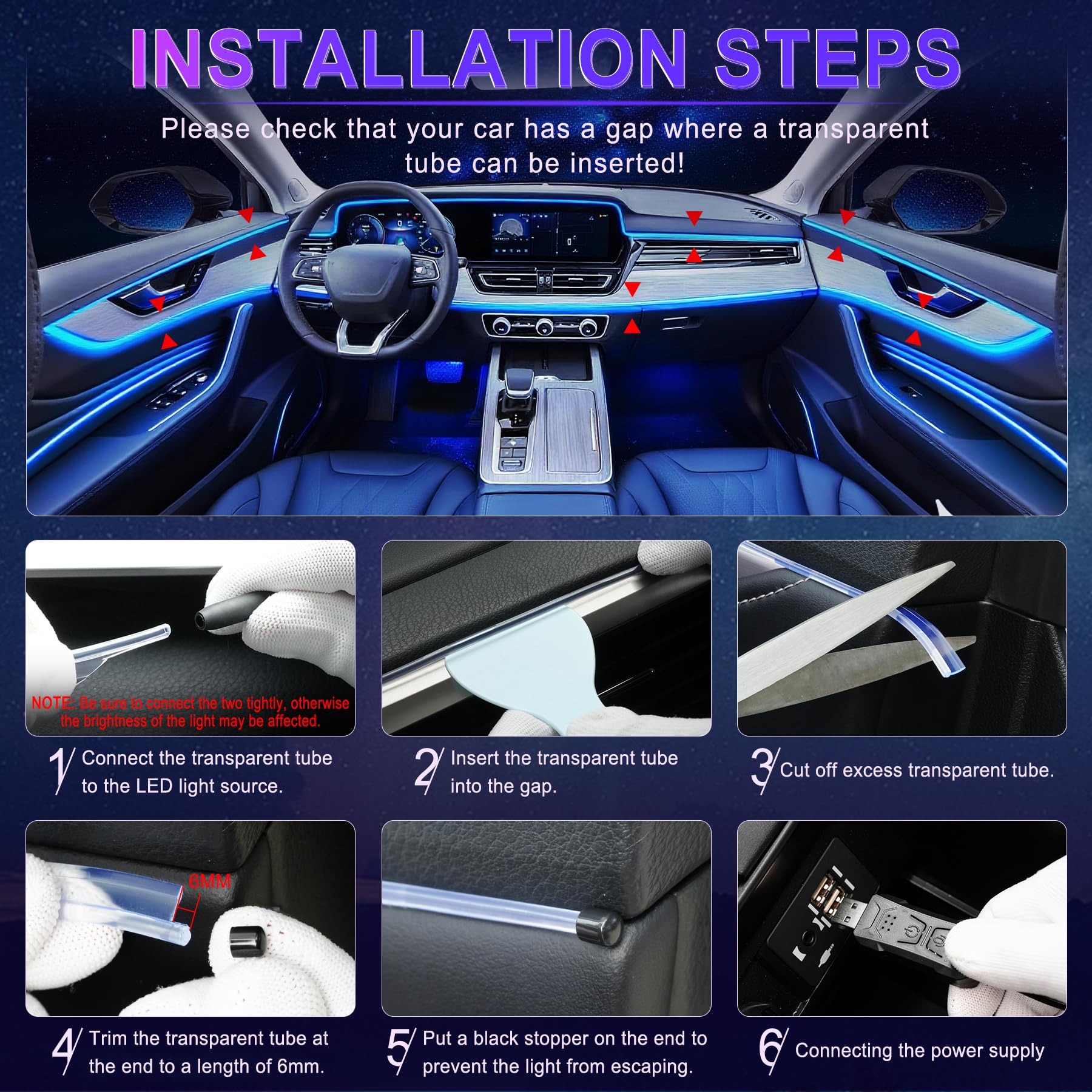
Credit: www.amazon.sa
Frequently Asked Questions
How Do I Install Led Strip Lights In My Car?
Clean the surface where you want to install the LED strip. Peel off the adhesive backing and stick the strip firmly. Connect the wiring to your car’s power source, usually the fuse box or cigarette lighter. Test the lights before securing all wires.
What Tools Are Needed To Install Car Led Strip Lights?
You need LED strips, a power source adapter, electrical tape, wire cutters, and connectors. Optionally, use a multimeter to check voltage. A screwdriver and zip ties help secure wires neatly. These tools ensure a safe and efficient installation.
Can Led Strip Lights Drain My Car Battery?
LED strip lights consume very low power and usually won’t drain your battery if wired correctly. Always connect to a switched power source that turns off with the ignition. Avoid leaving the lights on when the engine is off to prevent battery drain.
Are Car Led Strip Lights Waterproof?
Many car LED strip lights come with waterproof ratings like IP65 or IP67. These ratings protect against water splashes and dust, making them suitable for exterior use. Always check the product specifications to ensure durability in wet conditions.
Conclusion
Installing car LED strip lights adds style and improves visibility. Follow the steps carefully for the best results. Use the right tools and materials to avoid problems. Test the lights before fixing them permanently. Remember to connect wires safely and securely.
Clean the surface well for strong adhesion. Take your time and work patiently. Enjoy the new look and better lighting on your car. Simple upgrades can make a big difference. Now, your car stands out, day and night.







