
Have you ever noticed a light flashing on your car’s dashboard and felt a sudden rush of worry? That little symbol can mean a lot more than you think.
Understanding what that light in your car dash means could save you from costly repairs or even keep you safe on the road. You’ll learn exactly why those lights come on, what they’re trying to tell you, and what steps you should take next.
Don’t ignore that warning—your car is talking to you, and knowing how to listen can make all the difference. Keep reading to become confident in decoding your car’s dashboard signals.
Credit: www.timesdrive.in
Common Dash Warning Lights
Dashboard warning lights alert drivers about important vehicle conditions. Knowing what each light means helps keep your car safe.
This guide covers common dash warning lights and what actions to take when you see them.
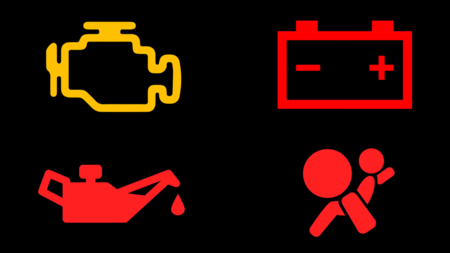
Engine Warning Light
The engine warning light signals a problem with the engine or emissions system. It may glow yellow or orange.
Common causes include loose gas caps, faulty sensors, or engine issues. Visit a mechanic if the light stays on.
Brake System Alert
This red warning light shows a brake system problem. It could mean low brake fluid or worn brake pads.
Do not drive if this light stays on. Check the brake fluid and get your brakes inspected immediately.
Battery Charge Indicator
The battery charge light warns of charging system issues. It often looks like a battery symbol in red or yellow.
This light may mean a bad alternator or battery problem. If it comes on, turn off electrical accessories and have the system checked.
Oil Pressure Warning
The oil pressure warning light alerts to low oil pressure. It usually appears as an oil can icon in red.
Low oil pressure can damage the engine. Stop driving and check the oil level. Add oil if needed or call for help.
Tire Pressure Monitor
The tire pressure monitor light shows when tire pressure is too low. It looks like an exclamation mark inside a tire shape.
Proper tire pressure improves safety and fuel efficiency. Check all tires with a gauge and inflate to the recommended level.
- Check tire pressure monthly
- Adjust pressure when tires are cold
- Inspect tires for damage or leaks
- Replace tires when worn out

Credit: www.youtube.com
Immediate Steps To Take
A light on your car dashboard can mean a problem. It is important to act quickly and safely. Following the right steps helps protect you and your vehicle.
Learn what to do as soon as you see a warning light. This guide will help you respond properly.
Pull Over Safely
If a warning light appears, find a safe place to stop. Use your turn signals to alert other drivers. Avoid sudden moves that could cause accidents.
Stay calm and park your car on the side of the road or in a parking lot. Turn on your hazard lights if needed.
Check Dashboard Symbols
Look at the symbol that lit up on your dashboard. Different lights mean different issues. Some are urgent, while others are less serious.
- Red lights often mean a serious problem
- Yellow or orange lights usually warn you to check soon
- Green or blue lights are typically informational
Do not ignore red or flashing lights. They may indicate engine trouble, oil pressure, or brake system problems.
Consult The Owner’s Manual
Your car’s owner manual has important details about dashboard lights. It explains what each symbol means and what to do next.
Keep the manual in your car for quick reference. Use it to decide if you can keep driving or need professional help right away.
Potential Causes Behind Lights
Lights on your car’s dashboard can signal different problems. They help you know when your car needs attention.
Understanding what these lights mean can keep your car safe and running well. Each light points to a specific issue.
Engine Issues
Engine lights often turn on due to problems inside the engine. This can include overheating or parts wearing out.
Ignoring engine lights can cause more damage and lead to costly repairs. Checking the engine soon is important.
- Overheated engine
- Loose or broken belts
- Faulty spark plugs
- Exhaust problems
Electrical Problems
Electrical issues can make warning lights appear on the dashboard. These problems often involve the battery or wiring.
A weak battery or bad connection may stop your car from starting or cause lights to flicker.
- Dead or weak battery
- Loose or corroded wires
- Faulty alternator
- Blown fuses
Fluid Levels
Low fluid levels can trigger warning lights on the dash. Fluids help your car parts work well and stay cool.
Check fluids like oil, coolant, and brake fluid often to avoid these lights and keep the car safe.
- Low engine oil
- Low coolant level
- Brake fluid below minimum
- Transmission fluid issues
Sensor Malfunctions
Your car uses sensors to watch how parts work. If a sensor breaks, it can cause lights to appear falsely or correctly.
Sensor problems may need a mechanic to find and fix the exact cause of the warning lights.
- Faulty oxygen sensor
- Bad mass airflow sensor
- Broken tire pressure sensor
- Malfunctioning temperature sensor
When To Visit A Mechanic
Seeing a light on your car dash can be worrying. Some lights mean you should check your car soon.
Knowing when to visit a mechanic can keep you safe and save money on repairs.
Persistent Warning Lights
If a warning light stays on after starting your car, do not ignore it. It shows a problem that needs fixing.
Common lights include the engine, oil, and battery warnings. Each means your car needs attention.
- Engine light means engine trouble
- Oil light means low or bad oil
- Battery light means charging issues
Unusual Noises Or Smells
Strange sounds or smells with a dash light on are a sign to visit a mechanic fast. These can be serious.
Sounds like grinding, squealing, or knocking need checking. Smells like burning or gas also require help.
- Grinding may mean brake or engine problems
- Squealing can indicate belt or brake wear
- Burning smell may point to overheating
- Gas smell might mean a leak
Performance Problems
Your car may feel different if a dash light is on. Loss of power or rough driving means a mechanic should check it.
Problems like stalling, poor fuel economy, or trouble starting are signs of bigger issues.
- Stalling can cause unsafe driving
- Low fuel efficiency means engine trouble
- Hard starts show battery or starter issues
Preventing Dash Light Emergencies
Dash lights warn drivers about problems in the car. Knowing how to prevent these warnings helps keep your car safe.
Regular care can stop many dash light emergencies. Simple checks and fixes save time and money.
Regular Vehicle Maintenance
Keep your car in good shape with regular maintenance. Follow the schedule in your owner’s manual for best results.
Changing filters, checking brakes, and inspecting belts help avoid warning lights. A well-maintained car runs safer and lasts longer.
Timely Fluid Checks
Fluids keep your car parts working well. Check oil, coolant, brake, and transmission fluids often.
Low or dirty fluids can cause dash lights to come on. Regular checks prevent engine damage and keep your car smooth.
- Check oil level and change it on time
- Inspect coolant to avoid overheating
- Ensure brake fluid is full and clean
- Monitor transmission fluid for smooth shifting
Routine Tire Inspections
Tires affect your car’s safety and fuel use. Check tire pressure and tread regularly to avoid warning lights.
Worn or low tires can trigger dash alerts. Keep tires inflated and replace them when the tread is low.
- Check tire pressure monthly
- Look for uneven wear or damage
- Rotate tires as recommended
- Replace tires when tread is below safe level
Credit: www.zigwheels.my
Using Diagnostic Tools
When a light appears on your car’s dashboard, it signals a possible issue. Using diagnostic tools can help identify the problem. These tools read error codes from your car’s system, providing insights into what’s wrong.
Understanding these tools can save you time and money. It empowers you to decide whether to fix the problem yourself or seek professional help.
Obd-ii Scanner Basics
An OBD-II scanner is a common diagnostic tool for cars. It connects to your vehicle’s OBD-II port, usually located under the dashboard. This device reads error codes and provides information about your car’s health.
Learning to use an OBD-II scanner is simple. It involves plugging the scanner in, turning the ignition on, and reading the codes. Each code corresponds to a specific issue within the car.
- Find the OBD-II port in your car.
- Connect the scanner to the port.
- Turn the ignition key to the “on” position.
- Read the codes displayed on the scanner.
Interpreting Codes
Once you have the codes, you need to understand them. Each code has a letter and numbers. The letter shows which system has an issue, like “P” for powertrain.
The numbers provide more details about the problem. You can look up these codes online or in the scanner’s manual to find the specific issue. This helps in pinpointing the exact problem in your car.
| Code | System | Description |
| P0300 | Powertrain | Random/Multiple Cylinder Misfire Detected |
| B1234 | Body | Door Ajar Sensor Circuit |
When To Diy Or Seek Help
Deciding whether to fix the issue yourself or consult a mechanic depends on the problem’s complexity. Simple issues like a loose gas cap can be fixed at home. Complex problems might need a professional’s expertise.
Consider your skills and tools available. If unsure, it is safer to consult a professional. This ensures your car remains in good condition and avoids further damage.
- Simple problems: DIY, save money.
- Complex issues: Seek professional help.
- If unsure, consult a mechanic for advice.
Frequently Asked Questions
What Does A Light In The Car Dash Mean?
A light in the car dash signals a system status or issue. It alerts you to maintenance needs or potential problems. Understanding these lights helps keep your car safe and efficient.
Why Is The Check Engine Light On?
The check engine light indicates a problem with the engine or emissions system. It can mean anything from a loose gas cap to serious engine issues. Prompt diagnosis is important to avoid costly repairs.
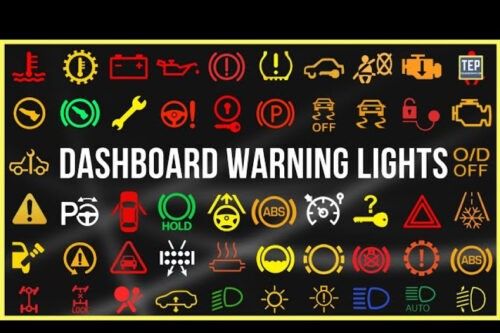
How To Identify Warning Lights In The Dashboard?
Dashboard warning lights use symbols and colors to indicate their meaning. Refer to your vehicle’s manual for exact definitions. Recognizing these lights helps you respond quickly to car issues.
When Should I Ignore A Dash Light?
Most dash lights should not be ignored, but some like the seatbelt reminder can be temporarily disregarded. Always assess the severity and check your manual to decide when to act immediately.
Conclusion
Dashboard lights tell you important car information. Each light has a meaning you should know. Some lights warn about serious problems. Others just remind you to check something soon. Pay attention to these lights while driving. They help keep your car safe and working well.
Don’t ignore them or wait too long to act. Understanding dash lights can save you money and trouble. Stay alert and keep your car in good shape. Simple care makes a big difference on the road.







