
Have you ever seen a warning light pop up on your car’s dashboard and felt a sudden rush of worry? You’re not alone.
Those little lights are designed to grab your attention because they mean something important about your car’s health. But what do they really mean? And what should you do when one lights up? Understanding your car warning lights can save you time, money, and even keep you safe on the road.
Keep reading to learn how to decode these signals and take control the next time your dashboard speaks to you.
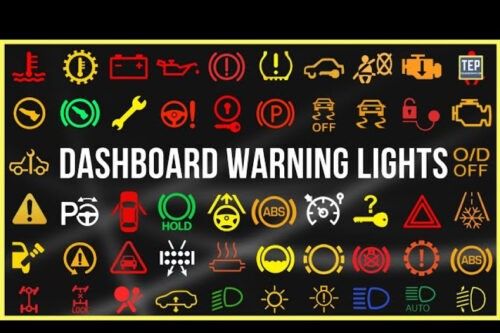
Credit: www.zigwheels.my
Common Car Warning Lights
Car warning lights tell you if something needs attention. They help keep your car safe and working well.
Knowing what each light means can save you time and money. Here are some common warning lights you might see.
Engine Warning Light
The engine warning light shows a problem with your engine or emissions system. It can be yellow or orange and looks like an engine shape.
If this light comes on, your car needs a checkup soon. Driving with this light on may cause damage or reduce fuel efficiency.
Battery Alert
The battery alert light looks like a battery icon. It means your car’s charging system is not working properly.
This light may come on if the alternator or battery has a problem. Your car might stop running if the battery dies.
Oil Pressure Indicator
The oil pressure light looks like an oil can. It warns that the oil pressure is too low in the engine.
Low oil pressure can cause serious engine damage. Stop the car and check the oil level right away if this light turns on.
Brake System Warning
The brake warning light usually looks like an exclamation mark inside a circle or the word “BRAKE.” It signals a problem with your brake system.
This light can mean low brake fluid, worn brake pads, or a brake system fault. Check your brakes immediately for safety.
Tire Pressure Monitor
The tire pressure monitor light looks like an exclamation mark inside a horseshoe shape. It shows one or more tires have low pressure.
Low tire pressure can cause poor handling and increase tire wear. Check your tire pressure and inflate tires as needed.
Immediate Steps To Take
Car warning lights signal that your vehicle needs attention. Acting fast can keep you safe and protect your car.
Follow these steps as soon as a warning light appears on your dashboard. Each action helps you handle the issue properly.
Pulling Over Safely
Find a safe place to stop right away. Use your turn signals and slow down gradually. Avoid sudden moves to keep yourself and others safe.
- Turn on your hazard lights to alert other drivers.
- Look for a wide shoulder or parking lot.
- Stop the car and shift into park.
- Turn off the engine if you smell smoke or see steam.
Checking The Dashboard
Look closely at the warning light color and symbol. Red means urgent; yellow or orange means caution. Note any other alerts or messages on the screen.
| Light Color | Meaning | Action |
| Red | Serious problem | Stop immediately |
| Yellow/Orange | Check soon | Drive carefully |
| Green/Blue | Informational | No urgent action |
Consulting The Owner’s Manual
Use your car’s manual to understand the warning light. It explains what the symbol means and what to do next. Keep the manual in your glove box for quick reference.
Tips for Using the Owner’s Manual:
- Locate the warning lights section.
- Match the symbol to the manual’s description.
- Follow the manual’s recommended steps.
Avoiding Further Damage
Do not ignore warning lights. Continuing to drive can worsen damage and increase repair costs. If unsure, call for roadside assistance or a mechanic.
- Stop driving if the light is red or flashing.
- Do not open the hood if the engine is hot and smoking.
- Use a tow service if needed.
- Schedule a repair appointment promptly.
Tools To Keep In Your Car
Keeping some basic tools in your car can help you handle common problems. These tools save time and keep you safe on the road.
Here are some important tools every driver should have ready for emergencies and quick fixes.
Obd-ii Scanner
An OBD-II scanner reads your car’s computer codes. It helps you understand warning lights and detect issues early. You can check engine problems without going to a mechanic first.
Spare Fuses And Bulbs
Car fuses and bulbs can blow or burn out suddenly. Carrying spares lets you replace them quickly. This avoids electrical failures and keeps your lights working.
- Check your car manual for fuse types
- Pack spare bulbs for headlights and brake lights
- Store them in a small box or pouch
Tire Pressure Gauge
Proper tire pressure improves safety and fuel efficiency. Use a tire pressure gauge to check your tires regularly. It helps you spot leaks or low pressure early.
| Tire Type | Recommended Pressure (PSI) |
| Compact Car | 30-35 |
| SUV | 35-40 |
| Truck | 40-45 |
Basic Repair Kit
A basic repair kit includes tools for small fixes. It helps with minor repairs until you reach help. The kit should be easy to carry and include essential items.
- Screwdrivers (flat and Phillips)
- Pliers and adjustable wrench
- Tire patch kit
- Electrical tape and duct tape
- Jumper cables
- Gloves and flashlight
Credit: www.vertumotors.com
When To Call For Help
Car warning lights tell you when something is wrong with your vehicle. Some lights need quick action. Knowing when to call for help can keep you safe.
If a warning light stays on or flashes, do not ignore it. Call for help if you feel unsure or the car acts strange.
Emergency Roadside Assistance
Emergency roadside help is useful if your car breaks down suddenly. They can fix small problems or help you get to a safe place.
- Call if the engine overheats or the battery dies.
- Ask for help if your car won’t start or stalls on the road.
- Use this service if you have a flat tire and no spare tire.
- Call if you run out of fuel and cannot reach a gas station.
Towing Services
Towing is needed when your car cannot be driven safely. This happens with serious engine or brake problems.
| Warning Light | Reason to Tow |
| Check Engine Light | Major engine damage suspected |
| Brake Warning Light | Brake failure or low brake fluid |
| Oil Pressure Light | Low oil pressure risking engine damage |
| Temperature Warning Light | Engine overheating |
Professional Mechanic Visit
Some warning lights mean you should see a mechanic soon. Your car may still run but needs a checkup.
Signs to visit a mechanic:
- Warning lights that stay on after starting the car.
- Strange noises or smells from the engine.
- Reduced power or poor fuel economy.
- Steering or braking feels different than usual.
Preventive Maintenance Tips
Car warning lights alert you to possible problems. Regular maintenance helps keep your vehicle safe and reliable.
Check key areas often to avoid costly repairs and breakdowns on the road.
Regular Fluid Checks
Fluids keep your car running smoothly. Check oil, coolant, brake, and transmission fluids monthly.
- Check oil level and color with the dipstick
- Look for coolant leaks under the car
- Ensure brake fluid is at the correct level
- Check transmission fluid if your car allows
Scheduled Inspections
Follow your vehicle’s inspection schedule. Professional checks find issues early before warning lights appear.
| Inspection Type | How Often |
| Engine Tune-Up | Every 30,000 miles |
| Brake Inspection | Every 12,000 miles |
| Battery Test | Every 12 months |
| Tire Rotation | Every 6,000 miles |
Keeping Tires Inflated
Proper tire pressure improves safety and saves fuel. Check tire pressure monthly using a gauge.
Look at the tire sidewall for the recommended pressure number. Inflate tires to this value.
Battery Care
Keep your battery clean and tight. Remove corrosion from terminals with a brush.
Test your battery regularly. Replace it if it shows signs of weakness.

Credit: americanimportsautorepair.com
Frequently Asked Questions
What Does A Red Car Warning Light Mean?
A red car warning light signals a serious issue. It indicates immediate attention is needed to avoid damage or danger. Stop driving and check the problem or call for assistance.
How To Reset A Car Warning Light?
To reset a car warning light, use an OBD-II scanner or disconnect the battery briefly. Always fix the underlying issue before resetting the light to prevent further damage.
Why Is My Car Warning Light Blinking?
A blinking car warning light usually means a critical problem. It requires urgent attention and often indicates engine misfires or severe system faults. Stop driving and get professional help immediately.
Can I Drive With A Car Warning Light On?
Driving with a warning light on depends on the light color and issue severity. Yellow lights may allow cautious driving, but red lights mean stop and repair immediately to avoid risks.
Conclusion
Car warning lights keep you safe on the road. They show when your car needs attention. Ignoring these lights can cause bigger problems. Always check your car manual to understand each light. Regular car care helps avoid unexpected breakdowns. Pay attention to warning signals.
Stay alert and drive smart. Your car will thank you.







