
Have you ever noticed the ABS light glowing on your car’s dashboard and wondered what it means? That little warning can cause a lot of worry, but understanding it can save you from bigger problems down the road.
Your car’s ABS light is there to keep you safe, alerting you when the Anti-lock Braking System needs attention. You’ll learn exactly what the ABS light means, why it comes on, and what steps you should take to keep your car—and yourself—safe on the road.
Keep reading to make sure you’re never caught off guard by this important warning.
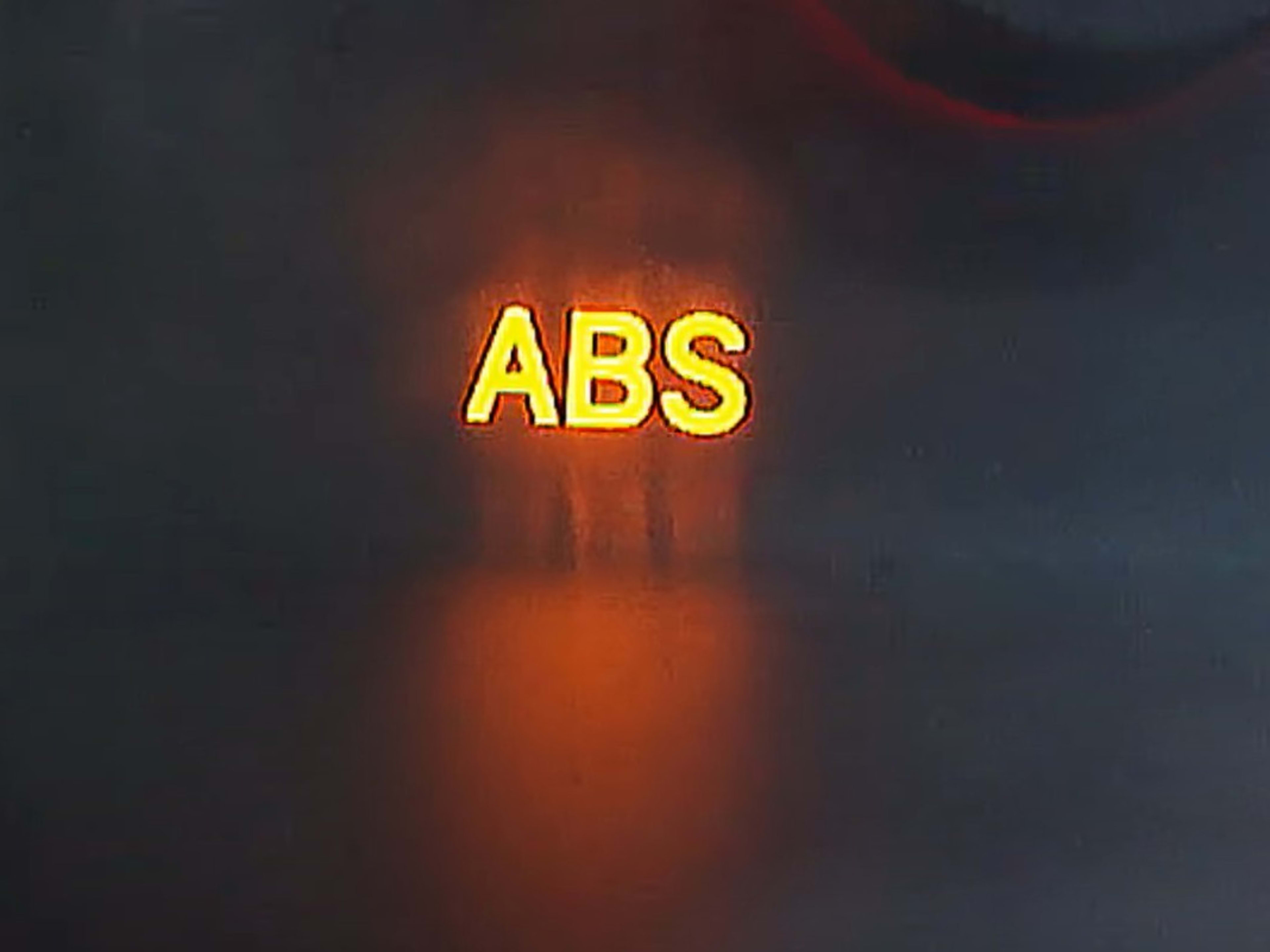
Credit: axleaddict.com
Abs Light Basics
The ABS light in your car shows the status of the Anti-lock Braking System. This system helps prevent wheel lock-up during hard braking.
When the ABS light turns on, it means there is a problem with the system. Understanding this light helps keep your brakes working safely.
What The Abs Light Means
The ABS light comes on to alert you about the braking system. It means the ABS is not working properly.
Even if the ABS light is on, your normal brakes still work. But the anti-lock feature may not work in emergencies.
Common Triggers For The Light
The ABS light can turn on for several reasons. Some are simple, while others need a mechanic’s help.
- Faulty wheel speed sensors
- Low brake fluid levels
- Damaged ABS module
- Blown ABS fuse or relay
- Wiring problems in the ABS system
- Worn or damaged brake parts
Frequent Causes Of Abs Light
The ABS light on your car’s dashboard warns you about issues in the anti-lock braking system. It signals a problem that can affect braking safety. Understanding common causes helps you address the problem quickly.
This guide explains four frequent reasons why the ABS light may turn on. Each cause impacts the system differently and requires specific checks.
Faulty Wheel Speed Sensors
Wheel speed sensors monitor the rotation of each wheel. If a sensor fails, the ABS system cannot detect wheel speed accurately. Dirt, damage, or wiring faults often cause sensor failure.
- Sensor damage from road debris
- Corrosion on sensor connectors
- Wiring harness problems
- Magnetic ring damage
Damaged Abs Module
The ABS module controls the braking pressure to prevent wheel lockup. A damaged module can cause the ABS light to come on. Moisture, heat, or electrical faults may harm the module.
Low Brake Fluid Levels
Brake fluid helps transfer force from the brake pedal to the brakes. Low fluid levels can trigger the ABS light. Leaks or worn brake pads often cause the fluid level to drop.
| Cause | Effect on ABS |
| Brake fluid leak | Reduces hydraulic pressure |
| Worn brake pads | Lower fluid reservoir level |
| Faulty fluid sensor | False low fluid warning |
Blown Fuses Or Wiring Issues
The ABS system relies on electrical power and signals. A blown fuse or wiring problem can stop the system from working. This causes the ABS light to stay on.
- Check ABS fuse in the fuse box
- Inspect wiring for damage or loose connections
- Look for corrosion on terminals
- Test electrical connectors for continuity
Diagnosing Abs Problems
The ABS light in your car signals a problem with the anti-lock braking system. This system helps keep your car stable when braking hard. Diagnosing ABS problems early can prevent bigger issues.
There are simple ways to check what causes the ABS light to come on. Some checks you can do yourself. Others need special tools or a mechanic’s help.
Using An Obd-ii Scanner
An OBD-II scanner reads error codes from your car’s computer. These codes help find the exact ABS problem. You can buy or borrow a scanner from auto stores.
Plug the scanner into the car’s OBD-II port, usually under the dashboard. Turn on the ignition and read the codes. Write down the codes to look up their meaning.
- Locate the OBD-II port under the dashboard
- Connect the scanner and turn on the ignition
- Read and record the ABS error codes
- Look up codes online or in the scanner manual
Visual Inspection Tips
Look for obvious signs of ABS issues by checking the car’s components. Check the ABS sensors near each wheel. They can get dirty or damaged.
Inspect the wiring and connectors for cracks or loose parts. Also, check the brake fluid level. Low fluid can trigger the ABS light.
- Clean ABS sensors and remove dirt
- Check wiring for damage or loose ends
- Ensure brake fluid is at the right level
- Look for worn brake pads or discs
When To Visit A Mechanic
If the ABS light stays on after checks, see a mechanic. They have tools to find hidden issues. Some ABS problems affect your car’s safety.
A mechanic can fix sensor faults, wiring problems, or hydraulic issues. Don’t delay if the brakes feel different or the ABS light blinks.
- ABS light stays on after simple checks
- Brakes feel weak or strange
- ABS light flashes while driving
- Car pulls to one side when braking
Fixing Abs Light Issues
The ABS light on your car dashboard warns you about problems in the anti-lock braking system. Fixing these issues is important for safe driving. Several common causes can trigger the ABS light.
This guide covers how to clean or replace sensors, repair wiring and fuses, refill brake fluid, and replace the ABS module. Each fix helps restore the system’s function and turn off the warning light.
Cleaning Or Replacing Sensors
ABS sensors detect wheel speed and send signals to the system. Dirt and debris can block the sensors. Cleaning sensors often solves ABS light problems. If cleaning does not help, sensors may need replacement.
- Locate the ABS sensors near each wheel hub.
- Remove dirt and rust carefully with a soft brush.
- Check sensor wiring for damage.
- Replace sensors if they show wear or fail tests.
Repairing Wiring And Fuses
Broken or loose wiring can stop signals from sensors. A blown fuse can also cause ABS light to come on. Inspecting and repairing wiring and fuses restores proper function to the ABS system.
| Part | What to Check | Fix |
| Wiring | Frays, breaks, loose connections | Repair or replace damaged wires |
| Fuses | Blown fuse in fuse box | Replace blown fuse with correct rating |
Refilling Brake Fluid
Low brake fluid can trigger the ABS warning light. Check your brake fluid level regularly. Use the recommended type of fluid and refill if needed. Do not overfill the reservoir.
Always check for leaks in the brake lines if fluid levels drop quickly. Fix any leaks before refilling the fluid.
Replacing The Abs Module
The ABS module controls the system and can fail over time. Replacing the module is a complex job but may be necessary if other fixes fail. A bad module often causes the ABS light to stay on.
Signs of a bad ABS module include:
- ABS light stays on after other repairs
- Brake pedal feels unusual
- ABS system does not activate during hard braking
Safety Tips When Abs Light Is On
The ABS light on your car’s dashboard means a problem with the anti-lock braking system. This system helps keep control during hard braking. When the light is on, your brakes may not work as well.
Knowing what to do when the ABS light comes on can keep you safe on the road. Follow these safety tips to handle the situation carefully.
Adjusting Driving Habits
Drive more carefully if the ABS light is on. Your brakes may not respond as usual. Slow down and keep more distance from cars ahead. Avoid sudden stops or sharp turns.
- Keep a longer following distance
- Brake gently and early
- Avoid heavy braking on slippery roads
- Stay calm and focused while driving
Checking Brake Performance
Check if your brakes feel different. They may be less responsive or make noises. Test the brakes in a safe area to see if they work properly. If you notice any problems, get your brakes checked immediately.
| Brake Check Item | What to Look For |
| Brake Pedal | Soft or spongy feel |
| Stopping Distance | Longer than usual |
| Brake Noise | Squealing or grinding |
| Car Pulling | Pulls to one side when braking |
Avoiding Hazardous Conditions
Do not drive in tough conditions if the ABS light is on. Avoid rain, snow, or icy roads. These conditions need the ABS to keep control. If you must drive, slow down and be very careful.
Safety tips to avoid hazards:
- Check weather before driving
- Use alternative routes with better road conditions
- Keep emergency numbers ready
- Do not drive at night if possible

Credit: simonsautorepairtaunton.com
Preventing Abs Light Problems
The ABS light in your car is crucial for safety. It alerts you to issues in the Anti-lock Braking System. Keeping this light off means your brakes work well.
Maintaining the ABS system can prevent costly repairs. Regular care ensures your car’s brakes function correctly. Let’s look at key maintenance practices.
Regular Brake System Maintenance
Regular brake system checks are essential. They help identify potential issues before they become serious. This keeps your car safe and reliable.
- Check brake pads for wear and tear
- Inspect brake rotors for damage
- Ensure brake lines are not leaking
Routine Sensor Checks
Sensors play a vital role in the ABS system. They monitor wheel speed and help prevent skidding. Keeping sensors clean is important for accurate readings.
| Sensor Type | Check Frequency |
| Wheel Speed Sensor | Every 6 months |
| Pressure Sensor | Yearly |
| Fluid Level Sensor | Quarterly |
Keeping Brake Fluid At Optimal Levels
Brake fluid is critical for ABS function. It transmits force to the brakes and must be at the right level. Low fluid can trigger the ABS light.

Credit: timsquality.com
Frequently Asked Questions
What Does Abs Light Mean In A Car?
The ABS light indicates a problem with the Anti-lock Braking System. It alerts you when the system is malfunctioning or disabled. The ABS helps prevent wheel lock during hard braking. When this light stays on, your ABS may not work properly, affecting braking safety.
Is It Safe To Drive With The Abs Light On?
You can drive, but with caution. The ABS system may not function during emergency stops. Your regular brakes will still work, but the car might skid more easily. It’s best to have the ABS system checked and repaired quickly to ensure full braking safety.
What Causes The Abs Light To Turn On?
Common causes include faulty wheel speed sensors, damaged ABS modules, or blown fuses. Dirt, corrosion, or wiring issues can also trigger the light. Regular brake system maintenance helps prevent these problems. A diagnostic scan can pinpoint the exact cause.
How Can I Reset The Abs Light On My Car?
The ABS light can be reset by fixing the issue first. After repairs, some cars reset automatically after driving. Others require a diagnostic tool to clear the error code. Always ensure the problem is resolved before resetting to avoid safety risks.
Conclusion
The ABS light warns you about your car’s braking system. It means the system needs a check. Driving with the ABS light on can be risky. Your brakes might not work well in emergencies. Visit a mechanic to find and fix the problem.
Regular car care keeps you safe on the road. Always pay attention to warning lights. They help prevent bigger issues later. Stay alert and drive safely every day.







