
Have you ever noticed a yellow warning light glowing on your car’s dashboard and wondered what it means? That little symbol might seem harmless, but it’s actually your car’s way of telling you something needs attention.
Ignoring these yellow warning lights can lead to bigger problems—and cost you more money down the road. You’ll discover exactly what these lights mean, why they matter, and what steps you should take the moment they appear. Keep reading to protect your car and your peace of mind.
Credit: www.timesdrive.in
Common Yellow Warning Lights
Yellow warning lights in a car dashboard signal issues that need attention. They do not mean an emergency but should not be ignored.
Understanding these lights helps keep your car safe and running well. Here are some common yellow warning lights.
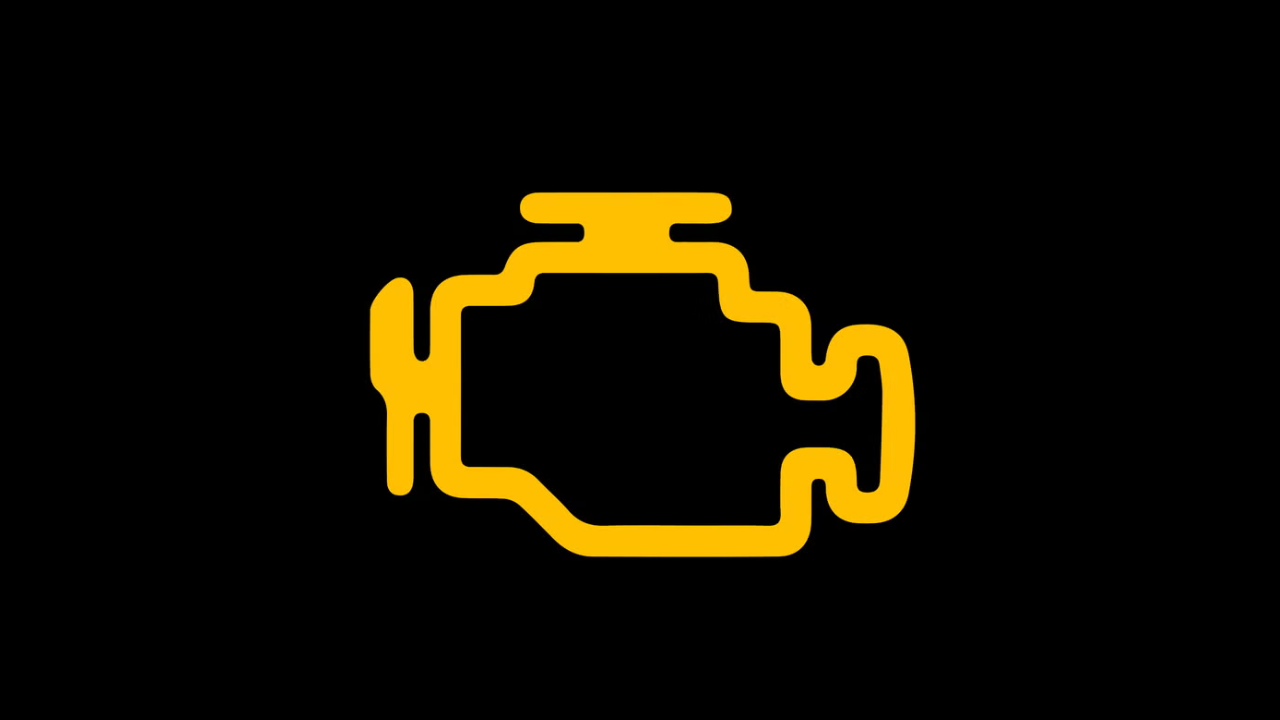
Engine Check Light
The engine check light comes on when the car’s computer finds a problem. It could be a small issue or something serious.
It is best to have the engine checked soon to avoid bigger repairs or damage.
Tire Pressure Indicator
This light shows when tire pressure is low. Driving with low pressure can cause poor handling and tire damage.
Check your tire pressure and fill the tires to the recommended level to fix this warning.
Battery Alert
The battery alert light means the battery is not charging properly. It could be a problem with the battery or alternator.
Fixing this early prevents your car from losing power and stopping unexpectedly.
Oil Level Warning
This light warns that your engine oil level is low. Oil is needed to keep the engine parts moving smoothly.
Check your oil level and add oil if needed to avoid engine damage.
Brake System Light
The brake system light shows there is a problem with the brakes. It could be low brake fluid or worn brake pads.
Have the brake system checked quickly to keep driving safely.

Credit: www.familyhandyman.com
Causes Behind Yellow Lights
Yellow warning lights in cars signal a caution. They tell drivers to check the car soon. These lights do not mean an emergency.
Understanding the causes helps to know what to do next. Some common reasons cause yellow lights to appear.
Sensor Malfunctions
Sensors in cars monitor many parts. If a sensor fails, it can send wrong signals. This triggers the yellow warning light.
Common sensors that cause this are oxygen, temperature, and pressure sensors. A faulty sensor needs fixing or replacing.
Fluid Levels Issues
Low or dirty fluids cause yellow lights. Fluids like oil, brake fluid, and coolant keep the car safe and smooth.
- Low engine oil can cause engine damage.
- Low brake fluid affects stopping power.
- Low coolant causes engine overheating.
- Dirty fluids reduce car performance.
Electrical System Glitches
The car’s electrical system controls many functions. Issues like bad wiring or weak battery can cause yellow lights. These glitches can cause wrong signals.
| Problem | Effect |
| Loose wiring | Intermittent warning lights |
| Weak battery | Starting issues and alerts |
| Blown fuses | Malfunction of key systems |
Wear And Tear Indicators
Yellow lights may warn about worn car parts. Brake pads, tires, and filters wear out with use. The light tells you to inspect these parts soon.
Signs of wear and tear include:
- Brake pads thinner than 3mm
- Tires with low tread depth
- Clogged air or fuel filters
Immediate Actions To Take
Seeing a yellow car warning light can be worrying. It means your vehicle needs attention soon. Acting quickly helps avoid bigger problems.
This guide explains what to do right away. Follow simple steps to stay safe and protect your car.
Safe Pull Over Procedures
If a yellow warning light appears, find a safe place to stop. Use your turn signals to alert other drivers. Avoid sudden moves to keep control.
- Look for a safe spot on the side of the road.
- Slow down gradually and use your signals.
- Pull over as far off the road as possible.
- Turn on your hazard lights to warn other drivers.
- Set the parking brake if needed before exiting the car.
Checking Vehicle Manuals
Your vehicle manual has important info about warning lights. It shows what each light means and what to do next. Always keep your manual in the car.
Look under the dashboard lights section. Find the yellow warning symbol you see. The manual explains if the issue is urgent or can wait.
Follow the recommended advice carefully to avoid damage.
Basic Troubleshooting Steps
Some issues can be checked quickly before calling a mechanic. These steps help you identify simple problems.
| Action | What to Check | Why It Matters |
|---|---|---|
| Check engine oil level | Use dipstick to see if oil is low | Low oil can cause engine damage |
| Look at tire pressure | Check tires for proper inflation | Wrong pressure affects safety and fuel |
| Inspect coolant level | Open radiator cap when engine is cool | Low coolant can cause overheating |
| Check gas cap | Make sure gas cap is tight | Loose cap may trigger warning light |
When To Visit A Mechanic
Yellow car warning lights signal a problem that needs attention. Some issues require quick action to avoid damage.
Knowing when to see a mechanic helps keep your car safe and running well. Learn how to spot urgent repairs and plan maintenance.
Identifying Urgent Repairs
Some yellow warning lights mean you should visit a mechanic right away. Ignoring these can cause serious damage or danger.
Common urgent warnings include engine issues, low oil pressure, and brake system alerts. These need fast checks and fixes.
- Engine warning light stays on
- Oil pressure warning appears
- Brake system warning is lit
- Battery or charging system alerts
- Overheating temperature light glows
Scheduling Routine Maintenance
Yellow lights can also remind you of regular car care. Routine maintenance helps avoid big problems later.
Check your car manual for service schedules. Plan visits for oil changes, filter replacements, and tire checks.
- Change engine oil every 5,000 to 7,500 miles
- Replace air and fuel filters regularly
- Inspect brakes and tires monthly
- Check battery and lights often
Choosing A Reliable Service Center
Pick a mechanic you trust for repairs and maintenance. Good service keeps your car safe and lasting longer.
Look for certified technicians and clear pricing. Read reviews and ask friends for recommendations.
- Check for proper licenses and certifications
- Ask about warranties on repairs
- Compare prices from different shops
- Choose a place with good customer feedback
Preventive Measures
Yellow car warning lights signal possible problems. Taking early action can keep your vehicle safe. Preventive steps reduce the chance of breakdowns and costly repairs.
Simple checks and regular care help you spot issues early. Follow these key measures to maintain your car’s health and avoid warning alerts.
Regular Vehicle Inspections
Inspect your car often to find small problems. Look under the hood, check lights, brakes, and steering. Regular checks help keep your car in good shape.
- Check engine and warning lights on the dashboard
- Listen for unusual noises while driving
- Inspect belts and hoses for cracks or leaks
- Look for fluid leaks under the vehicle
Maintaining Fluid Levels
Fluids keep your car running smoothly. Low or dirty fluids can cause warning lights. Check and refill fluids regularly to avoid engine trouble.
| Fluid Type | Purpose | Check Frequency |
|---|---|---|
| Engine Oil | Lubricates engine parts | Monthly or every 1,000 miles |
| Coolant | Keeps engine temperature safe | Every 3 months or 30,000 miles |
| Brake Fluid | Ensures braking power | Every 6 months |
| Transmission Fluid | Helps gear shifting | Every 30,000 to 60,000 miles |
Keeping Tires Properly Inflated
Proper tire pressure improves safety and fuel efficiency. Low tires can cause warning lights and affect control. Check tire pressure at least once a month.
- Use a tire pressure gauge to check pressure
- Inflate tires to the recommended pressure in the owner’s manual
- Inspect tires for uneven wear or damage
- Rotate tires every 5,000 to 7,000 miles

Credit: www.reddit.com
Technology Behind Warning Lights
Yellow car warning lights are essential for driver safety. They alert drivers to potential issues in their vehicles.
Understanding the technology behind these warning lights can help drivers respond appropriately.
Role Of Onboard Diagnostics
Onboard diagnostics systems monitor vehicle performance. They detect faults and trigger warning lights to alert the driver.
- Monitors engine and emissions
- Checks fuel system efficiency
- Ensures proper transmission operation
Sensors And Their Functions
Sensors play a key role in vehicle safety. They gather data and send it to the car’s computer system.
| Sensor Type | Function |
| Oxygen Sensor | Monitors exhaust emissions |
| Temperature Sensor | Checks engine temperature |
| Speed Sensor | Measures wheel speed |
Advancements In Alert Systems
New technology enhances alert systems in cars. These advancements improve driver awareness and response times.
Frequently Asked Questions
What Does A Yellow Car Warning Light Mean?
A yellow car warning light signals a potential issue needing attention. It indicates a system alert but not an emergency. You should check the car’s manual and address the problem soon to avoid further damage.
Should I Stop Driving When A Yellow Warning Light Appears?
No, yellow warning lights usually mean caution, not immediate stopping. However, reduce speed and drive carefully. Schedule a diagnostic check to identify and fix the issue promptly for safe driving.
How To Diagnose Yellow Warning Lights In Cars?
Use an OBD-II scanner to read the car’s fault codes. These codes help identify the system triggering the yellow light. A mechanic can also perform a detailed inspection for accurate diagnosis and repair.
Can Yellow Warning Lights Cause Engine Damage?
Ignoring yellow warning lights can lead to engine damage over time. They indicate issues like emissions or sensor faults. Addressing the warning quickly prevents costly repairs and ensures your vehicle runs smoothly.
Conclusion
Yellow car warning lights show when your vehicle needs attention. They help you avoid bigger problems and keep you safe. Learning what each light means saves time and money. Don’t ignore these signals; check your car soon. Staying aware helps your car run smoothly longer.
Watch for warning lights and act quickly. Your safety and your car’s health depend on it. Simple steps keep your driving worry-free and easy.







