
Are you ready to give your car a fresh, modern look while improving your night driving experience? Installing LED lights in your car is easier than you think, and it can make a big difference in both style and safety.
Whether you want brighter headlights, eye-catching interior lights, or cool underglow effects, this guide will walk you through every step. By the end, you’ll have the confidence to upgrade your car’s lighting yourself—saving money and turning heads wherever you go.
Keep reading to discover how simple it is to install LED lights in your car and transform your ride today!
Choosing The Right Led Lights
Installing LED lights on your car can improve visibility and style. Picking the right lights is important for safety and performance.
Understand the options available before you buy. This helps you choose lights that fit your needs and car model.
Types Of Led Lights For Cars
There are different LED lights for cars, such as headlights, interior lights, and strip lights. Each type has its own use and design.
- Headlights provide main road illumination
- Interior lights brighten the cabin
- Strip lights add decoration or accent
- Fog lights improve visibility in bad weather
Brightness And Color Options
LED lights come in different brightness levels measured in lumens. Higher lumens mean brighter light. Choose brightness that suits your driving needs.
Colors vary from white to blue, red, or amber. White and amber are common for headlights and signals. Choose colors that follow traffic laws.
- Bright white for clear road vision
- Amber for turn signals and fog lights
- Colored lights for interior or accent only
Compatibility With Your Vehicle
Check if the LED lights fit your car’s make and model. Not all lights work with every vehicle. Look for size and connection type.
Also, verify if your car’s electrical system supports LED lights. Some vehicles need adapters or resistors to avoid errors.
- Match bulb size to your car’s requirements
- Check voltage and wattage compatibility
- Use adapters if your car signals errors
Tools And Materials Needed
Installing LED lights in your car can brighten your drives. Getting the right tools helps you do it safely and correctly.
This guide covers the basic tools and materials you need to start the installation process.
Basic Tools For Installation
You need a few simple tools to install LED lights in your car. These tools help with wiring and mounting the lights.
- Screwdrivers (flathead and Phillips)
- Wire strippers and cutters
- Electrical tape
- Multimeter for testing circuits
- Socket wrench set
- Heat shrink tubing
- Crimping tool for connectors
Safety Gear
Wear safety gear to protect yourself during installation. This prevents injuries and keeps you safe from electric shocks.
- Insulated gloves for electrical work
- Safety glasses to protect your eyes
- Long sleeves to avoid cuts and burns
- Closed-toe shoes for foot safety
Additional Accessories
Some extra items make the installation easier and cleaner. These accessories help secure wires and improve the setup.
- Cable ties to organize wires
- Mounting brackets or clips
- Fuse holders for safety
- Connector terminals for strong connections
- Wire loom to protect cables
Preparing Your Car For Installation
Installing LED lights on your car starts with proper preparation. This helps ensure the lights fit well and work safely.
Follow the steps below to get your car ready before the actual installation.
Cleaning The Installation Area
Clean the area where you will install the LED lights. Dirt and grease can stop the lights from sticking properly.
- Use a mild soap and water to wash the surface.
- Dry the area with a clean cloth.
- Remove any leftover wax or polish with rubbing alcohol.
- Make sure the surface is smooth and free of dust.
Disconnecting The Battery
Always disconnect your car battery before working with electrical parts. This prevents shocks and damage.
| Battery Terminal | Action |
| Negative (-) | Disconnect first |
| Positive (+) | Disconnect second |
| Reconnecting | Connect positive first, then negative |
Removing Old Lights
Remove the old lights carefully to avoid damage. This creates space for the new LED lights.
Use the right tools to loosen screws or clips holding the lights. Keep these parts if needed for the new installation.

Credit: www.youtube.com
Step-by-step Installation Process
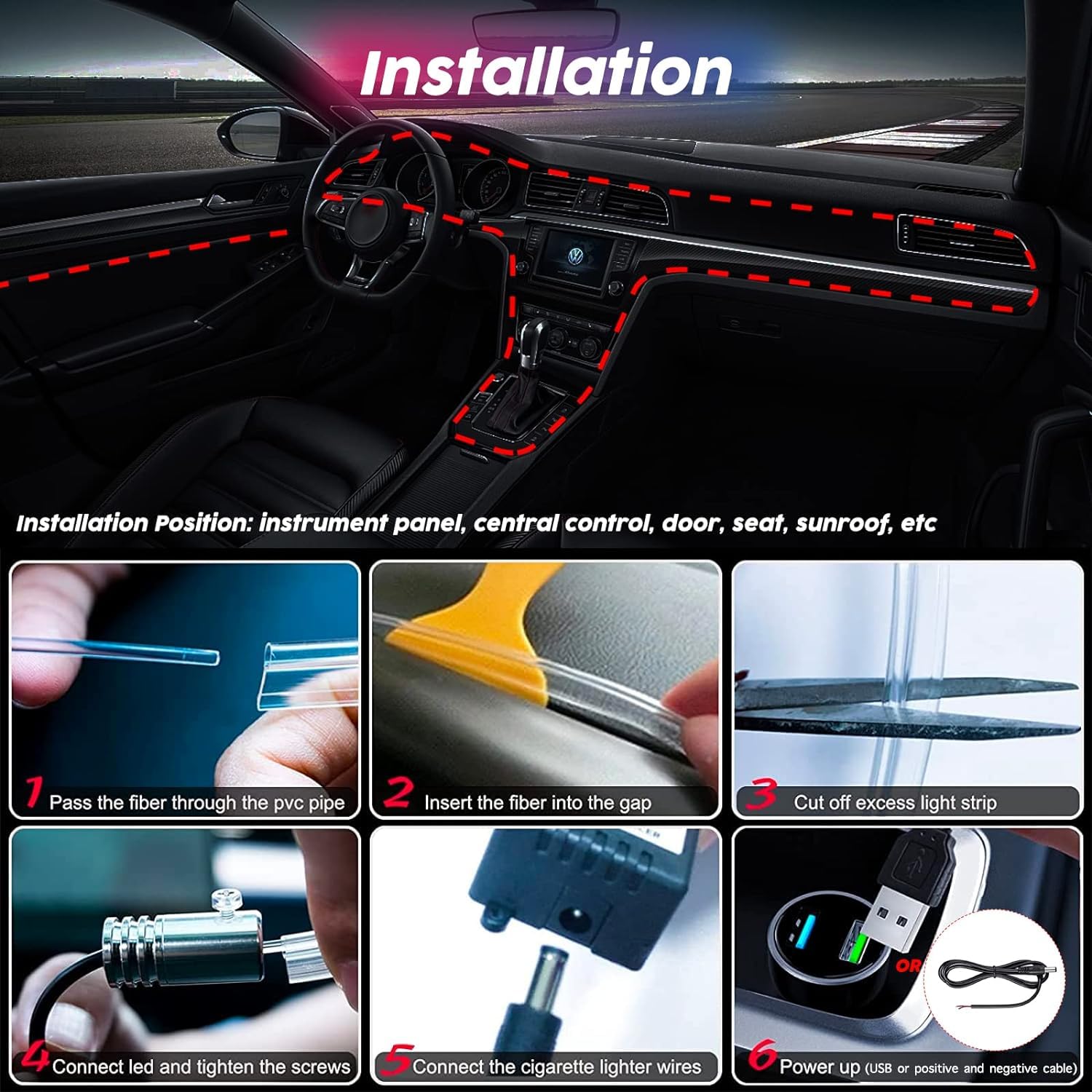
Installing LED lights on your car can improve visibility and style. This guide shows you how to do it safely. Follow each step carefully for the best results.
You will learn how to wire the lights, mount them securely, and test them after installation.
Wiring The Led Lights
Start by disconnecting your car battery to avoid electric shock. Locate the power source for the LED lights. Connect the positive wire to the car’s battery positive terminal and the negative wire to a grounding point on the car body.
- Disconnect the car battery.
- Find the power source for the LED lights.
- Attach the positive wire to the battery positive terminal.
- Connect the negative wire to a metal ground point on the car.
- Use wire connectors or solder for secure connections.
- Insulate all connections with electrical tape.
- Reconnect the car battery after wiring.
Mounting The Lights Securely
Choose a safe and visible location for the LED lights. Clean the area to remove dirt and grease. Use mounting brackets or strong adhesive tape to fix the lights in place. Make sure the lights do not block any important parts of the car.
| Mounting Material | Use Case | Tips |
|---|---|---|
| Mounting Brackets | Permanent fixtures | Drill holes carefully |
| Adhesive Tape | Temporary or smooth surfaces | Press firmly for 30 seconds |
| Zip Ties | Wiring bundles or light strips | Use tight but not too tight |
Testing The Lights
Turn on your car and switch on the LED lights. Check if all lights turn on and shine evenly. Look for any flickering or dim spots. If you find problems, inspect the wiring and connections. Fix any loose wires or faulty parts.
- Switch on the car and LED lights.
- Observe the brightness and coverage.
- Look for flickering or dark areas.
- Check wiring if problems appear.
- Secure any loose connections.
- Replace damaged LEDs if needed.
Troubleshooting Common Issues
Installing LED lights in your car can sometimes cause problems. This guide helps you fix common issues quickly.
Read each section carefully to find simple solutions. These tips will keep your car lights working well.
Fixing Flickering Lights
Flickering lights often mean a poor connection or a power issue. Check your LED bulbs and wiring first.
- Turn off the car and remove the LED bulb.
- Clean the bulb’s contacts with rubbing alcohol.
- Inspect the socket for dirt or corrosion.
- Reinstall the bulb firmly in its socket.
- Test the lights by turning the car on.
Dealing With Wiring Problems
Wiring issues cause lights to fail or behave erratically. Check wires for damage or loose connections.
| Problem | Cause | Fix |
| Light does not turn on | Broken wire or loose connector | Replace or reconnect wires securely |
| Light flickers or dims | Frayed wires or poor grounding | Repair wires and check ground points |
| Fuse keeps blowing | Short circuit in wiring | Find and fix short, replace fuse |
Ensuring Proper Light Alignment
Correct light alignment improves visibility and safety. Misaligned lights can blind other drivers or reduce your view.
Use this checklist to align your LED car lights:
- Park your car on a flat surface facing a wall 25 feet away.
- Turn on the headlights and mark the center of each light beam on the wall with tape.
- Adjust the lights using the adjustment screws until the beams align with the marks.
- Test your alignment by driving at night and making small adjustments as needed.
Credit: www.amazon.ca
Maintaining Your Led Lights
Keeping your LED lights in top condition ensures safety and longevity. Regular maintenance is key to bright and efficient lighting in your car.
Follow these simple tips to maintain the performance of your LED lights and avoid any potential issues.
Cleaning Tips
Dust and dirt can dim your LED lights. Cleaning them regularly helps maintain their brightness and efficiency.
- Use a soft cloth to wipe the lights gently.
- Avoid harsh chemicals that might damage the surface.
- Ensure the lights are off and cool before cleaning.
Routine Checks
Routine checks help you spot issues early and ensure your LED lights work properly. Regular inspections are simple and quick.
| Task | Frequency |
| Visual Inspection | Monthly |
| Functionality Test | Every 3 months |
| Cleaning | Every 6 months |
Replacing Damaged Components
If any LED component is damaged, replace it promptly. This prevents further damage and ensures optimal performance.
Check the manufacturer’s guide for compatible replacement parts and follow safety instructions during installation.
Legal Considerations
Installing LED lights on your car can enhance its appearance. But you must follow legal rules to avoid fines.
Understanding local laws is crucial. This ensures your car modifications are safe and compliant.
Local Regulations On Car Lighting
Different regions have unique rules for car lights. It is important to know these before installing LED lights.
| Region | Allowed Color | Brightness Limit |
| California | White, Amber | 2,500 Lumens |
| Texas | White, Blue | 3,000 Lumens |
| Florida | White, Red | 2,800 Lumens |
Avoiding Common Violations
Many car owners face fines due to lighting violations. Avoid these common mistakes to stay safe and legal.
- Avoid using flashing lights
- Do not use lights that resemble emergency vehicles
- Ensure lights are not too bright or blinding
Ensuring Safety Compliance
Safety compliance is key for legal and safe driving. Follow these tips to ensure your LED lights meet safety standards.
Check your car’s manual for specific lighting guidelines. Always ensure lights are securely installed and function properly.

Credit: www.youtube.com
Frequently Asked Questions
How Do I Choose The Right Led Lights For My Car?
Select LED lights based on your car model and purpose. Check brightness, color temperature, and compatibility with your vehicle’s electrical system for optimal performance.
Can I Install Led Lights Myself Safely?
Yes, with basic tools and careful reading of instructions, you can install LED lights safely. Disconnect the battery before starting to avoid electrical shocks.
How Long Does Led Light Installation Usually Take?
Installing LED lights typically takes 30 to 60 minutes, depending on your experience and the complexity of the car’s lighting system.
Will Led Lights Drain My Car Battery?
LED lights consume less power than traditional bulbs, so they usually do not drain your car battery if installed correctly and used properly.
Conclusion
Installing LED lights in your car is simple and fun. Follow each step carefully to avoid mistakes. Use the right tools and check all connections. Test the lights before finishing to ensure they work well. Bright, energy-saving LED lights improve your driving experience.
Enjoy your car’s new look and better visibility. Keep safety in mind while installing and driving. You now have the knowledge to add LED lights with ease.







