
Are you thinking about upgrading your car’s look and safety at the same time? Light installation for your car is the perfect way to do both.
Imagine driving with brighter, clearer lights that not only make your vehicle stand out but also keep you safer on the road. Whether you want sleek LED strips, powerful headlights, or colorful accent lights, knowing the right options and how to install them can make all the difference.
Keep reading to discover how the right light installation can transform your car and your driving experience.

Credit: www.youtube.com
Choosing The Right Lights
Choosing the right lights for your car improves safety and style. Good lighting helps you see and be seen on the road.
Different lights serve different purposes. It is important to know the types and features before buying.
Types Of Car Lights
Cars use several types of lights. Each type has a special job to do for driving safety.
- Headlights: Bright lights for night driving and poor weather.
- Fog Lights: Low, wide beams to cut through fog and rain.
- Brake Lights: Red lights that warn others when you slow down.
- Turn Signals: Blinkers that show your driving direction.
- Daytime Running Lights: Lights that stay on during the day to increase visibility.
Brightness And Color Options
Brightness and color affect how well you see and how others see you. Bright lights help you spot hazards early.
| Light Type | Typical Brightness (Lumens) | Common Color |
|---|---|---|
| Halogen | 700 – 1,200 | Yellowish White |
| LED | 1,000 – 4,000 | Bright White |
| HID (Xenon) | 3,000 – 4,500 | Blue-White |
Energy Efficiency
Energy-efficient lights save battery power and last longer. They reduce the load on your car’s electrical system.
Here are energy use facts about common car lights:
- Halogen bulbs use more power but cost less upfront.
- LED lights use less power and have a longer life.
- HID lights use moderate power but can be costly.
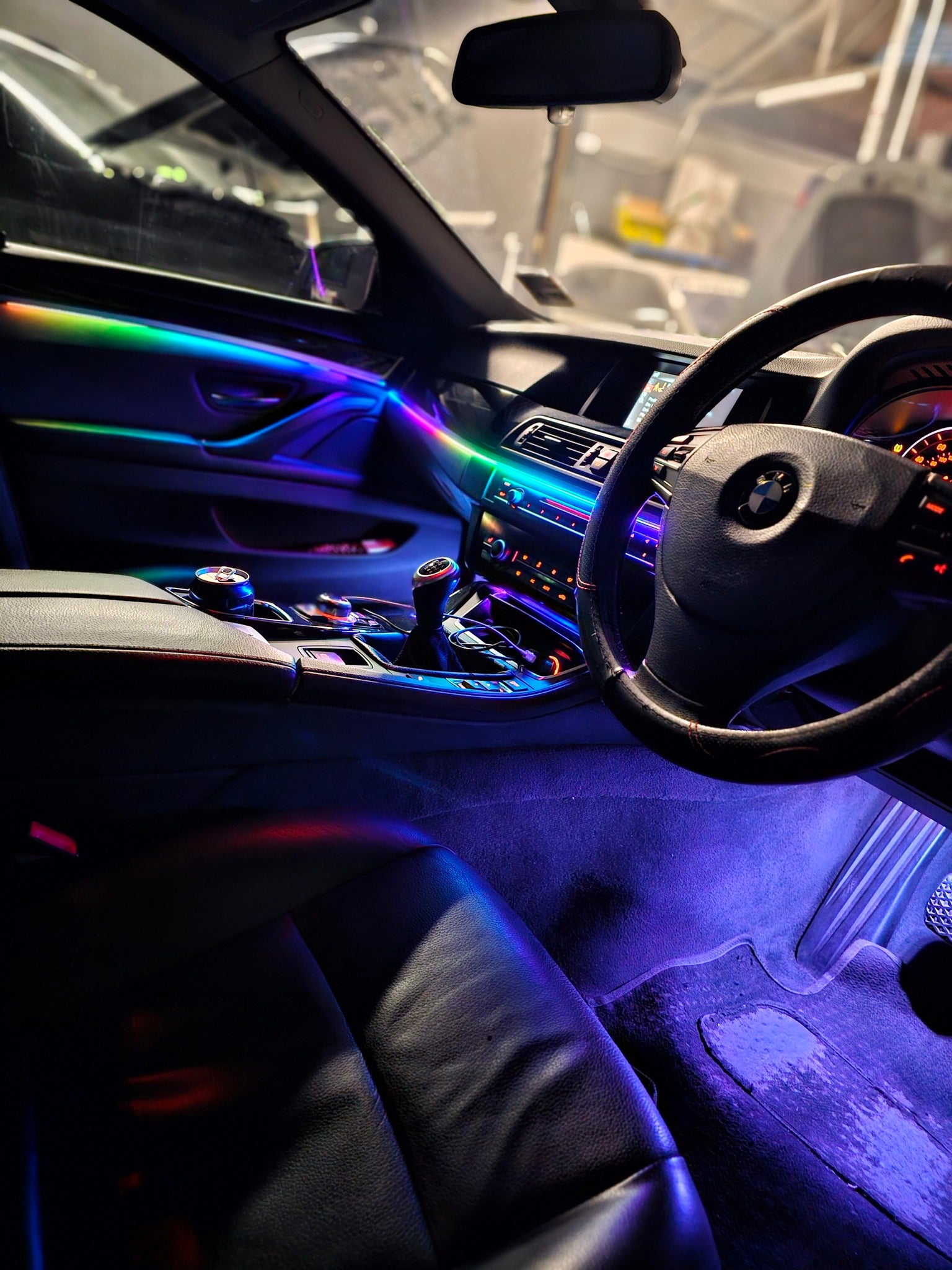
Credit: www.mobilemodz.co.uk
Installation Basics
Installing car lights needs some care and the right tools. This guide helps you do it safely and correctly.
Follow the steps and tips here to make the installation smooth and safe.
Tools You Need
Gather all tools before starting the installation. This saves time and avoids interruptions.
- Screwdrivers (flat and Phillips)
- Wire strippers and cutters
- Electrical tape
- Multimeter for testing
- Socket wrench set
- Protective gloves
Safety Precautions
Working with car lights involves electricity and tools. Use safety steps to avoid injury or damage.
- Disconnect the car battery before starting
- Wear gloves to protect your hands
- Keep the workspace dry and clean
- Do not force wires or parts to fit
- Check for sharp edges and hot surfaces
Step-by-step Process
Follow these steps carefully to install your car lights correctly.
- Turn off the car and disconnect the battery.
- Remove the old light assembly using screwdrivers and wrench.
- Disconnect the wiring harness from the old light.
- Connect the wiring harness to the new light assembly.
- Secure the new light in place with screws and bolts.
- Test the light using the car’s power before finalizing.
- Reconnect the battery and check all functions.
Customizing Your Setup
Customizing your car’s light installation lets you express your style. It also improves visibility and safety.
There are many ways to add lights to your car. Each option changes the look and feel of your vehicle.
Led Strips And Accent Lighting
LED strips are thin lights that fit in small spaces. You can place them inside or outside your car.
Accent lighting highlights certain parts of your vehicle. It adds style without being too bright.
- Choose colors that match your car’s paint
- Use waterproof LED strips for outside use
- Install dimmers to control light brightness
- Place lights under mirrors or along door edges
Underbody Glow Effects
Underbody glow lights shine from below your car. They create a cool floating effect on the road.
These lights come in different colors and patterns. You can pick steady colors or flashing modes.
- Install LED tubes or neon lights under your vehicle
- Use remote control to change colors easily
- Check local laws about underbody lighting
- Ensure lights are securely mounted to avoid damage
Interior Light Upgrades
Interior lights improve your car’s cabin look. They also help you find things inside at night.
You can add lights around the dashboard, footwells, or seats. Choose soft colors to avoid glare.
- Install LED strips under seats or along door panels
- Add color-changing bulbs to dome lights
- Use adjustable brightness settings
- Match interior lighting with your car’s theme
Wiring And Power Management
Proper wiring and power management are key for light installation in cars. Good wiring keeps the system safe and reliable.
Power management helps avoid problems like blown fuses or dead batteries. It also ensures lights work well.
Connecting To Battery
Connect the light wires directly to the car battery for steady power. Use the positive and negative terminals correctly.
Always add a fuse near the battery connection. This protects the wiring and car from electrical damage.
- Use proper wire gauge for the current
- Attach fuse holder close to battery
- Connect positive wire to battery’s positive terminal
- Connect ground wire to car chassis or battery negative terminal
Using Relays And Fuses
Relays control high power lights with low power switches. They keep the switch safe and prevent overheating.
Fuses stop too much current from damaging wires or lights. Place fuses near power sources for best protection.
- Choose relay rated for light current
- Use fuse rated slightly above light’s current
- Wire relay coil to switch and battery
- Install fuse between battery and relay
Managing Electrical Load
Manage the electrical load to avoid draining the car battery. Too many lights can cause power issues.
Check total current draw before installing. Use separate circuits if needed to balance the load.
- Calculate total amps of all lights
- Do not exceed battery or alternator limits
- Use thicker wires for higher loads
- Split heavy loads into multiple circuits
Maintaining Your Lights
Proper maintenance keeps your car lights bright and safe. It helps you see better and lets others see you.
Regular checks and care prevent accidents and save money on repairs.
Cleaning Tips
Clean your lights often to remove dirt and grime. Use gentle materials to avoid scratches.
- Use a soft cloth and mild soap with water
- Rinse thoroughly to avoid soap residue
- Dry with a clean microfiber towel
- Avoid harsh chemicals or abrasive tools
- Polish plastic covers to restore clarity
Troubleshooting Common Issues
Lights may flicker, dim, or fail to turn on. Check the wiring and power source first.
| Issue | Possible Cause | Solution |
|---|---|---|
| Flickering lights | Loose wiring or connection | Secure all wires and connectors |
| Dim lights | Dirty lens or low battery | Clean lens and check battery charge |
| Light not turning on | Burnt bulb or blown fuse | Replace bulb or fuse |
Replacing Bulbs And Components
Use the right bulb type for your car model. Replace broken parts carefully.
- Turn off the car and open the light cover
- Remove the old bulb by twisting or pulling gently
- Install the new bulb without touching the glass
- Secure the cover and test the light
- If issues remain, check the wiring or consult a technician
Legal And Safety Considerations
Installing lights on your car can enhance its appearance and functionality. Knowing the legal and safety considerations is important.
Understanding local laws and ensuring safety measures can prevent issues and ensure compliance.
Local Regulations
Different regions have different rules about car light installations. Make sure you know what’s allowed.
- Check state laws on light colors and brightness.
- Ensure your lights meet road safety standards.
- Consult local authorities if unsure about regulations.
Avoiding Distractions
Lights should not distract other drivers on the road. This can cause accidents.
Consider using a dim settingfor your lights when in traffic to reduce glare.
Ensuring Visibility
Proper lighting ensures you are visible to others, especially in low-light conditions.
| Light Type | Recommended Use |
| Headlights | Night driving |
| Brake lights | Indicating stops |
| Signal lights | Turning or lane changes |

Credit: www.amazon.ca
Frequently Asked Questions
What Types Of Lights Are Best For Car Installation?
LED lights are ideal for car installation. They consume less power, last longer, and offer bright illumination. They also come in various colors and styles for customization.
How Difficult Is Installing Car Lights Yourself?
Installing car lights can be moderately challenging. Basic wiring skills and tools are needed. Following instructions carefully ensures safety and proper function.
Can Car Light Installation Improve Safety?
Yes, proper car light installation enhances visibility. It helps drivers see better at night and in bad weather. This reduces accident risks significantly.
Are Professional Light Installations Better Than Diy?
Professional installations ensure correct wiring and function. They prevent damage and maintain warranty. However, DIY can save money if you follow guidelines closely.
Conclusion
Choosing the right light installation for your car improves safety and style. Bright lights help you see better at night. They also make your car look modern and neat. Installation is easy with the right tools and steps. Regular checks keep your lights working well.
Remember, good lighting protects you and others on the road. Start with simple upgrades and enjoy the difference. Light up your drive with care and smart choices. Your car will thank you every time you turn on the lights.







