
You’re ready to drive, but your car won’t jump start—even though the lights come on. It’s confusing and frustrating, right?
You might wonder what’s really wrong and if it’s something simple you can fix yourself. Understanding why this happens can save you time, money, and stress. Keep reading, and you’ll discover the key reasons behind this problem and what steps you can take to get your car running again quickly.

Credit: perthroadside.wixsite.com
Common Causes
When your car won’t jump start but the lights come on, the problem can be tricky. The engine may not crank even if the electrical system shows power.
Several parts could cause this issue. Understanding common causes helps you find the right fix.
Battery Issues
The battery might have enough power to light the bulbs but not enough to start the engine. A weak or old battery often causes this.
- Battery charge is low but not empty
- Corroded battery terminals reduce power flow
- Battery cells are damaged inside
- Battery is old and cannot hold charge
Starter Motor Problems
The starter motor turns the engine over. If it fails, the car won’t start even if the lights come on.
| Symptom | Cause |
| Clicking sound when turning the key | Faulty starter motor solenoid |
| No sound at all | Dead starter motor or broken wiring |
| Engine turns slowly | Worn starter motor brushes |
Ignition Switch Faults
The ignition switch sends power to the starter motor. A bad switch can stop the engine from cranking.
- Switch contacts are worn out
- Loose wiring at the ignition switch
- Switch fails to send power signal
Electrical Connection Problems
Bad connections stop electricity from reaching parts needed to start the car. Check the following:
- Loose or corroded battery cables
- Damaged wiring harness
- Blown fuses related to the starting system
- Poor ground connections
Credit: www.youtube.com
Battery Checks
When your car won’t jump start but the lights come on, the battery is often the first part to check. The battery may have enough power for lights but not enough to start the engine.
Checking the battery can save you time and money. Simple tests can tell if the battery is the cause of the problem.
Testing Battery Voltage
Use a voltmeter or multimeter to test the battery voltage. A fully charged battery should read about 12.6 volts or more when the car is off.
If the voltage is below 12.4 volts, the battery may be weak or discharged. Test again after trying to charge or jump start the battery.
- Set the meter to DC voltage
- Connect red lead to positive (+) terminal
- Connect black lead to negative (–) terminal
- Read the voltage on the meter display
Inspecting Battery Terminals
Check the battery terminals for corrosion or loose connections. Corrosion can stop electricity from flowing properly.
Clean terminals with a mixture of baking soda and water if you see white or green buildup. Tighten any loose clamps to ensure a good connection.
- Look for white, green, or blue powder on terminals
- Use a wire brush to clean the corrosion
- Tighten terminal clamps with a wrench
- Make sure cables are not damaged
Jump Starting Tips
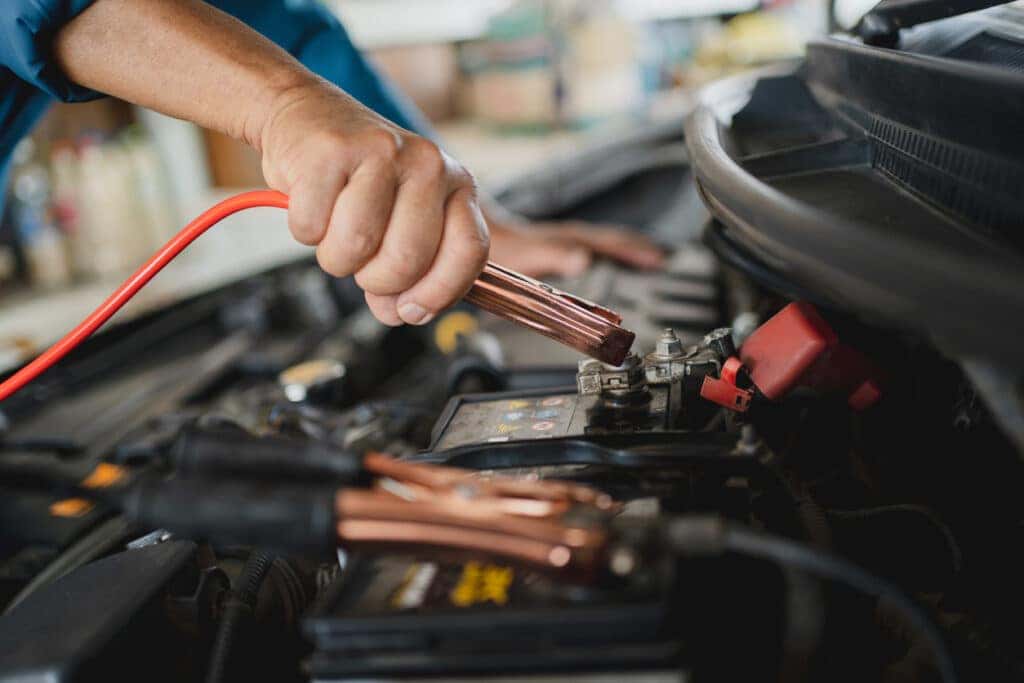
Use jumper cables carefully to avoid damage. Connect cables in the right order to prevent sparks or shocks.
After jump starting, let the car run for a while to recharge the battery. If the car still won’t start later, the battery or starter might need replacement.
- Connect red cable to dead battery positive terminal
- Connect other red cable end to good battery positive terminal
- Connect black cable to good battery negative terminal
- Connect other black cable end to a metal part on dead car’s engine
- Start the working car, then try starting the dead car
- Remove cables in reverse order after starting
Starter Motor Solutions
Your car won’t start even though the lights come on. This problem often involves the starter motor. The starter motor helps start the engine by turning it over. Understanding starter motor issues can help you fix the problem faster.
Below are simple ways to check the starter motor and possible solutions. These steps can save time and money before calling a mechanic.
Identifying Starter Noise
If the starter motor is failing, you may hear strange noises. Common sounds include clicking, grinding, or no sound at all. These noises help identify what is wrong with the starter motor.
- Clicking noise usually means the starter solenoid is working but not engaging the motor.
- Grinding noise can mean worn out gears in the starter or flywheel.
- No noise at all might suggest no power is reaching the starter motor.
Tapping The Starter
Tapping the starter motor can sometimes help if it is stuck. Use a small hammer or a wrench to tap gently on the starter. This can free up the motor and allow it to work again.
Do not hit too hard. Be careful and try to start the car after tapping. If it starts, the starter motor may need repair or replacement soon.
Replacing The Starter
If the starter motor is damaged or worn out, replacing it is often the best solution. A new starter motor restores the car’s ability to start quickly and reliably.
| Signs Starter Needs Replacement | Details |
| Repeated clicking noise | Starter solenoid failing to engage |
| Grinding sound | Damaged starter gear or flywheel teeth |
| Car won’t start at all | No power or completely failed starter |
| Starter works after tapping | Internal starter motor issues |
Electrical System Tips
If your car won’t jump start but the lights come on, the problem might be in the electrical system. Checking this system can help find the cause.
Focus on fuses, relays, wiring, and ground connections. These parts often cause starting issues.
Checking Fuses And Relays
Fuses and relays control power flow in your car. A blown fuse or bad relay can stop the engine from starting.
Look in the fuse box for any damaged or melted fuses. Test relays by swapping them with good ones of the same type.
- Open the fuse box cover
- Check each fuse for breaks or discoloration
- Replace any blown fuses with the same rating
- Swap relays to test if one is faulty
Inspecting Wiring Harness
The wiring harness connects many parts of your car’s electrical system. Damaged wires can stop the starter from working.
Look for loose, frayed, or corroded wires especially near the battery and starter. Secure any loose wires and clean corroded parts.
- Check wires for cracks or breaks
- Ensure connectors are tight and clean
- Use electrical tape to cover exposed wires
- Replace damaged sections if needed
Cleaning Ground Connections
Ground connections help complete the electrical circuit. Dirty or loose grounds can stop the car from starting.
Find the ground wires and clean the metal surfaces they connect to. Tighten any loose bolts or clamps.
- Locate ground wires on engine and chassis
- Remove dirt, rust, and corrosion from contact points
- Tighten bolts or screws holding ground wires
- Use a wire brush or sandpaper for cleaning
When To Call A Mechanic
Your car won’t jump start but the lights come on. This can mean a serious electrical problem. Knowing when to call a mechanic can save time and money.
Some issues need professional tools and experience. Learn the signs and advice to keep your car safe and working well.
Signs Of Serious Electrical Faults
When your car won’t start but lights work, it is often more than a dead battery. Here are signs that show a serious electrical fault:
- Clicking sound when turning the key
- Dim or flickering dashboard lights
- Electrical accessories not working properly
- Burning smell near the battery or fuse box
- Repeated need to jump start the car
Professional Diagnostic Tools
Mechanics use special tools to find electrical problems quickly. These tools check battery health, starter function, and wiring issues.
| Tool | Purpose |
| Multimeter | Measures voltage and current |
| Battery Tester | Checks battery charge and condition |
| Scan Tool | Reads error codes from car computer |
| Starter Draw Tester | Tests starter motor power draw |
Preventive Maintenance Advice
Regular care helps prevent electrical faults. Follow these tips to keep your car’s electrical system healthy:
- Check battery terminals for corrosion
- Keep battery tight and clean
- Test battery voltage every six months
- Replace old or weak batteries promptly
- Have wiring inspected during routine service
Credit: www.gallagherautos.com
Frequently Asked Questions
Why Won’t My Car Jump Start But Lights Work?
This often means the battery has enough power for lights but lacks starting power. The starter or battery cables may be faulty.
Can A Bad Starter Cause No Jump Start But Lights Work?
Yes, a failing starter can prevent engine cranking while lights stay on. The starter needs inspection or replacement.
How To Fix A Car That Won’t Jump Start But Has Lights?
Check battery terminals, clean corrosion, and ensure tight connections. Test the starter and replace if faulty. Consider professional help if unsure.
Does A Weak Battery Cause Jump Start Failure But Lights On?
A weak battery can power lights but fail to start the engine. Testing or replacing the battery often solves the issue.
Conclusion
A car that won’t jump start but has lights on often points to battery or starter issues. Check the battery connections first. Weak batteries can light up but fail to start the engine. The starter motor or its wiring might need attention too.
Small problems can cause big troubles. Acting quickly saves time and money. Always stay safe when handling car batteries. Getting professional help can avoid further damage. Understanding these signs helps keep your car running smooth. Don’t ignore the warning signs your car gives you.







