
Have you ever noticed how the right light on a car can completely change your driving experience? Whether it’s the bright glow of headlights cutting through fog or the subtle shine of brake lights signaling a stop, car lights do more than just illuminate the road—they keep you safe and aware.
Understanding how these lights work and why they matter can make a big difference every time you get behind the wheel. Let’s dive into everything you need to know about the lights on your car and how they help protect you and others on the road.
Types Of Car Lights
Car lights help drivers see and be seen on the road. They improve safety during day and night.
There are many types of car lights, each serving a special purpose. Knowing them helps you understand your vehicle better.
Headlights
Headlights are at the front of the car. They light the road ahead so drivers can see clearly at night.
Most headlights have two settings: low beam and high beam. Low beams are for normal night driving. High beams are for dark roads with no traffic.
Tail Lights
Tail lights are at the back of the car. They glow red to show other drivers your car’s position.
Tail lights turn on when headlights are on. They help prevent accidents by making your car visible at night.
Fog Lights
Fog lights are special lights placed low on the front bumper. They help drivers see in fog, rain, or snow.
Fog lights create a wide, low beam. This beam reduces glare and lights the road close to the car.
Indicator Lights
Indicator lights, also called turn signals, show when a driver plans to turn or change lanes. They flash on the front and back of the car.
Using indicator lights helps other drivers know your intentions. This reduces the risk of crashes.
Interior Lights
Interior lights are inside the car. They light the dashboard, controls, and cabin to help drivers and passengers see at night.
These lights turn on when doors open or when you switch them on manually. They make the car more comfortable and safe.
Choosing The Right Headlights
Choosing the right headlights can improve your driving safety. Good headlights help you see better at night and in bad weather.
There are different types of headlights with various features. Knowing these can help you pick the best one for your car.
Halogen Vs Led Vs Hid
Halogen headlights use a simple bulb and are the most common. They are affordable but not very bright.
LED headlights last longer and use less energy. They give a bright, clear light but cost more than halogen.
HID headlights are very bright and use gas to create light. They offer great visibility but can be expensive to replace.
- Halogen: Affordable, less bright, shorter life
- LED: Energy-saving, bright, long-lasting
- HID: Very bright, expensive, uses gas
Brightness And Beam Patterns
Brightness affects how far you can see on the road. Too bright can blind others, too dim can be unsafe.
Beam patterns show how light spreads. Some beams focus light straight ahead, others spread it wide.
- Spot beams: Narrow, long distance
- Flood beams: Wide, short distance
- Combo beams: Mix of spot and flood
Color Temperature Options
Color temperature changes the light color of headlights. It is measured in kelvin (K).
Lower kelvin lights look yellow, good for fog. Higher kelvin lights look white or blue, good for clear nights.
| Kelvin (K) | Light Color | Best Use |
|---|---|---|
| 3000K – 4000K | Yellowish white | Fog and rain |
| 5000K – 6000K | Bright white | Normal driving |
| 6000K – 8000K | Blue-white | Clear, dry conditions |
Upgrading Your Car Lights
Upgrading your car lights can improve how well you see at night. It also helps other drivers see you better.
There are many types of lights to choose from. You can pick LED, halogen, or HID bulbs for your car.
Benefits Of Upgrading
New car lights give brighter and clearer light. This makes driving safer in dark or bad weather.
Upgraded lights also use less energy. This can save your car battery and reduce power use.
- Better visibility on roads at night
- Increased safety for you and others
- Lower energy consumption
- Modern look for your vehicle
Legal Considerations
Check your local laws before changing car lights. Some types of lights may not be allowed on the road.
Wrong lights can cause fines or fail vehicle inspections. Always use approved bulbs for your car model.
- Use only street-legal bulbs
- Follow brightness and color rules
- Keep headlights aligned correctly
- Confirm upgrades with vehicle regulations
Installation Tips
Turn off your car and disconnect the battery before starting. This prevents electrical shocks or damage.
Read the instructions carefully for your new lights. Make sure you fit them tightly and correctly.
- Wear gloves to avoid touching bulbs directly
- Handle bulbs by their base only
- Test lights before final assembly
- Check beam alignment after installation
Credit: www.vertumotors.com
Maintaining Car Lights
Car lights help you see clearly and keep you safe on the road. Regular care keeps them bright and working well.
Check your car lights often to avoid accidents and fix issues fast. Good maintenance saves money and time.
Cleaning Techniques
Clean your car lights to remove dirt and grime that block light. Use soft cloths and mild soap for best results.
- Use a microfiber cloth to avoid scratches
- Apply a mixture of water and mild soap
- Rinse with clean water and dry thoroughly
- Polish with a headlight cleaner if cloudy
Replacing Bulbs
Bulbs burn out over time and need replacement. Always buy the right type for your car model.
| Bulb Type | Common Use | Replacement Time |
| Halogen | Headlights | 1-2 years |
| LED | Tail lights, headlights | 5-7 years |
| HID | Headlights | 3-4 years |
Troubleshooting Common Issues
If a light flickers or does not turn on, check the fuse and wiring first. Loose connections cause many problems.
Common Problems and Fixes
- Flickering light:Check and tighten bulb connections
- Light not turning on:Inspect fuse and replace if blown
- Dimming lights:Clean headlight lens or replace bulb
- Condensation inside light:Seal cracks or replace housing
Enhancing Safety With Lights
Lights on a car play a crucial role in road safety. They help drivers see and be seen during all times of the day.
Proper lighting can prevent accidents and make driving at night or in bad weather safer. This guide covers important aspects of car lighting for safety.
Optimal Light Positioning
Correct positioning of car lights ensures maximum visibility. It reduces blind spots and helps other drivers see your car.
Adjust lights to point slightly downwards. This prevents blinding oncoming traffic and illuminates the road better.
- Check alignment regularly
- Use professional tools for adjustments
- Ensure all lights are clean and clear
Using Fog And Driving Lights
Fog lights are for low-visibility conditions like fog, rain, or snow. They help you see the road closer to your car.
Driving lights are for open roads with no traffic. They provide a longer range of visibility.
- Use fog lights in bad weather only
- Turn off driving lights around other cars
- Regularly check their function and brightness
Adaptive Lighting Systems
Adaptive lighting systems adjust to driving conditions. They enhance safety by improving visibility automatically.
These systems can change the light direction when turning. They also adjust brightness based on speed and environment.
| Feature | Benefit |
| Directional adjustment | Improves corner visibility |
| Brightness control | Reduces glare |
| Automatic operation | Convenience for the driver |
.png?t=1510869631279&width=684&height=1711&name=Vehicle%20Warning%20Lights%20(1).png)
Credit: noelins.com
Future Trends In Car Lighting
Car lighting is changing fast. New technology makes lights smarter and safer.
We will look at smart lights, new light types, and energy-saving ideas.
Smart Lighting Technologies
Smart car lights can adjust brightness and direction. They respond to road and weather.
Sensors and cameras help lights avoid blinding other drivers. They improve safety.
- Automatic high beams
- Adaptive front lighting
- Matrix LED systems
Laser And Oled Lights
Laser lights offer brighter and longer beams than regular LEDs. They use less space.
OLED lights provide smooth, even lighting. They can make new shapes for car design.
- Laser lights for far distance view
- OLED lights for stylish signals
- Both save energy and last longer
Energy Efficiency Advances
Car lights use less power now. This helps electric cars drive farther.
New materials and designs reduce wasted light. This saves energy and improves brightness.
- LED bulbs replace old halogen bulbs
- Smart controls dim lights when not needed
- Better heat management extends bulb life
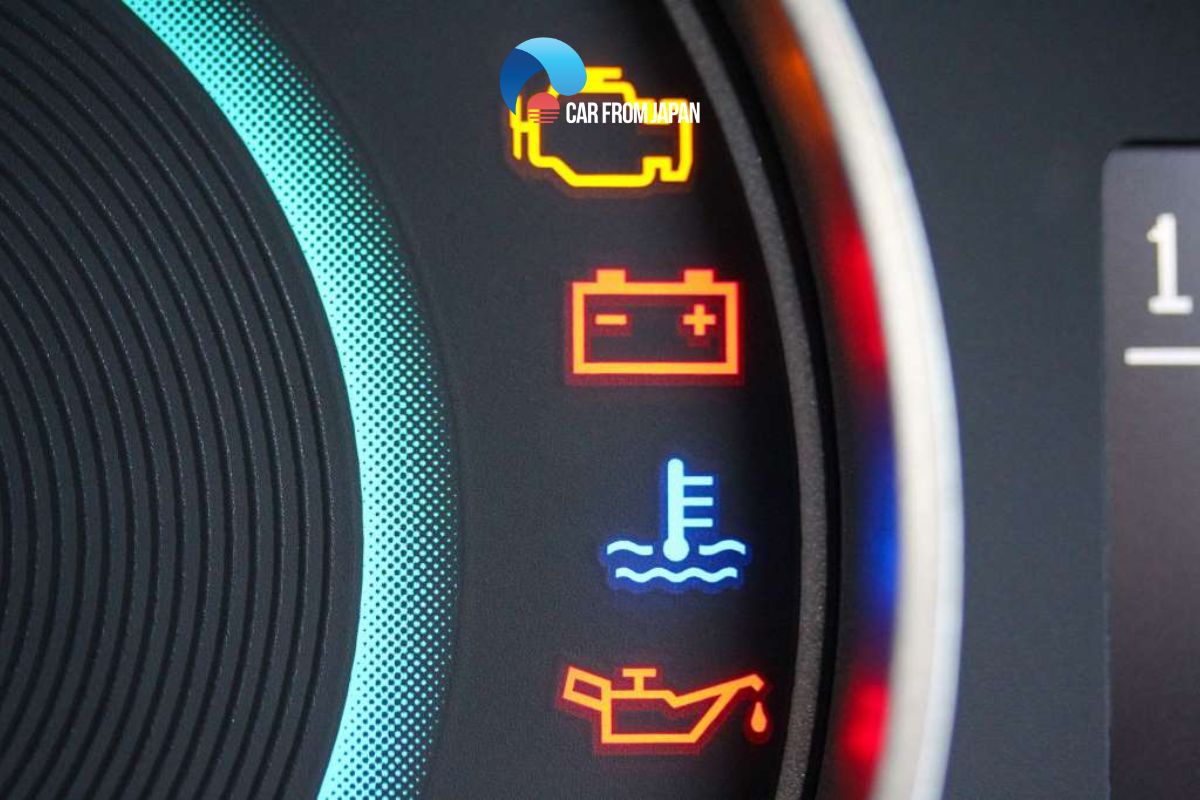
Credit: carfromjapan.com
Frequently Asked Questions
What Types Of Lights Are On A Car?
Cars have headlights, taillights, brake lights, turn signals, and fog lights. Each serves a specific safety purpose.
How Do Car Headlights Improve Night Driving?
Headlights illuminate the road ahead, improving visibility. They help drivers see obstacles and other vehicles clearly at night.
When Should I Replace My Car Lights?
Replace car lights when they flicker, dim, or stop working. Timely replacement ensures safety and legal compliance.
What Is The Difference Between Led And Halogen Car Lights?
LED lights are brighter, last longer, and use less energy than halogen bulbs. Halogens are cheaper but less efficient.
Conclusion
Car lights keep you safe and help you see clearly. Good lights make driving easier at night and in bad weather. Choosing the right lights can save energy and last longer. Always check your car lights regularly to avoid problems.
Bright, working lights help other drivers notice you. Keep your lights clean for the best performance. Remember, simple care makes a big difference on the road. Stay safe and drive with confidence every time.







