
Have you ever glanced at your car’s dashboard and felt a flash of worry when a strange light appeared? Those little symbols are more important than you might think.
Understanding your car dashboard lights can save you time, money, and even prevent serious problems. You’ll learn exactly what those lights mean, why they matter, and what you should do when they come on. Keep reading to take control of your driving experience and protect your vehicle like a pro.
Common Dashboard Lights
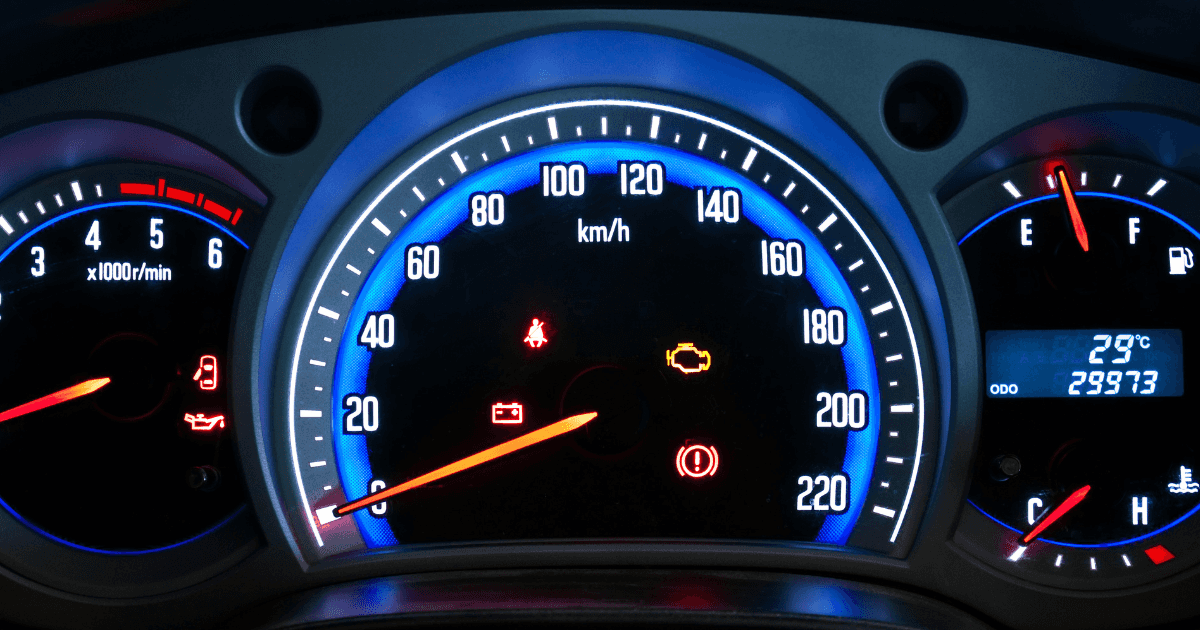
Dashboard lights alert you about your car’s condition. They help keep you safe and prevent damage. Understanding these lights is important for every driver.
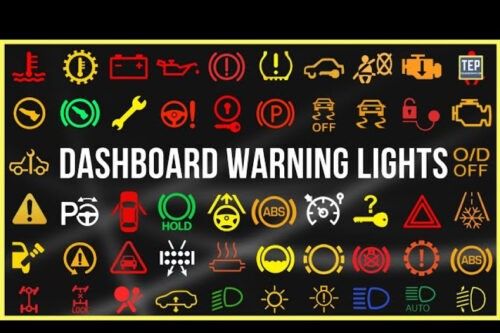
Here are some common dashboard lights you may see. Each light means something different and needs your attention.
Engine Warning Light
The engine warning light shows when the car’s computer finds a problem. It may be a minor issue or something serious. You should check it soon to avoid damage.
Battery Alert
This light means the battery is not charging properly. It can be caused by a bad battery or alternator. Driving with this light on can lead to a dead battery.
Oil Pressure Indicator
The oil pressure indicator warns about low oil pressure. This can cause serious engine damage if ignored. Check your oil level and add oil if needed.
Brake System Warning
The brake warning light appears if there is a problem with the brakes. It can mean low brake fluid or worn brake pads. Never drive with this light on.
- Check brake fluid level
- Inspect brake pads for wear
- Visit a mechanic if the light stays on
Tire Pressure Monitor
This light comes on if a tire has low pressure. Proper tire pressure keeps your car safe and saves fuel. Check tire pressure and inflate tires if needed.
| Tire Position | Recommended Pressure (PSI) |
|---|---|
| Front Left | 32 |
| Front Right | 32 |
| Rear Left | 30 |
| Rear Right | 30 |
Credit: www.zigwheels.my
Color Codes And Their Meanings
Car dashboard lights use different colors to show their importance. These colors help drivers understand the car’s condition quickly.
Knowing what each color means can keep you safe and avoid damage to your vehicle.
Red Lights: Immediate Attention
Red dashboard lights mean a serious problem. You should stop your car soon and check the issue.
Ignoring red lights can cause damage or danger.
- Engine temperature warning: Your engine is too hot.
- Oil pressure warning: Oil level is too low.
- Brake system warning: Check brakes immediately.
- Battery alert: Charging system has a problem.
- Seat belt reminder: Buckle your seat belt now.
Yellow Lights: Caution Required
Yellow lights signal a problem that needs attention but is not urgent. You can keep driving but should fix it soon.
These lights warn you to check the car or service it.
- Check engine light: Engine has a fault.
- ABS warning: Anti-lock brake system needs service.
- Tire pressure warning: Tires need air.
- Traction control light: System is active or faulty.
- Fuel warning: Fuel level is low.
Green And Blue Lights: Informational
Green and blue lights show that a system is working or active. They do not mean a problem.
These lights help you know the status of your car’s features.
- Turn signal indicators: Left or right turn is on.
- High beam indicator: High beams are active.
- Cruise control light: Cruise control is set.
- Headlight indicator: Headlights are on.
- Fog light indicator: Fog lights are on.
Steps To Take When A Light Appears
Car dashboard lights alert you to issues with your vehicle. They help keep you safe and protect your car.
Knowing what to do when a light appears is important. Follow these steps to handle the situation calmly.
Assess The Situation Safely
Look at the dashboard light and note its color and symbol. Red lights usually mean serious problems.
Check if the car feels or sounds different. Stay calm and do not panic while driving.
Check Vehicle Manual
Find your car’s manual to understand the dashboard light. It explains what each light means clearly.
Follow the advice in the manual. It may tell you if you can keep driving or need to stop immediately.
When To Pull Over
If a red or flashing light appears, find a safe place to stop. This can prevent damage or danger.
Turn on your hazard lights and pull over carefully. Do not stop in unsafe or busy areas.
- Red light on: stop soon
- Flashing light: stop immediately
- Yellow or orange light: check soon
Seeking Professional Help
Call a mechanic if you are unsure about the light or car condition. Do not ignore warning lights.
Use roadside assistance if you cannot drive safely. Professionals can fix the problem or tow your car.

Credit: www.neodrift.in
Preventive Measures For Dashboard Warnings
Dashboard lights alert you to problems in your car. Taking preventive actions helps avoid costly repairs. Regular checks keep your vehicle safe and reliable.
Understanding how to prevent dashboard warnings is important for every driver. This guide covers key areas to watch closely.
Regular Maintenance Tips
Schedule routine services like oil changes and brake checks. Clean or replace air filters to improve engine performance. Keep your car’s software updated for smooth operation.
Monitoring Fluid Levels
Check fluids often to avoid warning lights. Low fluid levels can damage your engine or brakes quickly.
- Check engine oil weekly
- Inspect coolant levels monthly
- Verify brake fluid before long trips
- Refill windshield washer fluid regularly
Tire Care And Pressure Checks
Proper tire care prevents tire pressure warning lights. Check tires for wear and keep pressure at recommended levels.
| Task | Frequency |
| Check tire pressure | Monthly |
| Inspect tire tread | Every 6 months |
| Rotate tires | Every 8,000 miles |
| Replace worn tires | As needed |
Battery Health Practices
Battery problems cause warning lights and starting issues. Keep battery terminals clean and test battery power often.
- Check battery terminals for corrosion monthly
- Ensure battery is securely mounted
- Test battery voltage twice a year
- Replace battery every 3-5 years
Technology Behind Dashboard Alerts
Car dashboard lights warn drivers about vehicle status and problems. These alerts rely on advanced technology inside the car.
Understanding how these alerts work helps drivers respond quickly and keep their cars safe.
Sensors And Their Roles
Sensors collect data from different parts of the vehicle. They track things like engine temperature, oil pressure, and brake status.
- Temperature sensors monitor engine heat to prevent overheating.
- Pressure sensors check oil and tire pressure for safe operation.
- Oxygen sensors measure exhaust gases to control emissions.
- Speed sensors track wheel rotation and vehicle speed.
- Battery sensors monitor electrical system power levels.
How Alerts Are Triggered
The car’s computer system receives signals from sensors. It compares data against safe limits to find problems.
| Alert Type | Trigger Condition | Sensor Involved |
| Check Engine Light | Engine fault detected | Oxygen or temperature sensor |
| Oil Pressure Warning | Low oil pressure | Oil pressure sensor |
| Battery Alert | Low battery voltage | Battery sensor |
| Brake Warning | Brake system issue | Brake fluid or pad sensor |
| Tire Pressure Light | Low tire pressure | Tire pressure sensors |
Advancements In Vehicle Diagnostics
New technology helps cars find problems earlier and more accurately. This keeps drivers safer on the road.
- Real-time data analysis using smart computers
- Wireless sensors that reduce wiring complexity
- Improved self-diagnostic systems with detailed alerts
- Integration with mobile apps for instant updates
- Use of AI to predict possible failures before they happen
Customizing Dashboard Alerts
Car dashboard lights help drivers stay informed about their vehicle’s status. Customizing these alerts can improve safety and comfort while driving.
Understanding how to adjust these settings can make your driving experience more enjoyable. It’s important to know what each light means and how to manage them.
Modern Cars And User Settings
Modern cars offer advanced settings for dashboard alerts. Drivers can choose which alerts to display based on their preferences.
These settings can be adjusted through the car’s infotainment system. This allows drivers to personalize their dashboard experience.
- Turn off unnecessary alerts
- Adjust brightness of alert lights
- Select specific alerts for driving conditions
Apps And Tools For Monitoring
Many apps help drivers monitor dashboard alerts. These tools can provide real-time updates and diagnostics.
Using apps can help drivers understand what each alert means. This can prevent unnecessary trips to the mechanic.
- Scan vehicle’s health with a smartphone app
- Receive notifications for critical alerts
- Access detailed information on each alert
Balancing Alerts And Driving Focus
Too many alerts can distract drivers. It’s crucial to find a balance between staying informed and maintaining focus on the road.
Drivers should prioritize alerts based on importance. This helps ensure that attention remains on driving safely.
- Prioritize high-importance alerts
- Minimize distractions with less frequent alerts
- Use audio cues for critical alerts
Credit: www.cherryhillmercedesbenz.com
Frequently Asked Questions
What Do Different Car Dashboard Lights Mean?
Car dashboard lights indicate your vehicle’s status and warnings. Colors like red, yellow, and green show urgency. Red means immediate attention, yellow suggests caution, and green indicates normal operation. Understanding these lights helps maintain your car’s health and safety.
How To Respond To A Red Dashboard Warning Light?
A red dashboard light signals a serious issue needing immediate action. Stop your vehicle safely and check the problem. Consult your owner’s manual or contact a mechanic. Ignoring red lights can cause severe damage or safety risks.
Why Is My Check Engine Light On?
The check engine light activates when the engine control unit detects a problem. Common causes include sensor faults, emissions issues, or fuel system problems. Use an OBD-II scanner or visit a mechanic to diagnose and fix the issue promptly.
Can Dashboard Lights Indicate Battery Problems?
Yes, the battery warning light shows issues with charging or electrical systems. It may mean a failing alternator, battery, or wiring problem. Address this immediately to avoid car breakdown or starting failures.
Conclusion
Car dashboard lights show important information about your vehicle. They warn you about issues that need quick attention. Knowing what each light means can keep you safe. It also helps avoid costly repairs. Always check your car manual for details.
Don’t ignore warning lights when they appear. Taking action early can save time and money. Stay alert and keep your car in good shape. Simple steps make driving safer and easier for everyone.







