
Have you ever noticed a strange light glowing on your car’s dashboard and wondered what it means? Those warning lights are more than just tiny icons—they’re your car’s way of talking to you.
Ignoring them can lead to costly repairs or even unsafe driving conditions. But don’t worry, you don’t need to be a mechanic to understand what these signs mean. You’ll learn how to quickly recognize and respond to the most common car warning light signs, helping you keep your vehicle safe and running smoothly.
Keep reading—your car will thank you.
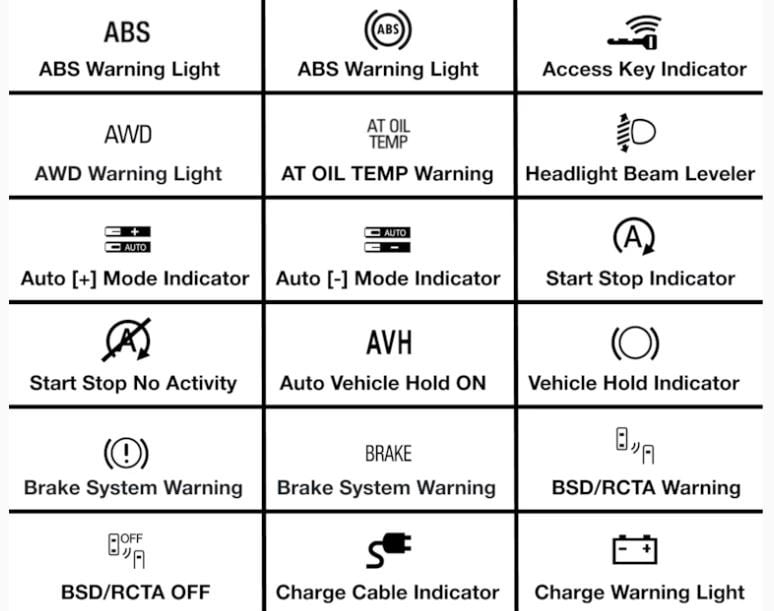
Credit: www.subaruoflasvegas.com
Common Warning Lights
Car warning lights alert you to problems. They help keep you safe on the road.
Learn about the most common warning lights and what they mean.
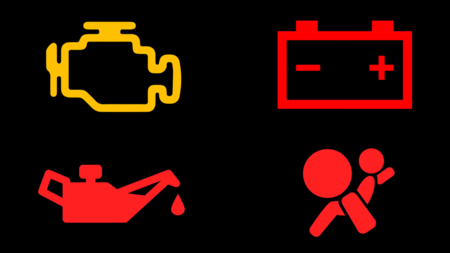
Engine Warning Light
The engine warning light shows a problem with the engine. It can mean many things.
Check your engine soon to avoid damage or breakdowns.
Battery Alert
The battery alert means the car’s charging system has an issue. It may not charge properly.
If this light stays on, your car may stop running soon.
Oil Pressure Indicator
This light warns you when oil pressure is low. Oil keeps your engine parts moving smoothly.
Stop your car and check oil levels to prevent engine damage.
Brake System Warning
The brake warning light shows an issue with the brake system. It can be low brake fluid or worn pads.
Check your brakes immediately for safety.
Tire Pressure Monitor
This light alerts you when tire pressure is too low. Proper pressure helps you drive safely.
Check and fill your tires to the recommended pressure as soon as you see this light.
Safety-related Alerts
Car warning lights keep drivers safe by signaling important issues. They alert you to problems that need quick attention.
Understanding these alerts helps prevent accidents and costly repairs. Learn what each light means for your safety.
Airbag Warning Light
The airbag warning light shows if the airbag system has a problem. If this light stays on, airbags may not work during a crash. Always get your car checked if this light appears.
Seatbelt Reminder
The seatbelt reminder alerts you to fasten your seatbelt before driving. It may flash or beep to remind you and your passengers. Wearing seatbelts reduces injury risk in accidents.
Abs Warning
The ABS warning light signals a problem with the anti-lock braking system. This system stops your wheels from locking during sudden braking. If the light is on, your brakes may not work properly in emergencies.
- Check brake fluid level
- Inspect wheel sensors
- Visit a mechanic promptly
Traction Control Indicator
The traction control indicator shows when the system is active. This system helps keep your car stable on slippery roads. If the light stays on, the system may have a fault.
| Indicator | Meaning | Action |
| On (flashing) | System working | Drive carefully |
| On (steady) | System fault | Get repair |
| Off | System off | No action needed |
Maintenance Indicators
Car warning lights help drivers know when the vehicle needs attention. Maintenance indicators show when service or repairs are required.
Ignoring these lights can lead to bigger problems. It is important to understand what each light means.
Check Engine Soon
The Check Engine Soon light signals an issue with the engine or emissions system. It usually means a minor problem that needs checking.
Possible causes include a loose gas cap, faulty sensor, or engine misfire. Getting a diagnostic test can find the problem early.
Service Required Light
The Service Required light reminds drivers that scheduled maintenance is due. This includes oil changes, filter replacements, and inspections.
Regular servicing helps keep the car running well and prevents breakdowns. Check your owner’s manual for service intervals.
Coolant Temperature Warning
This light warns that the engine is too hot. Overheating can damage the engine and cause costly repairs.
Stop the car safely and let the engine cool. Check coolant levels and look for leaks. Call for help if needed.
Credit: www.timesdrive.in
Emergency Warning Signs
Car warning lights alert drivers to problems that need quick attention. Emergency warning signs show serious issues. These signs help keep you safe on the road.
It is important to know what these lights mean. Acting fast can prevent accidents and costly damage.
Overheating Warning
The overheating warning light means your engine is too hot. This can happen if the coolant is low or the radiator is blocked.
Ignoring this light can cause severe engine damage. Stop your car safely and let the engine cool down.
- Check coolant levels when the engine is cool
- Look for leaks under the car
- Turn off the air conditioner to reduce engine load
Brake Failure Alert
The brake failure alert light shows there is a problem with your braking system. It may mean low brake fluid or worn brake pads.
If this light comes on, do not drive fast. Test your brakes gently and find a safe place to stop.
- Check brake fluid level in the reservoir
- Listen for unusual sounds when braking
- Have your brakes inspected by a mechanic as soon as possible
Power Steering Failure
The power steering failure light means the steering system is not working properly. Steering may become hard and slow to respond.
Drive carefully and avoid sharp turns. Get your power steering checked to avoid accidents.
- Check the power steering fluid level
- Listen for whining noises when turning the wheel
- Have the power steering pump inspected if problems continue
How To Respond To Warnings
Car warning lights alert you to problems that need attention. Knowing how to respond can keep you safe on the road.
Some warnings need quick action. Others may require a mechanic’s help or regular maintenance to prevent issues.
Immediate Actions
If a warning light comes on, check the dashboard and your surroundings right away. Some signs mean you should stop the car safely.
- Pull over safely if the engine or oil light is on.
- Turn off the air conditioner if the temperature light glows.
- Check fuel levels when the fuel warning appears.
- Listen for strange sounds or smells.
- Do not ignore brake or tire pressure warnings.
When To Seek Professional Help
Some warning lights need a mechanic’s attention quickly. Delaying repairs can cause more damage or danger.
- Engine warning light stays on after restarting the car.
- Brake system warning light appears or stays lit.
- Transmission warning light shows up during driving.
- Battery or charging system light stays on.
- Check engine light flashes while driving.
If you see these signs, call a professional or visit a repair shop soon.
Preventive Measures
| Preventive Action | Benefit |
| Regular oil changes | Keeps engine running smoothly |
| Check tire pressure monthly | Improves safety and fuel economy |
| Inspect brakes every 6 months | Prevents brake failure |
| Replace air filters on schedule | Improves engine performance |
| Test battery before winter | Avoids unexpected breakdowns |
Customizing Warning Systems
Modern cars have complex warning systems. These alerts help drivers stay safe on the road. Customizing these alerts can improve your driving experience.
Understanding different alert systems helps you respond better. Tailoring alerts to your needs can make driving easier and safer.
Modern Car Alerts
Modern cars have digital dashboards. They show warning lights for different car issues. Drivers should learn what each light means.
Customizing these alerts can help drivers notice problems quicker. Some cars allow you to change alert sounds or brightness.
- Engine light warns about engine problems
- Oil light indicates low oil level
- Brake light signals brake issues
Using Diagnostic Tools
Diagnostic tools read car computer data. They help find out why a warning light is on. These tools can be plugged into your car.
Many car owners use these tools to save money. They can check alerts before visiting a mechanic.
| Tool | Purpose |
| OBD-II Scanner | Reads error codes |
| Code Reader | Displays problem details |
| Diagnostic Software | Advanced analysis |
Mobile Apps For Warning Lights
Mobile apps can connect to your car’s system. They show detailed information about warning lights. This helps drivers understand car issues.
These apps can also store car data. They alert you about maintenance needs. Some apps offer advice on fixing problems.
- Track fuel efficiency
- Get maintenance reminders
- Find nearby repair shops
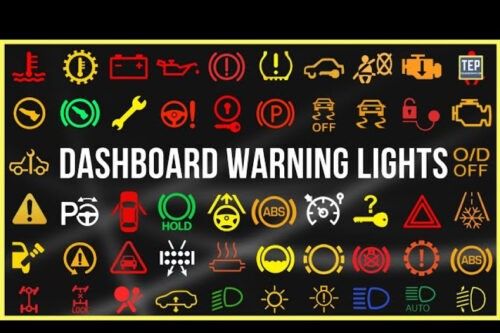
Credit: www.zigwheels.my
Frequently Asked Questions
What Do Common Car Warning Lights Mean?
Common car warning lights indicate issues like engine trouble, low oil, battery problems, or brake system alerts. Each light uses a symbol or color to show severity and necessary action.
How To React When A Car Warning Light Appears?
When a warning light appears, check your car manual immediately. If it’s red, stop safely and seek professional help. Yellow lights usually mean caution or maintenance needed soon.
Can Ignoring Car Warning Lights Cause Damage?
Yes, ignoring warning lights can lead to serious engine damage or safety risks. Early attention prevents costly repairs and keeps your vehicle running smoothly.
Are All Car Warning Lights Urgent?
No, not all warning lights are urgent. Red lights usually signal immediate problems, while yellow or orange lights suggest maintenance or soon-needed checks.
Conclusion
Car warning lights help keep you safe on the road. They alert you to problems early. Knowing what each light means can save money and time. Always check your car manual for details. Don’t ignore warning signs, even if you feel fine.
Regular car checks prevent big issues later. Stay calm and act fast when a light turns on. Your car will thank you, and so will your wallet. Drive safe and stay aware of your car’s signals.







