
Have you ever noticed those little lights glowing on your car’s dashboard and wondered what they really mean? Understanding your car light meanings isn’t just about curiosity—it’s about keeping you safe and avoiding costly repairs.
When a warning light pops up, it’s like your car is trying to talk to you. But if you don’t know what it’s saying, you might ignore a serious problem. You’ll discover exactly what those lights mean, how to react when they appear, and why paying attention to them can save you time, money, and stress.
Keep reading to become confident in decoding your car’s signals every time you get behind the wheel.
Common Dashboard Lights
Dashboard lights help drivers understand the car’s condition. They warn about problems or needed maintenance.
Learning these lights can keep your car safe and avoid costly repairs. Each light has a specific meaning.
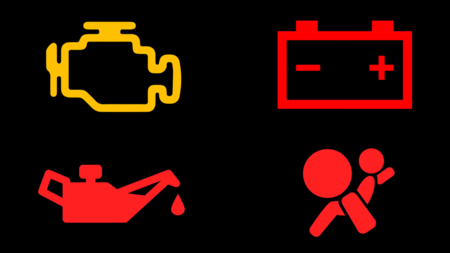
Engine Warning Light
The engine warning light shows issues with the engine or emissions system. It can be a small or serious problem.
If this light comes on, check the engine soon. It may need repair or a simple reset.
Battery Alert
The battery alert means the battery is not charging properly. It could be a bad battery or alternator.
Driving with this light on can cause the car to stop running. Get the battery checked quickly.
Oil Pressure Indicator
This light warns about low oil pressure. Oil keeps the engine parts moving smoothly.
- Check oil level immediately
- Do not drive if the light stays on
- Top up or change the oil as needed
Brake System Warning
The brake warning light indicates brake system trouble. It can mean low brake fluid or worn pads.
| Cause | Action |
| Low brake fluid | Refill fluid |
| Brake pads worn | Replace pads |
| Brake system failure | Stop and get help |
Temperature Warning
This light shows the engine is too hot. Overheating can cause serious damage.
Stop the car safely and let the engine cool. Check coolant levels or call for help.
Tire Pressure Monitor
The tire pressure light alerts when tire pressure is low. Proper pressure is key for safety.
- Check all tires for correct pressure
- Use a tire gauge to measure
- Inflate tires to recommended levels
- Look for tire damage or leaks

Credit: www.youtube.com
Safety And Maintenance Signals
Car warning lights help drivers stay safe and keep the vehicle in good shape. They show important information about the car’s systems.
Knowing what these lights mean can prevent accidents and costly repairs. This guide explains common safety and maintenance signals.
Airbag Warning Light
The airbag warning light shows if there is a problem with the airbag system. If this light stays on, the airbags might not work in a crash.
Check the airbag system as soon as possible to stay protected in an accident.
Seatbelt Reminder
The seatbelt reminder light and sound alert you to fasten your seatbelt. This is a key safety step to reduce injury in a crash.
- Always buckle up before driving.
- Make sure all passengers wear seatbelts.
- Check that seatbelt buckles work properly.
Abs Warning
The ABS warning light signals a problem with the anti-lock braking system. ABS helps keep control during hard braking.
If this light stays on, braking may be less safe. Have a mechanic inspect the ABS soon.
Traction Control Indicator
The traction control light shows when the system is active or if there is a fault. This system prevents wheel slip on slippery roads.
| Status | Meaning |
|---|---|
| Light Blinking | Traction control is working to keep grip. |
| Light On Steady | System has a problem and may not work. |
Check Engine Light
The check engine light warns of engine or emission issues. It can mean something minor or a serious problem.
- Look for strange noises or smells.
- Check gas cap is tight.
- Have the car checked by a mechanic quickly.
Lighting And Visibility Indicators
Car lights help drivers see and be seen on the road. Different indicators show the status of these lights.
Understanding these indicators improves safety and helps fix issues quickly.
Headlight And Fog Light Alerts
Headlight and fog light alerts warn when your lights are on or need attention. They help you drive safely in low visibility.
- A headlight icon lights up when headlights are active.
- A fog light symbol shows when fog lights are on.
- Alerts may blink if a light bulb is out.
Turn Signal Indicators
Turn signal indicators flash when you signal to turn or change lanes. They show which direction you plan to go.
- Left arrow flashes for a left turn.
- Right arrow flashes for a right turn.
- Both arrows flash when hazard lights are on.
High Beam Indicator
The high beam indicator lights up when you use high beams. High beams give better visibility on dark roads.
Turn off high beams when other cars approach to avoid blinding them.
Exterior Light Malfunction
| Indicator | Meaning | Action |
| Light bulb icon | A bulb is burned out | Check and replace the bulb |
| Flashing light symbol | Wiring or connection issue | Visit a mechanic for repair |
| Dim or no light | Power supply problem | Inspect fuses and battery |
Credit: www.timesdrive.in
Fuel And Emission Alerts
Cars have warning lights to tell you about fuel and emission problems. These lights help keep your car running well.
Understanding these alerts can save you money and protect the environment.
Low Fuel Warning
The low fuel warning light comes on when your gas tank is almost empty. It alerts you to fill up soon.
If you ignore this light, your car may stop running, which can be unsafe and cause damage.
- The light usually looks like a gas pump icon
- It turns on when fuel is below 10-15% of tank capacity
- Refuel as soon as you see this light
Emission Control Light
The emission control light shows there is a problem with your car’s emission system. It may affect pollution control.
When this light is on, your car might pollute more. You should get it checked soon.
- The light often looks like an engine or says “Check Engine”
- It can mean issues with sensors or exhaust parts
- Ignoring it can cause costly repairs and fail emission tests
Diesel Particulate Filter Indicator
This light appears on diesel cars. It signals a problem with the filter that traps soot from exhaust.
If the filter is blocked, your car’s performance may drop. You need to clean or replace the filter.
- The indicator looks like a filter or says “DPF”
- It turns on when the filter is clogged
- Driving longer at higher speeds can help clean the filter
- See a mechanic if the light stays on
When To Act On Warning Lights
Car warning lights tell you when something is wrong. They keep your car safe and working well.
Knowing when to act on these lights can save you money and prevent big problems.
Immediate Actions
Some warning lights mean you must stop driving right away. Ignoring them can cause damage or danger.
Lights like oil pressure, engine temperature, or brake system need quick attention.
- Pull over safely as soon as possible
- Turn off the engine to prevent damage
- Check the car manual for specific advice
- Call for roadside help if needed
Scheduled Maintenance
Some lights warn you of regular maintenance needs. These are less urgent but should not be ignored.
Lights like oil change, tire pressure, or service reminders help keep your car in good shape.
- Plan a service appointment soon
- Follow the schedule in your car manual
- Check tires, fluids, and brakes during visits
- Keep records of all maintenance work
Using Diagnostic Tools
Diagnostic tools read warning lights and give more details. They help you understand problems clearly.
These tools plug into your car and show error codes. They help mechanics fix issues faster.
- Use an OBD-II scanner to read codes
- Check the meaning of error codes online
- Reset lights after fixing problems
- Visit a mechanic if you cannot solve the issue
Credit: www.streettrucksmag.com
Customizing Dashboard Displays
Car dashboards show important information while driving. Customizing these displays can make driving easier and safer. Learn how to adjust your dashboard to fit your needs.
Knowing the difference between digital and analog panels helps in choosing the right settings. Adjusting brightness and alerts also enhances your driving experience.
Digital Vs Analog Panels
Digital panels are modern and often come with touchscreens. They can display more information and have customizable options. Analog panels are traditional and use dials and needles.
Digital displays are easier to read at night. Analog displays have a classic look that some drivers prefer. Both types have their own benefits depending on your preference.
- Digital panels offer more customization
- Analog panels are simple and reliable
- Choose based on your comfort and car type
Adjusting Brightness And Alerts
Brightness control is important for visibility. It should be bright during the day and dimmer at night. Most cars allow you to adjust the brightness easily.
Alerts tell you when something needs attention. They can warn about low fuel or tire pressure. Make sure alerts are set to a volume you can hear but are not too loud.
| Brightness | Adjust for day and night |
| Alerts | Set volume to a comfortable level |
Frequently Asked Questions
What Does A Flashing Car Light Mean?
A flashing car light usually indicates a warning or alert. It signals issues like low fuel, engine problems, or maintenance needs. Always check your vehicle’s manual or get it inspected promptly to avoid further damage or safety risks.
Why Is My Car’s Check Engine Light On?
The check engine light turns on due to engine or emission system faults. Common causes include loose gas caps, faulty sensors, or engine misfires. It’s essential to diagnose and fix the problem quickly to maintain performance and avoid costly repairs.
How To Interpret Car Dashboard Warning Lights?
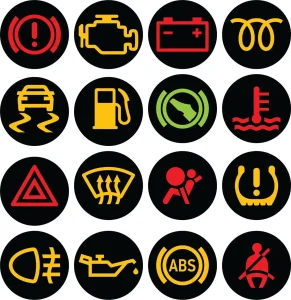
Car dashboard warning lights use colors and symbols to communicate status. Red means urgent issues, yellow indicates caution, and green or blue shows normal operation. Understanding these lights helps you respond quickly and keep your vehicle safe and efficient.
Can Car Light Meanings Vary By Vehicle Model?
Yes, car light meanings can vary slightly by make and model. Always consult your vehicle’s owner manual for accurate information. This ensures correct interpretation and timely action based on your specific car’s warning light system.
Conclusion
Car lights send important signals to drivers and pedestrians. Knowing their meaning helps keep everyone safe. Different colors and flashes show different messages. Pay attention to these signals while driving. They guide you on the road and warn of dangers.
Understanding car lights makes driving easier and safer for all. Stay alert and respect these signals every time you drive. Your safety depends on it.







