
Have you ever noticed those little lights glowing on your car’s dashboard and wondered what they mean? Dashboard lights can be confusing, but they are your car’s way of talking to you.
Understanding these signals can save you from unexpected breakdowns and costly repairs. You’ll discover what each dashboard light means and what action you should take when one lights up. Keep reading to make sure you never miss an important warning from your car again.
Common Dashboard Lights
Dashboard lights help drivers know the status of their car. They show warnings or information about different systems.
Understanding these lights can keep your car safe and working well. Here are some common dashboard lights you should know.
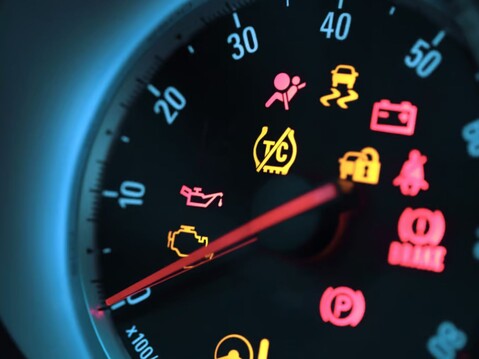
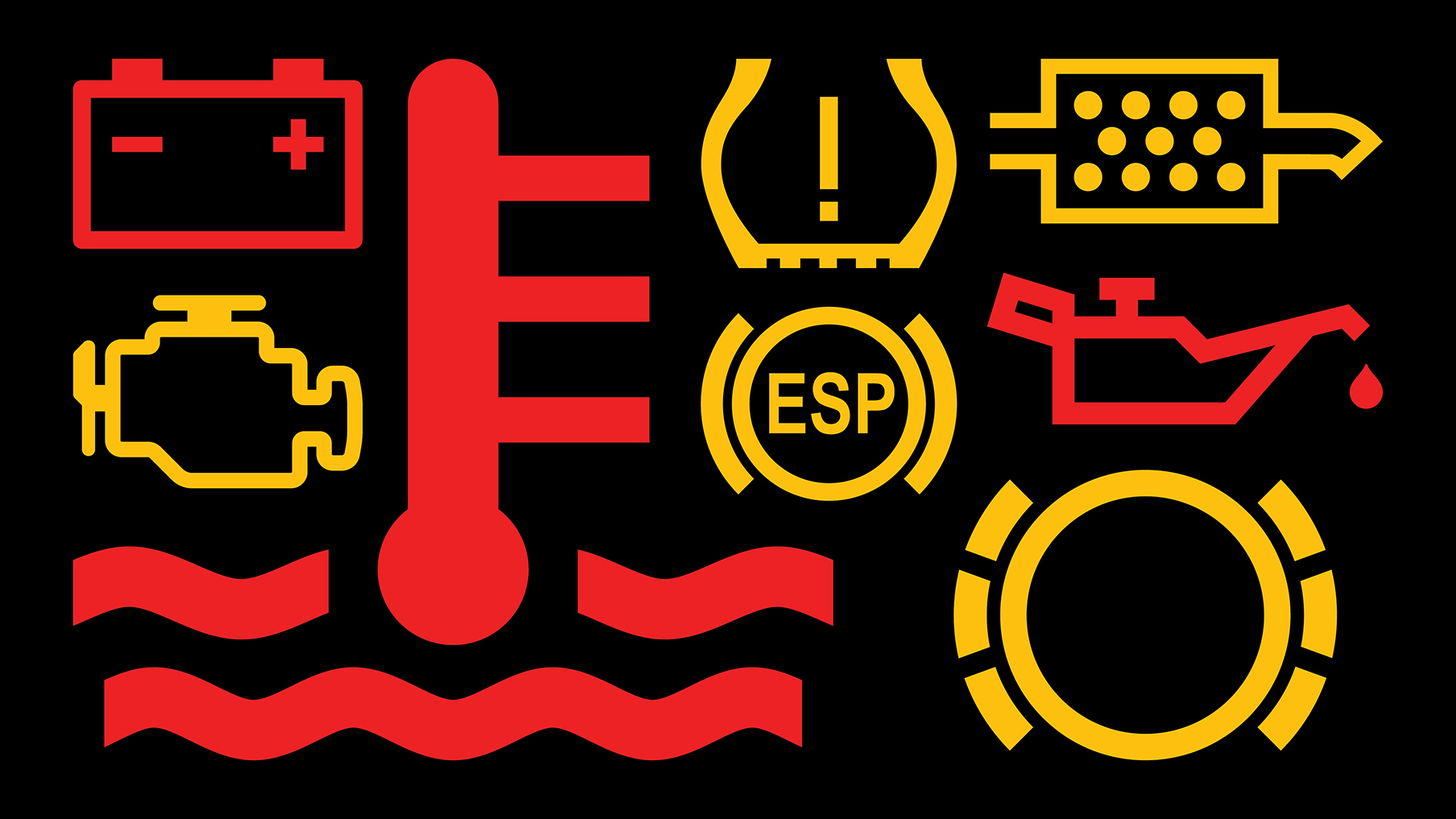
Engine Warning Light
The engine warning light looks like an engine icon. It means the car’s computer found a problem in the engine.
This light can signal many issues, from small to serious. Check the engine soon to avoid damage or poor performance.
Battery Alert
The battery alert light shows a battery icon. It means the battery is not charging properly or has a problem.
If this light stays on, the car may lose power. Get the battery and charging system checked quickly.
Oil Pressure Indicator
The oil pressure indicator looks like an oil can. It warns that the engine oil pressure is low.
Low oil pressure can cause engine damage. Stop the car and check oil levels or call for help if needed.
Brake System Warning
The brake warning light shows a circle with an exclamation mark or the word “BRAKE.” It signals a brake system issue.
This light can mean the parking brake is on or brake fluid is low. Check brakes before driving for safety.
Temperature Warning
The temperature warning light looks like a thermometer in liquid. It means the engine is too hot.
Overheating can cause serious engine damage. Stop the car and let it cool down before checking coolant levels.
Credit: www.browningsuzuki.co.uk
Color Codes And Their Meanings
Dashboard lights use colors to tell you about your car’s status. Each color means something different.
Knowing these colors helps you react fast and keep your car safe.
Red Lights
Red lights signal a serious problem or danger. You should stop driving and check your car immediately.
- Engine temperature warning
- Oil pressure warning
- Brake system alert
- Battery charge warning
Yellow And Amber Lights
Yellow and amber lights mean caution. Your car needs attention soon but it is safe to drive carefully.
| Light | Meaning |
|---|---|
| Check engine | Possible engine problem |
| ABS warning | Anti-lock brake system issue |
| Traction control | Traction system active or faulty |
| Fuel warning | Low fuel level |
Green And Blue Lights
Green and blue lights show that systems are working properly or active.
- Green light: Turn signals or cruise control active
- Blue light: High beam headlights on
Immediate Actions For Critical Warnings
Dashboard warning lights alert you to critical car issues. Acting fast can prevent damage and keep you safe.
Learn when to stop driving and what steps to take for engine and brake warnings.
When To Stop Driving
If a red warning light appears, it means a serious problem. Stop your car safely as soon as possible.
- Pull over to the side of the road carefully.
- Turn off the engine to avoid damage.
- Check the dashboard for specific warning symbols.
- Do not continue driving if you see a temperature or oil pressure warning.
Steps To Take For Engine Issues
Engine warning lights require quick attention. Follow these steps to protect your car.
- Stop driving and turn off the engine immediately.
- Check engine oil and coolant levels if you can do so safely.
- Look for signs of leaks or smoke under the hood.
- Call for roadside assistance or a mechanic if unsure.
- Do not restart the engine until the problem is fixed.
Handling Brake System Alerts
Brake warnings show issues that can affect your stopping power. Use this table to understand common brake alerts and actions.
| Warning Light | Meaning | Immediate Action |
|---|---|---|
| Brake System Light | Low brake fluid or system failure | Stop driving; check brake fluid level |
| ABS Light | Anti-lock braking system issue | Drive cautiously; get system checked soon |
| Parking Brake Light | Parking brake engaged or faulty sensor | Release parking brake; inspect if light stays on |

Credit: www.actonservicecentre.co.uk
Routine Checks To Prevent Dashboard Warnings
Your car’s dashboard lights give important alerts. Regular checks help avoid these warnings.
Routine maintenance keeps your car safe and reliable. It reduces the chance of unexpected problems.
Regular Fluid Levels
Check your car’s fluids often. Low fluid levels can trigger dashboard warnings.
Inspect oil, coolant, brake fluid, and transmission fluid. Top them up if needed.
- Engine oil keeps parts moving smoothly
- Coolant prevents engine overheating
- Brake fluid helps your brakes work correctly
- Transmission fluid ensures smooth gear changes
Battery Maintenance Tips
A weak battery can cause warning lights to appear. Check your battery regularly.
Look for corrosion on battery terminals and clean them. Test battery voltage to ensure good power.
- Keep terminals clean and tight
- Test battery voltage monthly
- Replace old batteries before they fail
Tire And Brake Inspections
Check tires for proper pressure and wear. Bad tires can cause warning lights to come on.
Inspect brakes for wear and fluid levels. Good brakes keep you safe and prevent alerts.
- Measure tire pressure monthly
- Look for uneven tire wear
- Check brake pads and rotors
- Keep brake fluid at the correct level
Technology Behind Dashboard Alerts
Dashboard lights in cars warn drivers about vehicle conditions. They use sensors and smart systems. These alerts help keep the car safe and running well.
The technology behind dashboard alerts is complex but designed to be easy to understand. It detects problems early and signals the driver quickly.
Sensors And Their Roles
Sensors collect data from different parts of the car. They monitor engine temperature, oil pressure, battery charge, and more. Each sensor has a specific role in safety and maintenance.
- Temperature sensors check if the engine is too hot.
- Oil pressure sensors ensure the engine has enough oil.
- Battery sensors monitor the electrical charge.
- Brake sensors warn about brake system problems.
- Fuel sensors track the fuel level in the tank.
How Alerts Are Triggered
When sensors detect a problem, they send signals to the car’s computer. The computer decides if the issue needs a warning light. It uses set rules to trigger alerts.
| Sensor Type | Condition Monitored | Alert Trigger |
| Temperature Sensor | Engine overheating | Warning light turns on when temperature is too high |
| Oil Pressure Sensor | Low oil pressure | Oil light flashes or stays on |
| Battery Sensor | Battery voltage drops | Battery light activates |
| Brake Sensor | Brake fluid low or brake failure | Brake warning light illuminates |
Advancements In Warning Systems
New systems use more advanced sensors and software. They offer clearer alerts and better diagnosis. Some systems show messages or colors to explain the problem.
Modern dashboard alerts include features such as:
- Touchscreen displays with detailed warnings
- Sound alerts to catch driver attention
- Integration with mobile apps for remote monitoring
- Adaptive alerts based on driving conditions
Credit: www.motabilitylifestyle.com
Customizing And Resetting Dashboard Lights
Dashboard lights help you understand your car’s status. Sometimes, you need to customize or reset them. This guide will show you when and how to do it.
Understanding dashboard lights can prevent car issues. Learn about customizing and resetting them to keep your vehicle in top shape.
When To Reset
Knowing when to reset dashboard lights is important. It ensures your car runs well and alerts are accurate.
- After regular maintenance
- When a warning light stays on incorrectly
- After battery replacement
Tools For Resetting
Resetting dashboard lights requires specific tools. These tools help you manage your car’s alert system effectively.
| Tool | Use |
| OBD-II Scanner | Reads and clears error codes |
| Owner’s Manual | Provides reset instructions |
| Diagnostic Software | Advanced reset options |
Avoiding False Alerts
False alerts can be annoying and misleading. Follow these steps to avoid them and ensure your dashboard lights reflect the true condition of your car.
- Regularly check sensor connections
- Use quality parts for replacements
- Keep software updated for accuracy
Frequently Asked Questions
What Do Dashboard Warning Lights Mean In My Car?
Dashboard warning lights indicate your car’s system status. They alert you to issues like engine problems, low fuel, or maintenance needs. Understanding these lights helps you address problems early and keep your vehicle safe and running smoothly.
Why Is My Car’s Check Engine Light On?
The check engine light signals engine or emissions system issues. Causes range from loose gas caps to serious engine faults. It’s best to diagnose the problem with a scanner or professional to avoid costly repairs.
How To Reset Dashboard Lights After Repairs?
Dashboard lights usually reset automatically after fixing the issue. If not, you can disconnect the battery or use an OBD-II scanner to clear codes. Always confirm repairs before resetting warning lights to ensure safety.
Are All Dashboard Lights Urgent To Fix Immediately?
Not all dashboard lights require immediate action. Red lights often indicate serious issues needing prompt attention. Yellow or orange lights suggest warnings but may allow limited driving. Always check your owner’s manual for specific guidance.
Conclusion
Dashboard lights keep you informed about your car’s health. They warn you about issues needing quick attention. Knowing what each light means helps you stay safe. Don’t ignore these signals; they protect your engine and passengers. Regular checks and understanding lights save time and money.
Stay aware, drive carefully, and keep your car in good shape. Your safety depends on it.







