
Are you looking to give your car a fresh, modern look without spending a fortune? Installing LED lights in your car is one of the easiest and most effective ways to do just that.
Imagine driving at night with brighter, clearer lights that not only improve your visibility but also turn heads wherever you go. In this guide, you’ll discover simple steps to install LED lights yourself, saving time and money. Ready to transform your ride and boost your driving experience?
Keep reading—your car’s new glow is just a few clicks away.
Choosing The Right Led Lights
Installing LED lights in your car can improve its look and visibility. Picking the right LED lights is important for safety and style.
There are many types of LED lights, colors, and brightness levels. Knowing these can help you choose the best fit for your car.
Types Of Led Lights For Cars
LED lights come in different types for cars. Each type has a special use and design to fit your needs.
Common types include bulbs for headlights, interior lights, and accent lights. Some LED strips are flexible for custom shapes.
- Headlight bulbs: bright and focused for driving
- Interior lights: soft light for inside the car
- Accent lights: decorative lights for style
- LED strips: flexible and easy to install
Color Options And Effects
LED lights come in many colors. Some colors are for safety, while others add style.
White and yellow are common for headlights and turn signals. Blue, red, and green are popular for interior or accent lighting.
- White: clear and bright for headlights
- Yellow/Amber: used in turn signals and fog lights
- Red: usually for brake or rear lights
- Blue/Green: for interior or custom effects
Some LED lights offer effects like flashing or color changing. These can add a unique look but check local laws before use.
Brightness And Power Consumption
Brightness is important for safety. Too dim lights are hard to see. Too bright lights can blind other drivers.
LED lights use less power than traditional bulbs. This helps save your car’s battery and improve efficiency.
- Brightness is measured in lumens
- Higher lumens mean brighter light
- Look for lights with good brightness but low power use
- Check your car’s power limits before installing

Credit: www.amazon.com
Tools And Materials Needed
Installing LED lights in a car is a simple way to improve its look. You need the right tools and materials for a safe setup.
Gather everything before you start. This helps avoid delays and mistakes during installation.
Essential Tools For Installation
Basic tools are required to install LED lights in a car. These tools help you work efficiently and safely.
- Screwdrivers (flathead and Phillips) to remove panels and covers
- Wire strippers for preparing wires
- Crimping tool to connect wires securely
- Multimeter to check electrical connections and voltage
- Electrical tape for insulation
- Heat gun or lighter for heat shrink tubing
- Pliers for bending and holding wires
- Panel removal tool to avoid damage to car interior
- Drill with small bits for making mounting holes
Additional Materials And Accessories
Besides tools, you need materials that support the LED light setup. These materials keep the installation safe and neat.
- LED light strips or bulbs designed for car use
- Fuse tap or inline fuse holder for protection
- Heat shrink tubing to cover wire connections
- Wire connectors and terminals for joining wires
- Zip ties to secure wires and keep them tidy
- Double-sided tape or mounting clips for fixing lights
- Extension wires if the LED cables are too short
- Power source access, like the car battery or fuse box
Preparing Your Car
Installing LED lights in your car needs some careful preparation. Getting the car ready helps the lights work well and last longer.
Before starting, you must clean the surfaces and take safety steps. This guide shows how to prepare your car properly.
Cleaning And Surface Preparation
Clean the areas where you will place the LED lights. Dirt and dust can stop the lights from sticking well.
Use soap and water to wash the surface. Dry it completely before attaching the lights.
- Use a clean cloth to wipe the area
- Remove grease with rubbing alcohol
- Allow the surface to dry fully
- Avoid touching the cleaned area after drying
Safety Precautions And Battery Disconnection
Safety is important when working on your car’s electrical system. Disconnect the battery to avoid shocks or short circuits.
Turn off the car and remove the negative battery cable first. This stops power flow while you install the lights.
- Wear safety gloves to protect your hands
- Use tools with insulated handles
- Remove the negative battery cable before the positive
- Keep metal objects away from the battery terminals
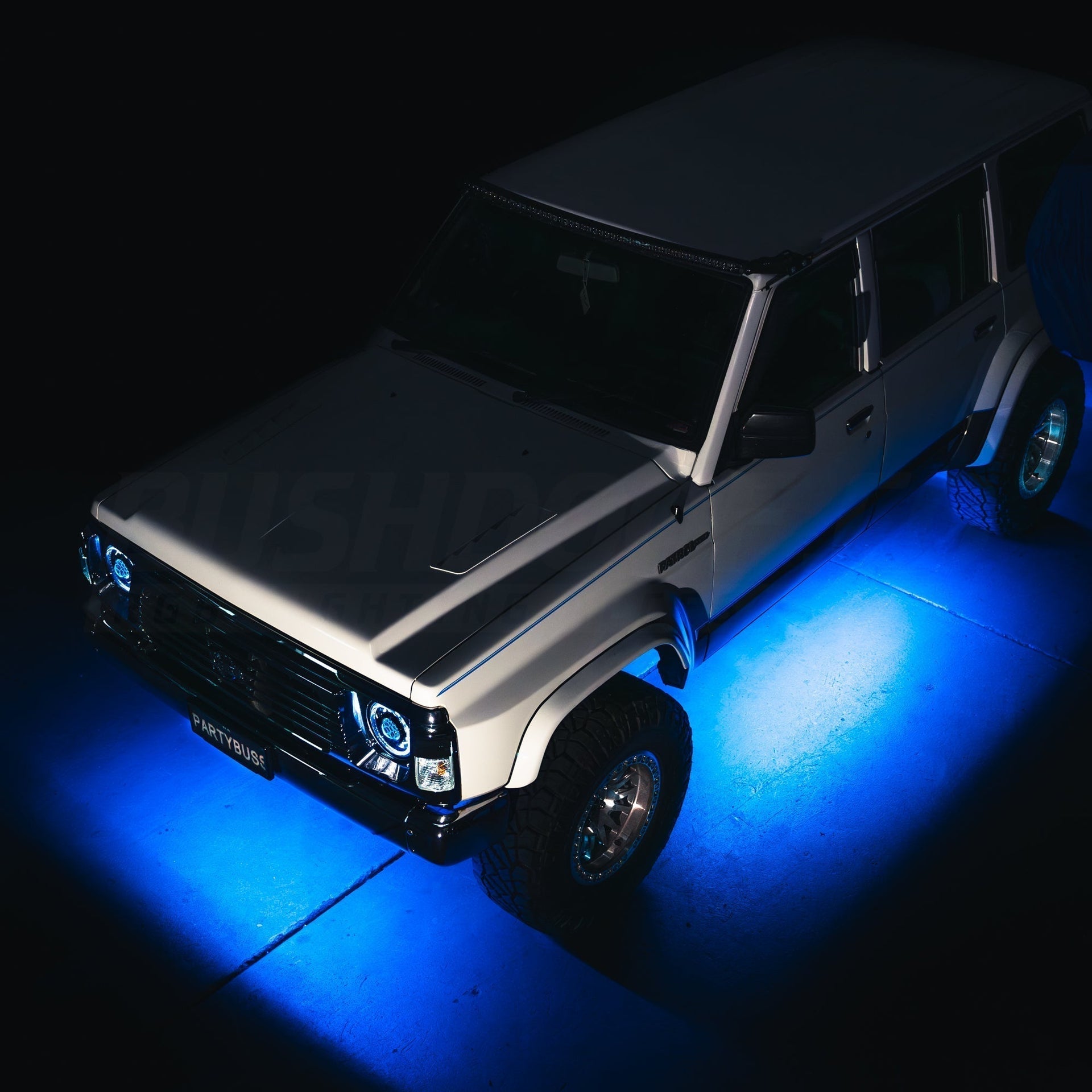
Credit: bushdoof.co
Step-by-step Installation Process
Installing LED lights in your car is a simple way to improve its look. This guide helps you install them safely and correctly.
Follow these steps carefully to add bright LED lights to your vehicle without damage or mistakes.
Wiring Basics And Planning
Start by understanding basic wiring before installation. Plan where each wire will go to avoid confusion later.
Check your car’s electrical system. Know the positive and negative wires to connect LEDs properly.
- Use a wiring diagram for your vehicle
- Choose wires that match LED requirements
- Plan wire routes to keep them safe and hidden
Mounting The Led Strips Or Bulbs
Clean the surface where you will mount the LEDs. Dirt or grease can stop them from sticking well.
Use the adhesive backing on LED strips or mounting clips for bulbs. Press firmly to fix them in place.
- Choose flat and dry spots for strips
- Avoid hot engine parts
- Test light placement before fixing permanently
Connecting To The Power Source
Connect your LED lights to a power source safely. Usually, this is the car battery or fuse box.
Use a fuse or relay to protect your car’s electrical system from short circuits or power surges.
- Identify the positive (+) and negative (-) terminals
- Use connectors or solder wires for secure joins
- Install a fuse with the correct rating
Securing And Concealing Wires
Keep wires neat and safe by securing them with clips or zip ties. This prevents damage and loose connections.
Hide wires behind panels or under carpets to keep your car tidy and avoid accidents.
- Use wire loom or tape for extra protection
- Check wires do not touch moving parts
- Test lights before finalizing wire placement
Testing And Troubleshooting
After installing LED lights in your car, testing is important. It helps you see if the lights work well.
Troubleshooting finds and fixes problems quickly. This keeps your lights safe and reliable.
Initial Power On And Function Check
Turn on the car’s power to test the LED lights. Check if all lights turn on as expected.
Look for any flickering or dim lights. Test each light separately if possible to ensure full function.
- Switch on the car’s ignition
- Observe the LED lights for steady glow
- Check different light modes if available
- Verify brightness matches your settings
Common Issues And Fixes
Sometimes LED lights do not work as expected. Common issues include flickering, no light, or dim light.
Fixing these issues can be simple. Check wiring, fuses, and connections first to find the problem.
- Flickering lights:Tighten loose wires or replace bad connectors
- No lights:Check the fuse box and replace blown fuses
- Dim lights:Clean contacts and check battery voltage
- Wrong colors:Verify LED polarity and wiring order
Customization And Enhancements
Installing LED lights in your car is a fun way to personalize it. You can make your car look unique and modern.
LED lights come in different colors and styles. They can improve your car’s interior and exterior looks.
Using Controllers And Remote Options
Controllers help you manage your LED lights. They let you change colors and brightness easily.
Remote options offer convenience. You can adjust your lights from a distance without reaching for the controller.
- Handheld remotes are easy to use
- App-based controls offer more features
- Voice control is possible with smart devices
Syncing Lights With Music Or Car Functions
LED lights can sync with your car’s music. They change colors and flash to the beat of your favorite songs.
Syncing with car functions is also possible. Lights can turn on with the engine or blink with the indicators.
- Music sync creates a party atmosphere
- Engine sync enhances driving experience
- Indicator sync improves visibility
Maintenance Tips For Longevity
Maintaining LED lights in your car helps them last longer. Simple care can keep them shining bright.
Regular upkeep prevents issues and ensures your car is well lit. Here are some tips to follow.
Cleaning Led Lights
Cleaning LED lights is crucial for clear visibility. Dirt can block light, reducing effectiveness.
Use a soft cloth and mild soap to clean the lights. Avoid harsh chemicals.
- Turn off lights before cleaning.
- Gently wipe with a damp cloth.
- Dry with a soft towel to prevent streaks.
Regular Inspection And Repairs
Inspect LED lights often to catch problems early. Regular checks can prevent bigger issues.
Look for flickering or dimming lights. These signs may indicate a need for repair.
| Issue | Solution |
| Flickering lights | Check connections |
| Dim lights | Clean thoroughly |
| No light | Replace LED bulb |

Credit: www.youtube.com
Legal Considerations And Safety
Installing LED lights in a car requires attention to laws and safety rules. This helps avoid fines and accidents.
Check your local regulations before adding LED lights. Follow safety tips to protect yourself and others on the road.
Local Laws On Car Lighting
Each area has rules about the color, brightness, and placement of LED lights. Some colors are illegal for certain parts of the car.
- Only use white or amber lights in front of the car.
- Red or amber lights are allowed on the rear side.
- Blue and green lights are often restricted to emergency vehicles.
- Lights must not blind other drivers or cause distractions.
- Check if flashing or strobe lights are allowed on public roads.
Ensuring Road Safety Compliance
Proper installation keeps your LED lights safe and legal. Use the correct wiring and avoid covering signals.
| Safety Tip | Reason |
| Use waterproof LED strips | Prevent electrical shorts and damage |
| Secure all wiring tightly | Stop wires from loosening or causing hazards |
| Test all lights before driving | Ensure signals and brakes work properly |
| Do not alter original light functions | Keep signals clear to other drivers |
Frequently Asked Questions
How Do I Install Led Lights In My Car?
Start by choosing the right LED lights for your car model. Disconnect the battery, remove panels carefully, and connect wiring as per instructions. Secure the LEDs and test the lights before reassembling everything.
Are Led Lights Safe For Car Use?
Yes, LED lights are safe when installed correctly. They consume less power and produce less heat than traditional bulbs, reducing fire risk. Always follow manufacturer guidelines and avoid overloading circuits.
Can I Install Led Lights Myself?
Yes, basic LED installations are DIY-friendly. Ensure you have the right tools, follow instructions carefully, and disconnect the battery for safety. For complex wiring, consider professional help to avoid damage.
Will Led Lights Improve Car Visibility?
Yes, LEDs provide brighter and clearer illumination than standard bulbs. This improves night driving visibility and enhances safety. Choose LED lights with appropriate brightness and color temperature for best results.
Conclusion
Installing LED lights in your car adds style and improves visibility. You can choose colors and brightness to fit your taste. The process is simple and saves energy compared to old lights. Always follow safety steps and check your car’s manual.
Small changes make a big difference on the road. Enjoy your brighter, cooler-looking car every time you drive.







