
Have you ever wondered how Formula 1 cars compare to the everyday vehicles you see on the road? When you think about speed and performance, weight plays a huge role.
But are F1 cars actually lighter than normal cars? Understanding this can change the way you see racing and even your own car’s design. Keep reading to discover surprising facts about F1 car weight and why it matters more than you might think.
F1 Car Weight Basics
Formula 1 cars are very different from normal cars. They are built to be as light as possible. This helps them go faster and handle better on the track.
The weight of an F1 car is carefully controlled by strict rules. Teams work hard to balance lightness and safety. Understanding these rules helps explain why F1 cars are lighter than regular cars.
Minimum Weight Rules
F1 cars must meet a minimum weight set by the sport’s governing body. This weight includes the driver but excludes fuel. The rules ensure cars are safe and fair.
The minimum weight changes over time. Teams try to reach this limit without going under. If a car is too light, it can be disqualified from the race.
- The 2024 minimum weight is 798 kilograms.
- Weight includes driver and car but no fuel.
- Teams add ballast to reach the minimum if needed.
Components Affecting Weight
Many parts of an F1 car affect its total weight. Teams use special materials to keep parts light. Carbon fiber is common for the body and chassis.
Other heavy parts include the engine, brakes, and safety equipment. Teams also add small weights to balance the car properly on the track.
- Chassis and body made from carbon fiber.
- Engine and gearbox are heavy but compact.
- Brakes and suspension add to the total weight.
- Ballast weights help with balance and meet minimum weight.
- Driver’s weight is included in the total.
Weight Of Normal Cars
Normal cars come in many shapes and sizes. Their weight depends on their design and purpose.
Knowing the weight helps us compare them to special cars like Formula 1 race cars.
Average Weight Range
The weight of regular cars usually falls between 2,500 and 4,000 pounds. Small cars weigh less.
SUVs and trucks weigh more because they are larger and built for strength.
- Compact cars: Around 2,500 to 3,000 pounds
- Midsize cars: About 3,000 to 3,500 pounds
- SUVs and trucks: From 3,500 up to 4,500 pounds
Factors Influencing Weight
Several things change how much a car weighs. Materials and size play big roles.
Features like engine type and safety parts also add to the weight of a car.
- Material: Steel is heavier than aluminum or carbon fiber
- Size: Bigger cars weigh more
- Engine: Larger engines add extra weight
- Safety: Airbags and reinforcements increase weight
- Extras: Air conditioning and sound systems add pounds
Comparing F1 Cars And Normal Cars
Formula 1 cars and normal cars look very different. They serve different purposes and have different designs.
One big difference is their weight. This affects how they drive and perform on the road or track.
Weight Differences Explained
F1 cars are much lighter than normal cars. They use special materials like carbon fiber to stay light.
Normal cars use steel and other heavy materials to keep costs low and add safety. This makes them heavier.
- F1 car weight: around 798 kg (including driver)
- Normal car weight: about 1,300 to 1,800 kg
- Lightweight parts help F1 cars speed up quickly
- Normal cars focus on comfort and safety, adding weight
Impact On Performance
Lighter weight helps F1 cars accelerate and brake faster. It also improves cornering on the track.
Normal cars need to be heavier to keep passengers safe and comfortable. This lowers their speed and agility.
- F1 cars reach speeds over 350 km/h
- Normal cars usually reach speeds under 250 km/h
- Light weight gives F1 cars better grip and control
- Heavier cars have more stability but less agility
Materials Used In F1 Cars
Formula 1 cars are built to be very light and strong. The materials used help make the cars faster and safer.
Engineers choose special materials to reduce weight without losing strength. This helps the car perform better on the track.
Lightweight Alloys
F1 cars use lightweight metal alloys in many parts. These alloys mix metals like aluminum, magnesium, and titanium.
- Aluminum alloys are light and strong.
- Magnesium alloys are even lighter but less common.
- Titanium alloys offer high strength and heat resistance.
Carbon Fiber Use
Carbon fiber is a key material in F1 cars. It is very light but also very strong and stiff.
| Part | Material | Reason |
| Chassis | Carbon Fiber | Light and strong for safety |
| Body Panels | Carbon Fiber | Reduces weight and improves aerodynamics |
| Suspension Parts | Lightweight Alloys | Strong but light for better handling |
Why Weight Matters In Racing
In racing, the weight of a car affects how it moves and performs on the track. Lighter cars often have an edge over heavier ones. This is because weight changes how fast a car can go and how well it handles turns.
Formula 1 cars are built to be very light compared to normal cars. This helps them reach high speeds and stay safe during races. Understanding why weight is important shows why F1 cars are designed the way they are.
Acceleration And Speed
A lighter car needs less power to speed up. This means F1 cars can accelerate faster than normal cars. The reduced weight helps the engine work better and use fuel more efficiently.
- Less weight means quicker starts and faster lap times.
- Lower mass reduces the force needed to change speed.
- Improved acceleration gives drivers better control during races.
Handling And Safety
Weight also affects how a car handles corners and stays stable. Lighter cars can turn more easily and react faster to driver commands. This improves safety by reducing the chance of losing control.
| Factor | Effect of Lighter Weight |
| Cornering | Better grip and faster turns |
| Braking | Shorter stopping distances |
| Stability | Improved control at high speeds |
| Driver Safety | Lower risk of crashes |
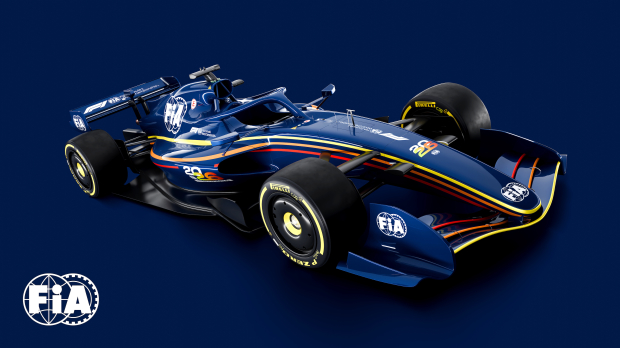
Credit: www.gpfans.com
Technological Innovations Reducing Weight
Formula 1 cars are much lighter than regular cars. They achieve this through advanced technologies and engineering.
Engineers focus on reducing weight without sacrificing strength or safety. Let’s explore some key areas.
Advanced Engineering
F1 teams use special materials to make the cars lighter. These materials are strong yet light. This helps the car go faster.
- Carbon fiber is used for the car’s body.
- Titanium is used for crucial parts.
- Aluminum is used to keep parts light.
Fuel And Battery Considerations
The type of fuel and battery affects the car’s weight. Engineers choose options that provide power while reducing weight.
| Component | Weight Consideration |
| Fuel Tank | Smaller size for less weight |
| Battery | Lightweight lithium options |
| Engine | Compact and efficient design |
Surprising Facts About F1 Car Weight
Formula 1 cars are much lighter than regular cars. This lightness helps them go faster on the track.
F1 cars have strict weight rules. These rules make sure all cars are fair and safe during races.
Weight Distribution Strategies
Weight distribution is key for F1 cars. Engineers focus on balance to improve speed.
Most weight is placed low in the car. This helps with stability during high-speed turns.
- Front and rear weight balance is crucial
- Ensures equal tire grip on the track
- Weight can be adjusted during pit stops
Rules Impacting Weight Design
F1 cars must follow strict weight rules. These rules ensure safety and fairness in races.
The minimum weight for F1 cars changes over time. This helps keep the sport competitive.
| Year | Minimum Weight (kg) |
| 2020 | 746 |
| 2021 | 752 |
| 2022 | 790 |

Credit: www.reddit.com

Credit: www.gpfans.com
Frequently Asked Questions
Are F1 Cars Lighter Than Regular Cars?
Yes, F1 cars are significantly lighter, weighing around 798 kg. Normal cars usually weigh over 1,200 kg. This lightness improves speed and agility on the track.
Why Are F1 Cars Designed To Be So Light?
F1 cars are light to maximize speed and handling. Reduced weight allows quicker acceleration and sharper cornering, essential for competitive racing performance.
What Materials Make F1 Cars Lighter Than Normal Cars?
F1 cars use carbon fiber and titanium, which are strong yet lightweight. These materials reduce overall weight while maintaining safety and durability.
How Does Weight Affect F1 Car Performance?
Lower weight improves acceleration, braking, and cornering. It enhances tire grip and fuel efficiency, giving F1 cars a competitive edge on race tracks.
Conclusion
F1 cars weigh much less than normal cars. They use special materials to stay light. This helps them go faster and turn better. Normal cars need more weight for safety and comfort. Both types have different goals and designs. Knowing these facts helps you understand F1 racing better.
Lightness is key in F1 speed and performance. It shows how design fits purpose perfectly. Simple but powerful—just like the cars themselves.







