
Have you ever been driving at night and noticed your car light acting strangely? Maybe it flickers, dims, or just doesn’t shine as brightly as it should.
Your car light is more than just a bulb—it’s your safety line in the dark. Understanding how it works and what to do when it fails can save you time, money, and even keep you safe on the road. You’ll discover everything you need to know about car lights, how to spot issues early, and simple fixes you can try yourself.
Keep reading to make sure your car light never leaves you in the dark.

Credit: www.carparts.com
Types Of Car Lights
Car lights help drivers see and stay safe on the road. They also signal other drivers about your actions.
Different types of car lights serve unique purposes. Each one improves driving in various ways.
Headlights
Headlights light up the road ahead at night or in low visibility. They help you see obstacles and signs.
Most cars have two types of headlights: low beam and high beam. Low beams are for regular driving. High beams shine farther but can blind other drivers.
Fog Lights
Fog lights are placed low on the car. They help drivers see the road in fog, rain, or snow.
These lights produce a wide, low beam that reduces glare. They improve visibility close to the ground.
Daytime Running Lights
Daytime running lights (DRLs) turn on automatically when the car moves. They make your vehicle more visible during the day.
DRLs use less power than headlights. They help prevent accidents by making your car easier to see.
Brake Lights
Brake lights turn on when you press the brake pedal. They warn drivers behind you to slow down.
These lights are red and usually located at the rear of the car. Bright brake lights improve safety in traffic.
Turn Signals
Turn signals blink to show your intention to turn or change lanes. They help prevent crashes by alerting others.
Turn signals are found at the front, rear, and sides of the car. They usually flash orange or amber.
Benefits Of Brighter Beams
Car lights with brighter beams make driving safer. They help you see the road clearly at night. Bright beams reduce eye strain and improve focus.
Using brighter lights on your car gives you more confidence. You can avoid hazards and spot obstacles quickly. This makes night driving easier and less stressful.
Improved Night Visibility
Brighter beams light up the road better. You can see signs, pedestrians, and animals sooner. This helps prevent accidents in dark areas.
- Clearer view of the road ahead
- Better visibility in fog or rain
- Reduced glare from oncoming cars
- Improved detection of road signs
Enhanced Reaction Time
Brighter beams give drivers more time to react. Seeing danger earlier allows you to brake or steer safely. This lowers the chance of crashes.
| Benefit | Effect |
| Early hazard detection | More time to react |
| Clearer road view | Safer driving decisions |
| Better illumination | Reduced accidents |
Increased Road Awareness
Brighter beams help you stay aware of your surroundings. You can spot other vehicles and pedestrians faster. This keeps you alert and ready to act.
- Notice side roads and driveways early
- Detect moving objects near the road
- Better judge distances and speed of others
Choosing The Right Bulbs
Choosing the right car light bulb is important for safe driving. Different bulbs offer various brightness and lifespan. You must pick the one that fits your needs and car model.
This guide will explain the three common types of bulbs: halogen, LED, and HID. Learn their features to make a good choice.
Halogen Bulbs
Halogen bulbs are the most common and affordable option. They use a tungsten filament and halogen gas to produce light. These bulbs work well in most weather conditions.
They have a warm yellow light and a shorter lifespan compared to other bulbs. Halogen bulbs are easy to replace and fit most cars.
Led Bulbs
LED bulbs use light-emitting diodes to create bright light. They consume less energy and last longer than halogen bulbs. LED lights are cool to touch and give a white, clear beam.
- Low power consumption
- Long lifespan, up to 25,000 hours
- Bright and sharp light output
- More expensive upfront
- May need special fixtures or adapters
Hid Bulbs
HID bulbs produce light by creating an electric arc between two electrodes. They are much brighter than halogen bulbs and give a blue-white light.
| Feature | HID Bulbs | Halogen Bulbs | LED Bulbs |
| Brightness | Very High | Medium | High |
| Lifespan | 2,000 to 3,000 hours | 500 to 1,000 hours | 20,000 to 25,000 hours |
| Energy Use | Moderate | High | Low |
| Color Temperature | 4,000 to 6,000 K | 3,000 K (yellow) | 5,000 to 6,500 K |
| Cost | High | Low | Medium |
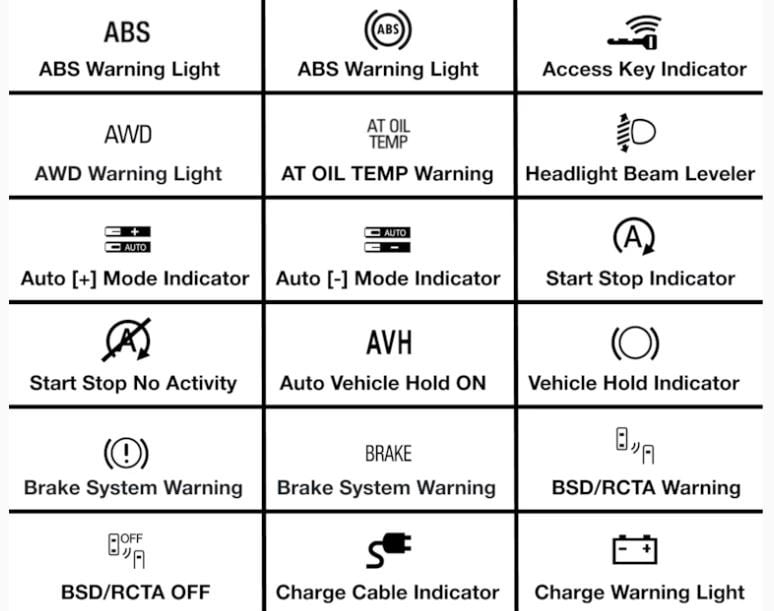
Credit: www.subaruoflasvegas.com
Installation Tips
Installing car lights needs care and the right tools. Follow simple steps to fit them safely.
This guide helps you avoid common errors and shows what tools you need for a smooth install.
Tools Needed
Gather these tools before you start. They make the job easier and faster.
- Screwdrivers (flathead and Phillips)
- Socket wrench set
- Wire stripper and cutter
- Electrical tape
- Voltage tester
- Gloves for safety
Step-by-step Guide
Follow these steps carefully to install your car light correctly and safely.
- Turn off the car and disconnect the battery.
- Remove the old light by unscrewing or unclipping it.
- Check the wiring for any damage or wear.
- Connect the new light’s wires to the car’s wiring.
- Secure the new light in place with screws or clips.
- Test the light by reconnecting the battery and turning it on.
- Adjust the light angle if needed for proper visibility.
Common Installation Mistakes
Watch out for these mistakes to avoid problems after installation.
| Mistake | Effect |
| Not disconnecting the battery | Risk of electric shock or short circuit |
| Loose wiring connections | Light flickers or does not work |
| Wrong bulb type | Poor light output or damage to the socket |
| Overtightening screws | Cracked light housing or broken parts |
| Ignoring alignment | Poor road visibility and glare for others |
Legal And Safety Considerations
Car lights help drivers see the road at night and in bad weather. They also make cars visible to others. Using car lights correctly keeps everyone safe.
There are laws about car lights. These laws protect all drivers and pedestrians. Understanding these rules is important for safe driving.
Regulations On Brightness
Car lights must not be too bright or too dim. Bright lights can blind other drivers. Dim lights may not show your car well.
Most places set limits on how bright car lights can be. These rules help keep roads safe for all users.
- Headlights usually have brightness limits measured in lumens.
- Some areas require lights to pass official tests.
- Using bulbs that are too strong can cause fines.
- Regular checks ensure your lights meet legal standards.
Avoiding Glare For Other Drivers
Glare from car lights can cause accidents. It makes it hard for other drivers to see the road. Proper light aim reduces glare problems.
Drivers should adjust their lights to shine on the road, not into other cars. Using the right bulbs and settings helps avoid glare.
- Keep headlights aligned to avoid pointing too high.
- Use low beams in traffic or city areas.
- Avoid using bright lights when following other cars.
- Clean headlights to keep light focused correctly.
Maintaining Your Car Lights
Proper maintenance of car lights is essential for safety. It ensures clear visibility during driving. This guide helps you keep your car lights in top condition.
Follow these simple steps to maintain your car lights effectively. Regular checks and cleaning can prevent major issues.
Regular Cleaning
Cleaning your car lights regularly helps improve brightness. Dirty lights can reduce visibility and increase risk during night driving.
- Use a gentle cleanser and a soft cloth.
- Rinse with water to remove residue.
- Avoid harsh chemicals that can damage the lens.
Checking For Damage
Inspect your car lights for any signs of damage. Cracks or moisture inside the lights can affect their functionality.
Replacing Bulbs On Time
Timely replacement of car light bulbs is crucial. Dim or burnt-out bulbs reduce visibility and can lead to accidents.
| Bulb Type | Average Lifespan |
| Halogen | 500-1,000 hours |
| LED | 15,000-30,000 hours |
| Xenon | 2,000 hours |
Keep an extra set of bulbs in your car. This ensures you can replace them immediately when needed.
Upgrading For Better Performance
Car lights are essential for safe driving. Upgrading them can improve visibility.
Better performance in car lights helps you see the road clearly. This ensures safe journeys during night and bad weather.
Aftermarket Options
Aftermarket options offer a variety of car light upgrades. You can choose based on your needs and budget.
- LED lights for brighter illumination
- HID lights for a wider field of view
- Halogen lights for affordability
Professional Upgrades
Professional upgrades ensure quality and reliability. Experts can install advanced lighting systems for better results.
| Upgrade Type | Benefits |
| LED Conversion | Long-lasting and energy-efficient |
| Projector Headlights | Precise light distribution |
| Fog Lights | Better visibility in foggy conditions |
Cost Vs. Benefit
Considering cost versus benefit is crucial when upgrading car lights. Some options may be expensive but offer significant advantages.

Credit: www.youtube.com
Frequently Asked Questions
What Types Of Car Lights Are Essential For Safety?
Essential car lights include headlights, brake lights, turn signals, and tail lights. They ensure visibility and communication with other drivers, especially in low-light conditions or bad weather.
How Often Should Car Headlights Be Replaced?
Car headlights should be replaced every 1 to 2 years or when they dim. Regular checks ensure optimal brightness and safer night driving.
Can Led Lights Improve Car Visibility?
Yes, LED lights offer brighter, clearer illumination. They consume less energy and last longer than traditional bulbs, enhancing road safety.
Why Are Car Brake Lights Important?
Brake lights alert drivers behind you when you slow down or stop. Functioning brake lights prevent accidents and are legally required for road safety.
Conclusion
Car lights play an important role in safe driving. They help you see the road clearly at night and in bad weather. Choosing the right car light improves your visibility and safety. Regularly check and maintain your lights to avoid problems.
Bright and working lights make driving easier and safer for everyone. Remember, good car lights protect you and others on the road. Keep your lights clean and replace them when needed. Safe driving starts with clear vision.







