
Have you ever glanced at your car’s dashboard and noticed a light turning on, leaving you confused or worried? Those little symbols and colors are more important than you might think.
Understanding the meaning of lights in your car can save you from costly repairs and keep you safe on the road. You’ll learn exactly what those lights mean and what you should do when they appear. Knowing this could make all the difference the next time your car tries to tell you something.
Keep reading to unlock the secrets behind your car’s warning lights.
Common Dashboard Lights
Dashboard lights help drivers understand the status of their car. Each light has a specific meaning. Knowing these lights can keep you safe and prevent damage to your vehicle.
Some lights warn about urgent issues. Others show normal functions or minor problems. It is important to learn what the most common lights mean.
Engine Warning Light
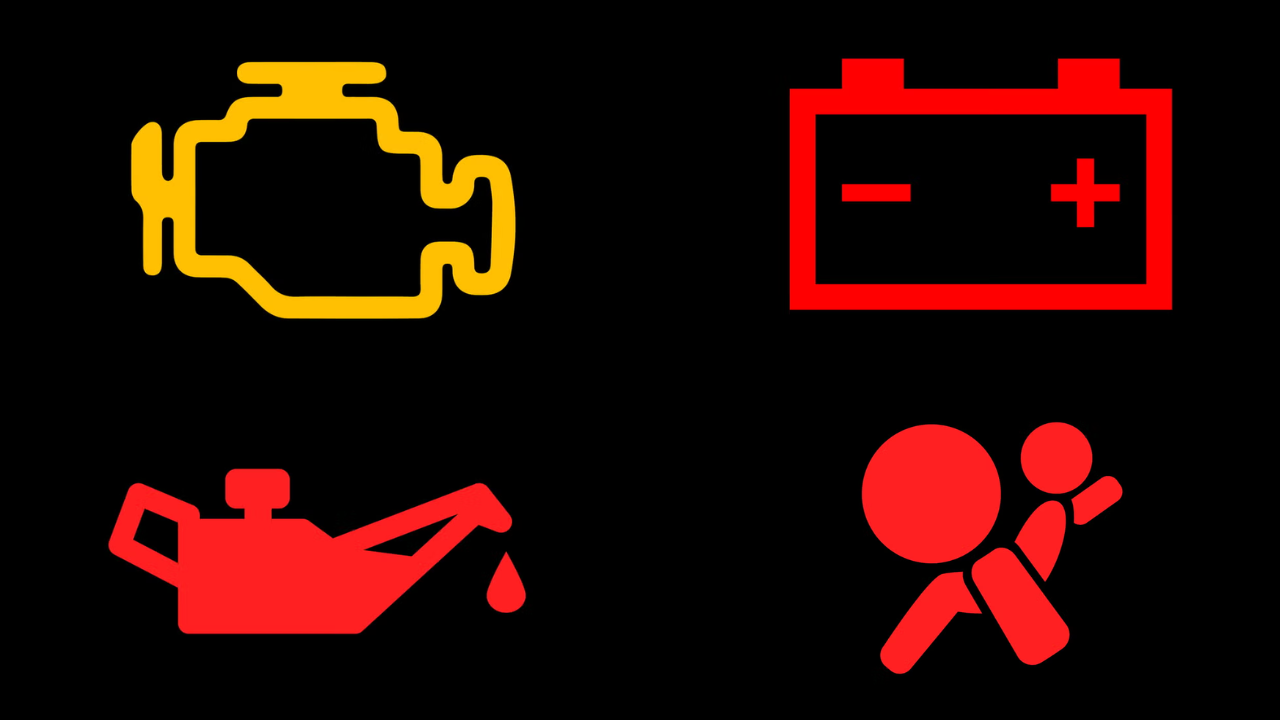
The engine warning light often looks like an engine outline. It means the car’s engine system has a problem. This could be due to fuel, ignition, or emission issues. You should check the engine soon to avoid damage.
Battery Alert
The battery alert light shows a battery symbol. It means the car’s charging system is not working well. This can lead to a dead battery. Check your battery and alternator to fix the issue.
Oil Pressure Indicator
The oil pressure indicator looks like an oil can. It warns about low oil pressure. Low oil can cause serious engine damage. Stop the car and check the oil level immediately.
Brake System Light
The brake system light may show a circle with an exclamation mark or the word “BRAKE.” It signals a brake problem. This could mean low brake fluid or an issue with the brake pads.
- Check brake fluid level
- Inspect brake pads
- Do not drive if brakes feel weak
Coolant Temperature Warning
The coolant temperature warning light looks like a thermometer in liquid. It shows the engine is too hot. This can cause engine failure. Stop the car and let it cool down.
| Light | Meaning | Recommended Action |
| Engine Warning Light | Engine system issue | Check engine soon |
| Battery Alert | Charging system problem | Check battery and alternator |
| Oil Pressure Indicator | Low oil pressure | Stop and check oil level |
| Brake System Light | Brake system problem | Inspect brakes and fluid |
| Coolant Temperature Warning | Engine overheating | Stop and cool engine |

Credit: www.actonservicecentre.co.uk
Safety-related Indicators
Car dashboard lights tell you important safety information. They help keep you safe while driving.
Understanding these lights can prevent accidents and costly repairs. Here are some key safety indicators.
Airbag Warning
The airbag warning light shows if there is a problem with the airbag system. If it stays on, airbags might not work in a crash.
Do not ignore this light. Get your car checked by a mechanic to fix the issue.
Seatbelt Reminder
The seatbelt reminder light flashes or beeps to tell you to fasten your seatbelt. Seatbelts save lives in crashes.
Always wear your seatbelt before driving. Make sure all passengers do the same.
Tire Pressure Monitoring
This light warns you when tire pressure is too low or too high. Proper tire pressure keeps your car safe and saves fuel.
Check your tire pressure soon if this light comes on. Use a gauge to fill tires to the recommended level.
Abs Light
The ABS light shows if there is a problem with the anti-lock braking system. ABS helps you stop safely on slippery roads.
If this light stays on, your brakes may still work but ABS might not. Have your car inspected to fix the issue.
Maintenance And Service Alerts
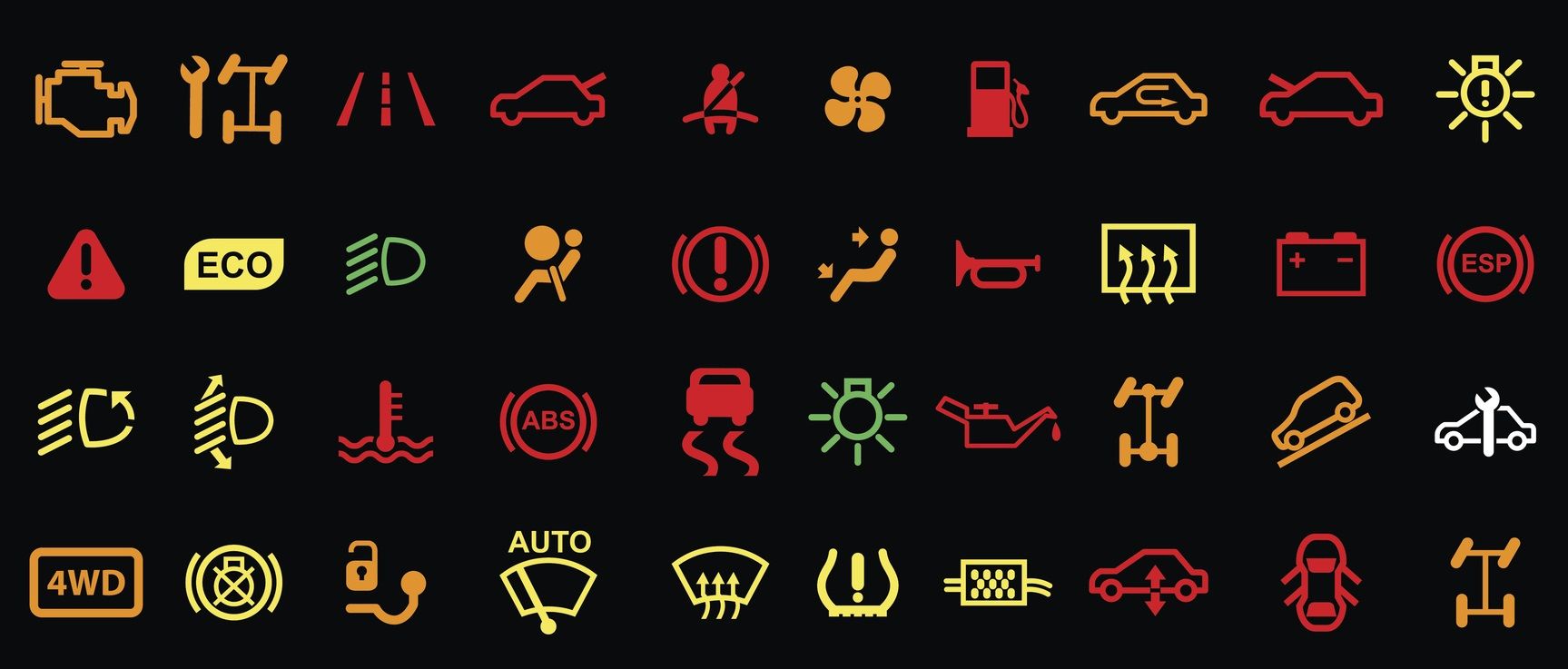
Car dashboard lights show important information about your vehicle. Some lights warn about maintenance or service needs. Paying attention to these alerts helps keep your car safe and running well.
Ignoring maintenance lights can cause bigger problems. Learn what common service alerts mean and what to do when they appear.
Service Engine Soon
The Service Engine Soon light means your car needs a checkup. It may signal engine or emission problems. You should have a mechanic inspect it soon to avoid damage.
This light can come on for many reasons. It is best not to ignore it or drive for too long without service.
Check Fuel Cap
The Check Fuel Cap light tells you the fuel cap is loose or missing. A loose cap can cause fuel leaks or lower fuel efficiency. Tighten the cap until it clicks to turn off the light.
If the light stays on after tightening, inspect the cap for damage or replace it. This alert helps prevent fuel evaporation and emissions.
Transmission Temperature
This light warns that the transmission is too hot. High temperature can damage transmission parts. Stop driving if it appears and let the car cool down.
Check the transmission fluid level and condition. If the light stays on, get professional help to avoid costly repairs.
Scheduled Maintenance Reminder
The Scheduled Maintenance Reminder light tells you when to get routine service. This includes oil changes, tire rotations, and inspections. Following the schedule keeps your car healthy.
Check your owner’s manual for the recommended service intervals. Ignoring this light can reduce your car’s performance and lifespan.
Credit: www.sunridgemazda.com
Lighting And Signal Indicators
Car lights help drivers see better and show others their actions. They make driving safer, especially in low light or bad weather.
Different lights on a car have specific meanings. Learning these meanings helps you drive and react correctly on the road.
Headlight And High Beam
Headlights light the road ahead at night or in dark places. They make your car visible to others. High beams are brighter and help see far on empty roads.
Use low beams in city streets and when other cars are near. Use high beams on dark roads without oncoming traffic. Switch back to low beams to avoid blinding others.
Turn Signal Lights
Turn signals show your intention to turn or change lanes. They blink on the side you want to move toward.
- Use turn signals before turning or lane changes
- Signal early to warn other drivers
- Turn off signals after completing the turn
Fog Lights
Fog lights help you see when there is fog, heavy rain, or snow. They are placed low on the car to reduce glare and improve visibility close to the road.
| Type of Light | When to Use |
| Fog Lights | Fog, heavy rain, snow |
| Headlights (Low Beam) | Night, rain, city driving |
| High Beams | Open roads with no traffic |
Hazard Warning Lights
Hazard lights flash all turn signals at once. Use them to warn others of danger or a stopped car.
Turn on hazard lights if your car breaks down or if you stop suddenly on the road. They help prevent accidents by alerting other drivers.
What To Do When A Light Appears
Car dashboard lights show important information about your vehicle’s condition. They can warn you about problems or remind you of maintenance.
Knowing what to do when a light appears helps keep you safe and prevents damage to your car.
Immediate Actions
When a dashboard light turns on, stay calm and check what the light means. Some lights need quick action, while others are less urgent.
If a red or flashing light appears, stop driving as soon as it is safe. Turn off the engine and check for obvious issues like low oil or overheating.
- Look for warning lights that show engine, oil, or brake problems
- Pull over safely if lights are red or flashing
- Turn off the engine and check under the hood if needed
- Avoid driving if you see serious warning lights
When To Visit A Mechanic
Some dashboard lights mean you should get professional help soon. If the light stays on after you restart the car, visit a mechanic.
Do not ignore yellow or orange lights. They warn you about problems that can get worse if left alone. A mechanic can fix these issues before they become serious.
- Visit a mechanic if a light remains on after restarting
- Get help for brake, engine, or battery warning lights
- Do not delay repairs for yellow or orange warning lights
- Schedule regular check-ups to avoid unexpected problems
Using The Owner’s Manual
Your car’s owner’s manual explains all the dashboard lights. It shows what each light means and what to do next.
Keep the manual in your car. Use it to identify lights quickly and respond correctly to warnings.
- Find your car’s specific dashboard light symbols
- Learn what each light color and icon means
- Follow the manual’s advice for handling alerts
- Use it as a guide before calling a mechanic or taking action
Tips To Prevent Dashboard Warnings
Understanding the meaning of lights on your car’s dashboard is important. Regular checks can prevent these warnings from appearing.
Simple maintenance steps can keep your car running smoothly. Let’s explore some key areas to focus on.
Regular Vehicle Maintenance
Regular maintenance is vital for car health. It helps avoid unexpected issues and costly repairs.
- Schedule regular oil changes
- Replace air filters annually
- Inspect brakes every six months
Checking Fluid Levels
Fluid levels affect your car’s performance. Check them often to ensure everything runs smoothly.
| Fluid Type | Check Frequency |
| Engine Oil | Monthly |
| Brake Fluid | Every 3 months |
| Coolant | Every 6 months |
Monitoring Tire Pressure
Tire pressure impacts fuel efficiency and safety. Keep an eye on it to prevent problems.
Battery Health Checks
A healthy battery is crucial for starting your car. Regular checks can prevent unexpected failures.
- Inspect battery terminals for corrosion
- Test battery charge every six months
- Replace the battery every 3-5 years
Credit: www.timesdrive.in
Frequently Asked Questions
What Do Car Dashboard Lights Mean?
Car dashboard lights indicate your vehicle’s status. They signal warnings, system checks, or malfunctions. Understanding them helps prevent damage and ensures safety.
Why Are My Car Lights Blinking?
Blinking car lights often indicate a warning or alert. It may signal low battery, electrical issues, or malfunctioning bulbs. Check your manual or consult a mechanic promptly.
How To Identify Car Warning Lights?
Car warning lights use symbols and colors. Red means urgent action, yellow signals caution, and green or blue indicates normal operation. Learn these to respond correctly.
What Does A Check Engine Light Signify?
The check engine light signals engine or emission system problems. It can range from minor issues to serious faults. Immediate diagnosis is recommended to avoid damage.
Conclusion
Car lights play an important role in safety and communication. They help drivers see clearly at night and signal their actions to others. Knowing what each light means keeps you alert and prepared on the road. Always check your car lights before driving.
Clear lights mean safer trips for everyone. Stay aware, drive carefully, and respect traffic rules. Understanding your car’s lights makes driving easier and safer. Simple knowledge can prevent accidents and save lives. Keep your lights working well and stay safe on every journey.







