
Have you ever noticed your car’s oil light flicker on while driving? That tiny warning can feel confusing or even alarming.
But what does it really mean for your car and your safety? Understanding your car oil light can save you from costly repairs and keep your engine running smoothly. You’ll discover exactly why this light comes on, what you should do right away, and how to prevent it from ever turning on again.
Keep reading—your car and your wallet will thank you.
Causes Of Oil Light Activation
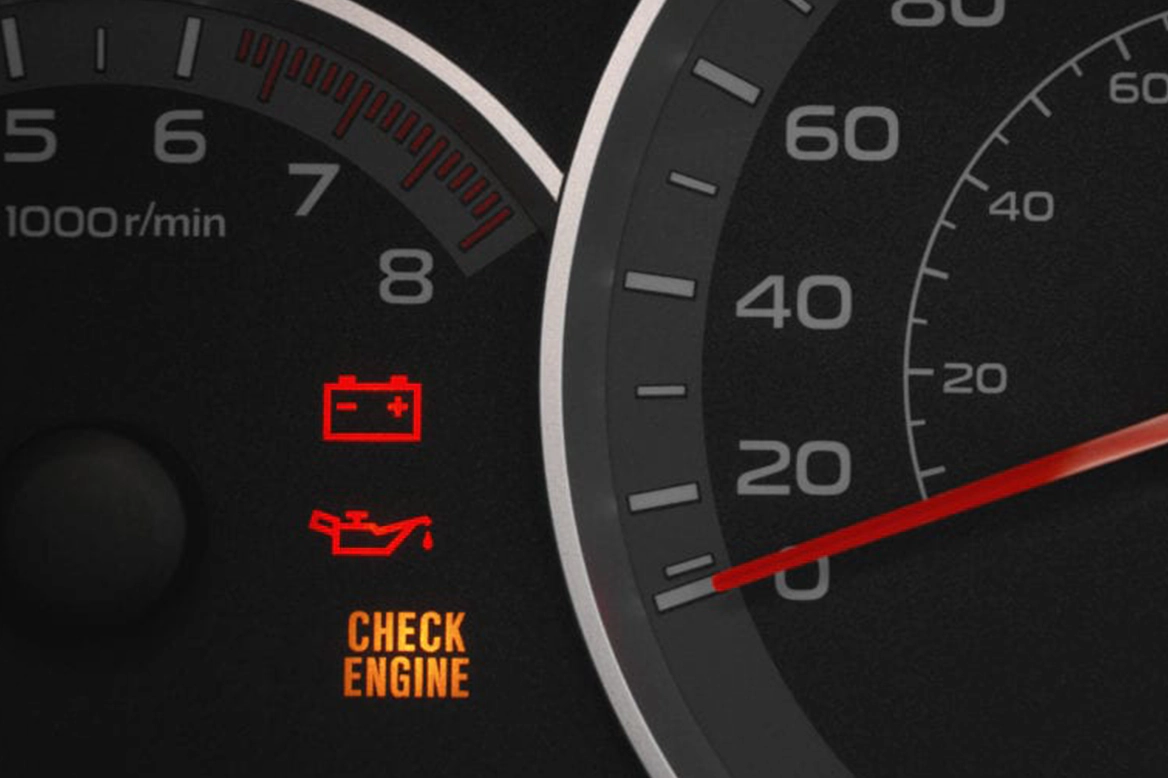
The oil light on your car’s dashboard signals issues with the engine oil system. It warns you about problems that need quick attention to avoid engine damage. Understanding the main causes helps in fixing the problem early.
This guide explains the common reasons why the oil light comes on. Learn about low oil level, oil pressure issues, faulty oil sensors, and oil quality problems.
Low Oil Level
Low oil level is the most common cause of the oil light activating. Oil keeps the engine parts lubricated and cool. If the oil runs low, the engine can overheat or get damaged.
- Oil leaks from gaskets or seals
- Oil not changed for a long time
- Engine burning oil due to wear
- Improper oil top-up after maintenance
Oil Pressure Issues
Oil pressure tells how well oil circulates inside the engine. Low oil pressure can trigger the oil light. It might happen even if the oil level looks fine.
| Cause | Effect on Oil Pressure |
|---|---|
| Worn oil pump | Reduces pressure, less oil flow |
| Clogged oil filter | Blocks oil flow, lowers pressure |
| Engine bearing wear | Oil leaks inside, pressure drops |
| Using wrong oil viscosity | Oil flows too fast or too slow |
Faulty Oil Sensor
The oil sensor measures oil pressure and sends data to the dashboard light. A broken or dirty sensor can cause false oil light warnings. Sometimes, the sensor wiring is damaged or loose.
Signs of a faulty oil sensor include:
- Oil light flickers on and off
- Light stays on despite correct oil level
- Engine runs smoothly without other symptoms
Oil Quality Problems
Dirty or poor-quality oil can cause the oil light to activate. Old oil loses its ability to lubricate and protect the engine. It also can cause sludge buildup inside the engine.
- Oil not changed as recommended
- Using low-grade or wrong type of oil
- Contaminants like dirt or water in the oil
- Excessive engine heat breaking down oil
Credit: www.sunautoservice.com
Immediate Steps When Oil Light Comes On
The oil light on your car’s dashboard signals low oil pressure. It warns you that your engine may not get enough oil.
Ignoring this light can cause serious engine damage. Act quickly to protect your vehicle.
Safely Pull Over
Do not keep driving after the oil light comes on. Look for a safe place to stop your car.
Turn on your hazard lights and pull over to the side of the road. This helps prevent accidents.
Check Oil Level
Open the hood and find the oil dipstick. Pull it out and wipe it clean with a cloth.
Put the dipstick back in fully, then pull it out again. Look at the oil level on the stick.
- If the oil level is low, add the correct type of oil.
- If the oil level is normal, the problem may be with oil pressure.
- Check your car manual for the right oil type and how to add it.
Avoid Driving Long Distances
Do not drive far if the oil light stays on. Low oil pressure can damage the engine quickly.
Call for roadside assistance or have your car towed to a mechanic. Fixing the problem early saves money.
Checking And Adding Oil
Keeping your car’s oil at the right level is key to a healthy engine. Low oil can cause serious damage.
This guide shows how to check oil, pick the correct type, and add oil safely.
How To Check Oil Level
Check your oil when the engine is cool and the car is on level ground. This gives the most accurate reading.
- Open the car hood and find the dipstick.
- Pull out the dipstick and wipe it clean with a cloth.
- Insert the dipstick fully back into its tube.
- Pull it out again and check the oil level.
- The oil should be between the low and high marks on the dipstick.
Choosing The Right Oil
Pick oil that matches your car maker’s recommendation. Using the wrong oil may hurt engine performance.
| Oil Type | Use | Viscosity Example |
|---|---|---|
| Synthetic | High performance and longer life | 5W-30 |
| Semi-synthetic | Balanced cost and protection | 10W-40 |
| Conventional | Basic protection, lower cost | 15W-40 |
Proper Oil Top-up Techniques
Adding oil needs care to avoid overfilling and spilling. Use a funnel for clean pouring.
Follow these tips when topping up oil:
- Check the oil level before adding any oil.
- Add small amounts of oil at a time.
- Wait a few minutes after adding to let oil settle.
- Recheck the level with the dipstick.
- Do not fill above the maximum mark on the dipstick.
Preventing Engine Damage
The oil light on your car dashboard warns about engine oil issues. Ignoring it can cause serious engine damage. Taking simple steps helps keep your engine safe and working well.
Regular care of your engine oil is key. This includes changing oil on time, using the right oil type, and checking oil levels often. These actions protect your engine from wear and tear.
Regular Oil Changes
Changing engine oil regularly removes dirt and old oil. This keeps the engine parts clean and reduces friction. Follow your car manual for the right oil change schedule.
- Check the oil change interval in your car manual.
- Use the recommended oil filter during changes.
- Replace oil before it becomes dirty or thin.
Using Recommended Oil Types
Using the correct oil type keeps your engine running smoothly. Oil types vary by thickness and additives. Using the wrong oil can cause engine parts to wear faster.
| Oil Type | Common Use | Temperature Suitability |
| 5W-30 | Most gasoline engines | Cold and hot climates |
| 10W-40 | Older engines | Warm climates |
| 0W-20 | Modern engines for fuel economy | Very cold climates |
Monitoring Oil Levels Frequently
Check your oil level often to avoid running low. Low oil can cause overheating and engine damage. Use the dipstick to measure oil when the engine is cool and on level ground.
- Park your car on flat ground.
- Turn off the engine and wait 10 minutes.
- Pull out the dipstick, wipe it clean, and reinsert it fully.
- Pull out the dipstick again to check the oil level.
- Add oil if the level is below the minimum mark.
When To Seek Professional Help
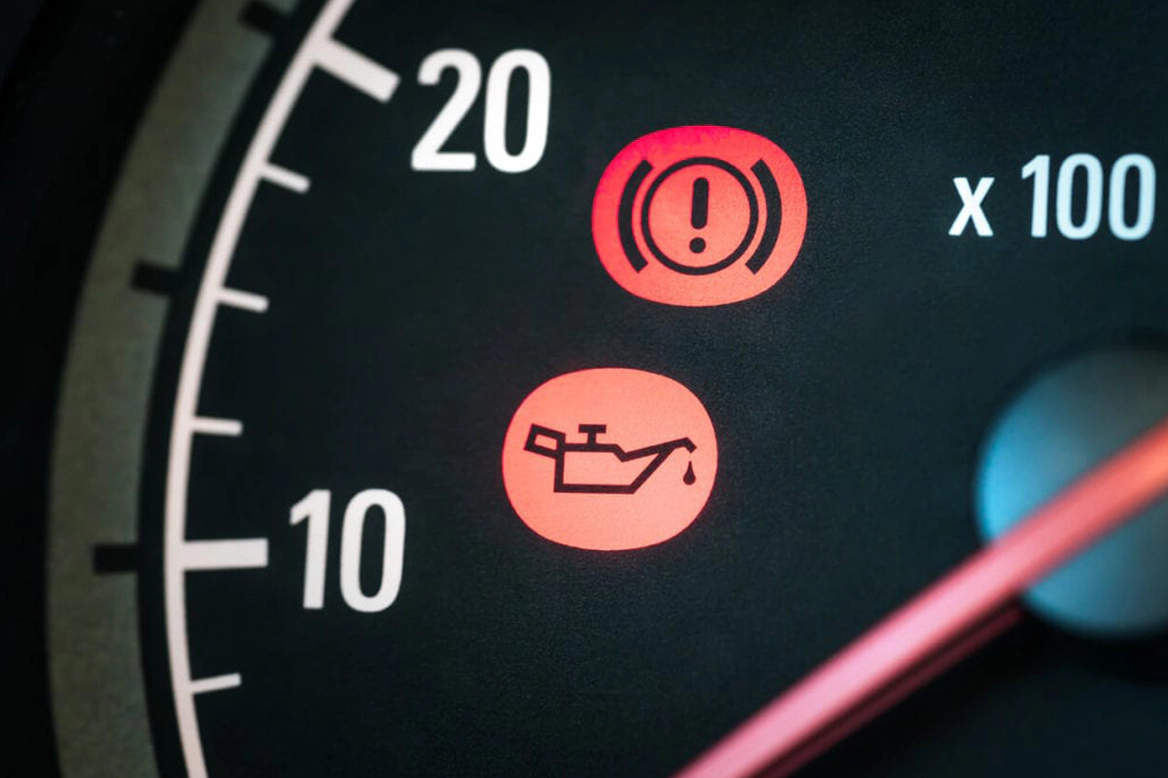
The oil light on your car’s dashboard signals an issue with oil pressure or oil level. It is important to understand when the problem needs expert attention.
Ignoring the oil light can cause serious engine damage. Knowing the signs helps you act quickly and protect your vehicle.
Persistent Oil Light Issues
If the oil light stays on even after adding oil, the problem may be more than just low oil. It could signal a leak or a faulty sensor.
- Check oil level regularly
- Look for oil spots under your car
- Notice if the light flickers or stays on
- Listen for unusual engine noises
Signs Of Serious Engine Problems
Some symptoms show that the engine may be at risk. Do not delay professional help if you see these signs.
| Symptom | Possible Cause |
| Engine overheating | Low oil pressure |
| Knocking sounds | Worn engine parts |
| Smoke from exhaust | Burning oil |
| Loss of power | Engine damage |
Finding A Reliable Mechanic
Choose a mechanic who can diagnose and fix oil light issues accurately. Trust and experience are key.
- Ask for recommendations from friends or family
- Check online reviews and ratings
- Verify certifications and experience
- Request a clear explanation of repairs
- Compare prices and services

Credit: www.foxwelldiag.com
Long-term Maintenance Tips
Regular maintenance keeps your car running smoothly. It also helps you avoid costly repairs later. Understanding your car’s needs is key.
Focus on important areas like engine inspections and fluid levels. This will extend your car’s life and improve its performance.
Scheduled Engine Inspections
Engine inspections are essential for long-term car health. Schedule them regularly to catch potential issues early.
- Check the engine oil level every month.
- Inspect belts and hoses for wear and tear.
- Ensure the air filter is clean for efficient performance.
Keeping An Eye On Warning Lights
Warning lights alert you to issues. Pay attention to them to avoid serious problems.
- Oil pressure light
- Check engine light
- Battery alert light
Maintaining Other Fluid Levels
Fluids play a vital role in car maintenance. Keep them at the right levels for optimal performance.
| Fluid Type | Check Frequency |
| Brake Fluid | Monthly |
| Coolant | Every 3 months |
| Transmission Fluid | Every 6 months |
Credit: www.sunautoservice.com
Frequently Asked Questions
What Does The Car Oil Light Mean?
The car oil light signals low oil pressure or oil level. It warns you to check the oil immediately. Ignoring it can damage the engine.
How To Check Oil When Oil Light Comes On?
Park your car safely and turn off the engine. Use the dipstick to check oil level. Add oil if it’s low or visit a mechanic if problems persist.
Can I Drive With The Oil Light On?
Driving with the oil light on is risky. It can cause severe engine damage. Stop the car, check oil, and fix the issue before driving.
Why Does The Oil Light Flicker Sometimes?
The oil light flickers due to low oil pressure or sensor issues. It may indicate a loose connection or oil pump problem. Get it inspected promptly.
Conclusion
The car oil light warns you to check your engine oil. Ignoring it can cause serious engine damage. Always stop driving and check the oil level. Changing oil on time keeps your car running smoothly. Regular maintenance saves money and prevents breakdowns.
Listen to your car’s signals to avoid costly repairs. Simple care helps your vehicle last longer. Stay safe and keep your engine healthy.







