
Have you ever noticed the battery light flickering on your car’s dashboard and wondered what it means? That little warning can feel alarming, especially when you’re on the road.
But don’t panic—understanding why the battery light is on your car can save you from unexpected breakdowns and costly repairs. You’ll discover the common reasons behind this warning and what steps you can take right now to keep your car running smoothly.
Keep reading—your car’s health depends on it.
Credit: www.zigwheels.my
Battery Light Basics
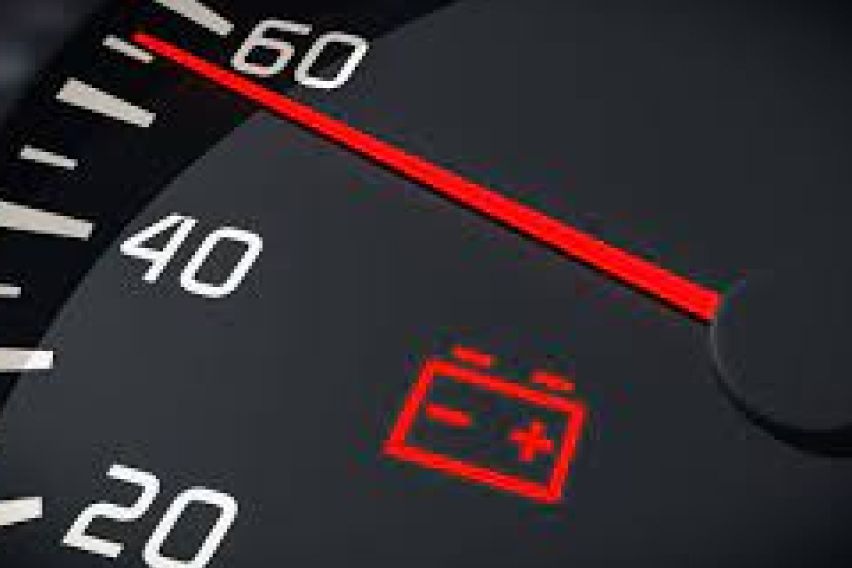
The battery light on your car’s dashboard is an important warning sign. It tells you about the health of your car’s electrical system.
Understanding what this light means can help you avoid car troubles and keep your vehicle running smoothly.
What The Light Indicates
The battery light usually means there is a problem with the car’s charging system. This system keeps the battery charged while the engine runs.
- The alternator may not be charging the battery.
- The battery could be weak or failing.
- There might be a loose or broken belt.
- Wiring or connection issues could cause the light to turn on.
If you see this light, the battery might lose power soon. Your car could stop working if the battery dies.
When The Light Usually Appears
The battery light often comes on during these times:
| Situation | Reason |
| Starting the car | The system checks the battery and alternator. |
| Idling or low RPM | The alternator may not charge enough. |
| Using many electrical devices | High power use can strain the system. |
| Driving at night | Headlights and other lights increase power demand. |

Credit: www.youtube.com
Common Causes
The battery light on your car dashboard can signal several issues. It usually means the charging system is not working properly.
Knowing common causes helps find the problem fast and avoid bigger repairs.
Alternator Issues
The alternator charges the car battery while the engine runs. If it fails, the battery light turns on.
Common alternator problems include worn brushes, bad bearings, or a broken diode.
Battery Problems
A weak or dead battery can cause the battery light to glow. Old batteries lose their ability to hold charge.
- Corroded battery terminals
- Loose battery connections
- Battery age over 3-5 years
- Extreme temperatures affecting battery life
Loose Or Damaged Wiring
Wiring connects the battery, alternator, and voltage regulator. Loose or damaged wires disrupt charging.
Check for frayed wires, loose connectors, or corrosion at terminals.
Serpentine Belt Wear
The serpentine belt drives the alternator. If the belt is worn or broken, the alternator stops charging.
| Signs of Serpentine Belt Problems | Effects on Charging System |
| Squealing noise from engine | Alternator not powered |
| Visible cracks or fraying | Battery light turns on |
| Loose or missing belt | Car may stall or not start |
Faulty Voltage Regulator
The voltage regulator controls the alternator’s output. A bad regulator causes too much or too little charge.
Faulty regulators may cause flickering lights or a dead battery despite a good alternator.
Diagnosing The Problem
The battery light on your car’s dashboard warns you about electrical issues. It means the car is not charging the battery properly.
Finding the cause helps you fix the problem before it gets worse. You can check the battery, alternator, and connections.
Using A Multimeter
A multimeter measures electrical values like voltage and current. It helps check if the battery and alternator work well.
Set the multimeter to DC voltage. Test the battery with the engine off and running to see changes.
- Engine off: Battery voltage should be about 12.6 volts
- Engine on: Voltage should be 13.7 to 14.7 volts if charging properly
- Lower or higher voltages mean charging issues
Checking Battery Health
Battery health affects how well it holds charge. Old or damaged batteries cause the light to turn on.
Look for signs like corrosion, leaks, or swelling. These show the battery may need replacement.
- Check battery age; over 3-5 years may weaken performance
- Clean battery terminals if corroded
- Replace battery if it cannot hold a charge
Inspecting The Alternator
The alternator charges the battery while the engine runs. A faulty alternator causes the battery light to stay on.
Listen for strange noises or check the alternator belt for damage or looseness. These signs affect charging.
- Test alternator output with a multimeter
- Check for worn or loose belts
- Replace alternator if it does not supply correct voltage
Examining Electrical Connections
Loose or dirty electrical connections can stop the battery from charging properly. Check all wiring related to the battery and alternator.
Look for loose clamps, damaged wires, or corrosion on terminals. Fixing these can turn off the battery light.
- Ensure battery terminals are tight and clean
- Inspect alternator wiring for breaks or damage
- Replace or repair faulty wires and connectors
Quick Fixes
The battery light on your car’s dashboard can be concerning. It signals a potential issue with the charging system. Here are some quick fixes to try.
These solutions can help get your car running smoothly again. Remember to consult a professional if the problem persists.
Tightening Connections
Loose connections can cause the battery light to turn on. Check the battery cables and ensure they are tight.
Use a wrench to tighten any loose connections. This can help restore proper power flow.
Replacing The Serpentine Belt
A worn serpentine belt may not drive the alternator properly. This can lead to battery issues.
Inspect the belt for cracks or wear. Replace it if necessary to ensure your alternator works well.
Jump-starting The Battery
If your battery is low, jump-starting can be a temporary fix. Use jumper cables to connect your battery to another vehicle’s battery.
- Connect positive to positive terminals
- Connect negative to negative terminals
- Start the assisting vehicle first
- Then start your car
Cleaning Corroded Terminals
Corroded terminals can prevent the battery from charging. Disconnect the battery and clean the terminals with a wire brush.
Ensure the terminals are free from corrosion. Reconnect them securely to improve the battery’s performance.
When To Seek Professional Help
The battery light on your car’s dashboard can mean several things. Sometimes, it is a small issue you can fix yourself. Other times, it shows a serious problem.
Knowing when to see a mechanic can save you money and keep you safe. Pay attention to signs that need expert care.
Persistent Battery Light
If the battery light stays on while driving, it means your car’s charging system is not working right. This can drain your battery fast.
Keep driving with this light on can cause your car to stop suddenly. You should get your car checked as soon as possible.
Unusual Noises Or Smells
Strange sounds or smells near your battery or engine can be a warning. It may mean a battery leak or electrical problem.
Do not ignore burning smells or clicking noises. These signs often need a professional to fix safely.
- Burning rubber or plastic smell
- Clicking sounds when starting
- Buzzing noises near the battery
Frequent Battery Drain
If your car’s battery dies often, it shows a deeper issue. The battery or alternator may be failing.
Getting a professional check can find the cause. They can test the battery and charging system properly.
Preventive Measures
The battery light on your car warns you about electrical issues. Taking steps early can stop bigger problems.
These preventive measures help keep your battery and electrical system healthy. They improve your car’s reliability.
Regular Battery Maintenance
Check your battery often to spot problems early. Clean the terminals to avoid corrosion and ensure good contact.
Keep the battery tight in its holder. Loose batteries can cause electrical issues and the warning light to come on.
- Inspect battery terminals for dirt and corrosion
- Clean terminals with a wire brush if needed
- Check battery case for cracks or leaks
- Ensure battery cables are tight and secure
Scheduled Electrical System Checks
Have your car’s electrical system checked by a mechanic regularly. They can test the alternator and battery health.
This helps catch issues before the battery light turns on. Regular checks keep your car running smoothly.
- Test alternator output and battery charge
- Inspect wiring and connections for damage
- Replace worn-out parts early
- Check the drive belt for proper tension
Avoiding Short Trips
Short trips do not let the battery fully charge. This can weaken the battery and cause the light to come on.
Try to drive longer distances to give your battery time to recharge. This helps keep the battery strong.
- Avoid repeated trips under 10 minutes
- Combine errands to reduce short drives
- Take longer drives on highways when possible
- Use a battery charger if you drive very little

Credit: www.reddit.com
Frequently Asked Questions
Why Is My Car Battery Light On While Driving?
The battery light indicates your car’s charging system has a problem. It could be a failing alternator, loose belt, or battery issues. Ignoring it may lead to a dead battery and vehicle breakdown.
Can A Loose Battery Cable Cause The Light To Turn On?
Yes, a loose or corroded battery cable can disrupt power flow. This triggers the battery warning light. Tightening or cleaning the cable can often fix the issue.
Is It Safe To Drive With The Battery Light On?
Driving with the battery light on is risky. Your car may lose power suddenly if the battery discharges. It’s best to have the charging system inspected immediately.
How Does A Faulty Alternator Affect The Battery Light?
A faulty alternator can’t charge the battery properly. This causes the battery light to illuminate. Replacing the alternator usually solves the problem.
Conclusion
The battery light on your car signals a problem with charging. It can mean a loose belt, bad battery, or alternator issues. Ignoring it can cause your car to stop working. Check the battery and connections first. Visit a mechanic if the light stays on.
Fixing the problem early saves time and money. Stay safe on the road by paying attention to warning lights. Your car’s battery system keeps everything running smoothly. Don’t wait—take action as soon as you see the light.







