
Have you ever noticed the car traction control light flicker on your dashboard and wondered what it means? That little warning can tell you a lot about how your car is handling the road.
Understanding this light is key to keeping your drive safe and smooth, especially when conditions get tricky. You’ll discover exactly what the traction control light signals, why it matters to you, and what steps you can take if it turns on.
Don’t ignore it—knowing what’s behind that light could save you from unexpected trouble on the road. Keep reading to stay in control every time you drive.
Car Traction Control Light Basics
The car traction control light is a small symbol on your dashboard. It shows when your car’s traction control system is active or has a problem.
This light helps you understand how your car keeps grip on slippery roads. Knowing what it means keeps you safe while driving.
What The Light Means
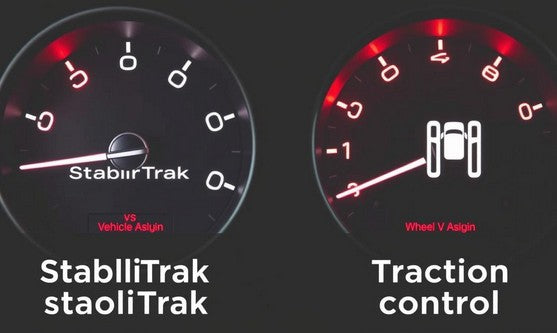
The traction control light usually looks like a car with squiggly lines under it. It turns on when the system helps prevent wheel slip.
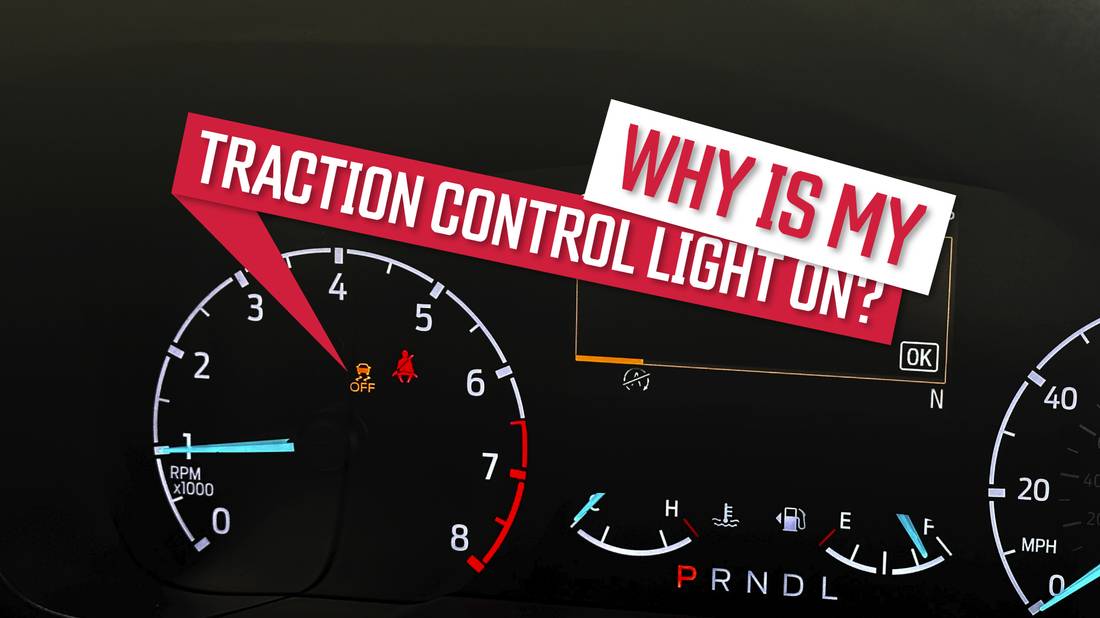
If the light stays on or blinks while driving, it can mean the system is working or there is a fault. You should check your car’s manual if it stays on.
- Light on briefly: Traction control is active
- Light blinking: System is working to control slip
- Light stays on: Possible problem with traction control
How Traction Control Works
Traction control helps keep your wheels from spinning too fast. It stops the car from slipping on wet or icy roads.
The system uses sensors to check wheel speed. If one wheel spins faster, it reduces engine power or applies brakes to that wheel.
- Sensors detect wheel slip
- System reduces engine power to slow down spinning wheels
- Brakes apply to specific wheels to regain control
- Helps maintain grip and stability
Common Causes For The Light
The car traction control light warns you about problems in your traction system. It helps keep your car stable on slippery roads.
Several issues can cause this light to turn on. Knowing common causes helps you find the problem quickly.
Faulty Wheel Speed Sensors
Wheel speed sensors measure how fast your wheels turn. The traction control system uses this data to work properly.
If a sensor fails or gets dirty, it sends wrong signals. This can cause the traction control light to come on.
Issues With Abs System
The ABS system stops your wheels from locking during braking. It works closely with traction control.
If ABS has a fault, it may trigger the traction control light. Problems like worn ABS sensors or bad wiring are common.
Worn Tires Or Uneven Tire Pressure
Tires affect traction greatly. Worn tires or uneven pressure can confuse the traction system.
- Worn tires have less grip on the road
- Different tire sizes can cause sensor errors
- Uneven pressure affects wheel rotation speed
Check tires regularly to avoid traction control light issues.
Malfunctioning Traction Control Module
The traction control module controls the system’s functions. It processes signals from sensors and adjusts power.
If this module fails, the traction control light may stay on. It might need repair or replacement.
Electrical Problems
Electrical issues like blown fuses or bad wiring can cause the traction control light to turn on.
- Loose connectors
- Damaged wiring harness
- Faulty fuse or relay
Regular electrical checks help prevent these problems.
Diagnosing The Problem
The car traction control light warns you of issues with your vehicle’s traction system. Diagnosing the problem early can prevent bigger troubles. You can try simple checks before visiting a mechanic.
Use tools and inspections to find the cause. This helps you decide if you can fix it or need professional help.
Using An Obd-ii Scanner
An OBD-II scanner reads error codes from your car’s computer. These codes explain why the traction control light is on. You can buy or borrow a scanner to check your vehicle.
Plug the scanner into the car’s port, usually under the dashboard. Turn on the ignition and follow the scanner’s instructions to read codes. Write down the codes to look up their meanings.
- Find the OBD-II port under the dashboard
- Connect the scanner and turn on the car
- Read and note the error codes
- Search codes in the scanner manual or online
Visual Inspection Tips
Look for signs of damage or wear on your car. Check the tires, brake system, and sensors. Dirt or broken parts can cause the traction control light to come on.
Inspect these areas carefully. Clean dirty sensors and look for loose wires. Also, check the tire pressure and tread depth as uneven tires affect traction.
- Check tire pressure and tread depth
- Look for damaged or loose wires near sensors
- Clean dirt off wheel speed sensors
- Inspect brake pads and discs for wear
When To See A Mechanic
Some problems need expert care. If the traction control light stays on after simple checks, visit a mechanic. Complex sensor or brake system issues need special tools.
Also, if you notice poor braking or slipping, get help fast. A mechanic can safely fix the traction control system and keep you safe on the road.
Credit: alexcar.com
Fixing Traction Control Issues
The traction control light shows up when there is a problem with your car’s traction system. This system helps keep your car stable on slippery roads.
Fixing traction control issues can improve safety and driving comfort. There are several ways to solve these problems.
Resetting The System
Sometimes the traction control light stays on due to a small glitch. Resetting the system can clear the error.
You can reset the system by turning off the engine and restarting it. Some cars have a reset button in the settings menu.
Replacing Sensors Or Modules
Faulty sensors or control modules cause traction control problems. These parts detect wheel speed and road conditions.
If a sensor or module is bad, it needs to be replaced. A mechanic can check which part is faulty using diagnostic tools.
Tire Maintenance And Replacement
Traction control depends on good tire condition. Uneven or worn tires can trigger the traction control light.
Check tires for wear, damage, and correct pressure. Replace tires that are too old or worn out.
- Inspect tread depth regularly
- Keep tires inflated to recommended pressure
- Replace tires every 6 years or if damaged
Addressing Electrical Faults
Electrical problems can cause the traction control light to turn on. Wiring issues or blown fuses are common causes.
Check for loose wires or damaged connectors near the traction control system. Replace blown fuses and repair wiring as needed.
Safety Tips While Driving
The car traction control light helps you stay safe on the road. It shows when the traction system is active or has a problem. Knowing what to do when this light comes on can protect you and your passengers.
Driving safely with the traction control light on means adjusting your habits. This guide covers key tips for handling slippery roads, keeping your vehicle in good shape, and knowing when not to drive.
Driving With The Light On
If the traction control light stays on, your car may not handle well on slippery roads. Drive slowly and avoid sharp turns. Keep both hands on the wheel for better control.
Adjusting Driving In Slippery Conditions
Slippery roads need careful driving. Reduce speed and increase space between cars. Use gentle acceleration and braking to keep traction.
- Slow down before curves and turns
- Use low gears on hills
- Avoid sudden steering moves
- Keep tires properly inflated
- Check road conditions before driving
Regular Vehicle Maintenance
| Maintenance Task | Why It Matters |
| Check Tire Tread | Good grip prevents slipping |
| Brake Inspection | Ensures quick stopping |
| Traction Control System Check | Detects system faults early |
| Fluid Levels | Keep systems working smoothly |
Regular checks help your traction control system work well. Fix problems early to avoid risks on the road.
When To Avoid Driving
Avoid driving if the traction control light is flashing or stays on with other warning lights. This may mean your system is off or broken.
Do not drive in heavy rain, snow, or ice if your traction control is not working. Wait for better conditions or get the car checked.

Credit: www.youtube.com
Credit: carbuzz.com
Frequently Asked Questions
What Does The Car Traction Control Light Mean?
The traction control light indicates the system is active. It helps prevent wheel spin on slippery surfaces. If it stays on, there might be a system fault needing a check.
Why Is My Traction Control Light Flashing?
A flashing traction control light means the system is working. It activates when wheel slip is detected to maintain stability. If it flashes constantly, it could signal a sensor issue.
Can I Drive With The Traction Control Light On?
Yes, you can drive but with caution. The traction control system may be disabled, increasing slip risk. Get the system inspected to ensure safe driving conditions.
How Do I Reset The Traction Control Light?
Resetting usually involves turning off and on the car. Some models need a diagnostic tool. Consult your owner’s manual or a mechanic for proper reset steps.
Conclusion
The car traction control light helps keep your drive safe. It shows when the system is active or needs attention. Ignoring this light can cause slipping or loss of control. Regular checks and quick action protect your vehicle and passengers.
Understanding this light makes driving easier and safer. Stay alert, and maintain your car well to avoid problems. A little care goes a long way on the road.







