
Have you ever noticed those little lights glowing on your car’s dashboard and wondered what they really mean? Car indicator lights are your vehicle’s way of talking to you.
They warn you, guide you, and sometimes even save you from costly repairs. Ignoring these signals can lead to bigger problems down the road. You’ll discover exactly what each light means, why it matters, and how paying attention can keep you safe and save you money.
Ready to unlock the secrets behind your car’s warning signs? Let’s dive in.
Common Car Indicator Lights
Car indicator lights give important information about your vehicle’s condition. They alert you to problems that need your attention.
Knowing what these lights mean helps you keep your car safe and avoid costly repairs.
Engine Warning Light
The engine warning light shows when the engine has an issue. It may indicate a problem with emissions or fuel system.
Battery Alert Light
This light means the car’s battery is not charging properly. It could be a dead battery or alternator problem.
Oil Pressure Light
The oil pressure light warns that oil is low or not circulating well. This can damage the engine quickly.
Brake System Warning
This light signals a problem with brakes. It may mean low brake fluid or worn brake pads.
Coolant Temperature Light
The coolant temperature light comes on when the engine is too hot. It means the cooling system is not working right.
Tire Pressure Monitoring
This light alerts you if one or more tires have low pressure. Proper tire pressure keeps driving safe and saves fuel.
- Check tire pressure with a gauge monthly
- Inflate tires to the recommended level
- Inspect tires for damage or wear
Airbag Indicator
The airbag light shows if there is a problem with the airbag system. It may not work in a crash if the light stays on.
Abs Warning Light
The ABS light means there is a problem with the Anti-lock Braking System. ABS helps keep control when braking hard.
| Indicator Light | What It Means | Action to Take |
| Engine Warning | Engine or emissions issue | Get engine checked soon |
| Battery Alert | Charging problem | Check battery and alternator |
| Oil Pressure | Low oil or pressure | Stop car and check oil |
| Brake Warning | Brake system problem | Check brake fluid and pads |
| Coolant Temperature | Engine overheating | Stop car and cool engine |
| Tire Pressure | Low tire pressure | Inflate tires properly |
| Airbag Indicator | Airbag fault | Have airbag system checked |
| ABS Warning | ABS system fault | Check ABS system |
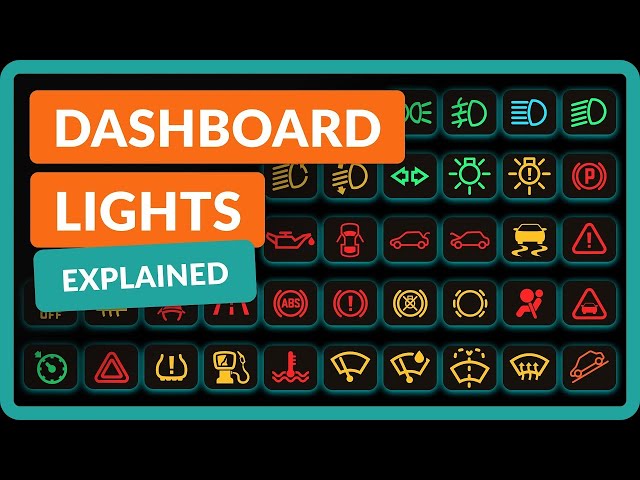
Credit: www.youtube.com
Interpreting Indicator Light Colors
Car indicator lights use colors to show different levels of urgency. Each color helps drivers know what to do next.
Learning what these colors mean can keep you safe and protect your car from damage.
Red Lights: Immediate Attention
Red lights warn of serious problems. They mean you must stop driving soon.
Ignoring red lights can cause damage or danger. Always check these lights right away.
- Engine temperature too high
- Oil pressure too low
- Brake system problem
- Battery charging issue
Yellow Lights: Caution Needed
Yellow lights mean a problem needs attention soon. You can keep driving but be careful.
These lights alert you to check your car or visit a mechanic soon.
- Check engine or emissions issue
- Low fuel warning
- Tire pressure low
- Traction control active
Green And Blue Lights: Informational
Green and blue lights are for information only. They show that systems are active or working.
You do not need to stop or fix anything when these lights appear.
- Turn signals blinking (green)
- Headlights or high beams on (blue)
- Cruise control active (green)
Safety Tips When Lights Appear
Car indicator lights alert you to important changes on the road. Understanding them helps keep you safe. This guide explains what to do when you see red, yellow, or green lights.
Steps To Take For Red Lights
Red lights mean stop. You must bring your car to a complete halt. Do not cross the stop line or intersection until the light changes.
- Slow down as you approach the light.
- Stop at the marked line or before the crosswalk.
- Wait until the light turns green before moving.
- Watch for pedestrians crossing the street.
Handling Yellow Lights Safely
Yellow lights warn you the signal will soon turn red. You should prepare to stop if it is safe. Do not rush through the intersection.
| Action | When to Do It |
|---|---|
| Slow down | If you are far from the intersection |
| Stop safely | If you are close enough to stop without sudden braking |
| Proceed with caution | If you cannot stop safely before the line |
When To Continue Driving
Green lights mean you can go, but stay alert. Look both ways and watch for other drivers or pedestrians. Drive carefully through the intersection.
- Check traffic before moving forward.
- Watch for cars turning or pedestrians crossing.
- Keep a safe speed and distance from other vehicles.
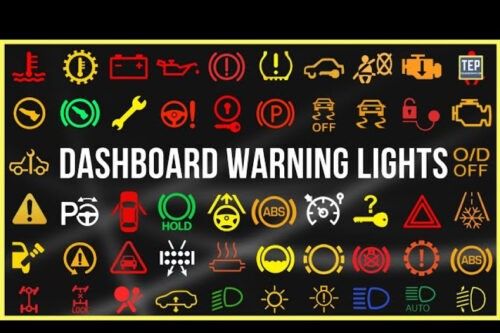
Credit: www.zigwheels.my
Troubleshooting Common Issues
Car indicator lights show your vehicle’s health. They warn you about problems early.
Knowing what to check helps you fix small issues before they get worse.
Checking Engine Problems
The engine light means your car has a problem. It could be small or serious.
Check if the gas cap is loose. A loose cap can cause the engine light to come on.
Battery And Charging System
The battery light shows if the battery or alternator is failing. This can stop your car.
- Look for dim lights or slow engine start.
- Check battery terminals for corrosion.
- Test the alternator with a voltmeter.
- Replace the battery if it is old or weak.
Brake System Checks
The brake light means low brake fluid or worn brake pads. It warns you to check brakes.
| Issue | Cause | Solution |
| Brake light on | Low brake fluid | Fill brake fluid reservoir |
| Brake light on | Worn brake pads | Replace brake pads |
| Brake light flashes | ABS problem | Check ABS system |
Managing Overheating
The temperature light warns you if the engine is too hot. Overheating can damage the engine.
Stop the car and let it cool. Check coolant levels and radiator for leaks or damage.
Tire Pressure Solutions
The tire pressure light means one or more tires have low air. This lowers safety and fuel economy.
- Use a tire gauge to check pressure in all tires.
- Inflate tires to the recommended pressure on the door sticker.
- Check for nail or damage if pressure drops fast.
- Replace tires if they are worn out or damaged.
Preventive Maintenance To Avoid Warnings
Car indicator lights warn you about problems in your vehicle. Ignoring these warnings can cause costly repairs. Regular maintenance helps keep these lights off.
Taking care of your car prevents issues and keeps it safe. Simple checks can stop warning lights from appearing.
Regular Fluid Checks
Fluids like oil, coolant, and brake fluid keep your car running smoothly. Low or dirty fluids can trigger warning lights. Check fluid levels often and refill as needed.
- Check engine oil monthly
- Inspect coolant level before long trips
- Look at brake fluid every few months
- Replace fluids according to your car’s schedule
Routine Tire Inspections
Tires affect your car’s safety and fuel efficiency. Worn or low-pressure tires can cause warning lights to appear. Check tires regularly for damage and pressure.
- Measure tire pressure once a month
- Look for cracks, cuts, or uneven wear
- Rotate tires every 6,000 to 8,000 miles
- Replace tires when tread is low
Scheduled Brake Maintenance
Brakes are vital for safe driving. Brake warning lights may mean worn pads or low fluid. Follow your car’s brake service schedule for checks and repairs.
- Inspect brake pads every 10,000 miles
- Check brake fluid level regularly
- Listen for squeaking or grinding sounds
- Replace worn brake parts promptly
Battery Care Tips
A weak battery can cause warning lights and start problems. Keep the battery clean and check its charge. Replace it before it fails.
- Clean battery terminals to prevent corrosion
- Test battery charge every six months
- Secure the battery to avoid damage
- Replace battery after 3-5 years or if weak

Credit: apps.apple.com
When To Seek Professional Help
Car indicator lights can signal various issues. Some are minor, others serious.
Knowing when to call a mechanic keeps your car safe and running well.
Identifying Serious Issues
Serious issues often need expert attention. Look for warning signs.
- Check engine light stays on
- Brake warning light activates
- Temperature gauge shows overheating
Choosing The Right Mechanic
Finding a trusted mechanic ensures quality repairs and service.
| Criteria | Importance |
| Certifications | High |
| Experience | Medium |
| Customer Reviews | High |
Using Diagnostic Tools
Diagnostic tools help identify problems quickly. Some tools are easy to use.
Frequently Asked Questions
What Do Car Indicator Lights Mean?
Car indicator lights show vehicle status or warnings. They inform about engine issues, battery, oil, or safety features. Understanding them helps maintain your car and avoid breakdowns.
Why Is My Car Indicator Light Flashing?
A flashing indicator light usually signals a warning or urgent issue. It may indicate low fuel, engine trouble, or a faulty sensor. Check the owner’s manual and address the problem promptly.
How To Reset Car Indicator Lights?
To reset indicator lights, turn the ignition off and on. Some require a button press or OBD-II scanner. Refer to your car manual for exact reset steps to clear warnings.
Can A Faulty Indicator Light Affect Driving Safety?
Yes, faulty indicator lights can reduce safety by hiding warnings. Ignoring them may cause serious engine damage or accidents. Always repair or replace malfunctioning lights quickly.
Conclusion
Car indicator lights help keep you safe on the road. They show important information about your car’s condition. Watching these lights can prevent bigger problems later. Always pay attention when they light up. Knowing what each light means helps you act fast.
Stay aware, drive carefully, and keep your car in good shape. Simple steps like these protect you and others. Safe driving starts with understanding your car’s signals. Keep learning, and your drives will be smoother and safer.







