
Have you ever glanced at your car’s dashboard and felt a sudden wave of confusion or worry when a warning light popped up? Those tiny symbols might seem like just blinking icons, but they’re actually your car’s way of talking to you.
Understanding what each dash light means can save you time, money, and even prevent dangerous situations. You’ll discover the true meaning behind those mysterious lights, helping you stay in control and keep your car running smoothly. Keep reading—you don’t want to miss what your dashboard is trying to tell you.
Credit: www.zigwheels.my
Common Dash Lights
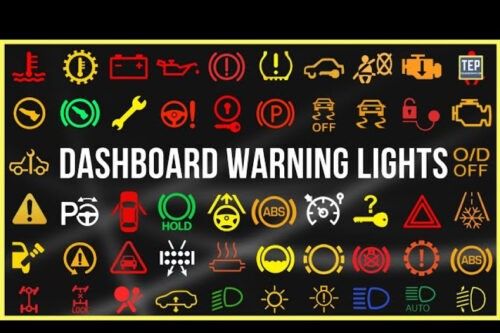
Car dash lights help drivers know if the vehicle has a problem. These lights show issues with the engine, battery, oil, brakes, and temperature.
Understanding these lights can keep you safe and avoid costly repairs.
Engine Warning Light
The engine warning light looks like an engine icon. It means the car’s computer found a problem.
The problem can be small or big. It is best to check the engine soon to avoid damage.
Battery Alert
The battery alert light usually looks like a battery symbol. It warns about the charging system or battery.
If this light comes on, the car may lose power soon. Check the battery and alternator quickly.
Oil Pressure Indicator
The oil pressure indicator looks like an oil can. It means the oil pressure is low in the engine.
Low oil pressure can hurt the engine. Stop driving and check oil levels or leaks.
Brake System Warning
The brake system warning light often shows an exclamation mark inside a circle. It means a brake problem.
It may be low brake fluid or worn brake pads. Check the brakes before driving further.
Temperature Warning Light
The temperature warning light looks like a thermometer in liquid. It signals the engine is too hot.
Overheating can damage the engine. Turn off the car and let it cool down before checking coolant levels.
Safety And Maintenance Lights
Car dash lights help drivers stay safe and keep their vehicles in good condition. These lights show warnings about important systems.
Understanding these lights can prevent accidents and costly repairs. Learn what each safety and maintenance light means.
Airbag Indicator
The airbag indicator light shows if there is a problem with the airbag system. If this light stays on, airbags may not work in a crash.
Fix the airbag system quickly to protect passengers. A faulty airbag can cause serious injury during an accident.
Tire Pressure Warning
This light warns when one or more tires have low air pressure. Driving with low tire pressure is unsafe and can damage tires.
- Check tire pressure with a gauge
- Inflate tires to the recommended level
- Look for leaks or damage
- Reset the warning light after fixing
Abs Light
The ABS light shows if the anti-lock braking system has a problem. ABS helps keep control during hard braking.
| ABS Light Status | Meaning |
| On while driving | ABS system fault |
| Flashing | System needs service |
| Off | ABS working normally |
Seat Belt Reminder
This light reminds drivers and passengers to fasten seat belts. Seat belts save lives and reduce injury risk in crashes.
- Always buckle up before driving.
- Check if all passengers are buckled.
- Listen for warning sounds along with the light.
Color Codes And Their Meanings
Car dash lights use colors to show different levels of urgency. Knowing these colors helps you act fast.
Each color tells you if something needs immediate attention or just a check later.
Red Lights
Red lights on the dashboard mean danger or a serious problem. You should stop the car soon.
- Engine temperature warning: The engine is too hot.
- Oil pressure warning: Oil level is low or pressure is bad.
- Brake system alert: There is an issue with your brakes.
- Battery warning: The battery or charging system has a fault.
Yellow Or Amber Lights
Yellow or amber lights mean caution. You need to check or fix the problem soon.
| Light | Meaning |
| Check engine | There is an engine issue, but the car can still drive. |
| Traction control | Traction is off or limited for better control. |
| Tire pressure | One or more tires need more air. |
| ABS warning | The anti-lock brake system has a problem. |
Green And Blue Lights
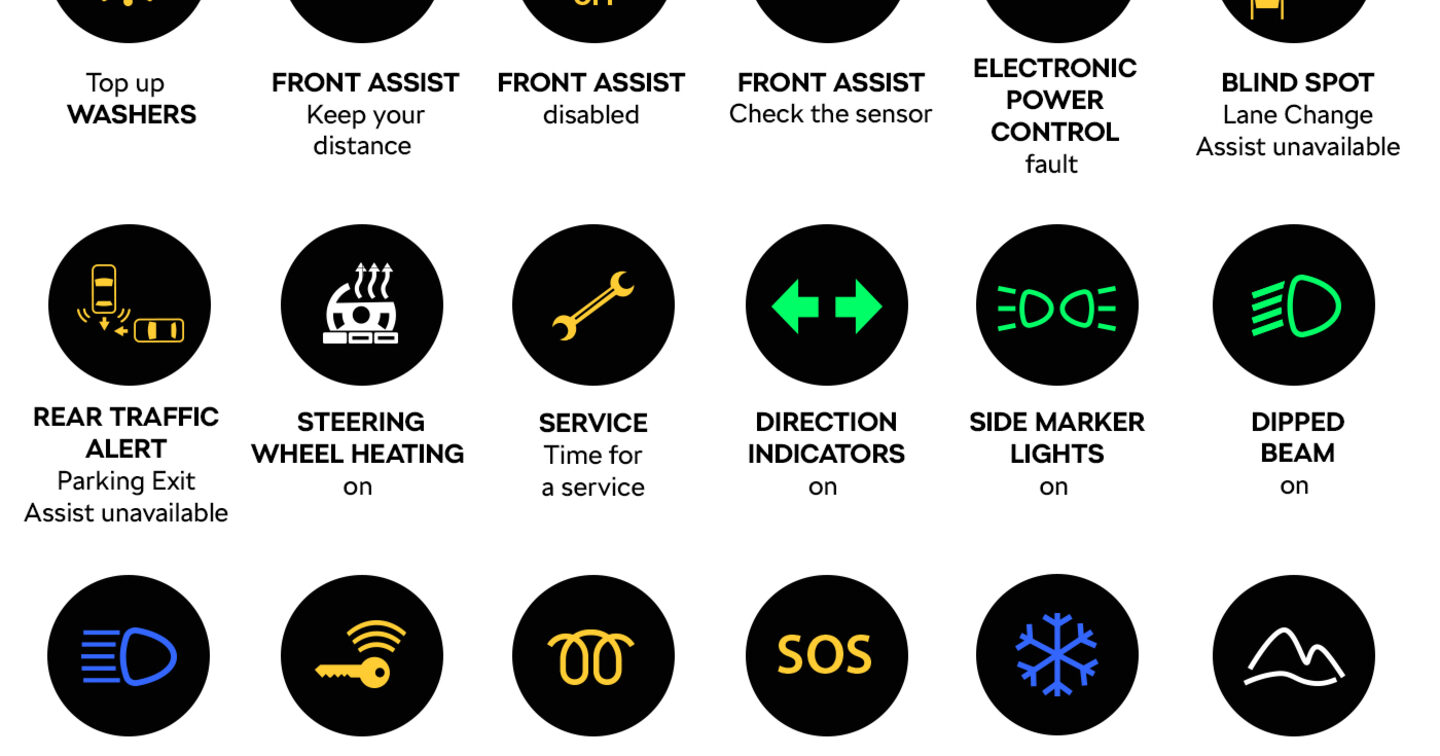
Green and blue lights show that a system is on or working correctly. No action is needed.
Common green and blue lights include:
- Turn signal indicators
- High beam headlights on
- Cruise control active
Credit: www.browningsuzuki.co.uk
Steps To Take When A Light Appears
Car dash lights warn you about issues or conditions in your vehicle. Knowing what to do when a light appears helps keep you safe. Some lights mean you should act immediately, while others can wait until you visit a mechanic.
Understanding the right steps to take can prevent damage and costly repairs. It also helps you decide when to seek professional help or check the owner’s manual.
Immediate Actions
Some dash lights require you to act right away. Ignoring these lights can cause serious damage or danger.
- If the engine temperature light turns on, stop driving and let the engine cool.
- When the oil pressure light appears, turn off the engine to prevent damage.
- Brake warning lights mean you should check your brake system or stop driving if brakes fail.
- If the battery light is on, it means charging issues; avoid long trips and check the battery soon.
When To Visit A Mechanic
Not every dash light means an emergency, but some need a mechanic’s attention soon to avoid bigger problems.
- Check if the light stays on after restarting your car.
- Note any strange noises or smells while driving.
- Schedule a visit if the check engine light blinks or stays lit.
- Bring your car to a mechanic if multiple warning lights appear together.
Using Your Owner’s Manual
Your owner’s manual explains each dashboard light and what action to take. Keep it in your car for quick reference.
| Dash Light | Meaning | Suggested Action |
|---|---|---|
| Check Engine | Engine or emission issue | Check manual; visit mechanic soon |
| Oil Pressure | Low oil pressure | Stop engine; check oil level |
| Battery | Charging system problem | Test battery or alternator |
| Brake Warning | Brake system alert | Check brake fluid; visit mechanic |
Technology Behind Dash Lights
Car dash lights are important for vehicle safety. They alert drivers to different car issues. Understanding them helps in maintaining the vehicle.
These lights use complex technology. They communicate the car’s health to the driver. Knowing their meaning can prevent breakdowns.
Sensors And Data
Sensors are crucial for dash lights. They gather data from different parts of the car. This data helps in detecting issues early.
When a problem is detected, sensors send signals to the dash. The dash lights up to warn the driver. This process ensures quick responses to car problems.
| Sensor Type | Function |
| Temperature Sensor | Monitors engine heat |
| Oxygen Sensor | Checks exhaust emissions |
| Speed Sensor | Measures vehicle speed |
Diagnostic Trouble Codes (dtcs)
Diagnostic Trouble Codes help identify car issues. They are unique codes stored in the car’s computer. Mechanics use them for troubleshooting.
When a dash light turns on, a DTC is recorded. It helps in pinpointing the exact problem. This makes repairs faster and more efficient.
- DTC P0300: Engine misfire detected
- DTC P0420: Catalyst system efficiency below threshold
- DTC P0440: Evaporative emission control system malfunction
Credit: www.streettrucksmag.com
Preventing Dashboard Alerts
Dashboard alerts help you know when your car needs attention. You can stop many alerts by taking good care of your car. This saves money and keeps your car safe.
Understanding how to prevent dashboard lights from turning on keeps your vehicle running smoothly. Regular checks and maintenance are key to avoiding surprises.
Regular Maintenance Tips
Keep your car in good shape by doing regular maintenance. Check fluids, brakes, and tires often. Replace parts before they fail. This reduces the chance of warning lights.
- Change engine oil every 3,000 to 5,000 miles
- Check coolant and brake fluid levels monthly
- Inspect tire pressure and tread regularly
- Replace air filters as recommended
- Test battery and charging system yearly
Monitoring Vehicle Health
Watch for signs that your car needs care. Use a code reader if possible. Pay attention to strange noises or smells. Early detection helps fix problems before lights appear.
| Sign | Possible Issue | Action |
| Engine light on | Engine or sensor problem | Scan codes, visit mechanic |
| Battery warning | Charging system failure | Test battery and alternator |
| Brake light | Low brake fluid or worn pads | Check fluid, inspect brakes |
| Temperature warning | Overheating engine | Check coolant level, radiator |
Frequently Asked Questions
What Do Different Car Dash Lights Mean?
Car dash lights indicate your vehicle’s status. Colors like red warn of serious issues. Yellow signals maintenance needs. Green and blue show system operations. Understanding these helps keep your car safe and running smoothly.
Why Is My Check Engine Light On?
The check engine light signals engine or emission problems. It could be a loose gas cap or a faulty sensor. Immediate diagnostics help prevent further damage and expensive repairs. Always get it checked promptly for safety.
When Should I Worry About Red Dash Lights?
Red dash lights indicate urgent issues. Stop driving immediately if a red light appears. It may signal engine overheating, brake failure, or oil pressure loss. Ignoring red warnings risks severe damage and safety hazards.
Can I Reset My Car Dash Lights Myself?
Some dash lights can be reset by disconnecting the battery. However, it’s best to fix the underlying issue first. Using an OBD-II scanner is a safe reset method. Always ensure the problem is resolved before resetting lights.
Conclusion
Car dash lights tell you important information about your car’s health. Understanding these lights helps you stay safe on the road. Some lights mean a small issue, while others need quick attention. Don’t ignore any warning light. Checking your car’s manual can explain each symbol clearly.
Regular car care keeps these lights from causing trouble. Stay alert, and your car will run smoothly. Knowing dash light meanings saves time and money. Simple knowledge can prevent big problems later. Keep learning about your car for safer driving.







