
Have you ever noticed those little lights glowing on your car’s dashboard and wondered what they mean? Understanding these car light meanings can save you time, money, and even keep you safe on the road.
Your dashboard is like your car’s way of talking to you, warning you about issues before they become big problems. You’ll learn exactly what each light means and what action you should take. Keep reading to unlock the secrets behind your dashboard lights and take control of your driving experience.

Credit: www.youtube.com
Common Dashboard Lights
Dashboard lights tell you about your car’s condition. They warn you if something needs attention.
Understanding these lights helps you keep your car safe and working well.
Engine Warning Light
The engine warning light signals a problem with the engine or emissions system. It can mean many issues, from a loose gas cap to a serious engine fault.
If this light stays on, have your car checked by a mechanic soon to avoid damage.
Oil Pressure Indicator
The oil pressure light shows the engine’s oil is low or the pressure is bad. Oil keeps the engine parts moving smoothly.
- Stop driving immediately if this light comes on.
- Check the oil level with the dipstick.
- Add oil if it is low, but see a mechanic if light stays on.
Battery Alert
The battery alert light means the car’s battery or charging system has a problem. Your car might lose power if this light stays on.
| Cause | Meaning |
| Loose or broken battery cable | Battery may not charge |
| Alternator failure | Charging system not working |
| Battery near end of life | Battery needs replacement |
Brake System Warning
This light shows a problem in the brake system. It might mean low brake fluid or worn brake pads.
Check the brake fluid level and get your brakes inspected if this light appears.
Temperature Gauge Light
The temperature gauge light warns if the engine is too hot. Overheating can cause serious engine damage.
To avoid overheating:
- Stop the car and turn off the engine
- Check coolant level in the radiator
- Look for leaks or broken hoses
- Call for help if you can’t fix the problem
Safety-related Indicators
Car dashboard lights show important information about your vehicle. Some lights warn about safety issues. You should never ignore these signs.
Understanding safety-related indicators helps keep you safe on the road. These lights tell you if there is a problem with airbags, seatbelts, brakes, or tires.
Airbag Warning Light
The airbag warning light shows if there is a problem with the airbag system. If this light stays on, airbags might not work in a crash.
Do not ignore this light. Get your vehicle checked by a mechanic right away to ensure your airbags will protect you.
Seatbelt Reminder
The seatbelt reminder light turns on when you or your passengers don’t fasten seatbelts. It usually comes with a sound alert.
Always buckle up before driving. Seatbelts save lives and reduce injuries in crashes.
Abs Warning Light
The ABS warning light shows if there is a problem with the Anti-lock Braking System. ABS helps prevent wheels from locking during hard braking.
If this light stays on, your brakes might not work well in slippery conditions. Have a mechanic inspect the ABS system soon.
Tire Pressure Monitor
The tire pressure monitor light alerts you when one or more tires have low air pressure. Proper tire pressure is important for safe driving.
- Low tire pressure can cause poor handling.
- It increases the risk of tire blowouts.
- Check and fill tires to the recommended pressure.
Maintenance And Service Alerts
Car dashboard lights help you know when your vehicle needs care. They warn you about problems or regular upkeep.
Understanding these alerts can keep your car safe and running well. Pay attention to the lights and act quickly.
Check Engine Light
The check engine light signals a problem with your engine or emissions. It can mean something minor or serious.
If this light turns on, check if the gas cap is loose. If not, have a mechanic inspect the car soon.
Scheduled Maintenance Reminder
This alert tells you when it is time for regular service like oil change or tire rotation. Keeping up helps avoid big repairs.
- Oil and filter change
- Tire pressure and rotation
- Brake inspection
- Fluid level checks
- Battery condition
Transmission Warning
The transmission light warns about shifting problems or low transmission fluid. Driving with this alert can cause damage.
| Warning | Possible Cause | What to Do |
| Transmission Light On | Fluid low or transmission fault | Stop driving and check fluid |
| Gear Slipping | Worn parts or low fluid | Visit mechanic quickly |
| Delayed Shifting | Transmission needs service | Schedule repair soon |
Fuel System Indicator
This light means an issue with the fuel system, like a leak or clogged filter. It may affect engine performance or emissions.
- Check for fuel leaks under the car
- Use quality fuel to avoid clogs
- Replace fuel filters as recommended
- Get professional help if light stays on
Lighting And Visibility Signals
Car dashboard lights help drivers understand their vehicle’s lighting system. They show when headlights, fog lights, or turn signals are on. Recognizing these signals improves safety on the road.
This guide explains the meanings of key lighting indicators. Learn to identify the headlight indicator, fog light symbol, high beam alert, and turn signal lights.
Headlight Indicator
The headlight indicator lights up when you turn on the car’s headlights. It shows that your low beams are active. This symbol usually looks like a small light bulb with rays pointing downwards.
Fog Light Symbol
The fog light symbol turns on when you activate fog lights. Fog lights help improve visibility in foggy or misty conditions. The icon looks like a lamp with three horizontal lines and a wavy line crossing through them.
- Front fog light symbol points left with straight lines
- Rear fog light symbol points right with wavy lines
- Use fog lights only in poor visibility
High Beam Alert
The high beam alert glows when your high beams are on. High beams shine brighter and farther than low beams. The symbol looks like a light bulb with five straight rays pointing forward.
| Symbol | Meaning | When to Use |
|---|---|---|
| &128161; | High Beam Alert | On dark roads without traffic |
| &128161; | Headlight Indicator | When low beams are active |
| &128161; | Fog Light Symbol | In fog or low visibility |
Turn Signal Lights
Turn signal lights flash when you indicate a turn or lane change. The left arrow points left and the right arrow points right. These lights help other drivers know your intentions.
- Use turn signals before turning or changing lanes
- They flash on the dashboard and outside the car
- Turn signals improve road safety
Steps To Take When Lights Appear
When a warning light appears on your car’s dashboard, it can be concerning. Understanding what these lights mean is important for your safety and your car’s health.
This guide will help you know what steps to take when you see a warning light.
Immediate Actions
If a light turns on while driving, stay calm. Check your car’s manual to see what the light means.
- Pull over safely if it’s a red or flashing light
- Turn off the engine if needed
- Check for obvious issues like flat tires or smoke
When To Visit A Mechanic
Some lights indicate a need for professional help. It’s important to know when to see a mechanic.
- Red lights often mean immediate attention is required
- If unsure, consult a mechanic for advice
- Visit a mechanic if you hear strange noises
Using A Diagnostic Tool
Diagnostic tools can help you understand dashboard lights. These tools read error codes from your car.
- Purchase or borrow a diagnostic tool
- Connect it to your car’s OBD-II port
- Follow the tool’s instructions to read codes
Preventive Measures
Preventive measures can reduce the chances of warning lights. Regular maintenance is key.
- Schedule regular oil changes and check-ups
- Keep tires inflated to the correct pressure
- Replace worn-out parts promptly

Credit: www.youtube.com
Customizing Dashboard Light Settings
Dashboard lights give important information about your car’s status. You can change some settings to make these lights easier to see.
Adjusting these settings helps you focus on warnings and avoid distractions while driving.
Adjusting Brightness
You can change the brightness of your dashboard lights to fit the time of day or your comfort. Bright lights work well in daylight. Dim lights reduce glare at night.
- Find the brightness control knob or menu in your car.
- Turn the knob or select the setting to increase brightness.
- Turn the knob or select the setting to decrease brightness.
- Check the brightness by looking at the dashboard in different lighting.
Resetting Warning Lights
Warning lights may stay on after fixing a problem. Resetting these lights clears the dashboard and shows current issues only.
You can reset warning lights by following the car’s instructions or using a tool.
- Turn the ignition on without starting the engine.
- Press and hold the reset button on the dashboard.
- Wait until the warning light blinks or turns off.
- Release the button and turn off the ignition.
- Start the car to check if the light is off.
Understanding Vehicle-specific Symbols
Each car brand uses special symbols on the dashboard. These symbols show unique warnings or information for that vehicle.
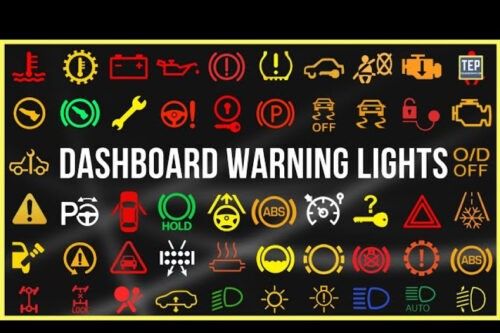
| Symbol | Meaning | Action |
| Engine Check | Engine problem detected | Have the engine checked soon |
| Oil Can | Low oil pressure | Check oil level and refill |
| Battery | Battery charging issue | Check battery and alternator |
| Tire Pressure | Low tire pressure | Inflate tires to correct level |
| Brake System | Brake system problem | Inspect brakes immediately |
Credit: www.zigwheels.my
Frequently Asked Questions
What Do Car Dashboard Warning Lights Mean?
Car dashboard warning lights indicate vehicle status and potential issues. They alert you to maintenance needs or malfunctions. Recognizing these symbols helps ensure safety and timely repairs. Each light has a specific meaning, such as engine problems or low tire pressure.
How To Identify Critical Car Dashboard Lights?
Critical dashboard lights usually appear in red or flashing patterns. These warn of serious issues needing immediate attention, like engine overheating or brake failure. Ignoring them can lead to severe damage or safety risks. Always consult your car manual for exact meanings.
Why Is My Check Engine Light On?
The check engine light signals a problem in the engine or emission system. Causes range from loose gas caps to sensor failures. It’s important to diagnose the issue promptly to avoid further damage or costly repairs. A mechanic can read error codes.
What Does A Battery Warning Light Indicate?
A battery warning light means your car’s charging system is malfunctioning. It could be a failing alternator, battery, or wiring issue. This light requires prompt attention to prevent your car from stalling or not starting. Check the battery and charging system soon.
Conclusion
Dashboard lights tell you important things about your car’s health. Knowing their meanings helps you act quickly and stay safe. Don’t ignore any warning lights; they guide you to fix small issues early. Keep your car in good shape by paying attention to these signals.
Simple awareness can save time and money. Stay alert and drive with confidence every day.







