
Your car’s leather seats add a touch of luxury and comfort, but keeping them clean can feel like a challenge. You want to protect your investment and keep your seats looking fresh, but harsh cleaners or the wrong techniques might cause damage.
What if you could easily restore that rich, smooth look without stress or expensive treatments? You’ll discover the best way to clean your car’s leather seats—simple, effective steps that anyone can follow. Get ready to bring back that showroom shine and enjoy the feeling of a spotless, well-cared-for interior every time you drive.
Choosing The Right Cleaner
Cleaning car leather seats needs the right cleaner. Using the wrong product can damage the leather.
It is important to pick a cleaner that is gentle and effective. This helps keep the seats soft and looking good.
Types Of Leather Cleaners
Leather cleaners come in different types. Some are made for specific leather finishes, and others work on all types.
- Foam cleaners lift dirt without soaking the leather
- Liquid cleaners are good for deep cleaning
- Wipes offer quick and easy cleaning
- Conditioning cleaners also add moisture to leather
Homemade Vs Commercial Products
Some people clean leather seats with homemade cleaners. Others buy products made for leather care.
Homemade cleaners often use mild ingredients like vinegar or olive oil. Commercial products are tested for safety and effectiveness.
- Homemade cleaners are cheap and easy to make
- Commercial products have balanced formulas
- Always test any cleaner on a small spot first
- Some homemade ingredients may harm leather
Avoiding Harmful Ingredients
Some ingredients can dry out or damage leather seats. Avoid cleaners with harsh chemicals.
Look for cleaners without bleach, ammonia, or strong alcohol. These can cause cracks and fading.
- No bleach or strong acids
- No ammonia or strong alcohols
- No petroleum-based solvents
- Choose pH-balanced products for leather
Essential Cleaning Tools
Cleaning car leather seats needs the right tools. Using proper items keeps leather soft and lasting longer.
This guide covers important tools to use for the best cleaning results on leather seats.
Soft Brushes And Microfiber Cloths
Soft brushes help remove dirt from leather without scratching. Microfiber cloths gently wipe surfaces clean and absorb moisture well.
- Use soft-bristled brushes for seams and crevices.
- Choose microfiber cloths for wiping and drying.
- Avoid rough or abrasive brushes that can damage leather.
- Keep cloths clean to avoid spreading dirt.
Vacuuming Techniques
Vacuuming removes loose dirt and dust before cleaning. It helps avoid rubbing dirt deeper into the leather.
| Vacuum Tool | Purpose | Tips |
|---|---|---|
| Soft brush attachment | Clean leather surface gently | Use low suction to protect leather |
| Crevice tool | Reach seams and gaps | Move slowly to avoid damage |
| Regular vacuum hose | Remove larger debris | Keep nozzle clean and smooth |
Applicators And Sponges
Applicators and sponges spread cleaner evenly on leather. They allow control over the amount of product used.
- Use foam applicators for smooth application.
- Choose non-abrasive sponges to avoid scratches.
- Wash and dry sponges after each use.
- Replace worn applicators regularly for best results.
Step-by-step Cleaning Process
Cleaning car leather seats keeps them looking fresh and new. It also helps the leather last longer.
This guide shows easy steps to clean your leather seats safely and effectively.
Preparing The Seats
Start by removing loose dirt and dust. Use a soft brush or vacuum cleaner with a brush tool.
Check the seats for damage like cracks or tears. Avoid harsh cleaning on damaged areas.
Applying Cleaner Safely
Choose a leather cleaner made for car seats. Test it on a small hidden spot first.
Apply the cleaner gently using a soft cloth or sponge. Use small circular motions to cover the surface.
Removing Dirt And Stains
Let the cleaner sit for a few minutes to loosen dirt. Wipe away dirt and stains with a clean cloth.
- Use a soft brush for stubborn stains
- Do not scrub too hard to avoid damage
- Repeat cleaning if needed for tough spots
Drying And Buffing
After cleaning, dry the seats with a dry microfiber cloth. Make sure no moisture remains on the leather.
Buff the seats gently to restore shine and softness. Use a clean, soft cloth for best results.

Credit: www.youtube.com
Conditioning Leather Seats
Leather seats in cars need care to stay soft and strong. Conditioning helps keep leather from drying out.
Regular conditioning protects seats from cracks and damage. It also keeps the leather looking new.
Why Conditioning Matters
Leather can dry and crack without moisture. Conditioning adds oils to keep it flexible.
It also protects seats from dirt and spills. Conditioned leather lasts longer and looks better.
Choosing The Best Conditioner
Pick a conditioner made for car leather. Avoid products with wax or silicone.
Look for natural oils like mink oil or lanolin. These keep leather soft and clean.
- Use pH-balanced conditioners
- Avoid harsh chemicals and alcohol
- Choose products with UV protection
How To Apply Conditioner
Clean the seats first with a soft cloth and mild soap. Let the leather dry fully.
Apply a small amount of conditioner on a clean cloth. Rub it into the leather in circles.
- Use gentle pressure to avoid damage
- Cover all leather areas evenly
- Let it absorb for 10-15 minutes
- Wipe off extra conditioner with a dry cloth
Maintaining Leather Between Cleanings
Keeping your car leather seats in good shape needs care between deep cleanings. Simple habits can stop dirt and damage.
Daily maintenance helps your leather stay soft and strong for a long time. Follow easy tips to protect it.
Regular Wiping Routines
Wipe your leather seats often with a soft cloth. This removes dust and light dirt before it builds up.
Use a damp microfiber cloth for best results. Avoid using too much water to stop leather from drying out.
- Wipe seats weekly to remove surface dirt
- Use a clean, soft cloth to avoid scratches
- Lightly damp cloth works better than dry cloth
- Do not use harsh chemicals or rough materials
Protecting From Sun Damage
Sunlight can fade and crack your leather seats. Protect them by blocking direct sun when possible.
Use sunshades or park in shaded areas. This lowers heat and UV exposure, which harm leather.
- Use window sunshades during hot days
- Park in garages or shaded spots
- Cover seats with cloths if parking outside
- Apply leather protectant to add UV defense
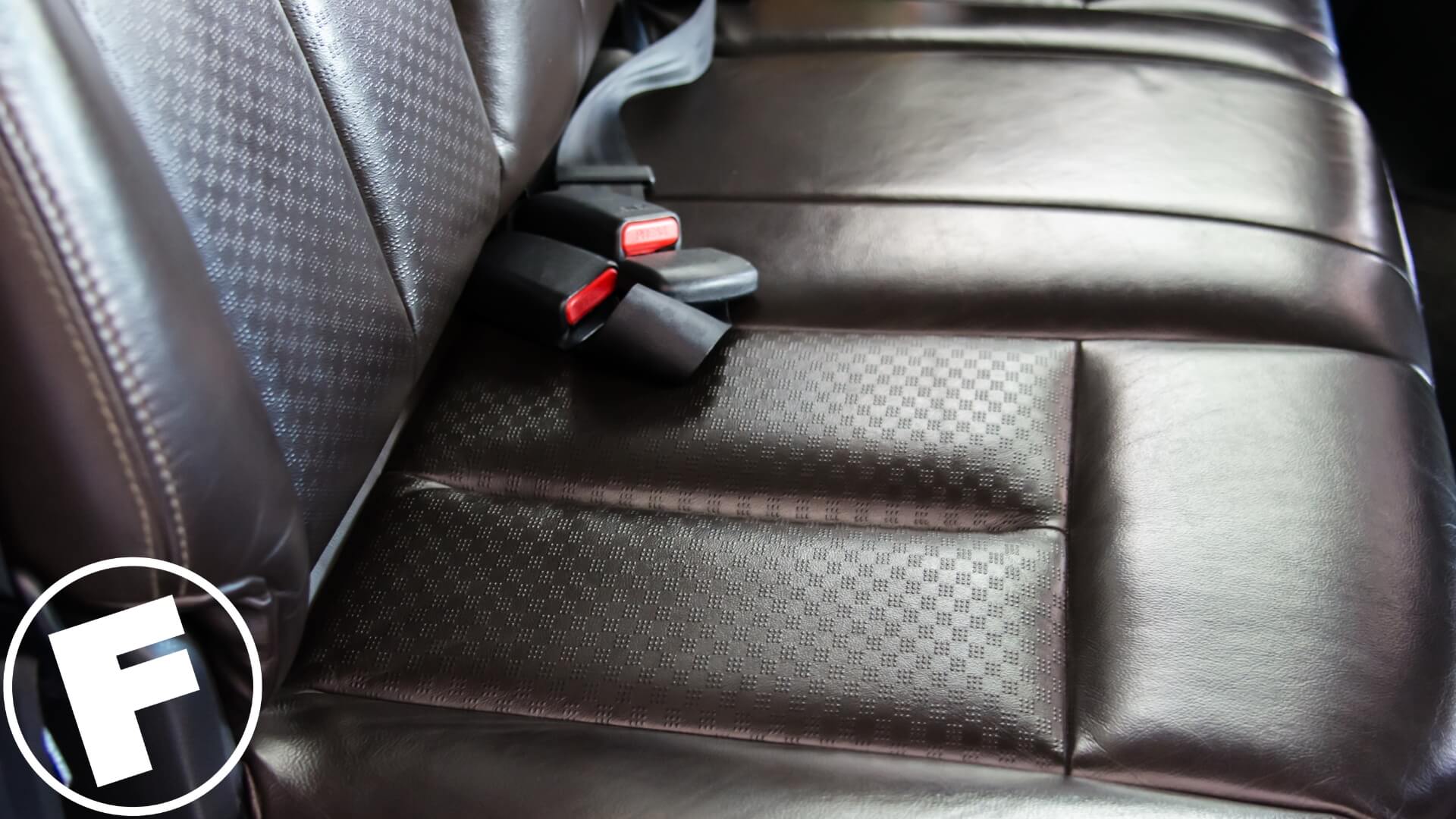
Dealing With Spills Quickly
Spills can stain or damage leather if left too long. Clean them up fast to prevent problems.
Blot spills gently with a dry cloth. Avoid rubbing, which can push liquid deeper into the leather.
- Blot spills immediately with a soft cloth
- Use mild soap and water for sticky spills
- Dry the area fully after cleaning
- Do not use strong cleaners or scrubbing
Credit: www.fibrenew.com
Common Mistakes To Avoid
Cleaning car leather seats can be tricky. Many make mistakes that damage the leather.
Knowing what to avoid keeps your seats looking new and lasting longer.
Using Harsh Chemicals
Harsh chemicals harm leather seats. They strip the natural oils and cause cracks.
- Read product labels before use
- Avoid bleach and ammonia-based cleaners
- Opt for leather-specific cleaners
Over-wetting Leather
Too much water is bad for leather. It can soak in and cause mold or mildew.
| Problem | Effect on Leather |
| Excess Water | Mold Growth |
| Water Stains | Discoloration |
| Soaked Padding | Weakens Structure |
Ignoring Manufacturer Recommendations
Manufacturers know their products best. Ignoring their advice can lead to damage.
Always follow the care instructions in your car manual. This ensures the best results.
Tips For Different Leather Types
Car leather seats need special care to stay nice. Different leather types need different cleaning methods. Learn how to clean smooth, suede, nubuck, and exotic leather seats.
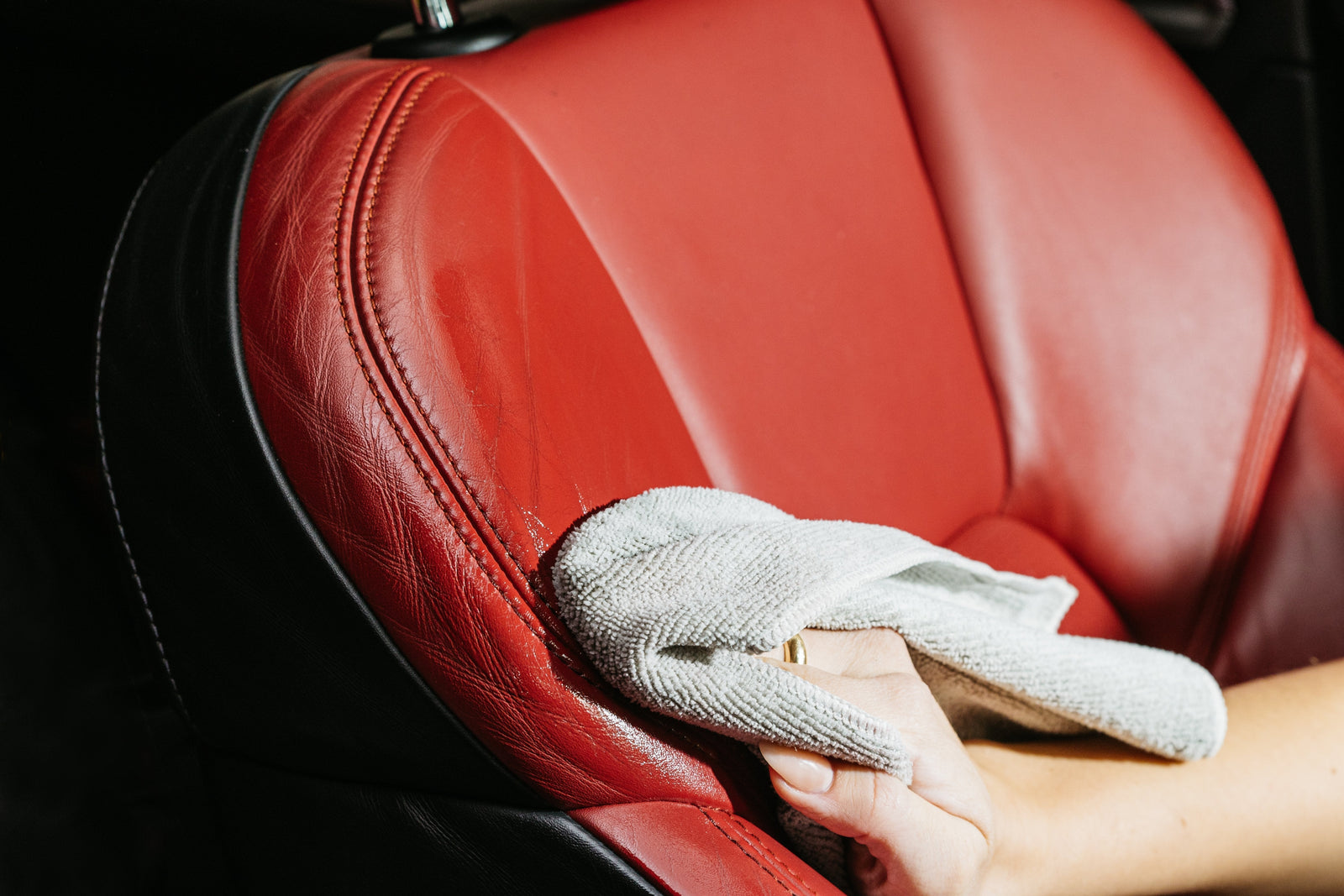
Smooth Leather Care
Smooth leather is common in cars. It looks shiny and feels smooth. Use mild soap and water to clean it.
- Mix soap with warm water.
- Use a soft cloth to wipe seats.
- Dry with a clean towel.
- Apply leather conditioner.
Suede And Nubuck Cleaning
Suede and nubuck have a soft, fuzzy feel. They are delicate and need gentle care. Avoid water to prevent damage.
- Use a suede brush for loose dirt.
- Use a nubuck cleaner for stains.
- Brush in one direction.
- Protect with a suede protector spray.
Exotic Leather Considerations
Exotic leather includes materials like snake or alligator. These need special attention to keep them nice. Always test cleaners on a small spot first.
- Use a specialty cleaner for exotic leather.
- Apply conditioner to maintain flexibility.
- Keep away from direct sunlight.
- Consult a professional for tough stains.
Credit: www.leatherhoney.com
Frequently Asked Questions
How Do I Clean Car Leather Seats Safely?
Use a mild leather cleaner and a soft cloth. Avoid harsh chemicals or excessive water. Gently wipe the seats and dry immediately to prevent damage and maintain leather quality.
What Is The Best Homemade Cleaner For Leather Seats?
Mix equal parts white vinegar and water. Add a few drops of mild dish soap. Use a soft cloth to gently clean and wipe dry to avoid moisture damage.
How Often Should I Clean Car Leather Seats?
Clean your leather seats every 1 to 3 months. Regular cleaning prevents dirt buildup and keeps leather soft. Condition after cleaning to maintain flexibility and avoid cracks.
Can I Use Baby Wipes On Leather Car Seats?
Yes, use unscented, alcohol-free baby wipes for quick cleaning. They remove surface dirt without harming leather. However, avoid frequent use and always follow up with a leather conditioner.
Conclusion
Cleaning leather car seats keeps them looking fresh and new. Use gentle cleaners and soft cloths for best results. Avoid harsh chemicals that can damage the leather. Regular care helps prevent cracks and fading. A clean seat feels comfortable and lasts longer.
Simple steps make a big difference in seat care. Keep your car’s interior neat with easy cleaning habits. Your leather seats deserve gentle, regular attention. This saves money and keeps your car nice. Try these tips to protect your leather today.







