
Have you ever noticed a mysterious light glowing on your car’s dashboard and wondered what it means? Those tiny symbols are trying to tell you something important about your vehicle.
Ignoring them could lead to costly repairs or even put your safety at risk. Understanding what each warning light means can save you time, money, and stress. You’ll discover clear explanations for the most common car light warnings and what you should do when they appear.
Keep reading to stay in control and protect your ride.
Credit: www.streettrucksmag.com
Common Car Light Warnings
Car warning lights alert you to issues in your vehicle. They help keep you safe and prevent damage.
Understanding these lights can save you time and money on repairs.
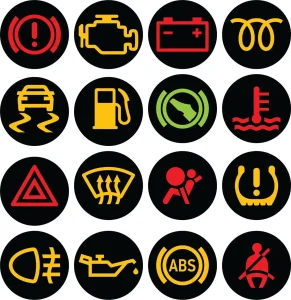
Engine Warning Light
The engine warning light means there is a problem with the engine. It could be a minor or serious issue.
Check the engine soon to avoid further damage. A mechanic can read the error code to find the problem.
Battery Alert Light
The battery alert light shows the battery is not charging properly. This can cause the car to stop running.
Check the battery connections and alternator. Replace parts if needed to keep the battery charged.
Oil Pressure Warning
This light means the oil pressure is too low. Oil keeps the engine parts moving smoothly.
- Stop the car immediately.
- Check the oil level with the dipstick.
- Add oil if it is low.
- Do not drive until the issue is fixed.
Brake System Indicator
The brake light shows a problem in the brake system. It can mean low brake fluid or worn brake pads.
| Warning | Possible Cause | Action |
| Brake Light On | Low Brake Fluid | Check and refill fluid |
| Brake Light Flashing | Brake System Failure | Stop and call mechanic |
| ABS Light On | ABS System Fault | Service ABS system |
Tire Pressure Monitoring
This light warns when tire pressure is too low. Proper pressure is important for safe driving.
To fix low tire pressure:
- Use a pressure gauge to check each tire.
- Inflate tires to the recommended pressure.
- Inspect tires for damage or leaks.
- If light stays on, visit a tire shop.
Color Codes And Their Importance
Car lights use different colors to show specific warnings. Understanding these colors helps keep you safe on the road.
Each color means something important. Knowing what they mean lets you act quickly and avoid accidents.
Red Lights
Red lights signal urgent problems. They mean you should stop or check your car immediately.
- Brake system warning
- Engine overheating
- Oil pressure alert
- Battery charge issue
- Seatbelt reminder
Yellow Or Amber Lights
Yellow or amber lights warn you of potential issues. They suggest caution and possible maintenance soon.
| Light Color | Meaning | Action |
| Check Engine | Engine or emissions problem | Service soon |
| ABS | Anti-lock braking system issue | Check brakes |
| Tire Pressure | Low tire pressure detected | Inflate tires |
| Traction Control | Traction system active or fault | Drive carefully |
Green And Blue Lights
Green and blue lights show that some systems are active. They are not warnings but useful information.
- Green: Turn signals and cruise control on
- Blue: High beam headlights active
- Other green lights: Headlights or fog lights on
Dashboard Symbols Explained
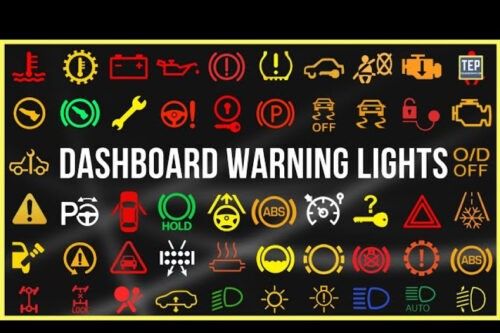
Your car dashboard shows many symbols. These lights warn you about your car’s condition.
Knowing what each symbol means helps you keep your car safe and working well.
Check Engine Symbol
The check engine light means your car’s computer found a problem. It can be a small or big issue.
Common causes include engine troubles, sensor problems, or emissions issues. You should check it soon.
Abs Warning Light
The ABS light shows a problem with the Anti-lock Braking System. This system stops your wheels from locking.
If this light stays on, your brakes might not work properly in slippery conditions. Get it checked quickly.
Airbag Indicator
The airbag light means there is an issue with the airbag system. The airbags may not work in a crash.
Do not ignore this light. Have a professional inspect the airbag system to keep you safe.
Coolant Temperature Alert
This light shows the engine temperature is too high. Your engine may be overheating.
Stop your car safely and check the coolant level. Overheating can cause serious engine damage.
- Check radiator and coolant hoses
- Look for leaks or low coolant
- Do not drive if overheating continues
Credit: www.zigwheels.my
Steps To Take When Warning Lights Appear
Car warning lights alert you to problems that need attention. Knowing what to do helps keep you safe. This guide explains what actions to take.
Follow these steps carefully when a warning light turns on. Quick response can prevent damage and costly repairs.
Immediate Actions
When a warning light appears, stop driving if it is red or flashing. Turn off the engine and check the car manual for the light’s meaning.
- Safely pull over to the side of the road.
- Turn off the engine to avoid damage.
- Check the dashboard for other warning lights.
- Look under the hood for obvious issues like leaks or smoke.
- Consult your car’s manual for specific instructions.
When To Seek Professional Help
Some warning lights mean a serious problem. If a light stays on after you restart, call a mechanic. Do not ignore these signs.
| Warning Light | Action Needed |
| Engine Temperature | Stop immediately, allow engine to cool, call for help |
| Oil Pressure | Turn off engine, check oil level, get professional help |
| Battery Charge | Check battery and alternator, visit mechanic soon |
| Brake System | Stop driving, check brake fluid, seek urgent service |
Avoiding Common Mistakes
Do not ignore warning lights or assume they will go away. Avoid restarting the engine repeatedly if a warning light stays on.
Common mistakes include:
- Continuing to drive with a red warning light on.
- Ignoring unusual noises or smells after a warning light appears.
- Not consulting the owner’s manual for guidance.
- Trying to fix serious issues without proper knowledge.
Maintaining Your Vehicle To Prevent Warnings
Car lights warn you about problems with your vehicle. They help you stay safe on the road. Regular maintenance can prevent these warnings.
Ignoring car warnings can lead to bigger issues. Taking care of your car keeps it running smoothly and avoids costly repairs.
Regular Inspections
Regular inspections help find problems before they cause warnings. Visit a mechanic to check your car at least twice a year.
During inspections, mechanics look at your engine, brakes, and other parts. This keeps your car safe and reliable.
Fluid Checks And Replacements
Fluids keep your car running smoothly. Check oil, coolant, and brake fluid regularly. Replace them as needed to avoid warnings.
Low fluid levels can trigger warning lights. Keeping fluids at the right levels is important for your car’s health.
- Check oil every month
- Replace coolant every 30,000 miles
- Check brake fluid twice a year
Tire Care Tips
Tires affect your car’s performance. Check tire pressure monthly to prevent warnings. Properly inflated tires improve gas mileage.
Rotate your tires every 6,000 miles. This helps them wear evenly. Check tire tread to ensure safe driving.
| Maintenance Task | Frequency |
| Check Tire Pressure | Monthly |
| Rotate Tires | Every 6,000 miles |
| Check Tire Tread | Monthly |
.png?t=1510869631279&width=684&height=1711&name=Vehicle%20Warning%20Lights%20(1).png)
Credit: noelins.com
Technology Advancements In Car Alerts
Car light warnings help drivers know when something needs attention. Advances in technology have made these alerts smarter and easier to understand.
New systems now connect with mobile devices and use sensors to give detailed information. These changes improve safety and vehicle care.
Smart Warning Systems
Modern cars use smart warning systems that detect problems quickly. These systems use sensors and cameras to monitor the vehicle’s condition.
- Real-time engine and brake monitoring
- Automatic alerts for low tire pressure
- Collision warning and lane departure signals
- Adaptive headlights that adjust to road conditions
Mobile Apps For Vehicle Health
Mobile apps connect to cars and show detailed alert information. Drivers can track fuel levels, battery health, and maintenance schedules.
| App Feature | Benefit |
| Engine Diagnostics | Shows error codes and repair tips |
| Fuel Monitoring | Tracks fuel use and suggests refills |
| Service Reminders | Alerts for oil changes and inspections |
| Remote Alerts | Notifies driver about car status on phone |
Future Trends In Vehicle Alerts
Vehicle alerts will become more personalized and predictive. New technology will help cars warn drivers before problems start.
Future features may include:
- AI-based analysis for early fault detection
- Integration with smart home systems
- Voice-controlled alert explanations
- Cloud-based updates for alert improvements
Frequently Asked Questions
What Does A Red Car Light Warning Mean?
A red car light warning indicates a serious issue requiring immediate attention. It signals critical problems like engine failure or low oil pressure. Ignoring it can cause severe damage. Always stop safely and check the issue or call for professional help.
Why Is My Car’s Check Engine Light On?
The check engine light signals a problem with the engine or emissions system. Common causes include loose gas caps, faulty sensors, or engine misfires. It’s important to diagnose the exact cause quickly to avoid bigger repairs and maintain vehicle performance.
How To Interpret A Yellow Car Warning Light?
A yellow warning light means caution but not an emergency. It indicates a system needs inspection or service soon. Common yellow lights include tire pressure or traction control warnings. Schedule maintenance promptly to prevent the issue from worsening.
Can A Flashing Car Light Cause Car Damage?
Yes, a flashing car warning light often signals urgent engine or system trouble. It means immediate action is required to prevent damage. Continuing to drive with a flashing light can lead to costly repairs or breakdowns.
Conclusion
Car light warnings help keep you safe on the road. Each light means something important. Knowing what they mean saves time and money. Don’t ignore these signals. Pay attention to your car’s dashboard. Acting quickly can prevent bigger problems. Drive smart and stay alert.
Your safety matters most. Understanding these warnings makes driving easier. Keep learning and stay safe every trip.







