
Have you ever wondered how long it really takes to paint a car? Whether you’re planning to refresh your ride or just curious about the process, knowing the time involved can help you set the right expectations.
Painting a car isn’t just about slapping on some color—it’s a detailed job that affects how your car looks and protects it for years. You’ll discover the key factors that influence the painting time and what you can do to speed things up without sacrificing quality.
Keep reading to get the full picture and make the best choices for your car’s makeover.

Credit: www.pcimag.com
Factors Affecting Paint Time
Painting a car takes different amounts of time depending on some key factors. Knowing these factors helps set the right expectations.
This guide explains how car size, preparation, paint type, and coats affect the total painting time.
Car Size And Type
Large cars take longer to paint than small cars. The type of vehicle also matters. Trucks and SUVs have bigger surfaces to cover.
- Small cars usually take less time.
- SUVs and trucks need more paint and time.
- Classic or custom cars may require extra care.
Surface Preparation Needs
Surface preparation is a key step before painting. It includes cleaning, sanding, and fixing dents. More prep means more time needed.
| Preparation Step | Time Impact |
| Washing and Cleaning | Short |
| Sanding | Moderate |
| Dent Repair | Long |
| Rust Removal | Long |
Paint Type And Quality
Different paints dry at different speeds. High-quality paints often take longer but give better results.
Types of paint and their drying times:
- Enamel: Dries quickly but may need more coats.
- Urethane: Common, dries medium fast.
- Basecoat/Clearcoat: Needs time between layers.
Number Of Coats Applied
More coats mean more time. Each coat must dry before the next one goes on.
- Primer coat to protect the metal.
- Base color coats, often two or more.
- Clear coats for shine and protection.
Step-by-step Painting Process
Painting a car takes time and care to get good results. Each step needs attention to detail. Following the right order helps the paint last longer and look better.
This guide explains each part of the process. It shows what to do from start to finish.
Cleaning And Sanding
Start by cleaning the car’s surface well. Remove dirt, grease, and old wax. Then sand the surface to make it smooth and ready for paint. Sanding also helps the new paint stick better.
- Wash the car with soap and water
- Use a degreaser to remove oils
- Dry the surface completely
- Sand the surface with fine-grit sandpaper
- Clean off sanding dust with a tack cloth
Priming The Surface
Apply primer to protect the metal and help paint stick. Primer also covers small scratches and imperfections. Let the primer dry fully before moving on.
Priming usually takes about 30 to 60 minutes to apply and 1 to 2 hours to dry. Use a spray gun for even coverage.
Applying Base Coat
The base coat gives the car its color. Apply several thin layers to avoid runs and drips. Wait a few minutes between coats for the paint to set.
- Shake the paint well before use
- Spray the first thin coat evenly
- Wait 10 to 15 minutes
- Apply the second coat
- Repeat if needed for full coverage
Adding Clear Coat
Clear coat protects the paint and gives a shiny finish. Apply it after the base coat dries. Use light, even coats to avoid bubbles or streaks.
| Clear Coat Layer | Drying Time |
| First Coat | 15-30 minutes |
| Second Coat | 30-45 minutes |
| Third Coat (optional) | 45-60 minutes |
Drying And Curing
After painting, let the car dry in a dust-free place. The paint needs time to cure and harden fully. This process can take several days to weeks.
- Keep the car in a warm, dry area
- Avoid touching or washing for at least 24 hours
- Full curing may take up to 30 days
- Use a paint curing lamp to speed drying if available
Typical Timeframes For Painting
Painting a car takes different amounts of time. It depends on the method used and the paint job type. Understanding the time helps plan your project better.
Some paint jobs are quick, while others need more care and time. Below are common timelines for DIY, professional, and custom paint jobs.
Diy Painting Estimates
DIY car painting can take from a few days to a couple of weeks. Time depends on skill, tools, and preparation work. Beginners may need more time to do a good job.
Steps include sanding, masking, painting, and drying. Rushing can cause mistakes or poor finishes.
- Preparation and sanding: 1-3 days
- Masking and priming: 1 day
- Painting and drying: 1-3 days
- Clear coat and curing: 1-3 days
Professional Shop Timelines
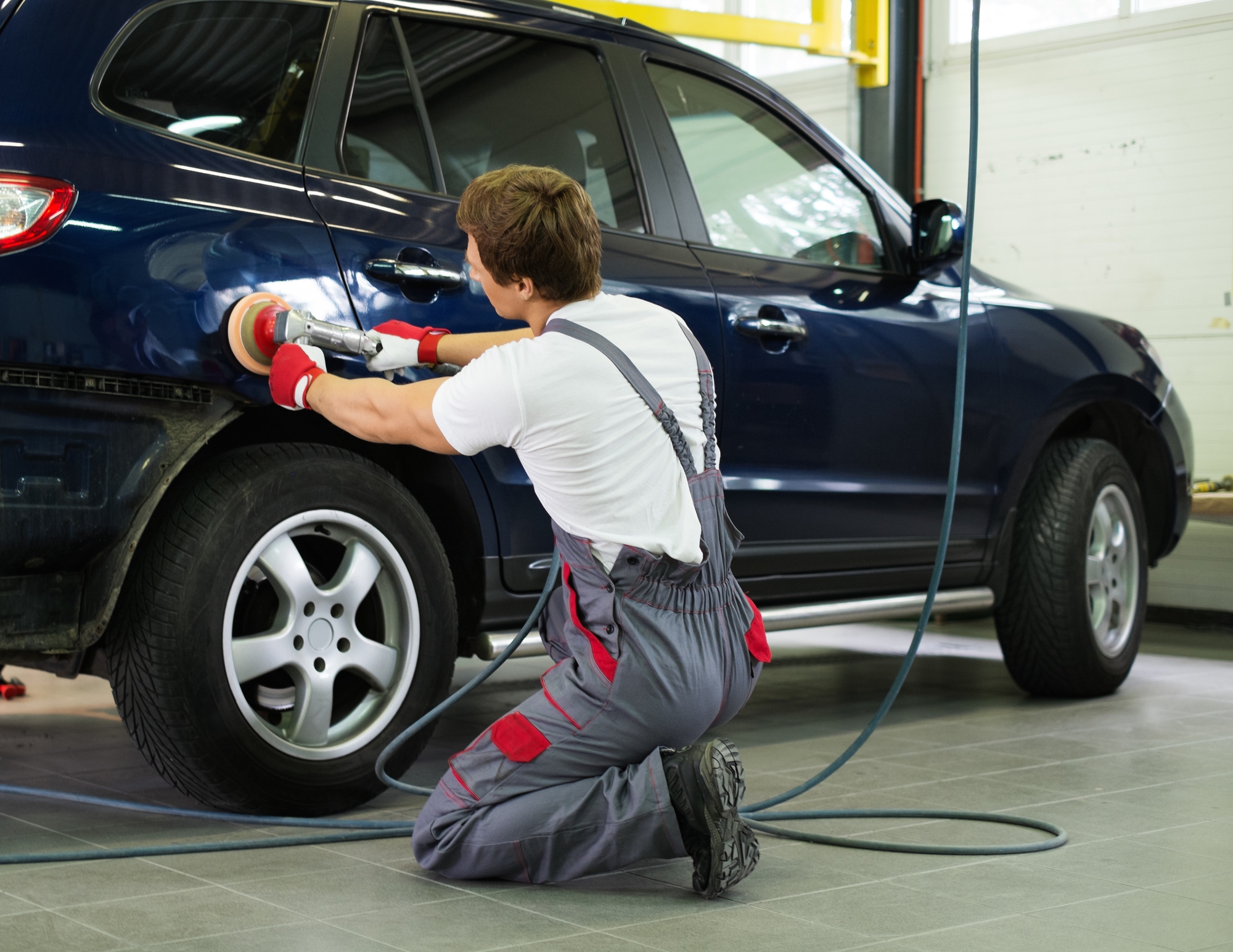
Professional shops usually finish car painting in 3 to 7 days. They have experience, equipment, and controlled environments. This speeds up the process and improves quality.
Shops follow strict steps to ensure paint dries well and looks smooth. They also fix any dents or damage before painting.
- Inspection and prep: 1 day
- Sanding and priming: 1 day
- Painting and drying: 1-2 days
- Clear coat and curing: 1-2 days
- Final touch-ups: 1 day
Custom And Specialty Paint Jobs
Custom and specialty paint jobs take longer than regular paint. These jobs need extra layers, designs, or special effects. Time can range from 1 week to several weeks.
Artists work carefully to apply details and unique finishes. This requires more drying time and skill.
- Design planning and approval: several days
- Surface prep and priming: 1-2 days
- Base coats and color layers: 2-5 days
- Special effects and detailing: 3-7 days
- Clear coats and curing: 2-5 days
- Final inspection and polishing: 1-2 days
Credit: speedwaymedia.com
Tips To Speed Up The Process
Painting a car takes time and patience. You can use some tips to make the process faster.
These tips help you save time without losing quality in your work.
Efficient Prep Techniques
Good preparation is key to a fast paint job. Clean and sand the car properly to help paint stick well.
Work in a clean, dust-free area to avoid redoing parts. Use masking tape carefully to protect areas not to be painted.
- Wash and dry the car thoroughly
- Sand the surface evenly
- Use tack cloths to remove dust
- Mask windows and trim precisely
Choosing Fast-drying Paints
Pick paints that dry quickly to reduce waiting time. Water-based and acrylic paints often dry faster than traditional paints.
Check the drying times on the paint can. Use products designed for quick drying to speed up your project.
- Use water-based or acrylic paints
- Look for fast-dry or quick-cure labels
- Apply thin coats for faster drying
- Keep temperature and humidity low to help paint dry
Using Proper Tools
Using the right tools makes painting faster and easier. A good spray gun applies paint evenly and quickly.
Air compressors with proper pressure help paint flow smoothly. Clean tools after each use to keep them working well.
- Use a high-quality spray gun
- Maintain correct air compressor pressure
- Wear protective gear for safety and speed
- Keep tools clean during and after painting
Common Delays And Challenges
Painting a car takes more time than just applying paint. Many factors can slow down the process.
Understanding these delays helps set the right expectations before starting the paint job.
Weather And Environmental Factors
Weather affects how paint dries and sticks to a car. Too much humidity or cold slows drying time. Dust and dirt in the air can land on wet paint, causing imperfections.
- High humidity makes paint dry slowly
- Cold temperatures can prevent paint from curing properly
- Dust and dirt can ruin the paint surface
- Strong wind may blow debris onto the car
- Rain can cause delays in outdoor painting
Repair And Damage Issues
Damages to the car can add extra work before painting. Scratches, dents, and rust need fixing. This repair work takes time and skill.
| Type of Damage | Repair Time | Impact on Painting |
|---|---|---|
| Small scratches | 1-2 hours | Minor delay |
| Dents | Several hours to 1 day | Moderate delay |
| Rust removal | 1-3 days | Significant delay |
| Body panel replacement | Multiple days | Major delay |
Equipment And Skill Limitations
Using the right tools speeds up painting. Lack of skills or poor equipment causes mistakes and longer work. Paint guns, compressors, and drying ovens matter a lot.
Common equipment and skill challenges:
- Old or faulty paint sprayers cause uneven coating
- Insufficient skill leads to paint runs or bubbles
- Limited access to drying equipment slows the process
- Inexperienced workers may need extra time to correct errors
Credit: autotribex.com
Frequently Asked Questions
How Long Does A Basic Car Paint Job Take?
A basic car paint job typically takes 2 to 3 days. This includes sanding, priming, painting, and drying time. The process is quicker due to minimal prep and fewer paint layers.
What Factors Affect Car Painting Time?
Car painting time depends on prep work, paint type, weather, and car size. Complex repairs or custom colors may extend the duration. Proper curing time is also crucial for a durable finish.
Can I Speed Up The Car Painting Process?
You can speed up by choosing quick-dry paints and scheduling in dry weather. Avoid complex paint designs or repairs. However, rushing may compromise paint quality and durability.
Is Professional Car Painting Faster Than Diy?
Yes, professionals usually paint cars faster due to experience and tools. They also ensure better surface prep and paint application. DIY methods often take longer and may yield uneven results.
Conclusion
Painting a car takes time and careful work. It depends on the paint type, prep work, and drying time. Simple jobs may take a few days. Complex jobs can last a week or more. Patience leads to better results and lasting finishes.
Choosing the right shop also affects the timeline. Always plan ahead to avoid surprises. The process is worth the wait for a fresh, clean look.







