
Looking to carry more gear without crowding your car’s interior? A roof rack could be the perfect solution for you.
Whether you’re planning a weekend getaway, a family trip, or just need extra space for your sports equipment, roof rack cars can make your travels easier and more comfortable. You’ll discover why a roof rack is a must-have accessory, how to choose the right one for your car, and simple tips to use it safely.
Keep reading to unlock the full potential of your vehicle and make every trip hassle-free.

Credit: www.ebay.com
Types Of Roof Racks
Roof racks add extra space to carry gear on top of your car. They come in various types for different needs. Choosing the right type helps you transport items safely and easily.
This guide explains main types of roof racks. It covers factory and aftermarket racks, roof bars, cargo boxes, and racks for bikes or kayaks.
Factory Vs Aftermarket Racks
Factory racks come installed on the car by the maker. They fit well and match the vehicle’s design. Aftermarket racks are added later and offer more choices. They vary in style and price.
- Factory racks are easy to install and remove.
- Aftermarket racks fit many car models and needs.
- Factory racks may cost more but look cleaner.
- Aftermarket racks provide flexibility and upgrades.
Roof Bars And Crossbars
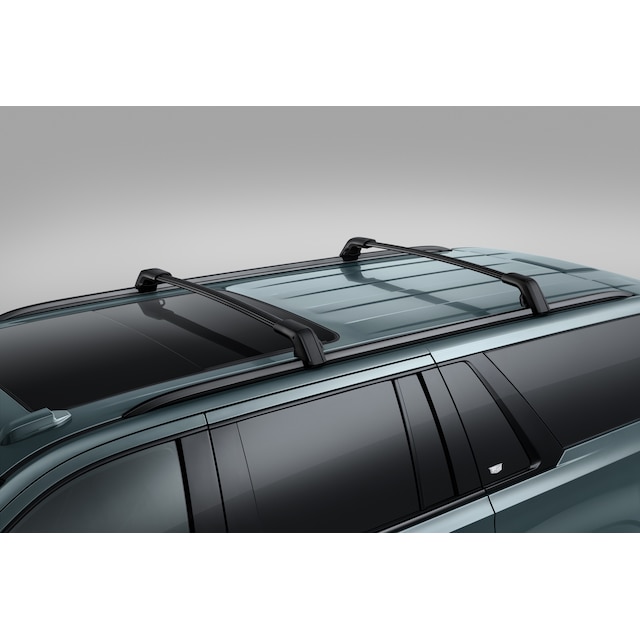
Roof bars run along the length of the car roof. Crossbars attach across the roof bars. They create a base to hold cargo. You can add accessories on crossbars for different uses.
| Type | Use | Material |
| Roof Bars | Support base for racks | Aluminum or steel |
| Crossbars | Hold cargo and accessories | Aluminum or steel |
Roof Baskets And Cargo Boxes
Roof baskets are open containers that hold odd-shaped items. Cargo boxes are closed containers that protect gear from weather. Both increase your car’s storage capacity.
- Roof baskets suit large, bulky items like camping gear.
- Cargo boxes keep items dry and safe from dust.
- Both attach to crossbars or roof rails.
- Cargo boxes often lock for security.
Specialized Racks For Bikes And Kayaks
These racks hold specific gear like bikes or kayaks. They secure the items safely and prevent damage. Many racks have locks to protect your equipment.
| Rack Type | Purpose | Key Feature |
|---|---|---|
| Bike Racks | Transport bicycles | Secure clamps or trays |
| Kayak Racks | Carry kayaks or canoes | Cradles or straps for stability |
Credit: accessories.cadillac.com
Choosing The Right Roof Rack
A roof rack helps carry extra items on top of your car. It frees up space inside your vehicle.
Choosing the right roof rack is important. It should fit your needs and your car well.
Assessing Your Cargo Needs
Think about what items you want to carry on the roof rack. Different racks hold different kinds of cargo.
Do you need to carry bikes, kayaks, or just luggage? Knowing this helps you choose the right style.
- For bikes, use a rack with bike holders
- For kayaks, use a kayak carrier
- For luggage, use a cargo box or basket
Weight Capacity And Load Limits
Check the weight limit of the roof rack. It must support the cargo weight safely.
Overloading can damage the rack or your car. It also makes driving unsafe.
- Look for the maximum load capacity in the product details
- Include the weight of the rack itself when calculating
- Do not exceed the vehicle’s roof load limit
Compatibility With Vehicle Models
Not all roof racks fit every car. Check if the rack fits your vehicle’s make and model.
Some cars have fixed mounting points, while others need special clamps or rails.
- Check the roof type: bare roof, raised rails, flush rails, or fixed points
- Choose a rack designed for your car’s roof type
- Follow manufacturer guidelines for installation
Material And Durability Considerations
Roof racks come in different materials like steel, aluminum, or plastic. Each has pros and cons.
Choose a material that lasts long and resists weather damage. This keeps your rack safe and strong.
- Steel is strong but heavy and may rust
- Aluminum is light and resists rust
- Plastic parts should be UV-resistant to avoid cracking
Installation Tips
Installing a roof rack on your car can add useful cargo space. It is important to follow clear steps to ensure safety and durability.
This guide covers the tools you need, the mounting steps, how to secure the rack, and mistakes to avoid during installation.
Tools Required
- Socket wrench set
- Measuring tape
- Rubber mallet
- Torque wrench
- Hex keys or Allen wrenches
- Protective gloves
- Soft cloth or towel
Step-by-step Mounting Process
- Read the manufacturer’s instructions carefully before starting.
- Clean the roof surface to avoid scratches during installation.
- Use the measuring tape to mark the correct position for the rack.
- Attach the mounting brackets to the roof rails or door frames.
- Place the crossbars onto the brackets and align them properly.
- Tighten all bolts with a socket wrench but do not overtighten yet.
- Use a torque wrench to secure bolts to the recommended torque.
- Check the rack for stability by gently shaking it.
Ensuring Secure Fitment
Make sure the roof rack fits well to avoid noise and damage. Check all clamps and bolts for tightness regularly. Use a torque wrench to confirm proper tightness.
| Check Point | How to Inspect |
| Bolts and screws | Use torque wrench, tighten to specs |
| Brackets | Ensure no movement or gaps |
| Crossbars | Confirm alignment and firm attachment |
| Rubber pads | Inspect for wear or damage |
Common Installation Mistakes To Avoid
- Ignoring the vehicle’s weight limit for the roof rack.
- Not cleaning the roof before installation.
- Overtightening bolts, causing damage to parts.
- Skipping the torque wrench step.
- Installing the rack unevenly or off-center.
- Failing to check the rack’s stability after installation.
- Using incorrect tools that can strip bolts.
Packing And Loading Strategies
Using a roof rack on your car helps carry extra gear for trips. It is important to pack and load your items carefully.
Good packing keeps your cargo safe and your car balanced. Follow these tips to load your roof rack well.
Distributing Weight Evenly
Place heavy items in the center of the roof rack. Spread the weight so one side is not heavier than the other.
Even weight helps keep your car stable while driving. It also prevents damage to your roof rack and car roof.
- Put heavy gear in the middle
- Balance weight from left to right
- Avoid putting too much weight in front or back
Securing Cargo Properly
Make sure all items are tight and will not move. Loose cargo can fall off or damage your car.
Use covers or bags to protect your items from wind and rain. Check the cargo often during stops.
- Check that items do not shift
- Cover gear with waterproof materials
- Inspect straps and knots regularly
Using Straps And Tie-downs
Straps keep your cargo safe on the roof rack. Use strong straps designed for outdoor use.
Tighten straps to remove slack but do not over-tighten. Use multiple tie-down points to hold items securely.
- Choose durable straps or ropes
- Tighten straps to avoid movement
- Use more than one strap per item
- Secure loose ends to prevent flapping
Maximizing Space Efficiency
Arrange items to use all available space on your roof rack. Place small items inside larger ones if possible.
Stack items carefully to avoid damage. Keep heavier gear below lighter gear to keep balance and protect fragile items.
- Fill gaps with small bags or soft items
- Stack heavier items at the bottom
- Keep fragile gear on top or inside protective cases
- Use roof boxes or bags for extra space
Safety And Maintenance
Roof racks help carry extra items on top of your car. Safety and maintenance keep the rack and load secure. Follow simple checks to avoid accidents and damage.
Regular care extends the life of your roof rack. It also protects your car and cargo. Learn key tips to keep your roof rack in good shape.
Checking Load Limits Regularly
Always check your roof rack’s load limits before use. Exceeding the limit risks damage and unsafe driving. The load limit includes the weight of the rack and the cargo.
- Find the load limit in your car manual or on the rack label.
- Weigh the cargo before loading it on the rack.
- Distribute weight evenly across the rack.
- Do not exceed the total load limit.
- Recheck the load if you add or remove items.
Inspecting Rack Components
Inspect your roof rack parts often. Look for loose bolts, cracks, or worn straps. Tighten or replace parts as needed. This keeps the rack stable and safe.
| Component | What to Check | Action |
| Bolts and Screws | Loose or missing | Tighten or replace |
| Straps and Tie-downs | Frayed or worn | Replace immediately |
| Rack Frame | Cracks or bends | Repair or replace |
| Mounting Points | Rust or damage | Clean and fix |
Weatherproofing And Rust Prevention
Protect your roof rack from weather damage. Rust weakens the metal and causes failure. Use these tips to keep it safe:
- Apply a rust-proof spray or paint to metal parts.
- Clean the rack after rain or snow to remove dirt and moisture.
- Cover the rack with a weatherproof cover when not in use.
- Store the rack indoors during long periods of no use.
Safe Driving With A Loaded Roof Rack
Drive carefully when your roof rack carries a load. Extra weight changes your car’s balance and height. Keep these tips in mind:
- Drive slower than usual, especially on turns and curves.
- Allow more space for braking and stopping.
- Check your load during stops to make sure it is secure.
- Avoid sudden moves that can shift your cargo.
- Watch for low bridges or parking garages.
Legal Regulations And Restrictions
Roof racks are useful for transporting extra luggage on cars. But using them has legal rules. Knowing these rules keeps you safe and legal on the road.
Different countries have laws about roof racks. These laws cover size, visibility, and permits.
Height And Width Limits
Roof racks must fit within set height and width limits. These rules prevent accidents and ensure safe driving.
Check your car’s manual for maximum roof load. Overloading can be dangerous and illegal.
- Max height: Often 4 meters from ground
- Max width: Usually same as car’s width
Load Visibility And Markings
Loads on roof racks must be visible to other drivers. This prevents unexpected accidents.
Use bright markers or flags on extended loads. This helps other drivers see the load clearly.
- Use red flags for rear overhangs
- Reflective tape improves visibility at night
Regional Laws And Permits
Some regions require permits for large roof loads. Check local laws before traveling with a loaded roof rack.
Permits often depend on load size and route. Contact local authorities for more information.
| Region | Permit Required |
| Urban Areas | Yes, for oversized loads |
| Rural Areas | No, but check local rules |
Penalties For Non-compliance
Not following roof rack laws can lead to fines. It’s important to stay informed and follow regulations.
Penalties include fines and points on your driving record. In some cases, authorities may confiscate the load.
- Fines vary by region
- Repeat offenses may lead to license suspension
Popular Roof Rack Brands
Roof racks are essential for those who love road trips or outdoor adventures. Choosing the right brand is crucial for safety and convenience.
Some brands offer top-notch quality, while others focus on affordability. Let’s explore some popular options and their features.
Top-rated Models
Top-rated models stand out due to their durability and ease of installation. These models are often preferred by frequent travelers.
- Brand A: Known for its robust design.
- Brand B: Offers a wide range of accessories.
- Brand C: Easy to install and remove.
Budget-friendly Options
Budget-friendly options are perfect for those who need a simple solution without breaking the bank. These models provide great value.
| Brand | Price Range |
| Brand D | $50 – $100 |
| Brand E | $70 – $120 |
| Brand F | $90 – $150 |
Premium Features And Innovations
Premium roof racks come with advanced features. These may include aerodynamic designs and high weight capacity. They cater to specific needs.
Customer Reviews And Ratings
Customer reviews provide insight into the real-world performance of roof racks. Ratings help gauge satisfaction levels and common issues.
- Brand G: Rated 4.5 stars for durability.
- Brand H: Scores 4 stars for affordability.
- Brand I: Praised for its sleek design, with a 4.8-star rating.

Credit: www.amazon.com
Alternative Cargo Solutions
Roof racks are not the only way to carry extra cargo on your car. Many other options fit different needs and vehicles.
Choosing the right cargo solution can make your trips easier and safer. Consider space, weight, and convenience.
Hitch-mounted Carriers
Hitch-mounted carriers attach to the back of your car. They are great for carrying bulky items like bikes and coolers.
- Easy to install and remove
- Keep cargo outside the vehicle
- Do not affect roof clearance
- May require a hitch receiver
Trailer Options
Trailers give you the most cargo space. They come in many sizes and types to fit your needs.
| Trailer Type | Best For | Key Feature |
| Utility Trailer | Large bulky items | Open bed for easy loading |
| Enclosed Trailer | Protecting cargo | Weatherproof and lockable |
| Camping Trailer | Outdoor trips | Includes sleeping space |
Interior Cargo Organizers
Use interior organizers to keep items tidy inside your car. They help save space and prevent damage.
- Trunk organizers with compartments
- Seat-back pockets for small items
- Under-seat storage bins
- Foldable boxes for flexible use
Foldable And Portable Racks
Foldable racks are easy to carry and store. Use them when you need extra space temporarily.
Portable racks are useful for:
- Camping gear
- Sports equipment
- Moving boxes
- Shopping trips
Frequently Asked Questions
What Types Of Cars Are Best For Roof Racks?
SUVs, wagons, and hatchbacks are ideal for roof racks. They provide sturdy mounting points and enough roof space. Sedans can also fit roof racks but may have limited space and weight capacity.
How Much Weight Can Roof Racks Carry Safely?
Most roof racks support between 75 to 150 pounds. Always check your car’s manual and rack specifications. Avoid exceeding the weight limit to ensure safety and prevent damage.
Are Roof Racks Easy To Install And Remove?
Yes, most roof racks come with user-friendly installation kits. They often require basic tools and no drilling. Removing them is equally simple, making roof racks convenient for temporary use.
Can Roof Racks Improve Car Aerodynamics?
Roof racks may slightly reduce aerodynamics, increasing wind resistance and noise. Using aerodynamic crossbars helps minimize drag. Removing the rack when not in use can improve fuel efficiency.
Conclusion
Roof rack cars offer extra space for gear and luggage. They help carry bikes, kayaks, and camping equipment easily. Choosing the right rack fits your car and needs best. Proper installation keeps your load safe during travel. Regular checks make sure everything stays secure and stable.
Roof racks add convenience for outdoor trips and family outings. They make transporting bulky items simple and stress-free. Consider your car model and usage before buying a rack. Enjoy the freedom to carry more on every journey.







