
Looking to add extra storage space to your car but don’t have roof rails? You’re not alone.
Many cars come without built-in rails, making it tricky to install a roof rack. But don’t worry—installing a roof rack on a car without rails is easier than you might think. In this guide, you’ll discover simple steps to securely mount a roof rack, giving you the freedom to carry bikes, luggage, or gear wherever you go.
Keep reading to unlock the secret to expanding your car’s capacity without any hassle.
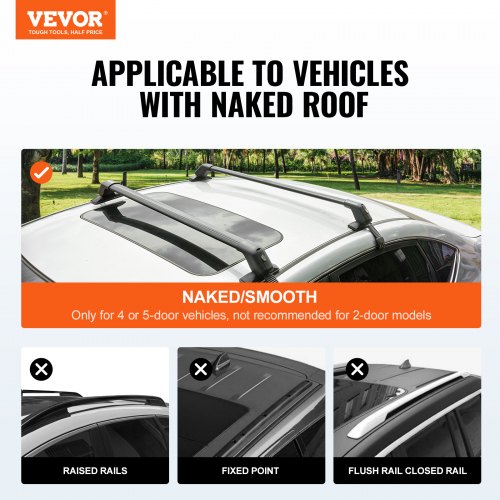
Credit: www.vevor.ca
Choosing The Right Roof Rack
Installing a roof rack on a car without rails needs care. Picking the right roof rack helps with safety and use.
This guide covers roof rack types, materials, weight, and car fit. It helps you find the best rack for your needs.
Types Of Roof Racks For Cars Without Rails
Cars without rails use special roof racks that attach to the door frame or roof edge. These racks come in different styles.
- Clamp-On Racks:These fit around the door frame and hold tightly without rails.
- Suction Cup Racks:Use strong suction cups to stick to the roof surface, good for light loads.
- Adhesive Mount Racks:Use adhesive pads to attach but are less common and hold less weight.
Material And Weight Considerations
Roof racks come in different materials. The choice affects strength, weight, and price.
| Material | Weight | Durability | Cost |
| Aluminum | Light | High | Moderate |
| Steel | Heavy | Very High | High |
| Plastic/Composite | Very Light | Low | Low |
Choose a material that fits your load needs and budget. Remember, heavier racks may reduce fuel efficiency.
Compatibility With Your Car Model
Not all racks fit every car. Check your car model and roof shape before buying.
- Look for racks made for your car make and model.
- Check the roof shape: curved roofs may need special racks.
- Read product reviews and fit guides online.
Preparing Your Car For Installation
Installing a roof rack on a car without rails needs careful preparation. This ensures the rack fits well and stays secure.
Before starting, clean and inspect your car roof. Also, gather all the tools and materials you will need.
Cleaning And Inspecting The Roof Surface
Cleaning the roof removes dirt and debris that can cause damage. Inspecting helps find scratches or dents that affect rack installation.
- Wash the roof with mild soap and water
- Dry the surface with a soft cloth
- Look closely for scratches or rust spots
- Check for dents or uneven areas
- Note any damage that may need repair
Gathering Necessary Tools And Materials
Having the right tools makes installation easier and safer. Use the table below to check what you need before you start.
| Tools | Purpose |
|---|---|
| Measuring tape | To measure roof dimensions |
| Screwdriver set | To tighten screws and bolts |
| Rubber mallet | To gently fit parts without damage |
| Cleaner and cloth | To clean the roof before mounting |
| Roof rack kit | Includes crossbars and mounting brackets |
| Protective gloves | To keep hands safe during work |
Mounting Systems For Rail-less Roofs
Installing a roof rack on a car without rails needs special mounting systems. These systems attach directly to the roof without needing built-in rails.
Choosing the right mounting system is important for safety and ease of use. Here are common options for rail-less roofs.
Clamp-on Mounts
Clamp-on mounts grip the edges of your car’s door frame or roof lips. They create a secure hold without drilling holes.
- Easy to install and remove
- Do not damage the car’s paint
- Work with most car models
- May require rubber pads to protect the roof
Adhesive Mounts
Adhesive mounts use strong glue to stick the rack base to the roof. They are good for cars without any door frame edges.
This system is less common but useful for smooth, flat roofs. The adhesive must be weather-resistant and strong enough to hold weight.
Track Systems
Track systems attach to fixed points on the roof or use factory-drilled holes. They provide a solid base for racks and accessories.
| Feature | Benefits | Considerations |
| Permanent installation | Strong and stable | Needs drilling or factory mounts |
| Adjustable track length | Fits various rack sizes | May require professional help |
| Compatible with many accessories | Versatile for cargo needs | Higher cost than clamps or adhesive |

Credit: www.reddit.com
Step-by-step Installation Process
Installing a roof rack on a car without rails can be simple. You need the right tools and parts. Follow each step carefully to ensure safety.
This guide will help you position, secure, tighten, and check your roof rack for a safe fit.
Positioning The Roof Rack
Start by placing the roof rack on your car’s roof. Find a flat area that can hold weight evenly. Avoid placing it near the edges.
Measure the distance between the front and back mounts. Make sure they align with the car’s door frames or factory attachment points.
Securing The Mounts
Use the clamps or mounts that come with your roof rack. Attach them to the door frames or the rubber seal under the door edges. Do not force mounts on.
- Open the car doors to access the mounting points
- Place mounts carefully under the door seals
- Tighten clamps by hand to hold them in place
Check that mounts sit flat and do not damage paint or seals.
Tightening And Adjusting
Use a wrench or screwdriver to tighten the mounting bolts. Tighten slowly and evenly to avoid bending the rack or car parts.
- Alternate tightening bolts on opposite sides
- Keep the rack level and aligned
- Stop tightening when mounts feel firm and stable
Do not over-tighten as this can cause damage to your car or rack.
Checking Stability And Safety
After installation, test the roof rack by pushing and pulling it gently. It should not move or wiggle. Check all mounts again.
- Inspect mounts for any gaps or loose parts
- Ensure no damage to car paint or seals
- Test with a small load before full use
Regularly check the rack during use to keep it safe and secure.
Tips For Maintaining Your Roof Rack
A roof rack is useful for carrying extra luggage on trips. Maintaining it ensures safety and longevity. Here are some tips to keep your roof rack in top condition.
Regular care is crucial for your roof rack. Follow these guidelines to maintain its durability and functionality.
Regular Inspections
Inspect your roof rack often to check for any signs of wear. Look for loose bolts or damaged parts.
Check the fitting of the rack on your car. Ensure everything is tight and secure.
- Examine bolts and screws for tightness
- Look for rust or corrosion
- Ensure no parts are bent or cracked
Cleaning And Care
Clean your roof rack regularly to prevent dirt build-up. Use mild soap and water for cleaning.
Dry the rack thoroughly to avoid rust. Pay special attention to joints and connectors.
- Use soft cloths to wipe surfaces
- Rinse with water after cleaning
- Apply protective wax for metal racks
Storage When Not In Use
When not using the roof rack, store it in a dry place. This prevents exposure to harsh weather.
Disassemble if possible, for easier storage. Keep all parts together for easy reassembly.
- Store in a cool, dry place
- Use a cover to protect from dust
- Keep small parts in a labeled container
Credit: www.stelvioforum.com
Common Mistakes To Avoid
Installing a roof rack on a car without rails can be tricky. Many people make mistakes that cause damage or unsafe driving.
Knowing what to avoid helps you install the rack safely and correctly. This guide covers common errors to watch out for.
Overloading The Roof Rack
Putting too much weight on the roof rack can damage your car’s roof. It also makes driving dangerous by affecting balance.
Always check the weight limit for your roof rack and your car’s roof. Do not exceed these limits.
- Heavy loads can bend or break the rack
- Too much weight can cause roof leaks
- Overloading reduces vehicle stability
- Uneven loads increase risk of accidents
Improper Mounting Techniques
Using the wrong tools or mounting parts can cause the rack to come loose. This can damage the car or cause accidents.
Make sure the rack is tightly secured and all fasteners are correctly placed. Avoid using makeshift parts or skipping steps.
- Do not use damaged or worn parts
- Follow the correct order when tightening bolts
- Check that the rack does not move after installation
- Use proper tools to avoid stripping screws
Ignoring Manufacturer Instructions
Ignoring instructions can lead to wrong installation and unsafe use. Each rack model has specific fitting steps.
Read the manual carefully before starting. Follow every step to ensure your roof rack fits well and works safely.
- Do not guess or skip steps
- Use only parts included by the manufacturer
- Contact support if instructions are unclear
- Keep instructions for future reference
Frequently Asked Questions
How Do I Install A Roof Rack Without Rails?
To install a roof rack without rails, use clamp-style or adhesive mounts. These attach securely to the car’s door frame or roof edges. Make sure to follow the manufacturer’s instructions for proper fitting and weight limits.
Can I Use A Universal Roof Rack On Cars Without Rails?
Yes, universal roof racks are designed to fit many cars without rails. They often use adjustable clamps or suction cups for stability. Always check the product specifications to ensure compatibility with your car model.
What Tools Are Needed To Mount A Roof Rack Without Rails?
You typically need a wrench, screwdriver, and sometimes a measuring tape. Some kits include necessary tools. Having a helper can make installation easier and safer.
Are Clamp-style Roof Racks Safe For Cars Without Rails?
Clamp-style racks are safe if installed correctly. Ensure clamps are tight and avoid overloading. Check your vehicle’s manual for weight restrictions and rack compatibility.
Conclusion
Installing a roof rack on a car without rails is easier than it seems. Choose the right rack for your vehicle and follow the steps carefully. Double-check all fittings to ensure safety. A well-installed rack lets you carry extra gear with ease.
Take your time and avoid rushing the process. Now, your car is ready for new adventures and extra storage. Simple tools and patience make a big difference. Enjoy the extra space and drive safely.







