
Have you ever wondered if your personal car insurance has your back when you rent a car? Imagine this: you pick up a rental vehicle for a weekend trip, but then something unexpected happens—a fender bender or damage to the rental.
Do you know if your own insurance will cover the costs, or will you be stuck paying out of pocket? Understanding how your personal car insurance applies to rental cars can save you money and stress. Keep reading to discover the truth about rental car coverage and what you need to watch out for before hitting the road.
Credit: acera.ca
Personal Car Insurance Basics
Personal car insurance covers your vehicle and helps pay for damages or injuries from accidents. It usually includes different types of protection for your car, yourself, and others on the road.
Many people wonder if their personal car insurance also covers rental cars. Understanding the basics of your insurance policy is important before renting a vehicle.
Types Of Coverage
Personal car insurance has several types of coverage. Each type protects you in a different way. Some cover damage to your car, while others cover injuries or other drivers.
- Liability Coverage:Pays for damage or injury you cause to others.
- Collision Coverage:Pays for damage to your car from a crash.
- Comprehensive Coverage:Covers damage from theft, fire, or weather.
- Personal Injury Protection:Pays medical bills for you and passengers.
- Uninsured Motorist Coverage:Protects you if hit by an uninsured driver.
How Coverage Applies To Your Vehicle
Your personal car insurance mainly covers the vehicle listed on your policy. Coverage for rental cars depends on your policy details and the type of coverage you have.
In many cases, liability coverage will apply to rental cars. Collision and comprehensive coverage may also apply but check with your insurer. Some policies exclude rental cars or limit coverage.
- Liability usually covers injury or damage to others in rental cars.
- Collision and comprehensive may cover rental car damage if included.
- Personal injury protection can cover medical costs in a rental.
- Always review your policy or call your insurer before renting.

Credit: www.peakesinsurance.com
Rental Car Coverage Explained
Personal car insurance may cover rental cars in some cases. It depends on your policy and the rental situation. Knowing what is covered helps avoid surprises.
Rental car coverage protects you from costs if the rental car is damaged or stolen. It can also cover liability if you cause an accident.
When Personal Insurance Extends To Rentals
Your personal car insurance often covers rental cars if you rent for a short time. This usually applies when you rent the car for personal use.
If your policy includes comprehensive and collision coverage, these may apply to rental cars. Liability coverage usually extends to rentals as well.
- Coverage applies only if you rent a similar type of car
- Personal use rentals are typically covered
- Your coverage limits apply to the rental car
- Coverage may vary by state and insurer
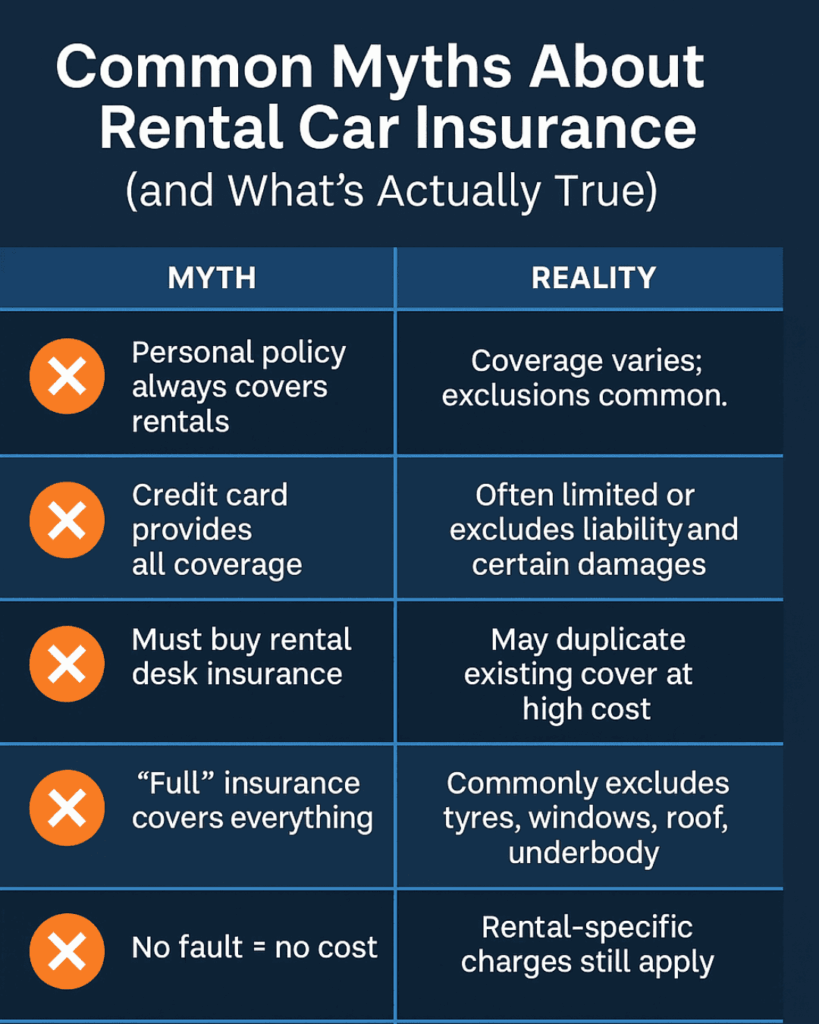
Common Exclusions And Limitations
Some policies do not cover rental cars used for business or commercial purposes. Also, exotic or specialty cars may be excluded.
You may not have coverage if you rent the car outside your home country. Certain damages, like wear and tear, often are not covered.
- Business use rentals often excluded
- Luxury or specialty cars may not be covered
- International rentals might need extra insurance
- Wear and tear or mechanical issues usually excluded
- Some policies exclude coverage if you rent long-term
Credit Card Rental Car Benefits
Many credit cards offer rental car insurance as a benefit. This can help cover costs if your rental car is damaged or stolen.
Using your credit card for rental payments may save you money on extra insurance from rental companies.
Coverage Offered By Credit Cards
Credit cards often provide collision damage waiver (CDW) coverage. This covers damage to the rental car.
Some cards also cover theft and loss of use fees charged by rental companies. Coverage limits vary by card.
- Collision damage and theft protection
- Coverage usually secondary to personal insurance
- Limits on rental duration, often 15-30 days
- May exclude certain vehicle types or locations
How To Activate Credit Card Protection
To use credit card rental coverage, pay for the rental with the card. Decline the rental company’s insurance.
Keep receipts and rental agreements. Contact your credit card company if damage happens to start a claim.
- Use the credit card to book and pay for the rental
- Decline the rental company’s collision insurance
- Save all rental documents and receipts
- Report any damage to the credit card company quickly
Rental Company Insurance Options
When renting a car, you may see extra insurance offers from the rental company. These options help protect you and the rental vehicle. Knowing what each covers is important before you decide.
Rental companies typically provide different types of coverage. These cover damages to the car or injuries to others. Let’s look at the most common choices.
Collision Damage Waiver (cdw)
The Collision Damage Waiver, or CDW, protects you from costs if the rental car gets damaged or stolen. It is not an insurance but a waiver that limits your financial responsibility.
- CDW covers damage to the rental car.
- It may include theft protection.
- You might still pay a deductible or fees.
- Some CDWs exclude certain damages like tires or windows.
- Check if your personal car insurance covers rental damage before buying CDW.
Liability Coverage Choices
Liability coverage pays for damage or injuries you cause to others while driving the rental. It is often required by law and can be bought from the rental company.
| Type of Liability | What It Covers | Notes |
| Supplemental Liability Insurance (SLI) | Increases your liability limits | Useful if your personal policy has low limits |
| Personal Accident Insurance (PAI) | Medical costs for you and passengers | Can be covered by health insurance |
| Personal Effects Coverage (PEC) | Loss or theft of personal items in the car | May duplicate homeowner’s insurance |
Tips For Renting With Insurance
Renting a car can be easy if you know about insurance. Personal car insurance may cover rental cars. It is important to check your coverage before you rent.
This guide helps you understand how to rent with insurance safely. Knowing your insurance details saves money and stress.
Verifying Your Coverage Before Renting
Call your insurance company before renting a car. Ask if your personal car insurance covers rental cars. Find out what types of damage are included.
Check if there are limits on rental car coverage. Some policies only cover certain rental periods or types of vehicles.
- Confirm if liability, collision, and theft are covered
- Ask about coverage limits and deductibles
- Check if coverage applies in the rental location
- Find out if you need to decline rental company insurance
Filing A Claim If Damage Occurs
If the rental car is damaged, report it right away. Contact both the rental company and your insurance provider. Follow their instructions carefully.
Keep all documents related to the rental and damage. These include the rental agreement, police report, and photos of the damage.
- Notify your insurance company quickly
- Provide all required documents and evidence
- Follow up to check claim status
- Pay any deductible if needed
Credit: www.trendrentals.com.au
Frequently Asked Questions
Does Personal Car Insurance Cover Rental Cars Automatically?
Personal car insurance often extends coverage to rental cars. However, it depends on your policy’s terms and coverage limits. Check if liability, collision, and comprehensive coverages apply to rentals. Always confirm with your insurer before renting to avoid surprises.
What Types Of Rental Car Damage Does Personal Insurance Cover?
Personal car insurance typically covers collision and liability damages in rentals. Comprehensive coverage might protect against theft or vandalism. Coverage varies, so verify with your insurer. Some policies exclude certain vehicle types or rental durations.
Should I Buy Rental Car Insurance If I Have Personal Coverage?
Buying rental car insurance depends on your existing coverage. If your personal policy offers full protection, additional rental insurance may be unnecessary. However, rental companies’ insurance can provide extra peace of mind and cover gaps in your policy.
How Does Personal Insurance Handle Rental Car Accidents?
If you cause an accident in a rental, your personal insurance usually pays for damages and liability. You must file a claim with your insurer promptly. Deductibles and limits from your personal policy apply to rental claims.
Conclusion
Personal car insurance may cover rental cars, but not always fully. Coverage depends on your policy and rental terms. Check your insurance details before renting a car. Consider buying extra coverage from the rental company for peace of mind. Understanding your insurance can save money and stress.
Always ask questions to avoid surprises. Drive safely and stay protected.







