
Are you thinking about adding a painted turtle to your home? These colorful turtles are fascinating pets that can bring a splash of nature right to your living room.
But to keep your painted turtle happy and healthy, you need to know the right care steps. In this guide, you’ll discover simple, effective tips that make caring for your turtle easy and enjoyable. Keep reading to learn how to create the perfect home for your new scaly friend and watch them thrive under your care.
Choosing The Right Habitat
Providing a suitable habitat is key to keeping a painted turtle healthy. The habitat must meet its needs for space, water, and warmth.
Each part of the habitat helps the turtle live comfortably and grow well. This guide covers important habitat features.
Tank Size And Setup
Painted turtles need a tank that gives them enough room to swim and move around. A small tank can cause stress and health problems.
- Choose a tank at least 40 gallons for one adult turtle.
- Use a tank with a secure lid to prevent escapes.
- Provide a mix of water and dry areas for the turtle.
- Include plants or decorations for hiding spots.
Water Quality And Filtration
Clean water is vital for painted turtles. Dirty water can cause infections and illness.
| Parameter | Ideal Range |
| Temperature | 75°F to 80°F (24°C to 27°C) |
| pH Level | 6.5 to 8.0 |
| Ammonia | 0 ppm (parts per million) |
| Nitrite | 0 ppm |
| Nitrate | Less than 40 ppm |
Use a good filter designed for turtle tanks. Change water regularly to keep it fresh and safe.
Basking Area And Lighting
Turtles need a dry basking spot to warm up and dry their shells. Proper lighting supports their health and activity.
- Provide a flat basking platform above the water.
- Use a UVB light for 10 to 12 hours daily.
- Include a heat lamp to keep the basking area 85°F to 90°F (29°C to 32°C).
- Place the basking spot near the light source.
Credit: www.pets4homes.co.uk
Feeding Your Painted Turtle
Feeding your painted turtle correctly keeps it healthy and active. This guide helps you learn what and how often to feed it.
Understanding the diet needs and feeding habits of painted turtles ensures they get the right nutrients. Use this info to build a good feeding routine.
Diet Essentials
Painted turtles are omnivores. They eat both plants and animals. Their diet must include protein, vegetables, and some fruits.
- Insects like crickets and mealworms
- Small fish or fish flakes made for turtles
- Leafy greens such as kale and lettuce
- Fruits like berries and melon in small amounts
- Commercial turtle pellets for balanced nutrition
Feeding Frequency
Young turtles need more food than adults. Feed them daily, but adjust the amount as they grow. Adult turtles eat less often.
| Age | Feeding Frequency | Meal Size |
|---|---|---|
| Hatchlings to 1 year | Every day | Small, multiple meals |
| 1 to 5 years | 5 times per week | Medium-sized meals |
| Adults (5+ years) | 3 times per week | Moderate meals |
Supplements And Treats
Supplements help your turtle get enough vitamins and minerals. Use them carefully to avoid health problems.
Give calcium powder once or twice a week. Offer treats like small pieces of cooked egg or earthworms occasionally.
Maintaining Turtle Health
Taking care of a painted turtle means watching its health closely. Good care helps turtles live longer and stay active.
This guide covers common health problems, signs of illness, and why vet visits matter.
Common Health Issues
Painted turtles may face shell infections, respiratory problems, and parasites. Poor water quality and diet often cause these issues.
- Shell rot: soft or discolored shell areas
- Respiratory infection: wheezing or bubbles from nose
- Parasites: abnormal behavior or weight loss
- Vitamin deficiency: weak shell or soft bones
Signs Of Illness
Watch your turtle for changes in behavior or appearance. Early detection can prevent serious problems.
| Symptom | Possible Cause |
| Swollen eyes | Vitamin A deficiency or infection |
| Loss of appetite | Illness or stress |
| Lethargy | Infection or poor water quality |
| Unusual swimming | Injury or illness |
Regular Vet Checkups
Schedule vet visits at least once a year. Professionals can spot problems early and give treatments.
During checkups, vets may:
- Examine the shell and skin
- Check for parasites and infections
- Test water and diet conditions
- Offer advice on care improvements
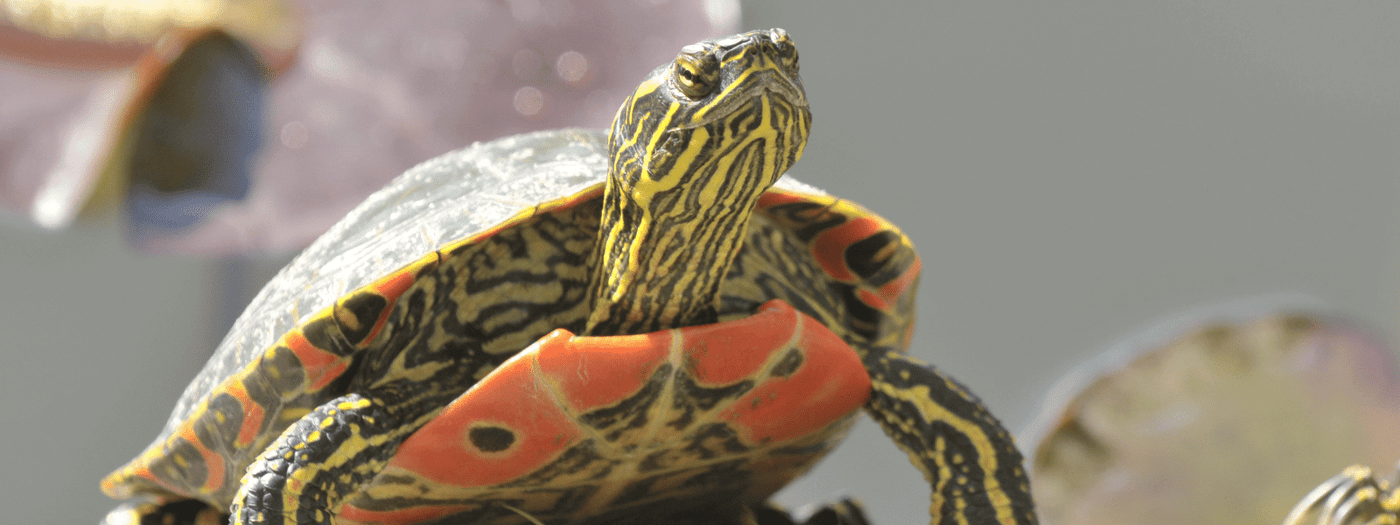
Credit: imperialreptiles.com
Handling And Interaction
Painted turtles can be friendly pets if handled correctly. Proper care helps keep them calm and healthy.
Learning how to handle and interact with your turtle makes your bond stronger. It also reduces stress for your pet.
Safe Handling Techniques
Always wash your hands before and after holding your painted turtle. This keeps both you and the turtle safe from germs.
Hold the turtle gently but firmly. Support its body with both hands to avoid dropping it.
- Use one hand under the shell and one hand on top
- Keep the turtle close to your body for extra support
- Do not grab the turtle by the legs or tail
- Limit handling time to avoid stressing your turtle
Building Trust With Your Turtle
Spend time near your turtle without picking it up. Let it get used to your presence.
Offer food by hand to help your turtle feel safe and comfortable. Be patient and calm during each interaction.
- Speak softly around your turtle
- Handle your turtle regularly but gently
- Avoid sudden movements or loud noises
- Watch for signs of stress, like hiding or biting
Seasonal Care Adjustments
Painted turtles need different care as the seasons change. Adjusting their environment helps keep them healthy. This guide covers key changes to make for temperature and hibernation.
Understanding these changes will help your turtle thrive throughout the year. Careful observation and simple steps can make a big difference.
Temperature Changes
Painted turtles are cold-blooded and depend on their environment to regulate body heat. You must adjust their habitat temperature with the seasons.
- Keep water temperature between 75°F and 85°F in warm months.
- Lower water temperature gradually to 65°F as fall arrives.
- Use a UVB light to provide heat and light during colder months.
- Ensure a warm basking spot around 85°F to 90°F.
- Avoid sudden temperature drops that can stress the turtle.
Hibernation Needs
Painted turtles hibernate in the wild when temperatures fall. Captive turtles also need a safe hibernation period to stay healthy.
| Hibernation Step | Details |
|---|---|
| Preparation | Reduce feeding 2 weeks before hibernation |
| Temperature | Keep between 40°F and 50°F during hibernation |
| Environment | Use moist soil or peat moss for burrowing |
| Duration | Hibernation lasts 2 to 3 months |
| Monitoring | Check turtle every few weeks for health signs |
Cleaning And Maintenance
Keeping your painted turtle’s environment clean is vital for its health. Regular maintenance ensures a safe habitat.
Let’s explore some effective cleaning and maintenance strategies for your turtle tank.
Tank Cleaning Tips
A clean tank prevents the buildup of harmful bacteria. Here are some tips for cleaning your turtle’s home.
- Remove uneaten food daily to prevent decay.
- Scrub the tank walls weekly to avoid algae buildup.
- Replace filters every month for optimal water quality.
- Use a siphon to clean the substrate and remove waste.
Water Changes Schedule
Regular water changes are crucial for your turtle’s health. Sticking to a schedule helps maintain water quality.
| Task | Frequency |
| Partial Water Change | Once a week |
| Full Water Change | Once a month |
| Filter Cleaning | Every two weeks |
Credit: imperialreptiles.com
Frequently Asked Questions
What Is The Ideal Habitat For A Painted Turtle?
Painted turtles thrive in freshwater ponds, lakes, or slow-moving rivers. Provide a tank with clean water, basking spots, and UVB lighting for their health.
How Often Should I Feed My Painted Turtle?
Feed juvenile turtles daily and adults every 2-3 days. Offer a balanced diet of commercial pellets, insects, and leafy greens to ensure proper nutrition.
What Temperature Is Best For Painted Turtles?
Maintain water temperature between 75-85°F and basking area at 85-90°F. Proper temperature supports digestion, activity, and overall well-being of painted turtles.
How Do I Keep Painted Turtle Water Clean?
Use a quality filtration system and change water regularly. Clean water prevents diseases and keeps your painted turtle healthy and active.
Conclusion
Caring for a painted turtle takes patience and simple steps. Provide clean water and a warm basking spot. Feed a balanced diet with fresh vegetables and protein. Watch your turtle’s health and behavior closely. Small changes make a big difference in their life.
Enjoy watching your painted turtle grow and stay happy. A healthy turtle is a joyful pet for years. Keep learning and caring with love and care.







