
Have you ever noticed a scratch on your car’s paint and felt a sinking feeling? Those little marks can quickly steal the shine from your vehicle and make it look older than it really is.
But what if you could understand exactly why these scratches happen and how to fix them before they get worse? You’ll discover simple tips and tricks to protect your car’s paint and keep it looking fresh. Keep reading to learn how to take control and make your car’s surface shine like new again.

Credit: www.amazon.ca
Types Of Car Paint Scratches
Car paint scratches come in different forms. Each type affects your car’s look in a unique way. It is important to know the difference.
Some scratches are easy to fix while others need professional help. Understanding these types helps you take care of your car better.
Surface Scratches
Surface scratches are the lightest kind. They only affect the top layer of paint. These scratches do not go deep and are often caused by dust or small debris.
- Usually appear as fine lines
- Can be removed with polish or rubbing compound
- Do not expose the metal underneath
- Common after car washes or light contact
Clear Coat Scratches
Clear coat scratches damage the protective layer over the paint. This layer keeps your paint shiny and safe from the sun. Scratches here look dull and rough.
| Damage Level | Appearance | Repair Method |
| Shallow | Light dull marks | Polishing or buffing |
| Moderate | Visible white or cloudy lines | Clear coat touch-up or spray |
| Severe | Deep dull scratches | Professional repainting |
Deep Scratches
Deep scratches cut through the paint layers. They reach the metal or plastic parts of your car. These scratches can cause rust if left untreated.
Here is what you should do for deep scratches:
- Clean the area well
- Apply primer if metal is visible
- Use matching paint for touch-up
- Finish with clear coat for protection
- Consider professional repair for large damage
Tools And Materials Needed
Fixing car paint scratches requires some basic tools and materials. These help you get a smooth and clean finish.
Using the right products makes the repair easier and protects your car’s paint.
Scratch Removal Kits
Scratch removal kits include several items to fix light scratches. They are good for small damage on the paint.
Kits usually have compounds, applicators, and instructions to guide you step by step.
- Rubbing compound for smoothing scratches
- Polishing pads or applicators
- Cleaning solution to prepare the area
- Instructions for safe use
Polishing Compounds
Polishing compounds help remove fine scratches and restore shine. They work by gently rubbing the surface.
Use a polishing compound after cleaning the scratch to smooth out the paint.
- Choose the right grit for your scratch depth
- Apply with a soft cloth or machine polisher
- Wipe off excess with a clean cloth
Touch-up Paint
Touch-up paint matches your car’s color to cover deep scratches or chips. It fills in the damaged area.
Find the exact color code for your car before buying touch-up paint. This ensures a good match.
- Use a fine brush or pen applicator
- Apply thin layers and let dry between coats
- Finish with clear coat for shine and protection
Microfiber Cloths
Microfiber cloths are soft and gentle on car paint. They help apply products and clean the surface.
Use microfiber cloths to avoid adding new scratches while working on paint repairs.
- Use separate cloths for cleaning and polishing
- Wash cloths regularly to keep them clean
- Do not use fabric softener on microfiber cloths
Preparing Your Car For Repair
Fixing car paint scratches starts with good preparation. Taking care of your car first helps the repair last longer.
Clean the area well and check how deep the scratch is. Protect the paint around the scratch before you begin.
Cleaning The Affected Area
Wash the scratched area with soap and water. Remove all dirt, grease, and dust carefully.
Dry the area using a clean, soft cloth. A clean surface helps the repair materials stick better.
Assessing Scratch Depth
Look closely at the scratch to see how deep it goes. Light scratches only affect the clear coat.
Deeper scratches reach the paint or even the metal. Knowing depth helps you choose the right repair method.
- Clear coat scratch: repair with polish or scratch remover
- Paint scratch: may need touch-up paint
- Metal scratch: might require professional repair
Protecting Surrounding Paint
Use painter’s tape to cover paint near the scratch. This stops accidental damage during repair.
Cover large areas with plastic or paper sheets. Keep the repair neat and avoid making new scratches.

Credit: www.amazon.ca
Fixing Surface Scratches
Surface scratches on car paint are common but can be fixed with simple tools. You do not need to repaint the whole area. A careful approach helps to restore the shine.
This guide covers two useful methods: using polishing compounds and buffing techniques. Both can improve the look of your car’s paint.
Using Polishing Compounds
Polishing compounds remove light scratches by smoothing the paint surface. Choose the right compound based on the scratch depth.
- Clean the area before applying the compound.
- Apply a small amount of compound to a soft cloth.
- Rub gently in a circular motion over the scratch.
- Wipe off excess with a clean microfiber cloth.
- Repeat if necessary, but avoid over-polishing.
Buffing Techniques
Buffing helps to even out the paint surface and restore gloss. Use a buffer with the correct pad for best results.
| Type of Pad | Use For | Speed Setting |
| Foam | Light scratches and polishing | Low to medium |
| Wool | Deeper scratches and heavy oxidation | Medium to high |
| Microfiber | Final finishing and gloss | Low |
Repairing Clear Coat Scratches
Clear coat scratches on cars affect the paint’s shine and protection. Fixing them soon keeps your car looking good.
This guide shows how to repair these scratches using simple steps. You will learn about applying scratch remover and sanding.
Applying Scratch Remover
Scratch remover helps erase light clear coat scratches. It works by smoothing the surface and blending the scratch with the paint.
- Clean the scratched area with soap and water.
- Dry it completely with a soft cloth.
- Apply a small amount of scratch remover to a microfiber cloth.
- Rub the remover gently over the scratch in circular motions.
- Keep rubbing until the scratch fades.
- Wipe off any extra remover with a clean cloth.
Sanding And Polishing
For deeper scratches, sanding and polishing restore the clear coat. Sanding removes damaged layers, while polishing adds shine.
| Tool | Purpose |
| Fine grit sandpaper (2000-3000) | Lightly smooth the scratch area |
| Polishing compound | Restore gloss after sanding |
| Microfiber cloth | Apply compound and clean surface |
Use wet sandpaper and sand gently in one direction. After sanding, clean the area and apply polishing compound. Buff until the surface shines.
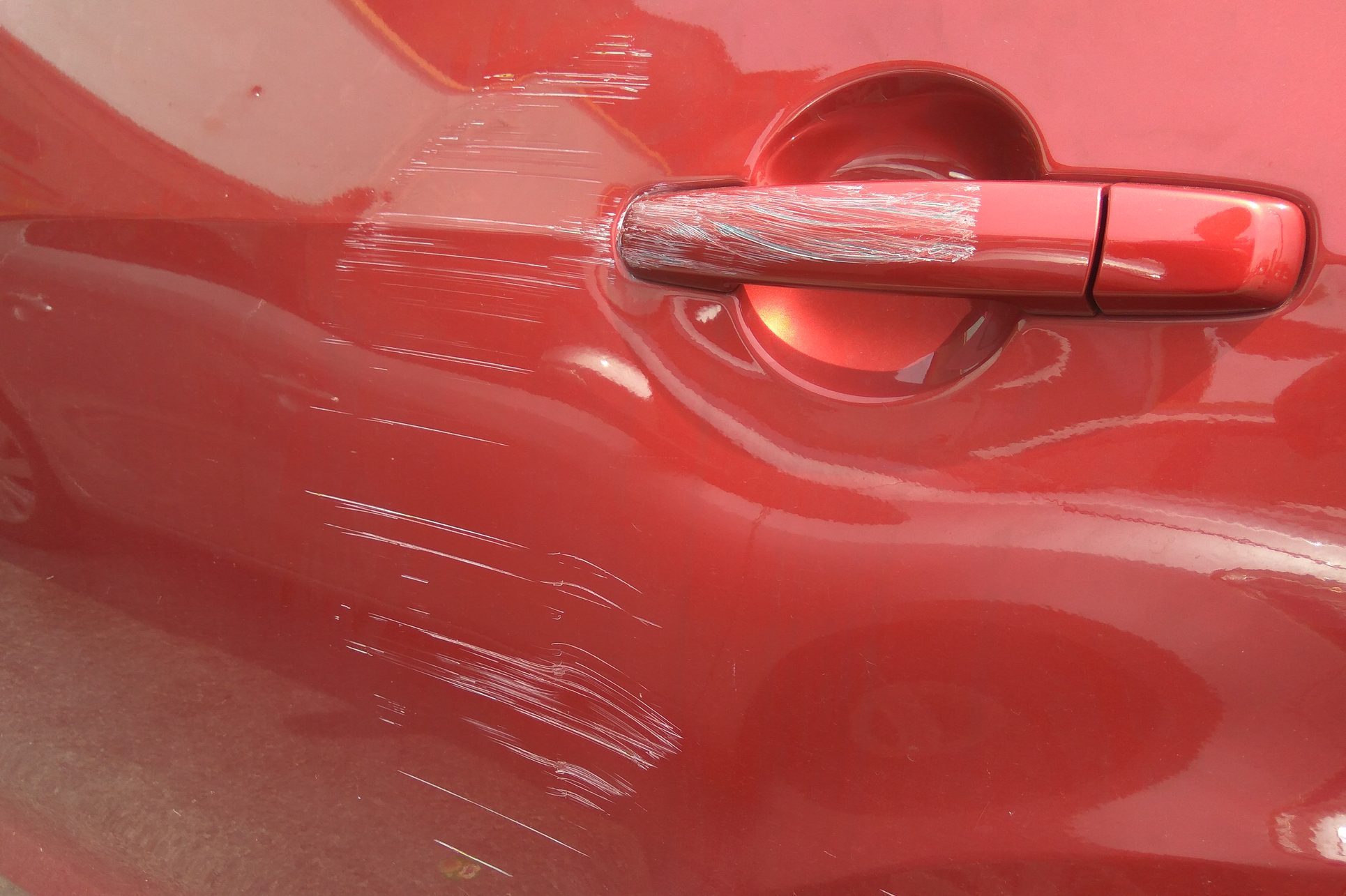
Credit: www.familyhandyman.com
Handling Deep Paint Scratches
Deep paint scratches on your car can be frustrating. But with the right approach, you can fix them at home.
This guide will help you understand how to use touch-up paint, blend layers, and seal with a clear coat.
Using Touch-up Paint
Touch-up paint is essential for fixing deep scratches. It helps restore the color and protects the metal underneath.
- Clean the scratched area thoroughly.
- Use a brush to apply the touch-up paint.
- Allow the paint to dry completely.
Layering And Blending
Layering and blending make the repair look natural. This step ensures the new paint matches the original finish.
Sealing With Clear Coat
Applying a clear coat is the final step. It protects the new paint and gives it a shiny finish.
| Step | Description |
| Apply Clear Coat | Use a spray or brush for even coverage. |
| Dry Time | Let it dry for 24 hours. |
| Polish | Buff the area for a glossy look. |
Preventing Future Scratches
Car paint scratches are annoying. They lower your car’s value and look bad. Preventing them is better than fixing them.
Simple habits can keep your car’s paint looking new. Follow these tips to avoid future scratches.
Regular Washing And Waxing
Wash your car often to remove dirt and grit. These can cause scratches if left too long. Use a soft cloth or sponge.
Wax adds a protective layer to your car’s paint. It can stop small scratches and keep your car shiny.
- Wash your car every two weeks
- Wax your car every three months
- Use gentle cleaning products
Using Car Covers
Car covers protect your paint from dust and debris. They are useful if you park outside often.
Make sure the cover fits your car well. A loose cover can cause scratches if it moves in the wind.
- Choose a soft, breathable cover
- Secure the cover tightly
- Use the cover when parked for long periods
Safe Parking Tips
Where you park matters. Avoid parking close to other cars. This reduces the risk of door dings and scratches.
Look for parking spots with more space. Covered parking is best to shield from weather.
- Park away from shopping carts
- Choose spots with fewer cars nearby
- Use garages when possible
When To Seek Professional Help
Car paint scratches can be annoying and hurt your car’s look. Some scratches you can fix yourself.
Other scratches need a professional’s skill to fix them right. Knowing when to get help saves time and money.
Severe Damage
Deep scratches that reach the metal need expert care. These can cause rust if not fixed quickly.
Professionals have tools to repair deep damage and protect your car from more problems.
Color Matching Challenges
Matching paint color is hard for most car owners. Small differences can make the repair visible.
Experts use special equipment to match colors exactly. This keeps your car looking smooth and new.
Warranty Considerations
Fixing scratches yourself may void your car’s paint warranty. Some repairs need to be done by pros.
Check your warranty rules before fixing. Professionals know how to keep your warranty valid.
Frequently Asked Questions
What Causes Car Paint Scratches?
Car paint scratches often result from keys, branches, or improper washing. Environmental factors like sand and dust also contribute. Understanding these causes helps prevent damage and maintain your car’s appearance.
Can Minor Car Paint Scratches Be Fixed At Home?
Yes, minor scratches can be fixed at home using scratch removers or polishing kits. These products fill or smooth out scratches. However, deep scratches may require professional repair for best results.
How To Prevent Car Paint Scratches Effectively?
Prevent scratches by regularly washing and waxing your car. Use soft cloths and avoid abrasive materials. Parking away from crowded areas also reduces the risk of accidental damage.
When Should You Seek Professional Car Paint Repair?
Seek professional help if scratches are deep or cover large areas. Experts can restore paint layers and prevent rust. Professional repair ensures long-lasting protection and a flawless finish.
Conclusion
Car paint scratches can affect your car’s look and value. Small scratches are often easy to fix at home. Deep scratches may need professional help to avoid rust. Regular cleaning and waxing protect your car’s paint. Act quickly to stop damage from getting worse.
Taking care of your car keeps it looking fresh longer. A smooth finish makes driving more enjoyable. Keep your car’s paint strong with simple care steps.







