
Have you noticed a scuff on your car’s paint and wondered how to fix it quickly? Scuffs can be frustrating—they catch your eye and make your car look less shiny and new.
But don’t worry, removing a scuff doesn’t have to be hard or expensive. You’ll discover simple, effective steps to restore your car’s paint and make it look great again. Keep reading, and you’ll learn how to bring back that smooth, flawless finish you love.
Identify The Scuff Type
Removing a scuff on car paint starts with knowing its type. Different scuffs need different care.
Check if the scuff is light or deep before you try to fix it. This helps you choose the right tools.
Surface Vs Deep Scuffs
Surface scuffs only affect the clear coat on your car’s paint. They feel smooth if you run your finger over them.
Deep scuffs go beyond the clear coat. They may show the color or primer layers and feel rough or raised.
- Surface scuff: light, on clear coat only
- Deep scuff: cuts into paint layers or primer
- Surface scuffs can often be buffed out
- Deep scuffs might need touch-up paint
Tools For Inspection
Use simple tools to check the scuff type. Good lighting helps you see the damage clearly.
A magnifying glass can show small scratches. A soft cloth helps you feel the surface for roughness.
- Bright flashlight or natural sunlight
- Magnifying glass for close inspection
- Soft cloth to touch and feel the scuff
- Water spray to clean the area for better view

Credit: www.amazon.ca
Gather Necessary Supplies
Removing a scuff from car paint needs the right tools. Using the correct supplies helps protect your car’s finish.
Gather all materials before you start. This makes the process smoother and faster.
Cleaning Materials
Cleaning the area is important before fixing the scuff. Dirt can make scratches worse or block the polish.
You need gentle cleaners that do not harm paint. Use soap made for cars and clean water.
- Car wash soap
- Bucket of clean water
- Soft sponge or wash mitt
- Microfiber towels for drying
Polishing Compounds
Polishing compounds help remove scuffs by smoothing the paint surface. Choose a mild polish for light marks.
Use a compound made for car paint. Avoid strong abrasives that can damage your finish.
- Light polishing compound
- Scratch remover paste
- Paint-safe rubbing compound
Applicators And Cloths
Use the right tools to apply polish and clean the paint. Soft applicators and cloths prevent new scratches.
Choose microfiber cloths and foam pads. These materials hold polish well and are gentle on paint.
- Foam polishing pads
- Soft microfiber cloths
- Applicator sponges
- Lint-free towels
Clean The Affected Area
Removing a scuff on car paint starts with cleaning the affected area. Dirt and debris can cause more damage if left on the surface.
Proper cleaning prepares the paint for repair and helps achieve better results.
Washing Off Dirt And Debris
Use clean water and a gentle car wash soap to remove loose dirt. Avoid harsh chemicals that can harm the paint.
- Rinse the area with water to remove loose particles
- Apply car wash soap with a soft sponge or microfiber cloth
- Gently scrub the scuffed area and surroundings
- Rinse thoroughly to remove all soap residue
- Check for any remaining dirt and repeat if needed
Drying Techniques
Dry the cleaned area carefully to avoid water spots and streaks. Use soft materials to protect the paint.
| Drying Method | Description | Tips |
|---|---|---|
| Microfiber Towel | Soft towel that absorbs water without scratching | Pat dry instead of rubbing |
| Air Dry | Let the car air dry naturally | Use on a shaded area to prevent spots |
| Blower | Blow air to remove water from crevices | Use cool air to avoid paint damage |
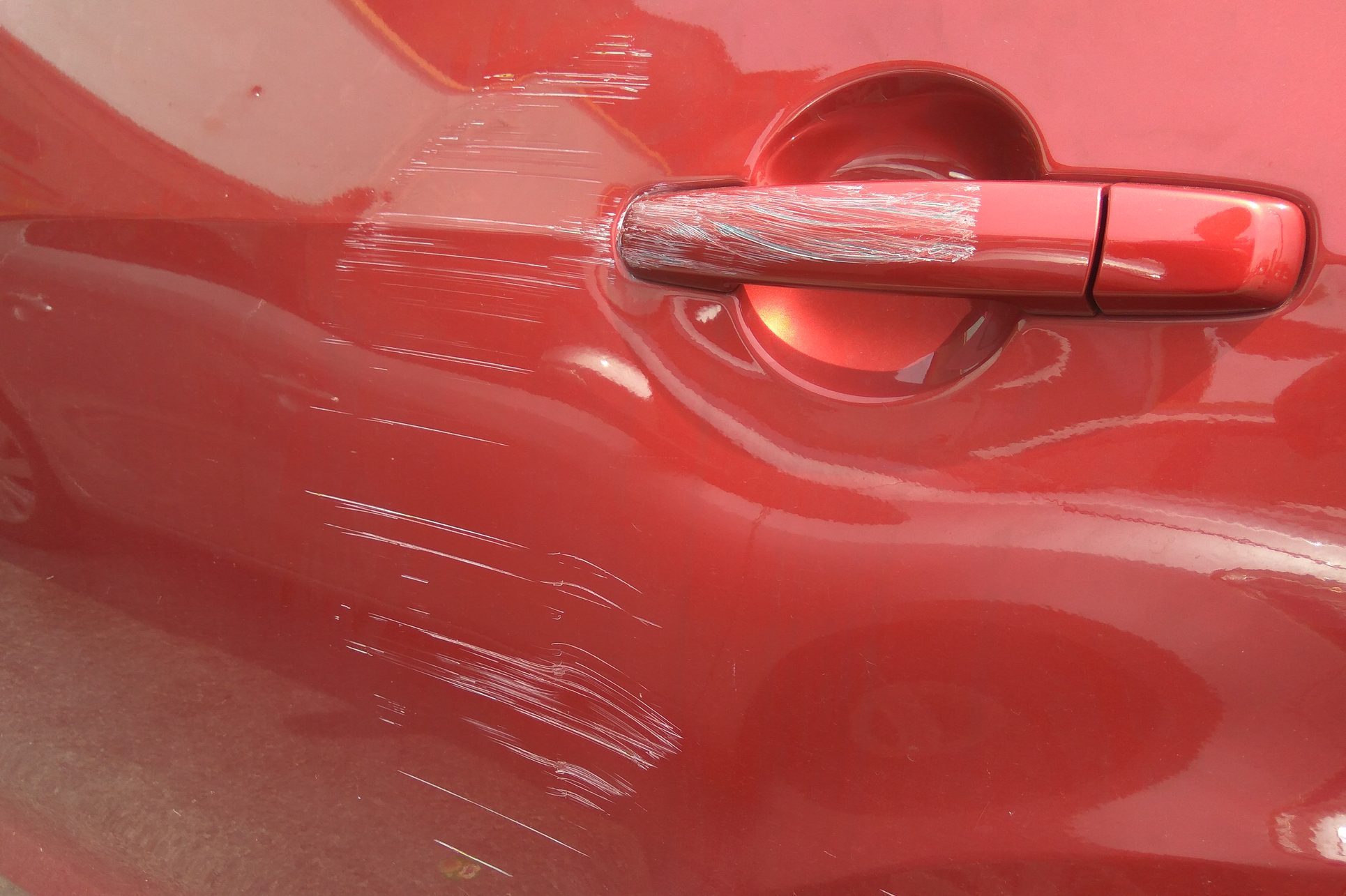
Credit: www.familyhandyman.com
Apply A Scratch Remover
Removing scuffs from car paint can restore your vehicle’s look quickly. Using a scratch remover helps reduce marks and scratches.
It is important to pick the right product and apply it correctly. This will protect your car’s finish and improve results.
Choosing The Right Product
Pick a scratch remover made for your car’s paint type. Some products work better on clear coats, while others suit single-stage paints.
- Check product labels for paint compatibility
- Choose a remover with fine abrasives for light scuffs
- Consider a remover with polishing agents for deeper scratches
- Read user reviews to ensure effectiveness
- Avoid harsh chemicals that may damage paint
Proper Application Method
Applying scratch remover carefully gives the best results and protects your car paint.
| Step | Action |
| 1 | Clean the area with soap and water |
| 2 | Dry the spot completely |
| 3 | Apply a small amount of scratch remover on a soft cloth |
| 4 | Rub gently in circular motions over the scuff |
| 5 | Buff the area with a clean microfiber cloth |
| 6 | Repeat if necessary, but avoid over-rubbing |
Polish The Paint Surface
Removing a scuff from your car’s paint needs care and patience. Polishing the paint surface helps restore the shine.
This process smooths out the damaged area and blends it with the rest of the paint.
Using A Polishing Compound
Choose a polishing compound made for car paint. It has tiny abrasives to remove scuffs gently.
Apply a small amount to a soft cloth or pad. Rub it on the scuffed area with light pressure in circles.
- Work in small sections to avoid drying out
- Do not press too hard to protect the paint
- Wipe off excess compound with a clean cloth
Buffing Tips For Shine
Buffing helps bring out the shine after polishing. Use a clean microfiber cloth or a soft buffing pad.
Buff the area with gentle, circular motions. Keep moving to avoid heat build-up that can damage paint.
- Buff until the surface looks smooth and shiny
- Use light to medium pressure for best results
- Check your work in good light for even shine
Protect The Repaired Area
After removing a scuff on your car, it’s important to protect the repaired area. This helps maintain the car’s appearance and prevents further damage.
Protection is key to ensuring the longevity of the repair. Simple steps can keep your car looking great.
Waxing For Longevity
Waxing adds a protective layer to your car’s paint. It shields against dirt and UV rays.
Apply wax every three months. Use a soft cloth to avoid scratches.
- Choose a high-quality car wax
- Wax the car in a shaded area
- Follow the product instructions
Regular Maintenance Practices
Regular maintenance keeps the repaired area in top condition. Simple habits prevent new scuffs.
Wash your car weekly to remove dirt. Use gentle cleaning products.
- Inspect the repaired area monthly
- Address new scratches promptly
- Park in safe, covered areas
When To Seek Professional Help
Scuffs on car paint can sometimes be fixed at home. But not all marks are easy to remove. It’s important to know when to ask for help.
Professional service might be needed if the damage is deep. Let’s look at signs of deep damage and cost considerations.
Deep Damage Indicators
Deep damage goes beyond surface marks. If the scuff shows primer or metal, it might be deep.
Check if the scuff feels rough or uneven. This can mean the damage is serious.
- Visible primer or metal
- Rough or uneven surface
- Color change in the paint
Cost Vs Diy Considerations
Fixing scuffs yourself can save money. But deep damage might need a professional touch.
Compare the cost of DIY kits with repair shop prices. Think about the time and effort required.
- DIY kits are cheaper but need skill
- Professional help ensures quality work
- Consider time and effort for DIY
Credit: www.cardekho.com
Frequently Asked Questions
How Can I Remove Scuff Marks From Car Paint?
To remove scuff marks, clean the area first. Use a mild rubbing compound or a specialized car scratch remover. Apply gently with a microfiber cloth and buff in circular motions. Finish by waxing to protect the paint.
Are Home Remedies Effective For Car Paint Scuffs?
Home remedies like toothpaste or baking soda can help with light scuffs. However, they might not be as effective on deeper marks. For best results, use products designed for automotive paint care to avoid damage and restore shine safely.
Can I Remove Scuffs Without Professional Help?
Yes, many scuffs can be removed at home with the right products. Use a gentle rubbing compound and microfiber cloth. Follow instructions carefully. For severe damage, professional help ensures proper repair and prevents paint damage.
What Causes Scuff Marks On Car Paint?
Scuff marks usually result from minor collisions, scraping against objects, or contact with abrasive materials. They damage the clear coat but often don’t penetrate the paint deeply, making them removable with proper care.
Conclusion
Removing scuffs from car paint can be simple with the right steps. Clean the area gently and use suitable products carefully. Small scratches often disappear with patience and proper care. Regular maintenance helps keep your car’s paint fresh and smooth.
Taking time to fix scuffs prevents bigger problems later. A little effort goes a long way in preserving your car’s look. Try these tips to keep your vehicle shining and neat every day. Easy and quick fixes make a visible difference.







