
Have you noticed those annoying paint scratches on your car and wondered how to fix them quickly? Scratches can make your car look older and less cared for, but the good news is you don’t have to live with them.
You’ll discover simple, effective ways to remove paint scratches and restore your car’s shine. Whether it’s a tiny mark or a deeper scratch, you’ll learn easy steps to bring back that smooth, flawless finish. Keep reading—your car deserves to look its best again.
Assessing The Damage
Before fixing paint scratches on your car, you need to check the damage carefully. This helps you know what tools and steps you will need.
Not all scratches are the same. Some are light and easy to fix, while others may need more work or a professional touch.
Types Of Paint Scratches
Car paint scratches come in different types. Each type affects how you should repair the damage.
- Clear coat scratches:These are light scratches on the top layer of paint. They often look like small lines or swirl marks.
- Paint scratches:These go through the clear coat and reach the colored paint layer. They are deeper and more visible.
- Primer scratches:These scratches go past the paint layer and expose the primer under the paint.
- Deep scratches:These reach the metal of the car body. They usually cause rust if not fixed quickly.
Determining Scratch Depth
To fix scratches well, you need to find out how deep they are. The depth tells you what kind of repair is needed.
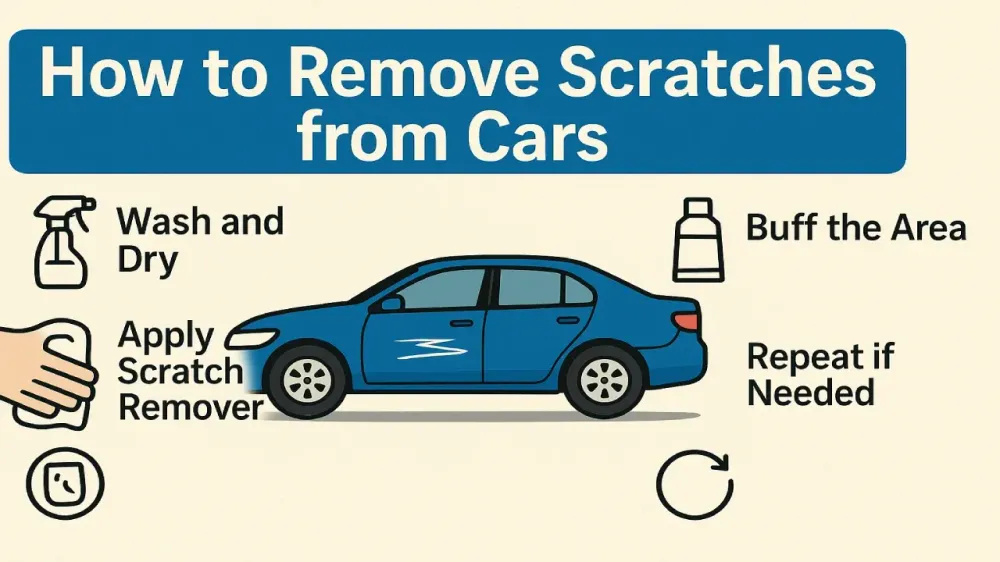
Use your fingernail to check the scratch. If your nail catches, it is deeper than the clear coat. If it does not catch, it is a light surface scratch.
- Light scratches only affect the clear coat.
- Medium scratches reach the paint layer.
- Deep scratches expose the primer or metal.
Credit: parkplus.io
Gathering Necessary Tools
Removing paint scratches from a car needs the right tools. Having these supplies ready helps you work quickly and safely.
This guide covers the tools you need and how to choose the best products for scratch removal.
Essential Supplies
You need a few key items before starting to fix paint scratches. These supplies help clean, polish, and protect your car’s surface.
- Microfiber cloths to avoid new scratches
- Car wash soap to clean the area
- Scratch remover or rubbing compound
- Polishing pads or applicator sponges
- Wax or sealant to protect the paint after repair
Choosing The Right Products
Pick products made for car paint. Check product labels and reviews to match your car’s paint type and scratch depth.
| Product Type | Use | Notes |
| Rubbing Compound | Removes deep scratches | Abrasive; use sparingly |
| Scratch Remover | Fixes light scratches | Less abrasive, polish finish |
| Polish | Restores shine | Use after scratch removal |
| Wax/Sealant | Protects paint | Apply last for protection |
Preparing The Car Surface
Removing paint scratches from your car begins with properly preparing the surface. This step helps ensure the repair products work well and the finish looks smooth.
Cleaning and inspecting the area carefully will prevent dirt or damage from affecting the repair. Follow these simple steps to get ready.
Cleaning The Affected Area
Start by washing the scratched area with mild soap and water. This removes dirt and grease that can block repair products from sticking.
- Use a soft sponge or cloth to clean gently.
- Avoid harsh chemicals that may damage the paint.
- Rinse thoroughly with clean water.
- Remove all soap residue to prevent streaks.
Drying And Inspecting
Dry the cleaned area completely before moving on. Use a microfiber towel to avoid scratching the surface further.
| Inspection Point | What to Check |
|---|---|
| Scratch Depth | Is the scratch superficial or deep? |
| Surrounding Paint | Look for peeling or bubbling paint. |
| Surface Cleanliness | No dust or moisture should remain. |
| Additional Damage | Check for dents or chips nearby. |

Credit: www.youtube.com
Diy Scratch Removal Techniques
Car scratches can be annoying. You can fix them yourself with simple methods. These techniques are easy and require common household items.
Learn how to remove paint scratches using items like toothpaste and scratch removers. These steps will make your car look new again.
Using Toothpaste For Light Scratches
Toothpaste can help with light scratches. It works like a gentle sanding tool. You need a non-gel toothpaste for this method.
Apply a small amount on a damp cloth. Rub it on the scratch in a circular motion. Wipe it clean with a wet cloth and see the result.
Applying Scratch Remover Compounds
Scratch remover compounds are available in stores. They are designed for deeper scratches. You can use them easily at home.
Apply the compound on a soft cloth. Gently rub it into the scratch. Follow the instructions on the product for best results.
Polishing With A Microfiber Cloth
Polishing with a microfiber cloth can make scratches less visible. It helps in smoothing the paint surface. This step is easy and quick.
Use a clean microfiber cloth. Rub it on the scratched area in small circles. This technique adds shine and reduces scratch appearance.
Dealing With Deeper Scratches
Deeper paint scratches on your car need more care than light scratches. These scratches may reach the base coat or metal, causing rust or damage. Fixing them quickly helps keep your car safe and looking good.
Using the right materials and methods is important. This guide covers how to use touch-up paint and apply a clear coat for protection. Follow these steps to restore your car’s paint and prevent further harm.
Using Touch-up Paint
Touch-up paint fills in scratches and matches your car’s color. It helps cover the damaged area and stops rust from forming. Use paint designed for your car’s make and color code.
- Clean the scratched area with soap and water, then dry it well.
- Lightly sand the scratch with fine-grit sandpaper to smooth edges.
- Shake the touch-up paint bottle to mix the paint.
- Apply paint carefully with a small brush or pen, staying inside the scratch.
- Let the paint dry completely, usually several hours.
- Repeat paint layers if needed to fill the scratch fully.
Applying Clear Coat For Protection
After the touch-up paint dries, a clear coat protects the repair and blends it with the car’s finish. The clear coat adds shine and guards against weather and dirt.
| Clear Coat Application Tips | Reason |
|---|---|
| Use a fine brush or spray for even coverage | Prevents drips and uneven texture |
| Apply thin layers, letting each dry before the next | Builds smooth and strong protection |
| Avoid touching the area until fully dry | Prevents smudges and damage |
| Use a polishing compound after drying | Improves shine and blends edges |
Finishing Touches
After fixing paint scratches on your car, finishing touches make it look new. These steps will enhance the shine and protect the surface.
Attention to detail in the final stages ensures a polished and professional appearance.
Waxing The Repaired Area
Waxing adds a protective layer and shine to the repaired area. It helps seal the paint and guards against environmental damage.
- Choose a high-quality car wax suitable for your car’s paint.
- Apply a small amount of wax to a soft cloth.
- Gently rub the wax onto the repaired area in circular motions.
- Let the wax dry to a haze.
- Buff the area with a clean, dry cloth to reveal a shiny finish.
Buffing For A Smooth Finish
Buffing smooths out any imperfections left after waxing. It enhances the overall appearance and feel of the paint surface.
For best results, use a dual-action buffer:
- Attach a clean buffing pad to the buffer.
- Set the buffer to a low speed.
- Move the buffer in overlapping motions across the surface.
- Check the finish frequently to avoid over-buffing.
Preventing Future Scratches
Keeping your car’s paint free from scratches takes effort. Small habits can protect your car’s surface.
Use good care and smart choices to keep your car looking new for longer.
Regular Maintenance Tips
Wash your car often to remove dirt and grime. Dirt can cause scratches if left on the paint.
Use soft cloths or sponges when cleaning. Avoid hard brushes that can damage the paint.
- Rinse your car before washing to remove loose dirt
- Use car wash soap instead of household cleaners
- Dry your car with a microfiber towel to avoid swirl marks
- Clean your car in the shade to prevent soap spots
Protective Measures
Apply wax or paint sealant regularly. These coatings protect the paint from scratches and dirt.
Park your car in safe places away from tight spots and busy areas. This lowers the risk of accidental scratches.
- Use a car cover if parking outside for long periods
- Avoid parking too close to other cars or objects
- Consider clear paint protection film for vulnerable areas
- Be careful with keys, bags, and other objects near your car
Credit: www.cardekho.com
Frequently Asked Questions
How Can I Remove Light Paint Scratches From My Car?
Use a scratch remover or polishing compound with a microfiber cloth. Rub gently in circular motions until the scratch fades. Clean the area afterward to restore shine.
What Products Work Best For Car Paint Scratch Repair?
Scratch removers, rubbing compounds, and touch-up paint kits work well. Choose products matching your car’s paint type and color for best results.
Can Diy Methods Fix Deep Paint Scratches On Cars?
DIY methods may help with minor scratches, but deep ones often need professional repair. Professionals can properly sand, fill, and repaint the damaged area.
How Long Does It Take To Remove Paint Scratches?
Light scratch removal usually takes 10 to 30 minutes. More extensive repairs may require several hours or multiple sessions for proper results.
Conclusion
Removing paint scratches from a car is easier than it seems. Small scratches often disappear with simple tools and products. Clean the area first to see the damage clearly. Use gentle methods to avoid making scratches worse. Patience helps—work slowly and carefully.
Regular care keeps your car’s paint looking fresh. A little effort saves money and keeps your car nice. Try these tips and enjoy a smoother, cleaner finish. Your car deserves that extra care.







