
Your cover letter can be the key that opens the door to your dream career. It’s more than just a formality—it’s your chance to show who you are beyond your resume.
But how do you make sure your cover letter stands out? How do you connect with hiring managers and make them want to learn more about you? You’ll discover simple yet powerful strategies to craft a cover letter that grabs attention and boosts your chances of landing the job you want.
Keep reading to unlock the secrets that could change your career path forever.
Crafting A Powerful Cover Letter
A cover letter is your first chance to make a good impression. It should show why you fit the job and what you bring to the table.
Writing a clear and focused cover letter helps you stand out. Use simple language and keep your message strong.
Tailoring Content To The Job
Match your cover letter to the job description. Show you understand the role and the company’s needs.
- Use keywords from the job ad
- Highlight skills the employer wants
- Explain how your experience fits the role
- Focus on what matters most to the employer
Showcasing Your Unique Value
Show what makes you different and better than other candidates. Give clear examples of your achievements.
| Strength | Example |
| Problem Solving | Led a project that saved 20% costs |
| Teamwork | Collaborated on a team that launched a product |
| Communication | Presented ideas to senior management |
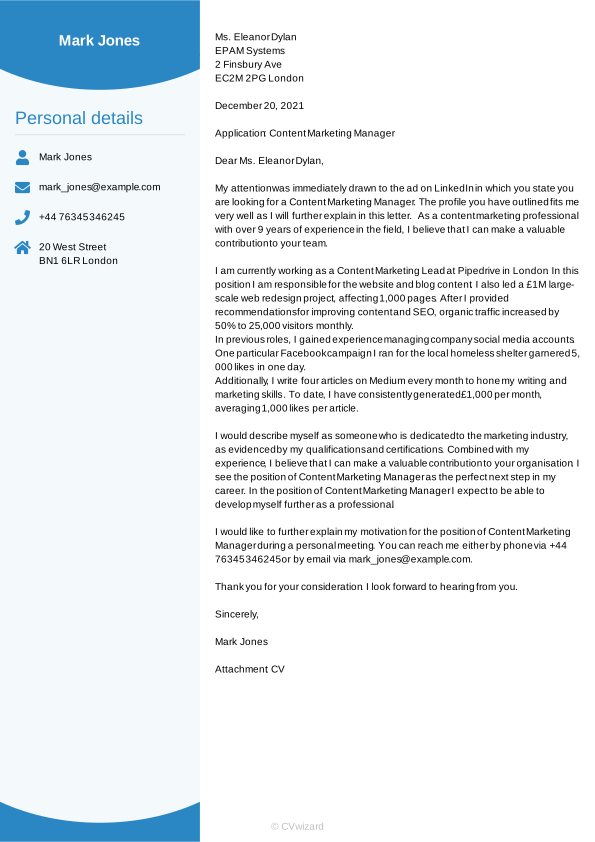
Using A Professional Tone
Keep your tone polite and respectful. Avoid slang or casual phrases. Write clearly and simply.
Tips for a professional tone:
- Use formal greetings like “Dear Hiring Manager”
- Keep sentences short and clear
- Check spelling and grammar carefully
- End with a polite closing, such as “Sincerely”
Credit: www.cvwizard.com
Common Mistakes To Avoid
A well-written cover letter can help you get noticed by employers. Avoid common mistakes that make your letter weak. Fixing these errors improves your chances.
Below are some frequent errors people make when writing cover letters. Learn what to watch out for and how to write better letters.
Overusing Clichés
Clichés make your cover letter sound boring and unoriginal. Phrases like “hard worker” or “team player” are too common. Use specific examples instead.
- Avoid phrases that everyone uses
- Show your skills with real examples
- Use fresh and clear language
- Focus on what makes you unique
Ignoring Instructions
Employers often give clear instructions for cover letters. Ignoring them can hurt your chances. Always read and follow every detail.
| Common Instruction | What to Do |
| Include salary expectations | Mention your salary needs clearly |
| Attach cover letter separately | Send it as a separate file |
| Answer specific questions | Address all questions in your letter |
| Use a particular format | Follow the required format exactly |
Making It Too Long
Long cover letters lose readers’ interest. Keep your letter short and clear. Focus on the most important points.
Tips to keep your cover letter brief:
- Limit to one page
- Use short sentences
- Remove unnecessary details
- Highlight key achievements only
- Use bullet points for clarity
Formatting Tips For Impact
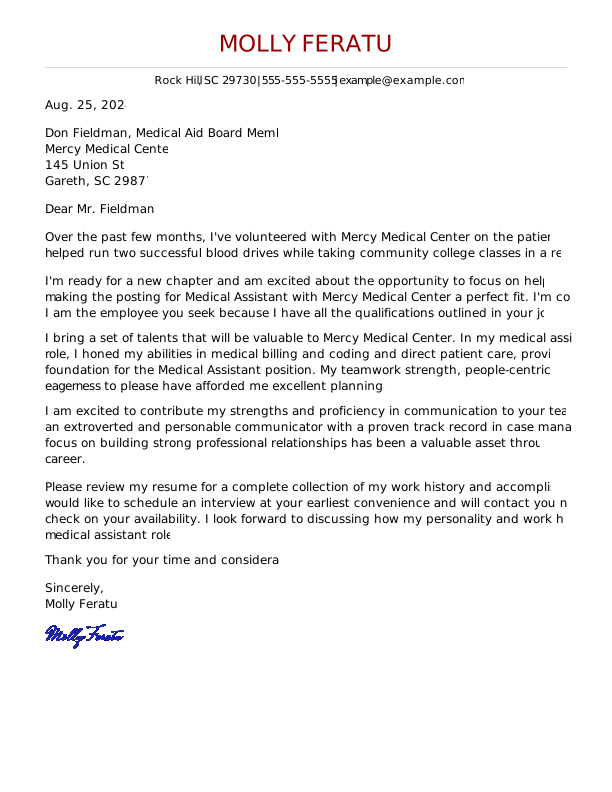
A well-formatted cover letter catches the reader’s eye. It helps your message stand out clearly. Good formatting shows professionalism and care.
This guide shares simple tips to make your cover letter easy to read and visually appealing. Focus on layout, spacing, fonts, and sizes.
Choosing The Right Layout
Select a clean layout that guides the reader through your letter. Use clear sections for introduction, main points, and closing. Avoid cluttered designs.
- Use left alignment for easy reading
- Keep margins even on all sides
- Limit your letter to one page
- Separate paragraphs with space
- Use bullet points for key skills or achievements
Balancing Text And White Space
White space makes your letter less crowded and more inviting. It helps the reader focus on your words. Avoid filling every inch with text.
| Tip | Effect |
| Use 1-inch margins | Creates frame around text |
| Space between paragraphs | Improves readability |
| Avoid long paragraphs | Keeps reader engaged |
| Use bullet points | Breaks up large text blocks |
Using Clear Fonts And Sizes
Choose simple fonts that look professional. Use font sizes that are easy to read on screen and paper. Avoid styles that distract from your message.
- Use fonts like Arial, Calibri, or Times New Roman
- Set font size between 10 and 12 points
- Keep consistent font style throughout
- Avoid using all caps or italics too much
- Use bold only for headings or important points
Credit: www.resume-now.com
Highlighting Key Skills
A strong cover letter shows your key skills clearly. It helps employers see why you fit the job.
Focus on matching your skills with the job needs. Show your achievements and use the right keywords.
Matching Skills To Job Description
Read the job description carefully. Pick the skills the employer wants. Match them with your own skills.
- Identify key skills listed in the job ad
- Use the same words to describe your skills
- Focus on skills that relate to the job tasks
- Show how you use these skills in your work
Demonstrating Achievements
Show your past successes with numbers or facts. This proves your skills and effort.
| Achievement | Result | Skill Used |
| Increased sales by 20% | Boosted company revenue | Sales and marketing |
| Led a team of 5 | Completed project early | Leadership and planning |
| Improved website speed | Better user experience | Technical skills |
Incorporating Keywords
Use keywords from the job post in your cover letter. It helps your letter pass computer scans.
Keywords to include:
- Teamwork
- Problem-solving
- Project management
- Communication
- Customer service
Personalizing Your Approach
Writing a cover letter can help you stand out. Personalizing your approach makes it unique. It’s important to tailor your letter to the job and company.
When you take the time to personalize your cover letter, it shows you care. It can make a difference in getting noticed by employers.
Researching The Employer
Learn about the company before writing your cover letter. Visit their website and read about their mission and values. Look for news articles or press releases.
Understand what they do and what they stand for. This helps you connect your skills and experiences to their needs.
- Check their social media profiles for updates
- Find reviews or testimonials about the company
- Research the industry they operate in
Addressing The Hiring Manager
Find out who will read your cover letter. Addressing the hiring manager by name adds a personal touch. It shows you took time to find out who they are.
If you can’t find a name, use a polite and professional greeting. Avoid using generic terms like “To whom it may concern.”
- Look for the hiring manager’s name on the company website
- Check LinkedIn for company employees
- Call the company to ask for the name
Adding A Personal Touch
Share a story or experience that relates to the job. This makes your letter memorable. It helps the employer see your passion and commitment.
Your story should be short and relevant. It should highlight how you can benefit the company.
Example:“I led a team project at school that improved our efficiency by 30%. This experience taught me teamwork and problem-solving, skills I can bring to your company.”
Leveraging Cover Letters In Career Growth
Cover letters help you share your story beyond your resume. They show your interest and skills clearly.
Using cover letters well can open doors to new job chances and career growth.
Using Letters To Network
Cover letters can be a tool to build professional connections. They introduce you to people and explain why you want to connect.
- Start with a clear reason for writing.
- Show how you learned about the person or company.
- Explain what you offer and want to learn.
- End with a polite request to talk or meet.
Following Up Effectively
Sending a follow-up letter after applying or meeting shows your interest and keeps you remembered.
- Wait about one week before following up.
- Keep the message short and polite.
- Restate your interest in the job or connection.
- Ask if there is any update or next step.
Updating Letters Over Time
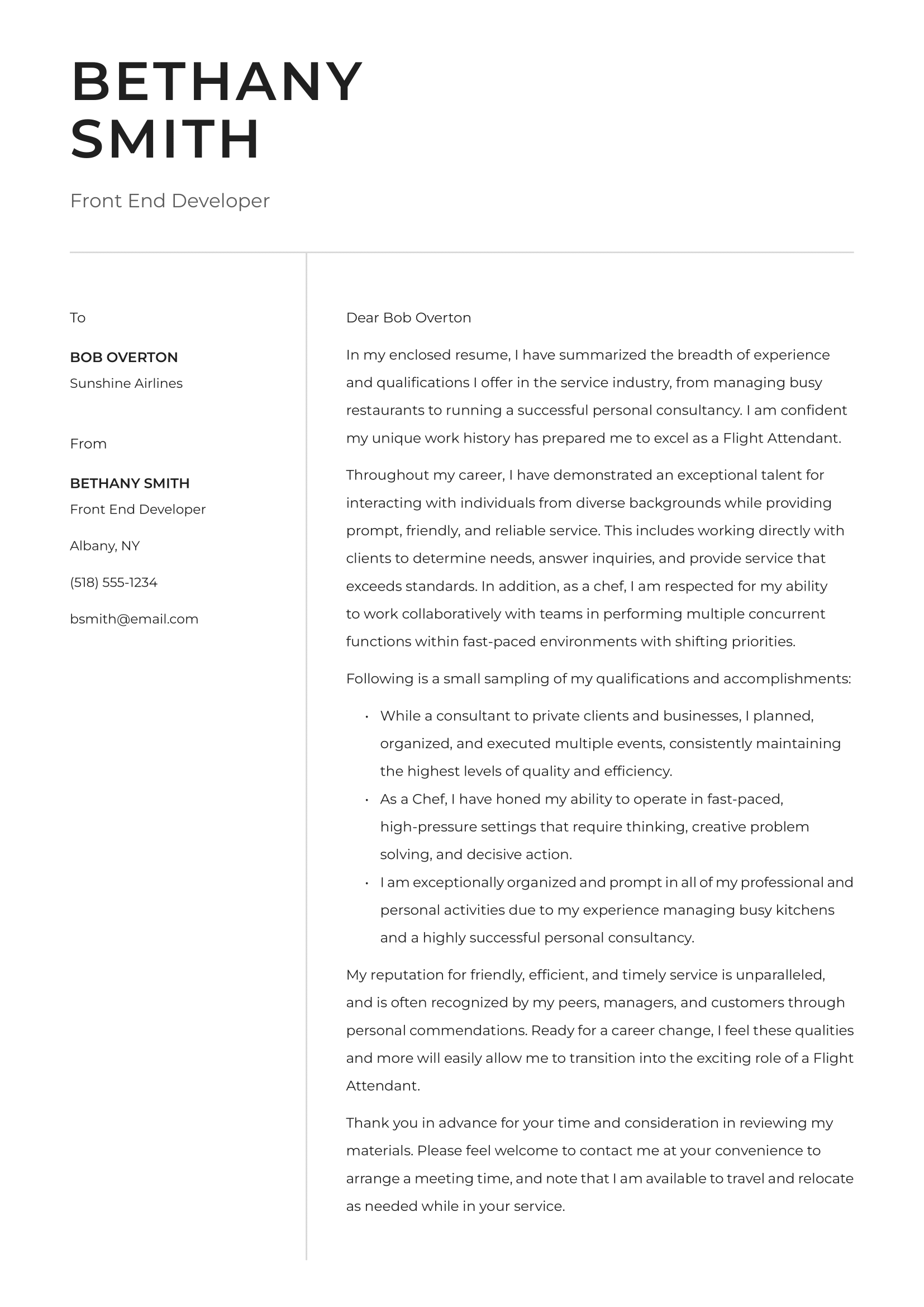
Keep your cover letters fresh by updating them with new skills and experiences.
| When to Update | What to Change |
| After gaining new skills | Add recent courses or certificates |
| Changing career goals | Adjust your objectives and interests |
| New job experience | Include recent roles and achievements |
| Feedback from others | Improve tone and clarity |
Credit: career.io
Frequently Asked Questions
What Is The Purpose Of A Cover Letter In A Career?
A cover letter introduces you to employers and highlights your skills. It complements your resume by explaining why you’re a strong fit for the job. It creates a personal connection, making your application stand out and increasing your chances of an interview.
How To Write An Effective Cover Letter For Jobs?
Start with a strong opening that grabs attention. Mention the job you’re applying for and why you’re interested. Highlight relevant skills and achievements. Keep it concise, personalized, and professional. End with a call to action, inviting the employer to contact you.
Should I Customize My Cover Letter For Each Job?
Yes, customizing your cover letter shows genuine interest in the specific role. It helps you highlight relevant skills and experience matching the job description. Tailored letters improve your chances of getting noticed and demonstrate you’ve researched the company thoroughly.
How Long Should A Cover Letter Be?
A cover letter should be between 250 to 400 words. Keep it clear and concise, focusing on key qualifications and achievements. Avoid unnecessary details. A brief letter respects the employer’s time while effectively conveying your value.
Conclusion
A strong cover letter helps you stand out in your career. It shows your skills and personality clearly. Keep it short and focused on the job. Tailor each letter to fit the role you want. This effort can open doors to new opportunities.
Practice writing often to improve your style. Remember, a good cover letter supports your resume well. Take time to make it thoughtful and error-free. Your career path can benefit from this simple step. Keep learning and growing with each application you send.







