
Thinking about tinting your car windows but unsure about the cost? You’re not alone.
Many car owners wonder, “How much is it to tint car windows? ” Before you make a decision, it’s important to know what affects the price and what you can expect to pay. This guide will break down the costs clearly, helping you make the best choice for your car and budget.
Keep reading to discover how tinting your windows can protect you, improve your ride, and how much it will really cost you.

Credit: www.tintbydesigns.ca
Factors Affecting Window Tint Cost
The cost of tinting car windows varies depending on several factors. These factors influence the price you pay for the service.
Knowing these factors can help you plan your budget and choose the right option for your vehicle.
Type Of Tint Film
Different types of tint film affect the cost. Basic films are cheaper but offer less heat and UV protection.
High-performance films cost more but block heat and UV rays better. Ceramic films are usually the most expensive.
- Dyed films: affordable and basic
- Metalized films: better heat control
- Ceramic films: top performance and price
Number Of Windows
The more windows you tint, the higher the total cost. Tinting just the front windows costs less than tinting all windows.
Some people tint only rear windows or side windows to save money.
- Two front windows: least expensive
- All side windows: moderate cost
- All windows including rear and windshield: highest cost
Vehicle Size And Type
Large vehicles like SUVs and trucks usually cost more to tint than small cars. They have bigger or more windows.
Special vehicles or those with curved glass may require extra work, which raises the price.
- Small cars: lower cost
- SUVs and trucks: higher cost
- Special vehicles: possible extra fees
Quality And Brand
Premium brands charge more because their films last longer and look better. Cheap films may fade or bubble.
Choosing a trusted brand often means paying more upfront but saves money later on repairs or replacements.
- Low-cost brands: budget-friendly
- Mid-range brands: good quality
- Premium brands: best durability and price
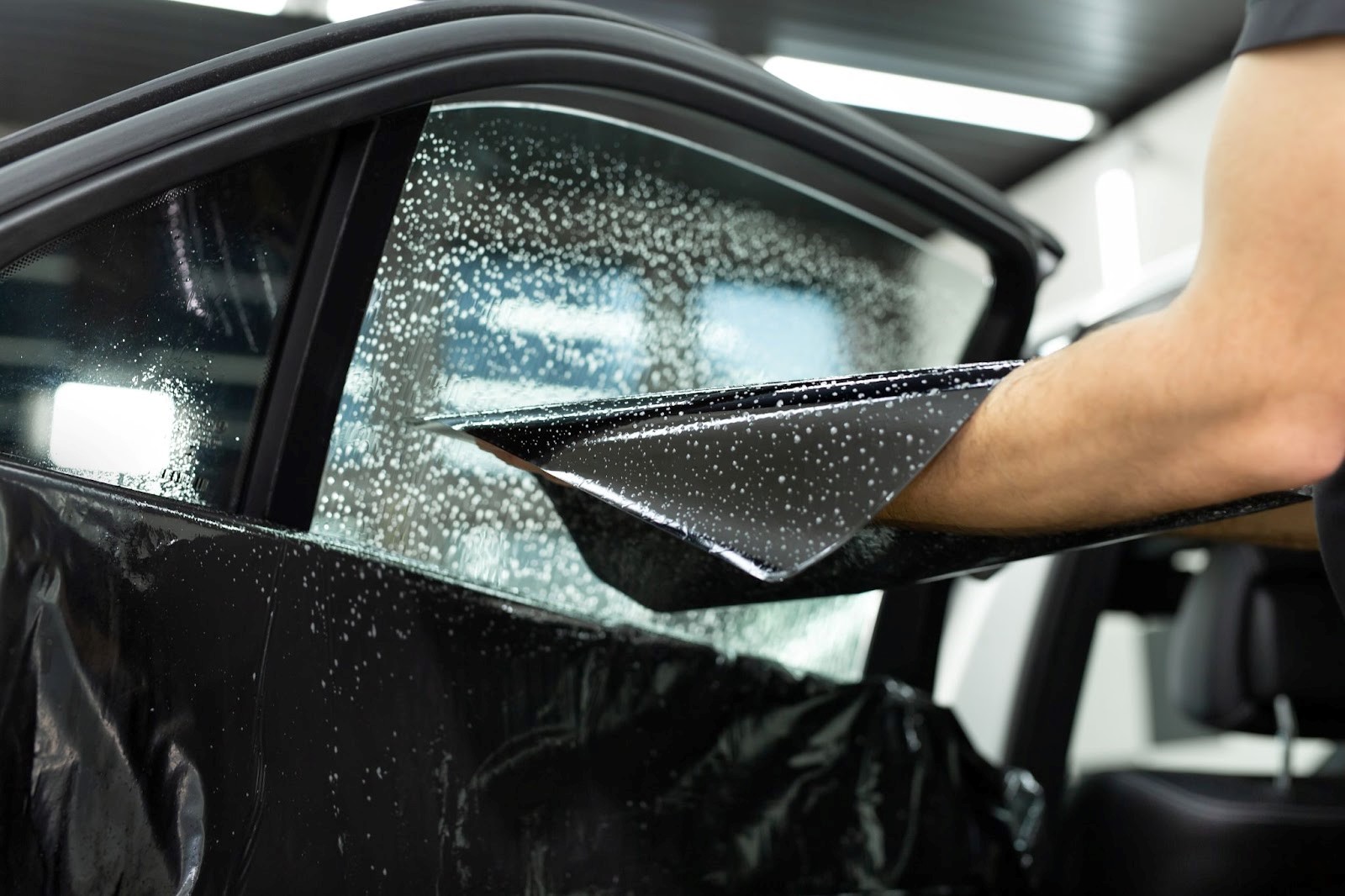
Labor And Installation
Skilled technicians may charge more for their work. Proper installation ensures no bubbles or peeling.
Some shops include labor in the price, while others charge separately. Installation time can affect the cost too.
- Experienced installers: higher labor cost
- Less experienced: cheaper but risky
- Installation time: longer jobs cost more
Credit: protexcanada.com
Average Price Ranges
Car window tinting prices vary based on the type of film and quality. Knowing price ranges helps you pick the right option.
This guide breaks down costs for basic, mid-range, and premium tint packages.
Basic Tint Packages
Basic tints are the least expensive choice. They use standard dyed films that block some sunlight and reduce glare.
These films usually last 2 to 5 years before fading or peeling may occur.
- Price range: $100 to $150
- Common for older or budget cars
- Offers moderate heat reduction
- Basic warranty included
Mid-range Options
Mid-range tints offer better heat and UV protection. They use metallic or hybrid films for longer durability.
These films often last 5 to 7 years and keep the car cooler in sunlight.
- Price range: $150 to $300
- Improved glare reduction and privacy
- Stronger fade resistance
- Usually comes with a 5-year warranty
Premium And Ceramic Tints
Premium tints use advanced ceramic or multi-layer films. They block up to 99% of UV rays and reduce heat greatly.
These tints last 7 to 10 years or more and do not interfere with electronics.
- Price range: $300 to $600+
- Excellent heat and UV protection
- Non-metallic, no signal interference
- Long-term warranty, often lifetime
Additional Costs To Consider
Tinting car windows has a base price, but extra costs can add up. These costs depend on the services you choose and your car’s condition.
Knowing about these costs helps you plan your budget better. Some common extra costs include removing old tint, custom designs, and warranty plans.
Removal Of Old Tint
Removing old window tint can be tricky and take time. It adds to the total cost because it requires special tools and care.
Old tint can damage windows if removed incorrectly. Professionals charge extra to ensure safe removal and prepare windows for new tint.
- Time spent scraping and cleaning old tint
- Use of heat guns or chemicals
- Extra care for damaged or stuck tint
Custom Designs And Patterns
Standard tint is simple and less costly. Adding custom designs or patterns raises the price. These designs require more work and skill.
Custom tint can include logos, stripes, or special shapes. This option is for people who want a unique look for their car windows.
- Design creation and approval
- Precision cutting and fitting
- Longer installation time
Warranty And Maintenance Plans
Some shops offer warranty plans for window tint. These plans cover repairs or replacements if the tint peels or bubbles.
Maintenance plans may include regular cleaning and check-ups. These plans add to the initial cost but protect your investment.
- Warranty length and coverage details
- Regular tint inspections
- Minor repairs included
Diy Vs Professional Tinting
Car window tinting changes how your windows look and how much sunlight enters your car. You can do it yourself or hire a professional. Both ways cost different amounts and have different results.
This guide compares the cost, risks, benefits, and needed tools for DIY and professional tinting. It helps you decide the best way to tint your car windows.
Cost Comparison
DIY tinting often costs less but needs you to buy all materials. Professional tinting costs more but includes labor and quality checks.
| Type | Estimated Cost | What It Includes |
| DIY Tinting | $30 to $100 | Tint film, tools, and installation effort |
| Professional Tinting | $150 to $400 | High-quality film, expert installation, warranty |
Risks And Benefits
DIY tinting saves money but risks poor results. You might get bubbles or uneven edges. Professional tinting costs more but gives a clean finish and lasts longer.
- DIY Benefits:Lower cost, learn new skill
- DIY Risks:Mistakes, no warranty
- Professional Benefits:Expert work, warranty, better durability
- Professional Risks:Higher price, need appointment
Tools And Materials Needed
DIY requires buying or having several tools. Professionals bring their own tools and materials for the job.
- Tint film specific to your car windows
- Spray bottle with soapy water
- Utility knife or razor blade
- Plastic squeegee for smoothing
- Microfiber cloths
- Heat gun or hairdryer (optional)
Legal Limits And Regulations
Car window tinting can make your ride cooler and safer. But rules about tint darkness vary by location. These rules keep drivers and passengers safe.
It is important to know the legal limits for window tinting. This helps avoid fines and keeps your car legal on the road.
Tint Darkness Restrictions
Most places set a limit on how dark your window tint can be. This limit is often called Visible Light Transmission (VLT). VLT is the amount of light that passes through the tint.
For example, a 70% VLT means 70% of light must pass through the window. Lower VLT means darker tint, which can reduce visibility.
- Front side windows usually have higher VLT limits (lighter tint)
- Back side and rear windows often allow darker tint
- Windshield tinting is often restricted to a small strip at the top
Regional Variations
Window tint laws differ by country, state, and even city. Each region sets its own rules on tint darkness and placement.
Some places have strict rules, while others are more lenient. It is important to check your local laws before tinting your car windows.
| Region | Front Side Windows VLT | Rear Side Windows VLT | Rear Window VLT |
|---|---|---|---|
| California, USA | 70% | Any Darkness | Any Darkness |
| Texas, USA | 25% | 25% | 25% |
| New York, USA | 70% | Any Darkness | Any Darkness |
| United Kingdom | 70% | Not regulated | Not regulated |
Penalties For Non-compliance
Breaking window tint laws can lead to fines and other penalties. Police may stop you if your tint is too dark.
Penalties may include tickets, fixing the tint, or even car inspection failures. Repeat offenses can bring harsher punishments.
- Fines ranging from small amounts to hundreds of dollars
- Requirement to remove or replace illegal tint
- Possible points on your driving record
- Vehicle may fail safety inspection
Credit: www.cherryautodetail.com
Tips To Save Money On Tinting
Car window tinting can be costly. But there are ways to save money. By being smart about choices, you can keep costs low.
Consider these tips before getting your car windows tinted. They can help you spend less while getting the best results.
Choosing The Right Film
Not all window films are the same. Some are more affordable than others. Choose a film that fits your budget and needs.
Look for films that offer both quality and value. Compare different types to find the best deal.
- Dyed films are cheaper but less durable
- Ceramic films are costly but block more heat
- Metalized films offer good balance of price and performance
Timing Your Installation
The timing of your installation can affect the price. Some seasons may offer better deals than others.
Plan your tinting during off-peak times. This can help you get lower prices.
- Winter months may have discounts
- Avoid peak summer demand
- Ask shops about upcoming sales
Finding Reliable Installers
A good installer can save you money in the long run. Poor installation can lead to costly fixes.
Research and choose a trusted installer. Look for reviews and ask for recommendations.
- Check online reviews and ratings
- Get quotes from multiple installers
- Ask about warranties on their work
Frequently Asked Questions
How Much Does Car Window Tinting Cost?
Car window tinting typically costs between $100 and $400. Prices vary by car size, tint quality, and local labor rates. Premium tints and added features can increase the price. Always request a detailed quote before installation.
Does Tinting Car Windows Reduce Heat?
Yes, window tinting significantly reduces heat inside your car. It blocks up to 60% of solar energy, keeping the interior cooler. This improves comfort and protects upholstery from sun damage.
Is Car Window Tinting Legal Everywhere?
Window tint laws vary by state and country. Most places regulate tint darkness and reflectivity. Check local laws to ensure your tint complies and avoid fines or removal orders.
How Long Does Window Tinting Last?
High-quality window tint can last 5 to 10 years. Longevity depends on tint type, sun exposure, and maintenance. Proper care helps prevent bubbling and fading over time.
Conclusion
Tinting car windows costs vary by film type and car size. Basic tints are cheaper, while premium ones cost more. Installation quality also affects the price. Tinting helps protect from sun and adds privacy. Consider local laws before tinting your windows.
Choose a trusted installer for the best results. Think about your budget and needs carefully. This way, you get the right tint at a fair price. Window tinting can improve your driving comfort and car look.







