
Have you ever spotted a sticky residue on your car’s paint and wondered how to get rid of it without causing damage? Goo Gone promises to remove tough sticky messes quickly, but is it truly safe for your car’s delicate paint?
If you want to protect your car’s finish while cleaning it effectively, you need to know the facts before using this popular product. Keep reading to discover what Goo Gone really does to your car paint and how to use it safely—your car deserves the best care.
Goo Gone And Car Paint Interaction
Goo Gone is a popular product used to remove sticky residues. Many car owners wonder if it is safe to use on car paint. Understanding how Goo Gone interacts with car paint helps avoid damage.
This article explains the ingredients in Goo Gone, how it works on surfaces, and its potential effects on car paint.
Ingredients In Goo Gone
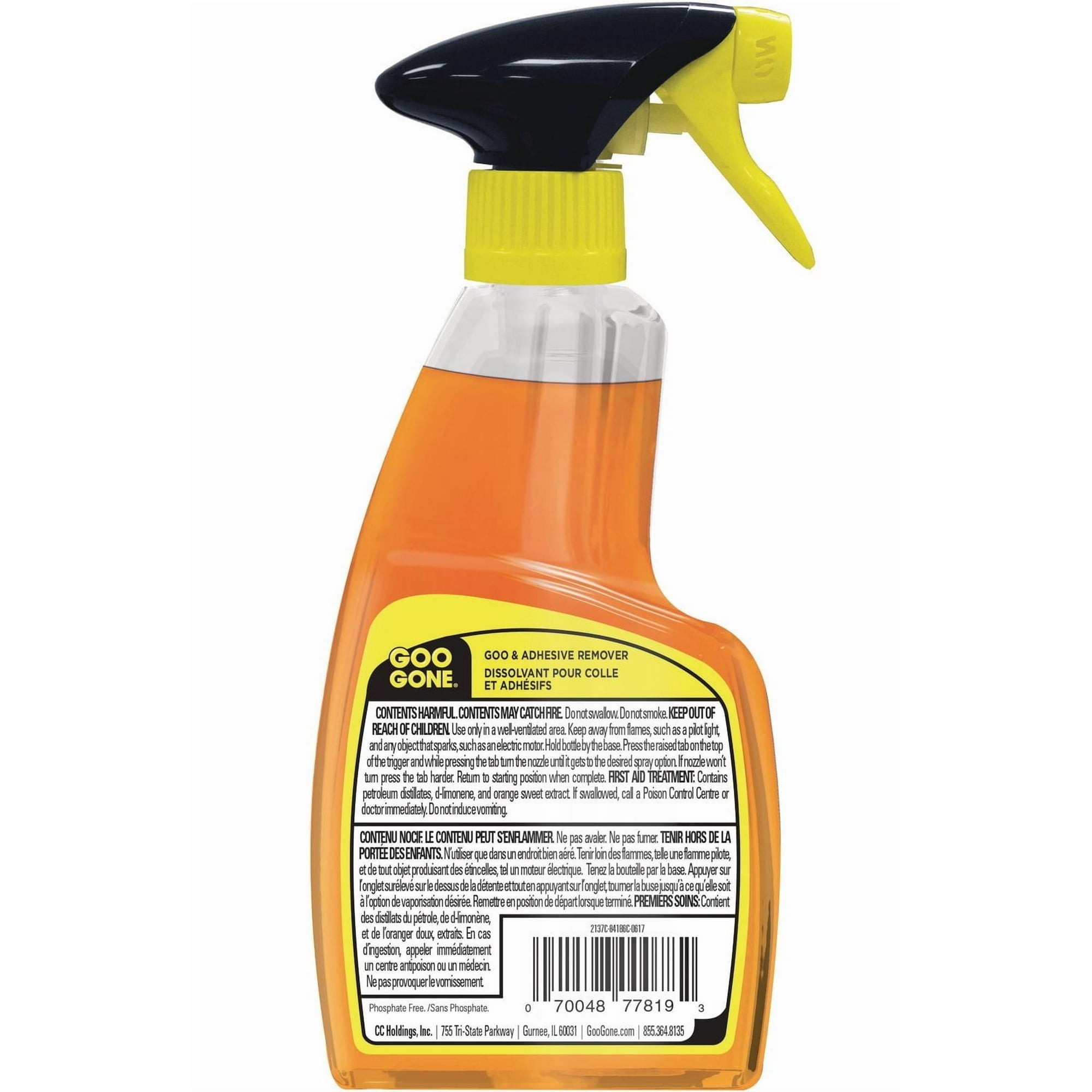
Goo Gone contains several chemicals that help dissolve sticky substances. The main ingredients include petroleum-based oils and citrus extracts. These ingredients work together to break down adhesives.
- Petroleum distillates: help dissolve sticky residue
- Citrus oil (d-Limonene): adds natural solvent power
- Surfactants: assist in lifting dirt and oils
- Fragrance: gives a citrus smell
How Goo Gone Works On Surfaces
Goo Gone softens and breaks down sticky materials like gum, tape, and glue. It penetrates the residue to make it easier to wipe away. This action works on many surfaces, including glass, metal, and plastic.
The citrus oils act as a natural solvent to dissolve adhesives. The petroleum oils help lift the residue without damaging most finishes. Goo Gone is usually safe for hard surfaces if used carefully.
Potential Effects On Car Paint
Car paint is sensitive to harsh chemicals. Goo Gone can remove sticky spots without harming paint if used properly. Leaving Goo Gone on paint too long may cause dullness or discoloration.
Test Goo Gone on a small, hidden area before full use. Avoid scrubbing hard, which can scratch paint. Rinse the area well after using Goo Gone to remove any residue.
- Short contact time reduces risk of damage
- Use gentle cloths to avoid scratching
- Test on a small area first
- Rinse thoroughly after use

Credit: www.walmart.ca
Safe Usage Guidelines
Goo Gone is a popular product used to remove sticky residues. Many wonder if it is safe to use on car paint. Following safe usage guidelines helps protect your car’s finish.
Using Goo Gone correctly can clean your car without damage. Read these tips before applying it to your vehicle.
Preparing The Area
Clean the car surface before applying Goo Gone. Dirt or dust can scratch the paint during cleaning. Work in a shaded spot to avoid quick drying.
- Wash the area with water and mild soap
- Dry the surface completely
- Test Goo Gone on a small hidden spot
- Wear gloves to protect your skin
Application Techniques
Apply Goo Gone gently to avoid harming the paint. Use a soft cloth or sponge to spread the product. Do not rub hard or use abrasive tools.
- Use a small amount of Goo Gone on a cloth
- Gently dab or wipe the affected area
- Avoid letting Goo Gone sit on the paint
- Keep away from rubber or plastic parts
Recommended Contact Time
Do not leave Goo Gone on car paint for too long. Short contact time prevents damage. Usually, 2 to 5 minutes is enough.
- Apply Goo Gone and wait 2 to 5 minutes
- Check if the sticky residue softens
- Wipe off gently with a clean cloth
- Rinse the area with water afterward
Precautions To Avoid Damage
Goo Gone can remove sticky residue from car paint. Use it carefully to protect the paint.
Follow safety steps to avoid scratches or stains on your car surface.
Testing On A Small Spot
Try Goo Gone on a hidden area first. This shows how your car paint reacts.
Wait a few minutes to see if any discoloration or damage appears.
- Choose a small, less visible spot
- Apply a tiny amount of Goo Gone
- Check after 5-10 minutes
- Stop if paint fades or changes
Avoiding Sensitive Areas
Some car parts are delicate or have special coatings. Avoid using Goo Gone there.
Stay away from rubber, plastic trim, and glossy clear coats to prevent damage.
- Do not apply on rubber seals
- Avoid plastic bumpers and mirrors
- Keep away from tinted windows
- Skip areas with special clear coats
Proper Cleaning After Use
Clean the area well after removing sticky residue. This stops any leftover Goo Gone from harming paint.
Use water and mild soap to wash the spot. Dry with a soft cloth to finish.
- Rinse with clean water
- Use gentle car soap
- Dry with microfiber towel
- Repeat if residue remains
Alternative Products For Sticky Residue
Sticky residue on car paint can be tough to remove. Goo Gone is popular, but some people worry about its safety on paint. There are other products you can use that are safe and effective.
Choosing the right remover helps protect your car’s finish. This guide shows some alternatives and when to ask for expert help.
Commercial Paint-safe Removers
Many commercial products are made specifically for car paint. They break down sticky substances without harming the surface. Look for removers labeled safe for automotive paint.
- Automotive tar and adhesive removers
- Isopropyl alcohol (70% or less concentration)
- Bug and tar removers designed for cars
- Automotive clay bars to lift residue gently
- Specialty wipes for sticky spots on paint
Natural Options
Natural products can also remove sticky residue safely. They are gentle and less likely to damage paint. Use these with care and test on a small area first.
| Natural Product | How It Works | Usage Tips |
| Olive oil | Breaks down adhesive with oils | Apply with soft cloth, rinse well |
| Baking soda paste | Acts as mild abrasive | Mix with water, rub gently |
| White vinegar | Dissolves sticky residue | Use diluted, avoid prolonged contact |
| Coconut oil | Softens glue residue | Apply lightly, wipe off thoroughly |
When To Consult A Professional
Sometimes sticky residue will not come off with home products. If you see paint damage or the residue is very stubborn, get help from a professional detailer.
Professional help is best in cases of:
- Large areas of sticky residue
- Paint discoloration or scratches
- Residue that has been on paint for a long time
- Uncertainty about which product to use
Maintaining Car Paint Post-cleaning
Cleaning your car’s paint carefully helps keep it looking fresh. Goo Gone can remove sticky residues, but you must protect the paint after cleaning.
Proper care after cleaning stops damage and keeps the paint smooth and shiny for longer.
Washing And Waxing Tips
Wash your car gently with soap made for vehicles. Avoid harsh chemicals that can hurt the paint.
After washing, apply wax to protect the paint and add shine. Wax creates a barrier against dirt and water.
- Use a soft sponge or cloth to wash
- Rinse well to remove all soap
- Dry with a clean microfiber towel
- Apply wax evenly and let it dry
- Buff wax with a soft cloth for shine
Protective Measures
Protect your car paint by parking in the shade or using a car cover. Sunlight and weather can fade the paint over time.
Be careful with products like Goo Gone. Test a small spot first to make sure it does not harm the paint.
- Park in shaded or covered areas
- Use car covers for long-term protection
- Test cleaning products on a hidden spot
- Avoid using strong solvents often
- Clean spills and sticky spots quickly
Signs Of Paint Damage To Watch For
Look for dull or faded areas on your car’s paint. These spots may mean the paint is losing its protection.
Check for scratches, peeling, or bubbling paint. These are clear signs that the paint needs attention or repair.
- Dull or faded paint color
- Scratches or swirl marks
- Peeling or flaking paint
- Paint bubbles or blisters
- Rust spots under the paint
Credit: www.walmart.ca

Credit: www.amazon.ca
Frequently Asked Questions
Is Goo Gone Safe For Use On Car Paint?
Yes, Goo Gone is generally safe for car paint when used as directed. Always test on a small, hidden area first to avoid damage.
How Does Goo Gone Remove Sticky Residue From Cars?
Goo Gone breaks down adhesive bonds, effectively removing stickers, tar, and sap without harsh scrubbing, preserving the paint’s integrity.
Can Goo Gone Damage My Car’s Clear Coat?
When used properly, Goo Gone does not harm the clear coat. Avoid prolonged contact and always rinse the area afterward.
Should I Wash My Car After Using Goo Gone?
Yes, washing your car after using Goo Gone removes any residue and prevents potential damage to the paint surface.
Conclusion
Goo Gone can be safe for car paint when used carefully. Always test on a small area first. Avoid leaving it on too long to protect the paint. Use a soft cloth to apply and wipe gently. Rinse the area well after use.
This helps keep your car’s finish looking good. Taking these steps reduces risk and keeps the paint intact. Simple care goes a long way in protecting your vehicle’s look. Safe use means a clean car without damage.







