
Have you noticed those annoying paint scuffs on your car and wondered how to fix them quickly? Those little marks can make your vehicle look older and less cared for than it really is.
But here’s the good news: you don’t need to spend a fortune or visit a professional to repair them. You’ll discover simple, effective ways to restore your car’s shine and keep it looking fresh. Keep reading, and you’ll learn how to tackle paint scuffs like a pro—saving time, money, and frustration.
Identify The Type Of Scuff
Fixing paint scuffs on a car starts with knowing the scuff type. This helps you choose the right repair method.
Scuffs can look similar but need different care. Learn how to tell surface scuffs from deep ones.
Surface Vs Deep Scuffs
Surface scuffs only affect the clear coat or the top paint layer. They usually feel smooth or slightly rough.
Deep scuffs cut through the paint and may show the metal or primer underneath. These scuffs feel rough and can catch your nail.
- Surface scuffs:Light marks, no color change
- Deep scuffs:Color loss, rough texture, possible metal exposure
Assessing Paint Damage
Check the scuff under good light to see its depth and size. Use your finger or a soft cloth to feel the area.
If the scuff is just on the surface, a polish or scratch remover may work. If you see bare metal, you need more repair steps.
- Look closely for color changes or exposed metal
- Run your finger over the scuff to check roughness
- Use a magnifying glass for small or unclear marks
Gather Necessary Materials
Repairing paint scuffs on your car needs the right materials. Gathering these helps you work faster and better.
Use good materials to get smooth and clean results. This guide covers what to collect before you start.
Cleaning Supplies
Cleaning the scuffed area is the first step. Dirt and grease can stop paint from sticking well.
Use mild cleaners that do not harm your car’s paint. Avoid harsh chemicals that can cause more damage.
- Car wash soap
- Clean microfiber cloths
- Isopropyl alcohol or surface cleaner
- Water bucket
- Soft sponge or wash mitt
Polishing Compounds
Polishing compounds help smooth the scuff marks before painting. They remove small scratches and rough spots.
Choose a compound made for automotive paint. Some are mild, others are more abrasive for deep scratches.
- Fine polishing compound for light scuffs
- Medium compound for deeper scratches
- Applicator pads or soft cloths
- Orbital polisher (optional)
Touch-up Paint Options
Touch-up paint fixes the color and finish of scuffed areas. Match your car’s color code for best results.
Choose the right type of paint for your car’s finish. Some come in pens, bottles, or spray cans.
- Touch-up paint pen for small scratches
- Brush-on paint for medium areas
- Spray paint for larger repairs
- Clear coat to seal and protect
Clean The Affected Area
Before fixing paint scuffs on your car, clean the area well. Dirt and grime can stop the repair from working properly.
Cleaning helps you see the damage clearly. It also prepares the surface for repair products to stick better.
Washing And Drying
Wash the scuffed area with mild soap and water. Use a soft cloth or sponge to avoid more scratches.
Rinse the area with clean water to remove soap. Dry it with a clean, soft towel to stop water spots.
- Use gentle car soap, not household cleaners
- Work in shade to prevent soap from drying fast
- Pat dry; do not rub hard
Removing Dirt And Debris
Check the area for small dirt particles or debris. These can cause bumps under the paint repair.
Use a microfiber cloth or a soft brush to remove dust and loose dirt. Avoid strong chemicals that can damage the paint.
- Blow off dust with air or gently brush it away
- Do not use abrasive tools on the paint
- Repeat cleaning if needed before repair
Apply Polishing Compound
Polishing compound helps remove paint scuffs and restore shine. It smooths the clear coat on your car.
Using the right compound and applying it well can improve your car’s look. It takes some care and patience.
Choosing The Right Compound
Choose a polishing compound that fits the scuff depth. Mild compounds work for light scratches.
For deeper scuffs, use a more abrasive compound. Check the label to match your needs.
- Light compounds for small, surface scratches
- Medium compounds for moderate scuffs
- Heavy compounds for deep paint damage
Proper Application Techniques
Start with a clean, dry surface before applying compound. Use a soft cloth or foam applicator pad.
Apply a small amount of compound and rub in circular motions. Use gentle pressure and keep the pad moving.
- Work on one small section at a time
- Buff until the compound starts to dry
- Wipe off residue with a clean microfiber cloth
- Repeat if needed for better results
Use Touch-up Paint For Deep Scuffs
Deep scuffs on your car’s paint can be annoying. Using touch-up paint can help fix these marks.
This guide will show you how to match the color and apply the paint smoothly.
Matching Paint Color
Finding the right color is important. It makes the repair less noticeable.
- Check your car’s manual for the paint code.
- Visit an auto store with the code for the correct shade.
- Test a small amount to ensure it matches.
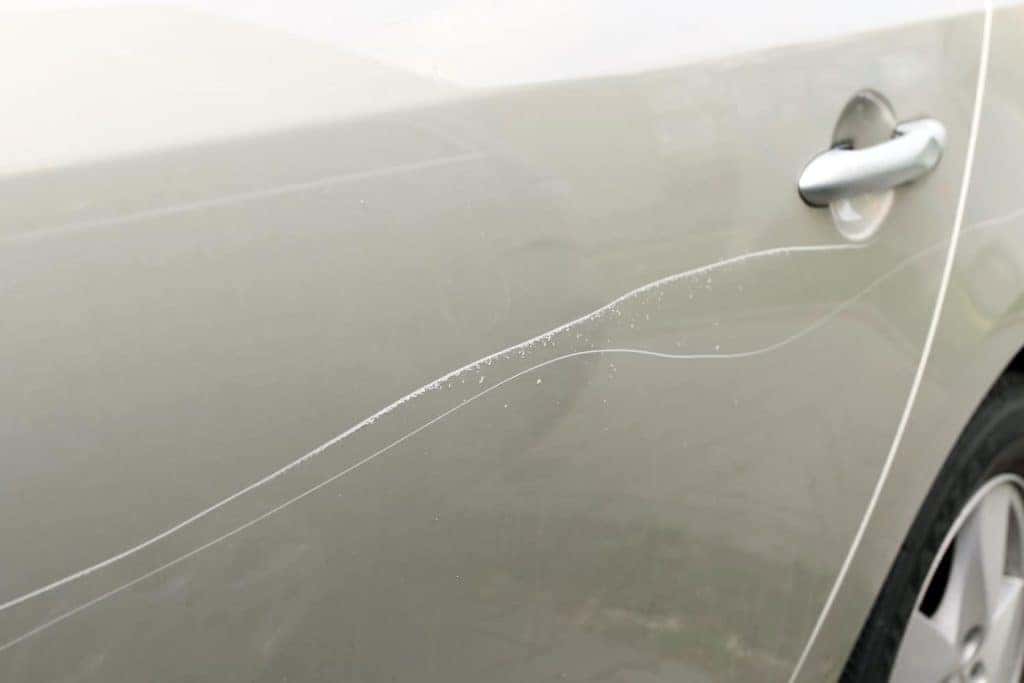
Applying Paint Smoothly
Proper application makes the repair blend well with the original paint.
Use a fine brush for small areas. Larger areas might need a spray can.
Apply in thin layers and let each layer dry before adding the next.
Credit: www.toyotaofnorthcharlotte.com
Buff And Blend The Repair
Repairing paint scuffs on a car requires careful attention. Buffing and blending are key to making the repair seamless.
These techniques ensure the scuff blends with the rest of the car’s paint. This helps maintain the car’s appearance.
Using A Buffer Or Polishing Cloth
A buffer or polishing cloth helps smooth the repaired area. This removes any unevenness left by the repair process.
Using the right tool ensures the repair is less visible. A buffer is faster, but a polishing cloth gives more control.
- Use gentle pressure with the buffer
- Move the buffer in circular motions
- If using a cloth, polish in small circles
Blending With Surrounding Paint
Blending the repair with the surrounding paint is crucial. This step ensures the repaired area matches the rest of the car.
Feather the edges of the repair into the original paint. This makes the transition less noticeable.
- Use a fine-grade polish for blending
- Apply polish evenly to avoid lines
- Check under different lighting conditions
Seal And Protect The Finish
After fixing paint scuffs on your car, sealing the surface is key. This protects the paint from damage and keeps it looking fresh.
Using the right products will help the finish last longer and resist dirt, water, and sun damage.
Applying Clear Coat
Clear coat adds a protective layer on top of the paint. It helps prevent scratches and fading caused by sunlight.
- Clean the repaired area with a mild cleaner and dry it well.
- Shake the clear coat spray can for about one minute.
- Spray a light, even coat over the scuffed area from 6-8 inches away.
- Wait 10 minutes, then apply a second coat for better protection.
- Let the clear coat dry for at least one hour before touching.
Waxing For Extra Protection
Wax adds shine and an extra shield against dirt and moisture. It also helps the paint stay smooth.
| Wax Type | Best Use | Durability |
| Carnauba Wax | Deep shine on dark colors | 4-6 weeks |
| Synthetic Wax | Long-lasting protection | 2-3 months |
| Spray Wax | Quick touch-ups | 1-2 weeks |

Credit: www.thedetailingmafia.com
Prevent Future Scuffs
Paint scuffs on cars can ruin the look of your vehicle. Taking steps to avoid scuffs keeps your car looking new.
Simple habits and regular care help protect your car’s paint from damage and scuffs.
Safe Parking Tips
Parking in safe spots lowers the chance of scratches and paint scuffs. Avoid tight spaces and busy areas.
Pick spots away from shopping carts, bikes, and other cars. This reduces the risk of accidental damage.
- Park away from busy doors and walkways
- Avoid parking near poles or bushes
- Use covered parking or garages when possible
- Check your surroundings before parking
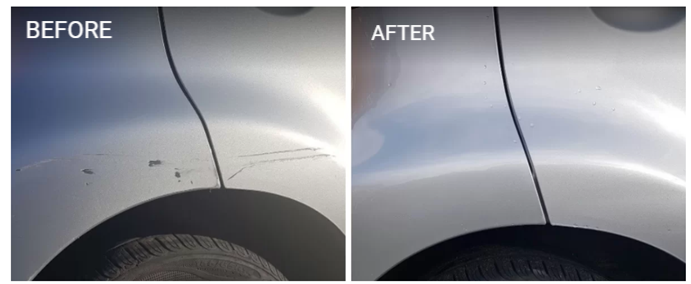
Regular Maintenance
Keeping your car clean and waxed protects the paint from dirt and scratches. Wash your car often with gentle soap.
Apply wax every few months to add a strong layer that shields the paint. Check for small scratches and fix them early.
- Wash your car regularly to remove dirt
- Use soft cloths or sponges to avoid scratching
- Wax your car every 3-4 months
- Inspect paint for chips or scratches often
Credit: www.chipsaway.co.uk
Frequently Asked Questions
What Causes Paint Scuffs On Cars?
Paint scuffs happen from minor impacts, rubbing against objects, or improper washing. They damage the clear coat or paint surface. Understanding causes helps prevent future scuffs and maintain your car’s finish.
How To Repair Minor Paint Scuffs On A Car?
Clean the area, apply rubbing compound, then polish gently. For deeper scuffs, use touch-up paint or a scratch repair kit. Always finish with wax to protect the surface and restore shine.
Can Diy Methods Fix Paint Scuffs Effectively?
Yes, DIY kits and products work well on minor scuffs. Proper preparation and following instructions are crucial. For deep damage, professional help may be necessary to ensure a seamless repair.
How To Prevent Paint Scuffs On Your Car?
Avoid parking too close to other vehicles, use car covers, and wash carefully with soft cloths. Regular waxing adds a protective layer, reducing the risk of paint damage from scuffs.
Conclusion
Repairing paint scuffs helps keep your car looking fresh and cared for. Small fixes prevent bigger, costly problems later. Use the right tools and take your time. Clean the area well before starting any repair. Even simple steps can improve your car’s appearance a lot.
Regular care keeps the paint strong and shiny. A little effort today saves money tomorrow. Keep your car looking its best with these easy tips.







