
When you buy a car, one of the most important things to understand is what your warranty actually covers. You might wonder, “Will it protect me from costly repairs?” or “What parts are included, and what are not?” Knowing the answers can save you money and stress down the road.
This guide will break down exactly what a car warranty covers, so you can feel confident and secure every time you hit the road. Keep reading to discover how to make the most of your car warranty and avoid unexpected expenses.

Credit: www.youtube.com
Types Of Car Warranties
Car warranties protect buyers from unexpected repair costs. They vary by type and coverage. Knowing each type helps you choose the right protection.
This guide explains the main types of car warranties. Learn what each covers and how they differ.
Manufacturer’s Warranty
The manufacturer’s warranty covers defects in materials and workmanship. It usually starts when you buy a new car.
- Basic coverage for most parts
- Limited time or mileage
- Free repairs for covered issues
- Does not cover wear and tear
Extended Warranty
An extended warranty adds extra coverage after the manufacturer’s warranty ends. It helps with repair costs for longer periods.
| Feature | Description |
|---|---|
| Duration | Can last several years beyond the original warranty |
| Cost | Usually paid separately by the owner |
| Coverage | May include major systems and parts |
| Limitations | May have deductibles and exclusions |
Certified Pre-owned Warranty
This warranty comes with certified pre-owned cars. It offers extra assurance on used vehicles that pass inspection.
Certified Pre-Owned Warranty benefits:
- Limited coverage period after purchase
- Inspection of vehicle before sale
- May cover major repairs and roadside assistance
- Often backed by the manufacturer or dealer

Credit: www.cartalk.com
Coverage For Major Components
Car warranties protect important parts of your vehicle. They cover repairs and replacements if these parts fail.
Knowing which major components are covered helps you understand your warranty better.
Engine And Transmission
The engine is the heart of your car. Most warranties cover engine parts like pistons, cylinders, and valves.
The transmission moves power from the engine to the wheels. Warranties often cover parts such as gears and clutches.
- Engine block and cylinder heads
- Pistons, rings, and valves
- Transmission gears and shafts
- Torque converter and clutch plates
Electrical Systems
Electrical parts control many car functions. Warranties usually cover the battery, starter, and alternator.
Other covered parts often include wiring, sensors, and the vehicle’s computer system.
- Battery and starter motor
- Alternator and wiring harness
- Control modules and sensors
Suspension And Steering
Suspension parts keep your ride smooth. Warranties often cover shocks, struts, and control arms.
Steering components like the power steering pump and rack are usually included in coverage.
- Shocks and struts
- Control arms and ball joints
- Power steering pump and rack
Items Often Excluded
Car warranties protect many parts of your vehicle. Still, some items are often not covered. Knowing what is excluded helps you avoid surprise costs.
This guide explains common exclusions in car warranties. It focuses on wear and tear parts, maintenance services, and environmental damage.
Wear And Tear Parts
Warranties usually do not cover parts that wear out over time. These parts need regular replacement as part of normal car use.
- Tires
- Brake pads and shoes
- Windshield wipers
- Clutch plates
- Filters (air, oil, fuel)
Maintenance Services
Routine maintenance is usually excluded from car warranties. These services keep your car running well but are not a warranty’s responsibility.
| Service | Reason for Exclusion |
| Oil changes | Regular upkeep needed |
| Fluid refills | Consumable items |
| Battery replacement | Limited lifespan |
| Wheel alignment | Wear from driving |
Environmental Damage
Damage caused by weather or outside forces often falls outside warranty coverage. These types of damage are not due to defects.
- Rust from salt or water
- Sun damage to paint and interiors
- Flood damage
- Damage from accidents or vandalism
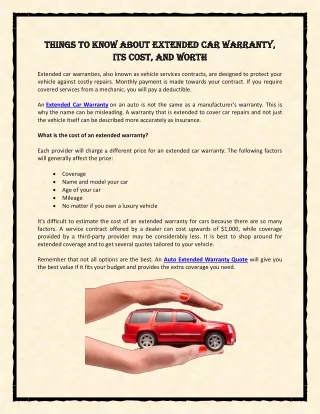
Credit: www.slideserve.com
Duration And Mileage Limits
A car warranty protects you from some repair costs. It covers parts and labor for a set time or miles.
Knowing the duration and mileage limits helps you use the warranty well. These limits vary by warranty type.
Standard Warranty Periods
Most car warranties last for a specific time or miles, whichever comes first. This keeps coverage clear.
Standard warranties often cover 3 years or 36,000 miles. Some extend longer for parts or powertrain.
- Basic warranty: 3 years or 36,000 miles
- Powertrain warranty: 5 years or 60,000 miles
- Corrosion warranty: 5 to 12 years with unlimited miles
- Emissions warranty: 2 years or 24,000 miles
Factors Affecting Coverage Length
Several things change how long a warranty lasts. The car brand and warranty type are key factors.
How you use and maintain your car also affects coverage. Some warranties end sooner if rules break.
- Car brand sets warranty length and limits
- Type of warranty (basic, powertrain, etc.) matters
- Proper car maintenance keeps warranty valid
- Abuse or modifications can void warranty
- Some warranties allow extensions or renewals
How To Use Your Warranty
Using your car warranty can save you money on repairs. It is important to understand the process. This helps you get the service you need without delays.
Read your warranty details carefully. Know what is covered and what is not. Follow the correct steps to make a claim.
Claim Process
To make a warranty claim, start by contacting the warranty provider. Explain the problem with your car clearly. They will guide you on the next steps.
- Gather all needed documents.
- Get approval from the warranty company.
- Take your car to an authorized shop.
- Keep receipts and reports for your records.
Authorized Repair Shops
Your warranty works only if repairs happen at authorized shops. These shops meet the standards set by the warranty provider. Using other shops may void your warranty.
| Authorized Shop | Location | Contact |
| City Auto Repairs | 123 Main St, Springfield | (555) 123-4567 |
| Reliable Car Care | 456 Oak Rd, Lakeside | (555) 987-6543 |
| Speedy Fix Garage | 789 Pine Ave, Rivertown | (555) 234-5678 |
Documentation Needed
Proper documents help speed up your claim. Keep these papers ready before contacting the warranty company.
- Warranty contract or booklet
- Proof of purchase for the car
- Repair estimates or bills
- Inspection reports from the mechanic
- Any communication with the warranty provider
Benefits Of Having A Car Warranty
A car warranty is a promise from the manufacturer. It covers certain repairs and services. This can help you save money and stress.
Having a car warranty gives you many advantages. It ensures your car stays in good condition without extra costs.
Cost Savings On Repairs
Car repairs can be very expensive. A warranty helps reduce these costs. It covers parts and labor for certain repairs.
- Engine issues
- Transmission problems
- Electrical system repairs
Peace Of Mind
Driving with a warranty means less worry. You know help is available for covered repairs. This makes driving more enjoyable.
You can focus on the road instead of repair bills. This security is valuable to many drivers.
Increased Resale Value
A car with a warranty is more appealing to buyers. It shows the car was well-maintained. This can make selling easier.
Buyers feel confident purchasing a car with a warranty. It can lead to a higher selling price.
Tips For Choosing The Right Warranty
Understanding car warranties can save you money on repairs. Choosing the right one is important for your needs.
Consider these tips to ensure you pick the best warranty for your vehicle.
Assessing Your Needs
Think about how you use your car daily. This helps in deciding what coverage is necessary.
- Do you drive long distances regularly?
- Is your car used for business purposes?
- Consider the age and model of your car.
Comparing Plans
Look at different warranty plans before making a decision. Check for features that matter to you.
| Plan Type | Coverage Duration | Cost |
| Basic | 3 Years | Low |
| Extended | 5 Years | Medium |
| Comprehensive | 7 Years | High |
Reading The Fine Print
Before signing, read all the details in the contract. This helps avoid surprises later.
Always ask questions if something is unclear.
Frequently Asked Questions
What Components Does A Typical Car Warranty Cover?
A typical car warranty covers the engine, transmission, and drivetrain. It often includes electrical systems and major mechanical parts. Coverage varies by manufacturer and warranty type. Wear-and-tear items like brake pads usually aren’t covered. Always check the specific warranty details for exact coverage.
How Long Does A Car Warranty Usually Last?
Most car warranties last between 3 to 5 years or 36,000 to 60,000 miles. Some manufacturers offer extended warranties for longer periods. Coverage duration depends on the warranty type and car brand. Always verify your warranty’s time and mileage limits.
Are Routine Maintenance Services Included In Car Warranties?
Routine maintenance like oil changes, tire rotations, and brake inspections are generally not covered. Warranties focus on repairs due to defects or malfunctions. You must pay for regular maintenance to keep the warranty valid. Check your warranty terms for maintenance requirements.
Can A Car Warranty Cover Repairs From Accidents?
No, car warranties do not cover repairs caused by accidents or external damage. Accident repairs fall under auto insurance coverage. Warranties only cover defects or malfunctions that occur during normal use. Always rely on insurance for accident-related repairs.
Conclusion
Car warranties help protect your car from costly repairs. They usually cover parts and labor for certain problems. Knowing what your warranty includes can save you money and stress. Always read the warranty details carefully before buying. Some warranties cover only basic parts, while others offer more.
Choose a warranty that fits your needs and budget. Keep your car maintained to avoid issues not covered. A good warranty gives peace of mind on the road. Stay informed and drive with confidence.







