
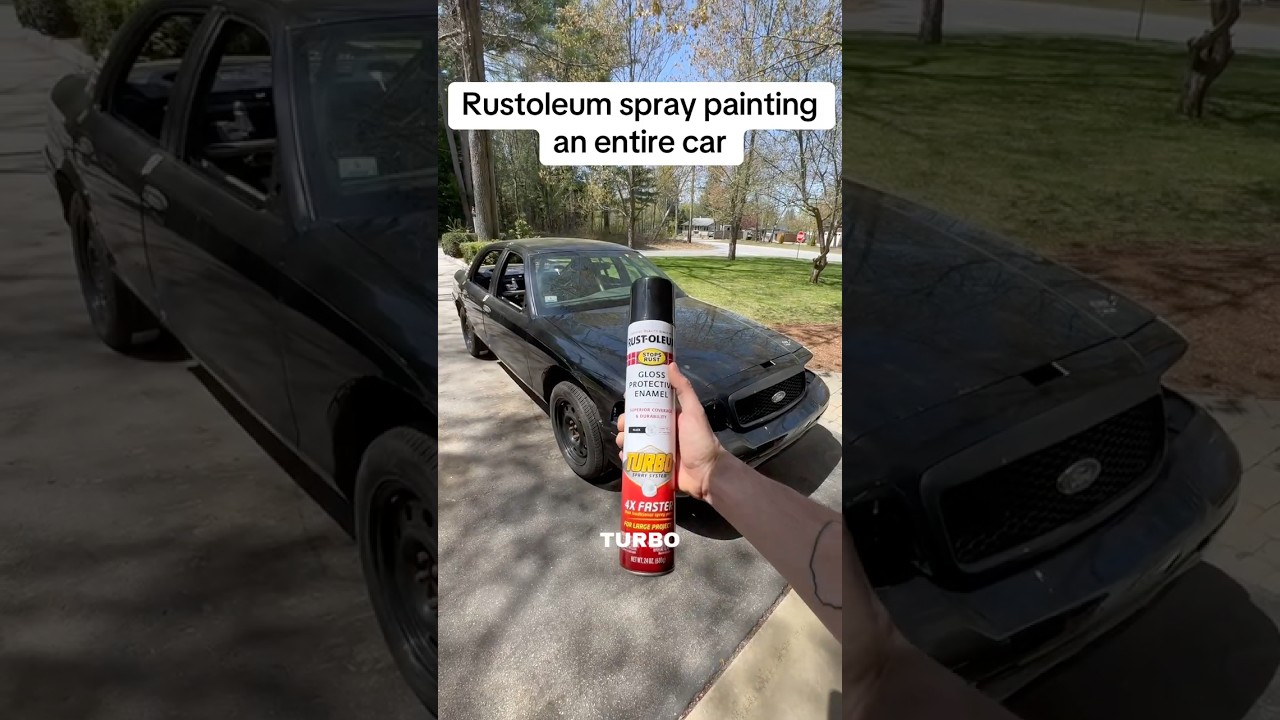
Are you looking to give your car a fresh, vibrant look without breaking the bank? Car painting with Rustoleum could be the perfect solution for you.
Imagine transforming your vehicle’s appearance with a smooth, durable finish that stands up to the elements. Whether you want to cover up scratches, rust spots, or just change your car’s color, Rustoleum offers an easy and affordable way to do it yourself.
Keep reading to discover how you can achieve professional-looking results and make your car stand out on the road.

Credit: www.youtube.com
Choosing Rustoleum Paint
Rustoleum offers many paint options for car projects. Picking the right paint helps protect your car and improve its look.
This guide covers types of Rustoleum paint, color tips, and primer and clear coat choices.
Types Of Rustoleum For Cars
Rustoleum has several paint types for car surfaces. Each type fits different needs and finishes.
- Protective Enamel:Durable and good for metal surfaces.
- Automotive Spray Paint:Easy to apply and gives a smooth finish.
- Rust Reformer:Stops rust and prepares the surface for painting.
- High Heat Paint:Made to resist high temperatures on engines and exhausts.
Color Selection Tips
Choosing the right color improves your car’s style and look. Use these tips to select the best shade.
| Tip | Details |
| Match Original Color | Use the car’s paint code for an exact match. |
| Consider Car Use | Light colors show less dirt; dark colors hide scratches better. |
| Test Paint Samples | Spray small patches to see the color in natural light. |
| Think About Finish | Glossy finishes look shiny; matte finishes reduce glare. |
Primer And Clear Coat Options
Primer and clear coats protect paint and add shine. Choosing the right ones improves results and durability.
- Rustoleum Automotive Primer:Helps paint stick and blocks rust.
- Sandable Primer:Smooths rough surfaces before painting.
- Clear Coat:Adds gloss and protects paint from damage.
- Matte Clear Coat:Gives a flat finish without shine.

Credit: www.youtube.com
Preparing The Car Surface
Before painting a car with Rustoleum, the surface must be ready. Proper preparation helps the paint stick well and last longer.
Cleaning, sanding, and removing rust are important steps. Each step ensures a smooth and strong finish for your paint job.
Cleaning And Degreasing
Cleaning removes dirt, dust, and oils from the car surface. Degreasing clears away grease that can stop paint from sticking.
Use a car soap and water first to wash the surface. Then apply a degreaser with a clean cloth to wipe down the area.
- Wash car with soap and water
- Rinse and dry the surface
- Apply degreaser on a cloth
- Wipe all areas to remove oils
- Let the surface dry completely
Sanding Techniques
Sanding smooths the car surface and removes old paint flakes. It creates a rough texture for paint to hold better.
Use fine-grit sandpaper for light sanding and coarse-grit for rough spots. Sand evenly in circular motions to avoid marks.
- Start with 320-grit sandpaper on rough areas
- Use 600-grit sandpaper for a smooth finish
- Sand in small circles for even surface
- Remove dust with a tack cloth after sanding
Rust Removal Methods
Rust weakens the car’s metal and must be removed before painting. Leaving rust causes paint to peel later.
Use a wire brush or sandpaper to scrape off rust. For deep rust, apply a rust remover solution and follow instructions carefully.
- Scrape loose rust with a wire brush
- Sand rust spots until metal shows
- Apply rust remover on heavy rust areas
- Clean the surface after rust removal
- Allow the surface to dry fully
Applying Rustoleum Paint
Rustoleum paint is a popular choice for car painting projects. It offers good protection and a smooth finish.
Applying Rustoleum paint correctly helps the car look its best and last longer. Preparation and technique matter.
Spray Vs. Brush Application
Spraying Rustoleum paint gives a smooth, even coat. It covers large areas quickly and reduces brush marks.
Brushing works well for small areas or touch-ups. It needs steady hands to avoid streaks and uneven layers.
- Spray for large, flat surfaces
- Brush for edges and small parts
- Use thin coats to avoid drips
- Keep spray can or brush moving
Layering For Even Coverage
Applying several thin layers of Rustoleum paint gives the best finish. Thick layers can cause runs and bubbles.
Wait between layers to let each coat dry. This helps the paint stick well and look smooth.
- Apply light coats instead of one heavy coat
- Wait 10-15 minutes between layers
- Check for missed spots before next coat
- Sand lightly if surface feels rough
Drying Times And Conditions
Rustoleum paint dries best in warm, dry places. Cold or humid weather slows drying and affects finish.
Follow the recommended drying times on the can. Touch dry and fully dry times are different.
- Touch dry: 20-30 minutes
- Recoat time: 1 hour
- Fully dry: 24 hours or more
- Keep away from dust while drying
Finishing Touches
After painting your car with Rustoleum, finishing touches are key. These steps ensure a long-lasting and shiny finish.
Let’s explore how to apply a clear coat, polish, and prevent future rust.
Applying Clear Coat
A clear coat adds protection and shine. It seals the paint, making it durable against weather elements.
- Ensure the painted surface is clean and dry.
- Shake the clear coat spray can for two minutes.
- Apply a light coat evenly over the surface.
- Let it dry for 10 minutes before adding another coat.
- Repeat for 3-4 coats for best results.
Polishing And Buffing
Polishing makes the car surface smooth and shiny. Buffing enhances the shine and removes minor scratches.
Use a soft cloth or a buffer machine. Apply polish in small, circular motions. Buff the surface gently until you see a shine.
Preventing Future Rust
Preventing rust is crucial for maintaining your car’s finish. Moisture and road salt can cause rust over time.
| Action | Benefit |
| Wash regularly | Removes dirt and salt |
| Apply wax | Seals paint and adds shine |
| Check for chips | Prevents rust from forming |
Common Mistakes To Avoid
Painting your car with Rustoleum can give it a fresh look. Still, some errors can ruin the finish. Avoiding these mistakes helps you get better results.
Learn about common errors to skip and how to do your job right. This guide covers key points to keep your paint job smooth and strong.
Skipping Surface Prep
Not cleaning or sanding the car surface causes poor paint adhesion. Dirt, rust, or grease can stop Rustoleum from sticking well.
Always wash and dry the surface. Use sandpaper to smooth rough spots and remove rust. This step helps the paint last longer.
Applying Too Thick Layers
Painting too much at once leads to drips and uneven drying. Thick layers take longer to dry and can peel off easily.
Apply thin, even coats of Rustoleum. Let each coat dry before adding the next one. This technique gives a smooth finish.
- Use light sprays instead of heavy ones
- Keep a steady hand while painting
- Wait 15-30 minutes between coats
Ignoring Weather Conditions
Painting in bad weather affects the paint quality. High humidity, cold, or windy conditions can cause problems.
Choose a dry day with moderate temperature. Avoid painting under direct sunlight or strong wind. This helps the paint cure properly.
- Ideal temperature: 50°F to 85°F (10°C to 29°C)
- Low humidity is best for drying
- Paint in a shaded or covered area
Maintenance Tips For Longevity
Using Rustoleum for car painting can keep your car looking fresh. Taking care of the paint extends its life and shine.
Follow simple maintenance tips to protect your car’s paint from damage and wear.
Regular Cleaning
Cleaning your car often removes dirt and grime that harm the paint. Use mild soap and water to avoid damage.
Dry the car with a soft cloth to prevent water spots and scratches.
- Wash your car every two weeks
- Use gentle, car-safe cleaning products
- Rinse thoroughly to remove all soap
- Dry with a microfiber cloth
Touch-up Techniques
Fix small chips or scratches quickly to stop rust from forming. Use Rustoleum touch-up paint for best results.
Clean the area before applying paint. Let it dry completely for a smooth finish.
- Clean damaged spots with rubbing alcohol
- Apply Rustoleum paint in thin layers
- Allow each layer to dry before adding more
- Use a fine brush for precise application
Storage Recommendations
Store your car in a garage or shaded area to protect the paint from sun and weather damage.
If indoor storage is not possible, use a car cover to shield your paint from dust and moisture.
- Park in a covered or shaded place
- Use a breathable car cover for outside storage
- Keep the car dry to avoid rust
- Check the paint regularly for damage
Credit: www.youtube.com
Frequently Asked Questions
What Types Of Rustoleum Paint Work Best For Cars?
Rustoleum’s automotive spray paints and primers work best for cars. They offer durability and rust protection. Choose Rustoleum products specifically labeled for automotive use for best results.
How Do I Prepare My Car For Rustoleum Painting?
Clean the surface thoroughly and remove rust, dirt, and grease. Sand the area smooth and apply a Rustoleum primer before painting. Proper preparation ensures better paint adhesion and a long-lasting finish.
Can Rustoleum Paint Resist Rust On Car Surfaces?
Yes, Rustoleum paint contains rust inhibitors that prevent corrosion. It creates a protective barrier against moisture and elements. This helps extend your car’s paint life and keeps rust at bay.
How Many Coats Of Rustoleum Paint Should I Apply On A Car?
Apply 2 to 3 thin coats of Rustoleum paint for even coverage. Allow each coat to dry before applying the next. Multiple coats enhance durability and a smooth, professional finish.
Conclusion
Rustoleum makes car painting simple and affordable. It protects your car from rust and gives a smooth finish. You can do the job at home with basic tools. Just follow the steps carefully for best results. This paint lasts long and keeps your car looking fresh.
Choose Rustoleum for a quick and easy car makeover. A little effort goes a long way. Try it and see the difference yourself.







